
- Catalogs
- Ximai Electric (Wuhan) Co.,Ltd
- Inverter INV 6000-48

- Company
- Products
- Catalogs
- News & Trends
- Exhibitions
Inverter INV 6000-48
1 / 2 PagesView full catalog
Inverter INV 6000-48
Product catalog summary
Overview
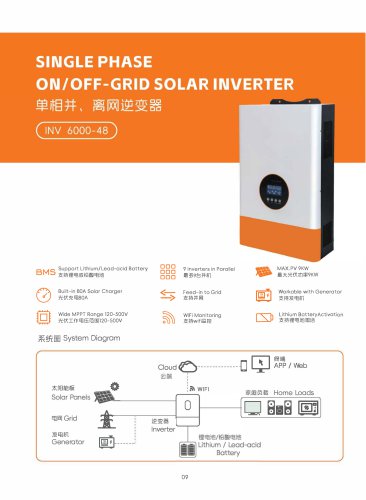
This document describes a Battery Management System (BMS) supporting both Lithium and Lead-acid batteries, designed for solar energy applications with multiple inverters operating in parallel.
Main Specifications
- Battery Compatibility: Supports Lithium and Lead-acid battery types.
- Inverter Configuration: Up to 9 inverters can be connected in parallel to increase system capacity.
- Maximum PV Power: The system supports a maximum photovoltaic (PV) input power of 9 kW.
- MPPT Voltage Range: Wide Maximum Power Point Tracking (MPPT) voltage range from 120 V to 500 V, allowing flexible solar panel configurations.
- Built-in Solar Charger: Integrated solar charger with feed-in capability to the electrical grid.
- Generator Compatibility: The system can operate in conjunction with a generator for backup power.
- Monitoring: Supports WiFi monitoring for remote system status and performance tracking.
System Components and Diagram
The system includes the following key components:
- Solar panels feeding into the BMS and inverters.
- Multiple inverters connected in parallel to handle higher loads.
- Home electrical loads powered by the system.
- Grid connection allowing feed-in and grid support.
- Backup generator integration for additional power supply.
- WiFi module enabling remote monitoring and control.
The system diagram illustrates the interconnection between solar panels, inverters, home loads, grid, and generator, highlighting the flow of energy and control signals.
Critical Features and Best Practices
- Ensure battery type compatibility when configuring the system to optimize performance and longevity.
- Utilize the wide MPPT voltage range to maximize solar energy harvesting under varying conditions.
- Leverage WiFi monitoring for proactive maintenance and system diagnostics.
- Parallel inverter setup allows scalable power capacity; ensure proper synchronization and load balancing.
- Backup generator integration provides reliability during low solar production or grid outages.
See more
Catalog excerpts
Support Lithium/Lead-acid Battery 支持涅电mi吕酸电池 Built-in BOA s lar Charger 先{犬究电BOA Wide MPPT Range 120-SOOV 先伏工作电压范围120-SOOV WiFi Monitoring 支持wifi监控 w。rkable with Generator 豆揭发电机
Open the catalog to page 1All Ximai Electric (Wuhan) Co.,Ltd catalogs and technical brochures
 Inverter INV 3600-24
2 Pages
 Inverter INV1200-12
2 Pages
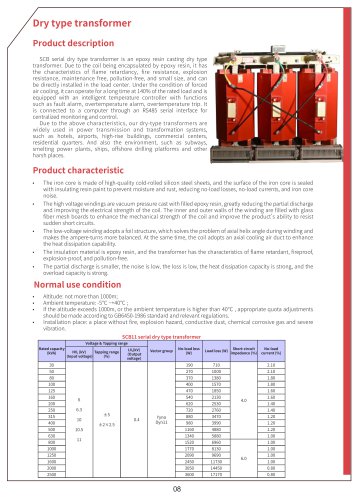 SCB dry type transformer
1 Page
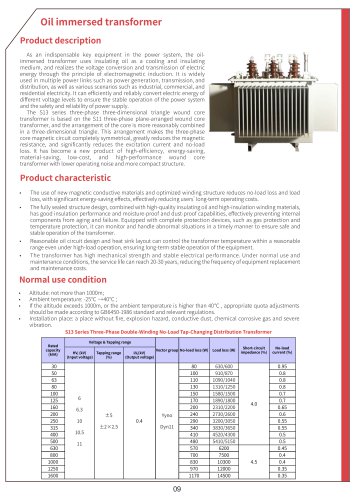 Oil immersed transformer
1 Page
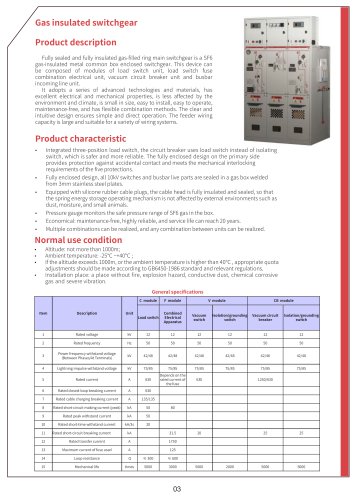 Gas insulated switchgear
1 Page
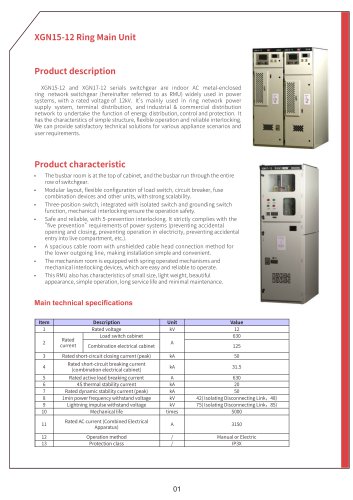 XGN15-12 RMU
1 Page
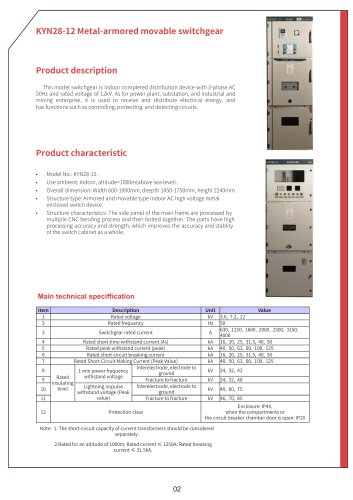 KYN28-12 HV switchgear
1 Page
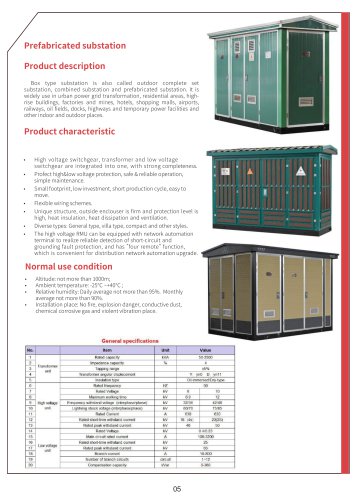 YB serials substation
1 Page
Related Searches
- Transformer
- Dry transformer
- IEC transformer
- Current transformer
- Encapsulated transformer
- Power transformer
- Single-phase transformer
- Isolation transformer
- Industrial transformer
- Three-phase transformer
- Floor-standing transformer
- Instrument transformer
- Protection transformer
- Cast resin transformer
- Switchgear
- Transformer for industrial applications
- Indoor service transformer
- Distribution transformer
- Sine wave DC/AC inverter
- DIN rail mount transformer
*Prices are pre-tax. They exclude delivery charges and customs duties and do not include additional charges for installation or activation options. Prices are indicative only and may vary by country, with changes to the cost of raw materials and exchange rates.
About DirectIndustry
DirectIndustry is a marketplace that offers B2B players a complete experience, from product sourcing to purchase. DirectIndustry is an entity of VirtualExpo Group.
Are you a buyer?
Are you a supplier?