
- Catalogs
- Wuxi Danikor Automation Technology Co.,Ltd
- Witness the inevitable trend of the development of automated assembly


- Company
- Products
- Catalogs
- News & Trends
- Exhibitions
Witness the inevitable trend of the development of automated assembly
1 / 1 PageView full catalog
Witness the inevitable trend of the development of automated assembly
Product catalog summary
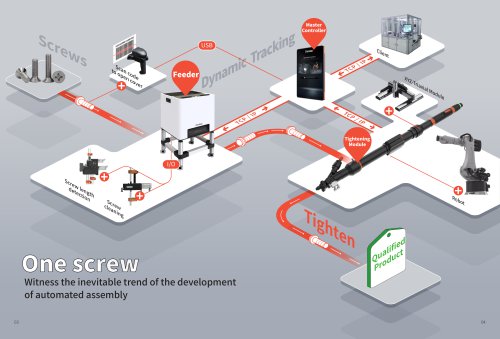
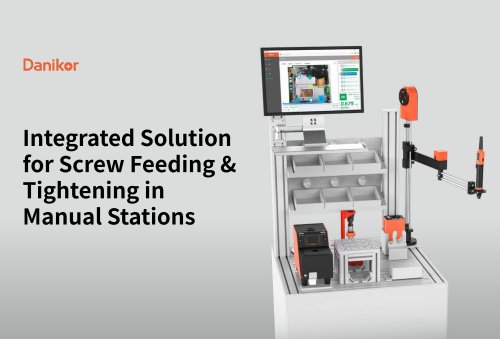
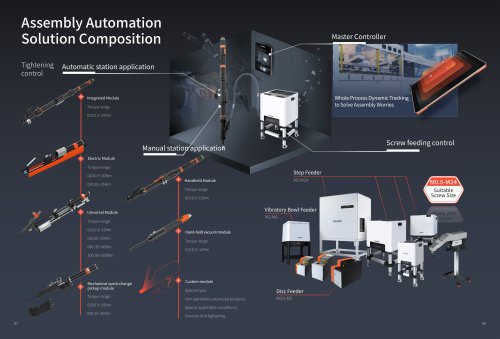
Overview of Automated Assembly System Components and Workflow
This document outlines the key elements and communication protocols involved in an automated screw assembly process, highlighting the integration of various modules and technologies to ensure precision and efficiency.
System Components and Modules
- XYZ-Triaxial Module: Provides precise three-dimensional positioning for the assembly robot.
- Robot: Executes the physical assembly tasks, including screw handling and placement.
- Tightening Module: Responsible for accurately tightening screws to specified torque levels.
- Dynamic Tracking Feeder: Supplies screws dynamically, ensuring continuous operation without interruption.
- Master Controller: Central control unit managing communication and coordination among modules.
Communication Protocols
- TCP/IP: Used for network communication between system components, ensuring reliable data exchange.
- USB: Likely used for device interfacing or data transfer within the system.
- I/O Signals: Employed for real-time control signals such as screw length detection and cover opening.
Process Workflow
- Scan Code to Open Cover: Initiates the assembly process by scanning a code to unlock or open the assembly cover.
- Screw Length Detection: Ensures the correct screw size is used for each assembly point.
- Screw Cleaning: Prepares screws for assembly to maintain quality and prevent defects.
- Tightening: The screw is tightened with precision using the tightening module.
- Qualification and Quality Control: The system verifies the product meets quality standards before finalizing the assembly.
Key Benefits and Trends
The document emphasizes the inevitable trend towards automated assembly, leveraging integrated modules and communication protocols to enhance productivity, accuracy, and traceability in manufacturing processes.
See more
Catalog excerpts
Master Controller Tightening Module Witness the inevitable trend of the development of automated assembly
Open the catalog to page 1All Wuxi Danikor Automation Technology Co.,Ltd catalogs and technical brochures
 Danikor Prodcuts Catalog
2 Pages
 Danikor Company Profile
46 Pages
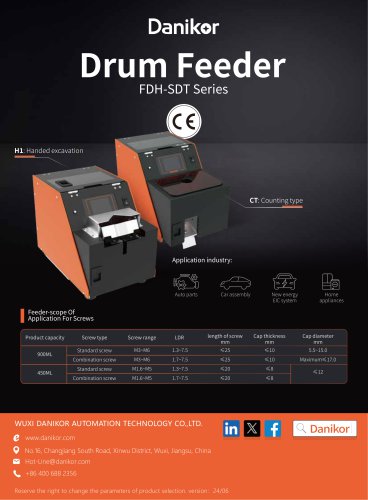
 Flexible Feeding System
2 Pages
 Industrial Torque Screwdriver
29 Pages


Archived catalogs
 Screw Dispenser/Screw Presenter
2 Pages
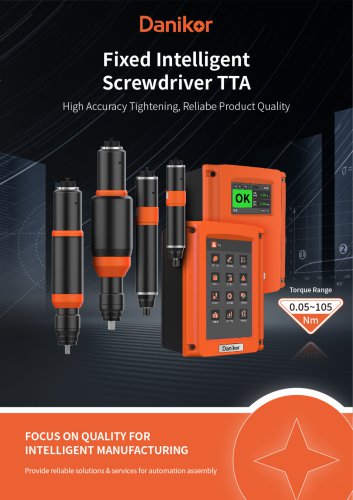 TTA PTT-ASF Series
5 Pages
 Step Feeder
4 Pages
 Flexible Feed System
7 Pages
 Vibration Bowl Feeder
3 Pages
 Disc Feeder
5 Pages
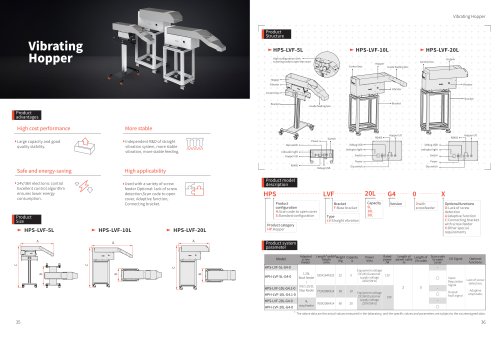 Danikor Vibrating Hopper
1 Page
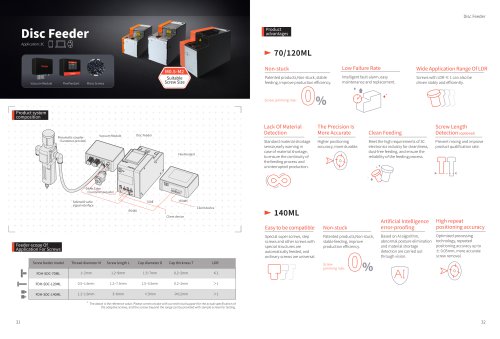 Danikor Disc Feeder
1 Page
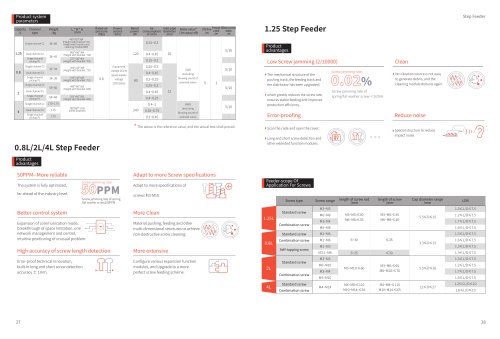 Danikor Step Feeder
1 Page
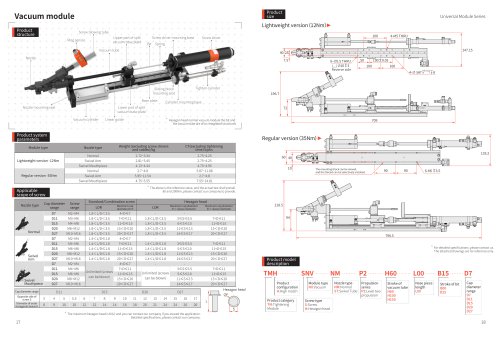 Danikor Vacuum module
1 Page
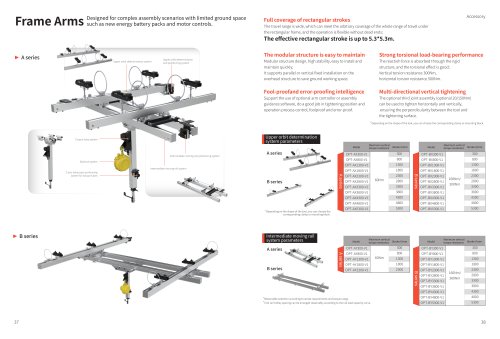 Danikor Frame Arms
1 Page
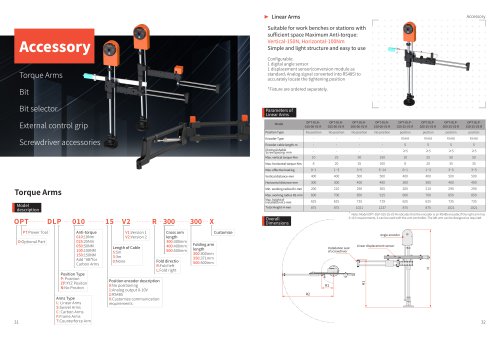 Danikor Torque Arms
1 Page
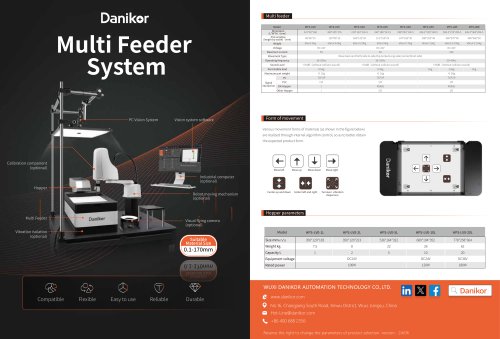 Flexible Feeding System
2 Pages
 Smart Electric Screwdriver
14 Pages

Related Searches
- Measurement software
- Danikor electric screwdriver
- Screwdriver
- Danikor brushless electric screwdriver
- Danikor corded electric screwdriver
- Danikor straight electric screwdriver
- Danikor automatic feeder
- Danikor DC electric screwdriver
- Vibratory feeder
- Danikor bulk material feeder
- Cordless electric screwdriver
- Pistol electric screwdriver
- Danikor electric screwdriver with torque control
- Calibration software
- Danikor semi-automatic electric screwdriver
- Danikor automatic electric screwdriver
- Danikor screwing unit
- Battery-powered electric screwdriver
- Continuous-motion feeder
*Prices are pre-tax. They exclude delivery charges and customs duties and do not include additional charges for installation or activation options. Prices are indicative only and may vary by country, with changes to the cost of raw materials and exchange rates.
About DirectIndustry
DirectIndustry is a marketplace that offers B2B players a complete experience, from product sourcing to purchase. DirectIndustry is an entity of VirtualExpo Group.
Are you a buyer?
Are you a supplier?