
- Catalogs
- West Control Solutions
- Why Use Limit Devices in Temperature Control

- Company
- Products
- Catalogs
- News & Trends
- Exhibitions
Why Use Limit Devices in Temperature Control
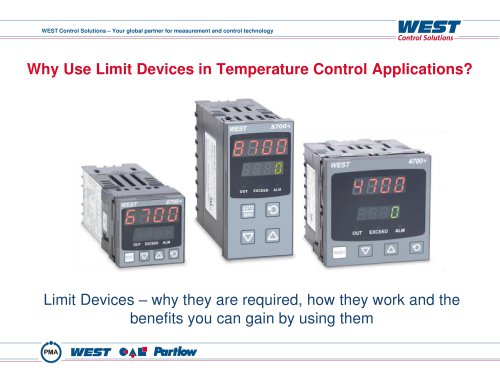
Why Use Limit Devices in Temperature Control
Limit devices are essential components in temperature control applications, providing critical protection for process systems. They ensure product quality and safeguard both personnel and equipment.
Importance of Limit Devices
Temperature control systems pose significant safety risks, such as potential fires, if not properly managed. Regulations like NFPA 86 in the USA mandate the use of limit devices to minimize fire and explosion hazards in industrial ovens and furnaces.
Functionality of Limit Devices
Limit devices are employed to protect products or appliances from damage due to excessive temperatures. They operate by cutting off high or low temperatures, shutting down the system if preset limits are exceeded. These devices typically work with sensors like thermocouples or RTDs and provide relay outputs for alarms.
Risk Reduction
By switching systems to a failsafe mode when limits are exceeded, limit devices significantly reduce risks. They initiate safety processes, such as cooling, and require manual intervention to restart, ensuring conditions are checked before resuming operations.
Applications and Standards
Limit devices are increasingly specified in national safety regulations. In addition to NFPA 86, FM Global includes them in insurance terms, and the European standard EN 14597 applies to temperature control and limiting devices in heat-generating systems.
Conclusion
For enhanced safety in temperature control applications, selecting an appropriate limit controller is crucial. Visit the WEST Control Solutions website for more information and to request a quotation.
Catalog excerpts
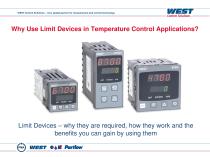
WEST Control Solutions – Your global partner for measurement and control technology Why Use Limit Devices in Temperature Control Applications? Limit Devices – why they are required, how they work and the benefits you can gain by using them
Open the catalog to page 1
WEST Control Solutions – Your global partner for measurement and control technology Why Use Limit Devices in Temperature Control Applications? Limit devices provide vital protection for temperature controlled process systems, ensuring product quality and the safety of both the workforce and the plant itself. The questions this presentation seeks to answer are: • What are the dangers with temperature control systems? • How does a limit device work? • How do limit devices reduce risk? • What are typical applications and standards for limit devices?
Open the catalog to page 2
WEST Control Solutions – Your global partner for measurement and control technology What are the dangers with temperature control systems? Temperature control systems can all potentially cause serious safety issues such as fires if they’re not managed correctly. Regulations are often in place to mitigate the risks associated with temperature control systems. The operation of ovens and kilns in the USA is regulated by the NFPA (National Fire Protection Association). NFPA 86, the Standard for Ovens and Furnaces, was drawn up to minimize fire and explosion hazards in ovens and furnaces which are...
Open the catalog to page 3
WEST Control Solutions – Your global partner for measurement and control technology How does a limit device work? Limit devices are typically used when there is a safety or quality requirement to protect a product or appliance from damage caused by excessive temperatures. They are used in process control applications where independent limit switching for over or under temperature is required. Typical working operations include: • A high and a low temperature cut off, so if the pre-set temperature limit is exceeded then the system is shut down Limit Devices can typically be used with a thermocouple...
Open the catalog to page 4
WEST Control Solutions – Your global partner for measurement and control technology How do limit devices reduce risk? Limit devices reduce risk by switching systems to failsafe a mode if their limits are exceeded. A signal is sent once the limit temperature has been reached to make the temperature process safe, by forcing a cooling process for example. Importantly, once the failsafe process has begun, it requires manual intervention to restart. This encourages human checking of the conditions before the process can be reset.
Open the catalog to page 5
WEST Control Solutions – Your global partner for measurement and control technology What are typical applications and standards for limit devices? Limit devices are increasingly becoming specified installations according to national safety regulations. As well as the NFPA 86, US insurer FM Global have included the use of limit devices as standard in their terms of insurance. In Europe the, EN 14597 standard applies to: “electrical or non-electrical temperature control devices which are used to control temperatures within heat generating systems…and to limiting devices which ensure that the temperature...
Open the catalog to page 6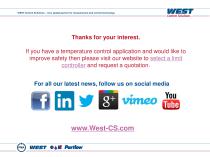
WEST Control Solutions – Your global partner for measurement and control technology Thanks for your interest. If you have a temperature control application and would like to improve safety then please visit our website to select a limit controller and request a quotation. For all our latest news, follow us on social media
Open the catalog to page 7All West Control Solutions catalogs and technical brochures
 Rail Line Brochure
6 Pages
 Product Catalogue
52 Pages
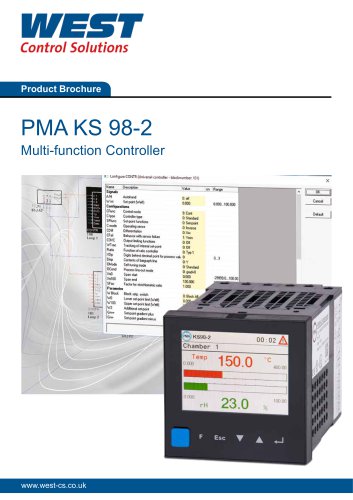 KS98-2 Brochure
6 Pages
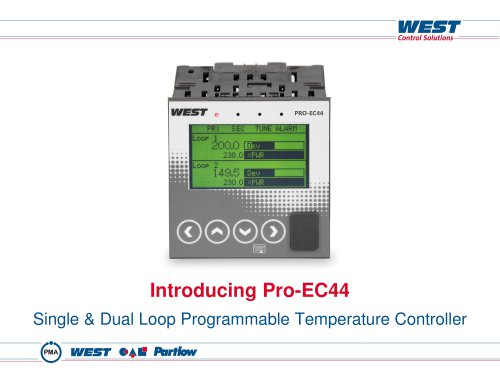 Dual Loop Temperature Controller
15 Pages
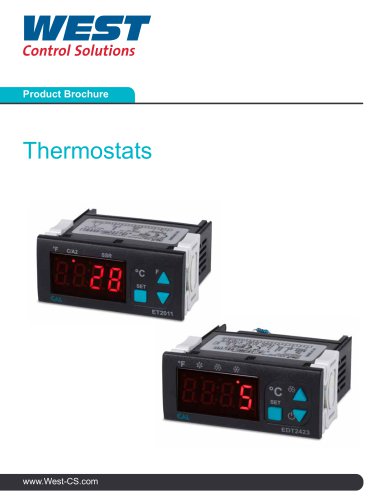 CAL Thermostats Brochure
4 Pages
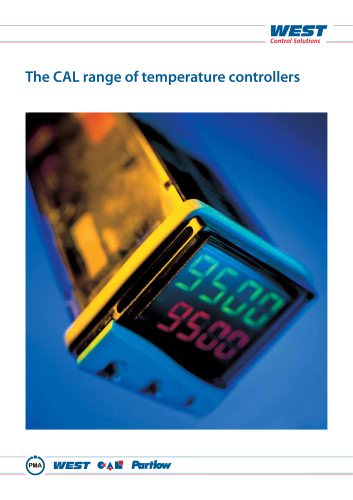 CAL Controller Brochure
4 Pages
 Company Profile
16 Pages
 3-phase with heatsink
8 Pages
 2-phase with heatsink
8 Pages
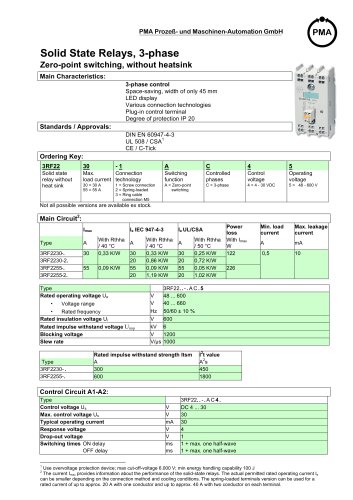 3-phase without heatsink
4 Pages
 2-phase without heatsink
4 Pages


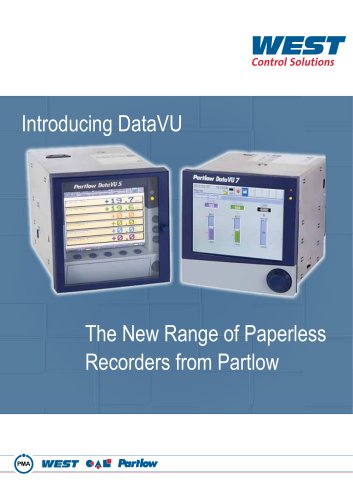

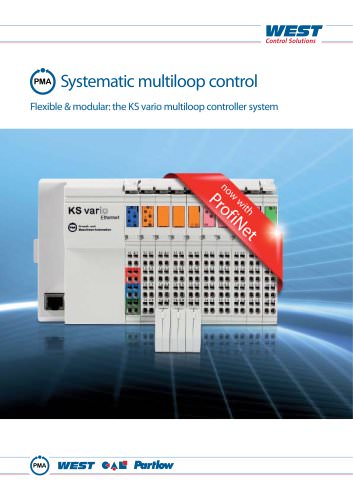
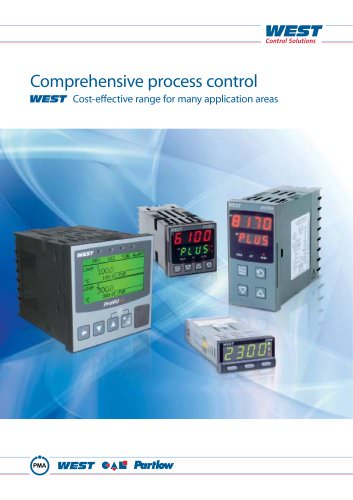
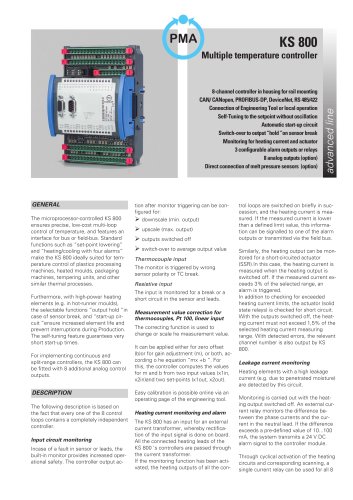


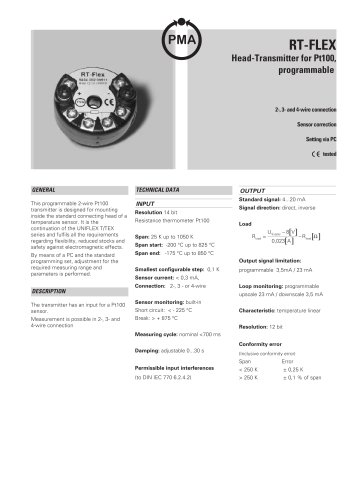
Archived catalogs
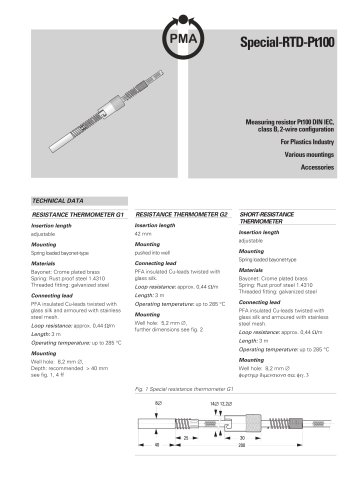 Special-RTD-Pt100
2 Pages
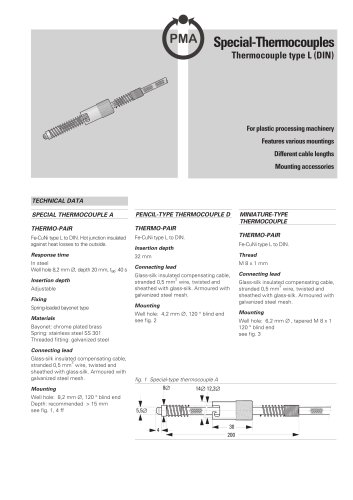 Special Thermocouple
2 Pages
 Thermocouples
4 Pages


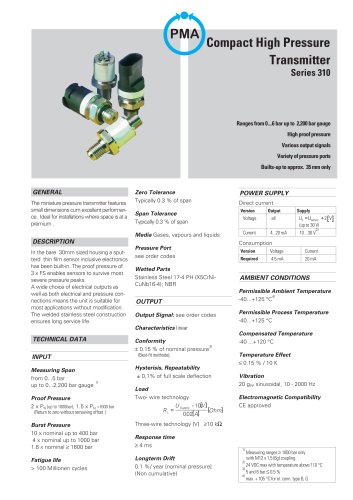

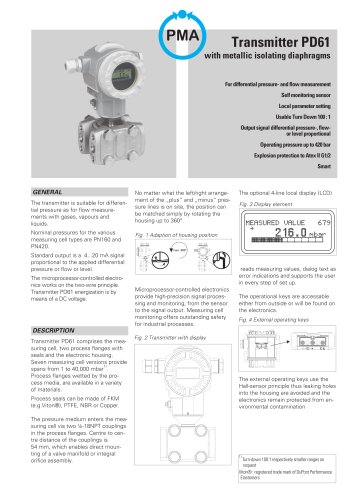
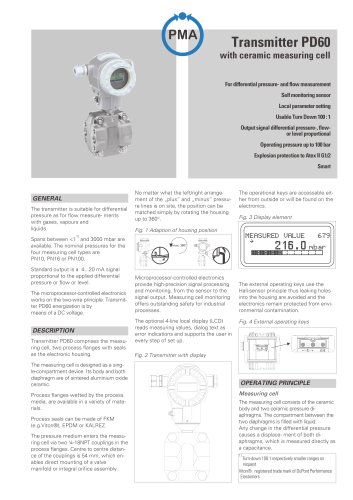
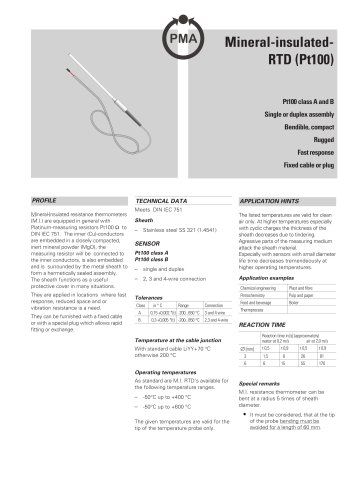


- Pressure transmitter
- Analog pressure transmitter
- Digital temperature control
- Waterproof pressure transmitter
- Membrane pressure transmitter
- Stainless steel pressure transmitter
- Temperature controller
- Digital temperature controller
- Absolute pressure transmitter
- IP65 pressure transmitter
- Automation temperature controller
- IP67 pressure transmitter
- PID temperature control
- Compact pressure transmitter
- PID temperature controller
- Temperature regulator
- Digital thermostat
- Universal temperature control
- Electronic thermostat
- Configurable temperature control