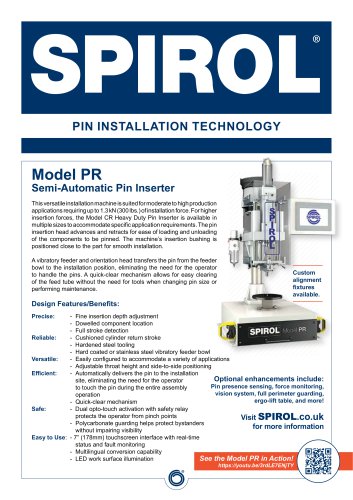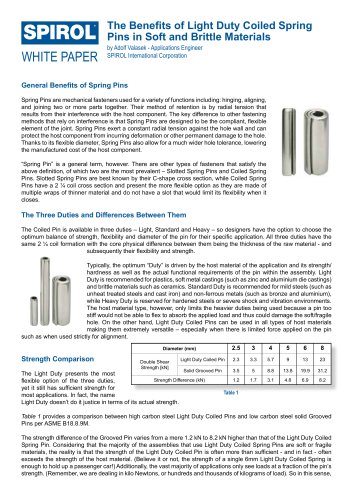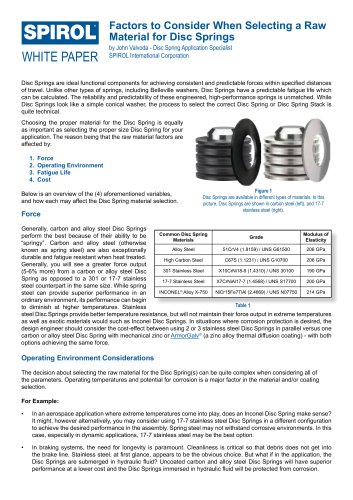

SPIROL Press-N-Lok™ Pins for Plastics
SPIROL Press-N-Lok™ Pins for Plastics
Catalog excerpts
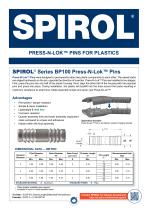
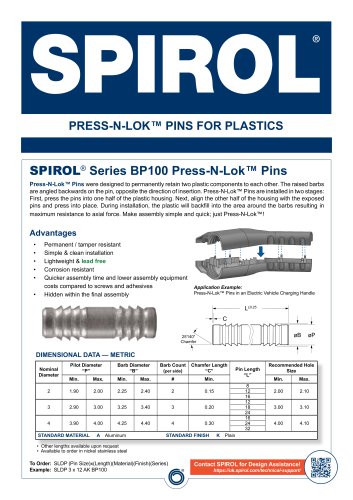
PRESS-N-LOK™ PINS FOR PLASTICSSPIROL® Series BP100 Press-N-Lok™ Pins Press-N-Lok™ Pins were designed to permanently retain two plastic components to each other. The raised barbs are angled backwards on the pin, opposite the direction of insertion. Press-N-Lok™ Pins are installed in two stages: First, press the pins into one half of the plastic housing. Next, align the other half of the housing with the exposed pins and press into place. During installation, the plastic will backfill into the area around the barbs resulting in maximum resistance to axial force. Make assembly simple and quick; just Press-N-Lok™! • Permanent / tamper resistant • Simple & clean installation • Lightweight & lead free • Corrosion resistant • Quicker assembly time and lower assembly equipment costs compared to screws and adhesives • Hidden within the final assembly STANDARD MATERIAL A Aluminum STANDARD FINISH K Plain • Other lengths available upon request • Available to order in nickel stainless steel To Order: SLDP (Pin Size)x(Length)(Material)(Finish)(Series) Example: SLDP 3 x 12 AK BP100 Contact SPIROL for Design Assistance!
Open the catalog to page 1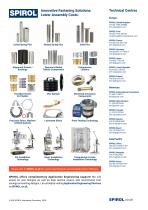
Innovative Fastening Solutions. Lower Assembly Costs. Technical Centres Europe SPIROL United Kingdom +44 (0) 1536 444800 [email protected] SPIROL Ford +44 (0) 1914 540141 [email protected] Coiled Spring Pins Slotted Spring Pins Solid Pins Alignment Dowels / Bushings Spacers & Rolled Tubular Components Compression Limiters Americas Disc Springs Threaded Inserts for Plastics Machined Aerospace Components Precision Shims, Washers & Metal Gaskets Laminated Shims Parts Feeding Technology Asia Pacific SPIROL China +86 (0) 21 5046-1451 [email protected] Insert Installation Technology Compression...
Open the catalog to page 2All SPIROL catalogs and technical brochures
 SPIROL Corporate Brochure
12 Pages
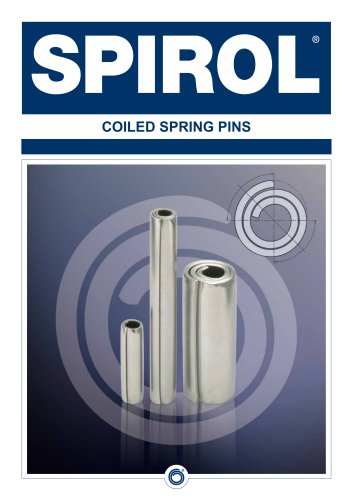 Coiled Spring Pins
24 Pages
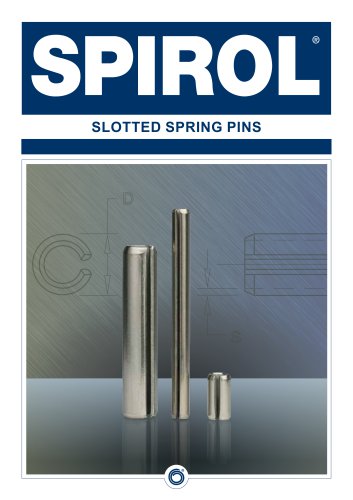 Slotted Spring Pins
16 Pages
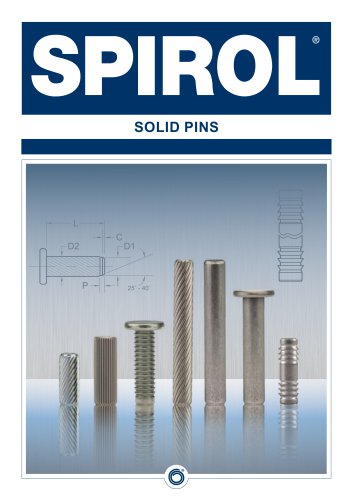 Solid Pins
12 Pages
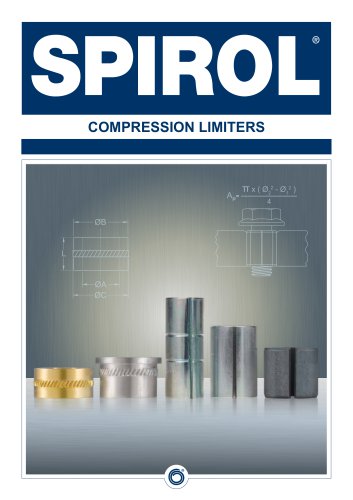 Compression Limiter Design Guide
20 Pages
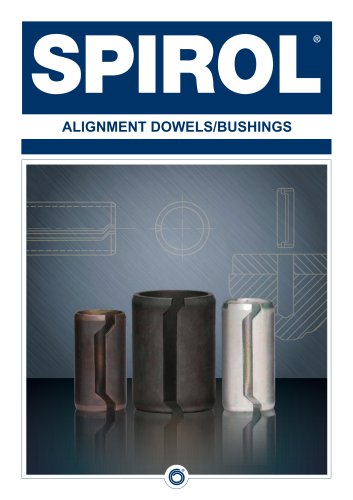 Alignment Dowels/Bushings
12 Pages
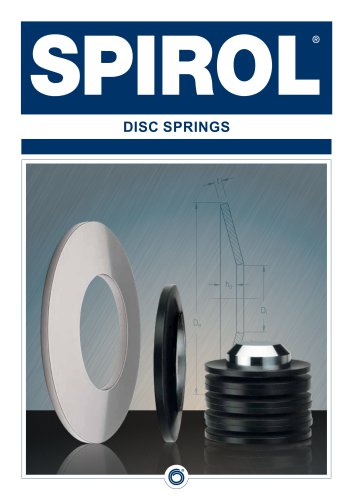 Disc Springs
20 Pages
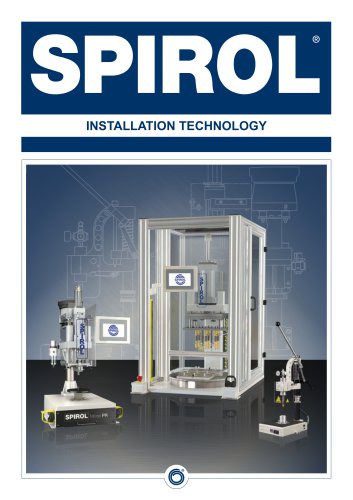 Installation Technology
8 Pages
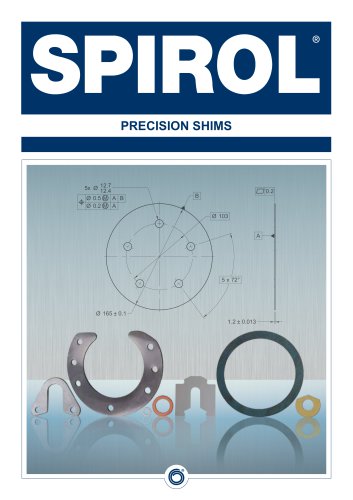 SPIROL Precision Shims
8 Pages
 Series 2000 Series 2000
4 Pages
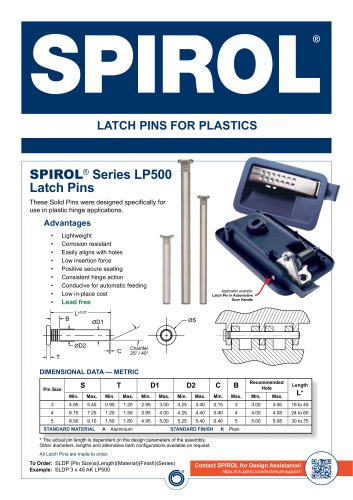 Latch Pins for Plastics
2 Pages
 Railroad Nuts - AAR Series
2 Pages
 Series RH600 Twist-Lok™ Pins
2 Pages
 Cosmestic Pins 550 series
2 Pages
 Medical Device Applications
2 Pages
 Aerospace Applications Flyer
2 Pages
 Tables Lift and Roll
2 Pages
 Tables Standard
2 Pages
 SPD, CXA, CXD, CXE CRD
2 Pages
 HC series HC series
2 Pages
 PH series PH series
2 Pages
 880 Series
2 Pages