- Catalogs
- Sketch CO., LTD.
- Super Glass Barrier


Super Glass Barrier
Super Glass Barrier
Catalog excerpts
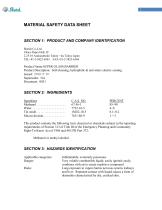
MATERIAL SAFETY DATA SHEETSECTION 1: PRODUCT AND COMPANY IDENTIFICATION Sketch Co.,Ltd. Chaco Paper Hall, 3F. 2-25-10 Asakusabashi Taitou—ku Tokyo Japan TEL+81-3-5825-6503 FAX+81-3-5825-6504 Product Name:SUPER GLASS BARRIER Product Description: Self-cleaning, hydrophilic & anti-static electric coating Issued: 2010-3-10 Supersedes: NA Document: 0031 This product contains the following toxic chemical or chemicals subject to the reporting requirements of Section 313 of Title III of the Emergency Planning and Community Right-To-Know Act of 1986 and 40 CFR Part 372: Methanol or methyl alcohol Applicable categories: Inflammable; extremely poisonous Danger: Very volatile combustible liquid; easily ignited; easily combines with air to create explosive compound Risks: Long exposure to vapors harms nervous system, kidneys and liver. Repeated contact with liquid causes a form of dermatitis characterized by dry, cracked skin.
Open the catalog to page 1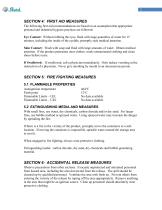
SECTION 4: FIRST AID MEASURES The following first aid recommendations are based on an assumption that appropriate personal and industrial hygiene practices are followed: Eye Contact: Without rubbing the eyes, flush with large quantities of water for 15 minutes, including the inside of the eyelids; promptly seek medical attention. Skin Contact: Wash with soap and flush with large amounts of water. Obtain medical attention. If the product permeates ones clothes, wash contaminated clothing and clean shoes before reuse. If Swallowed: If swallowed, call a physician immediately. Only induce vomiting...
Open the catalog to page 2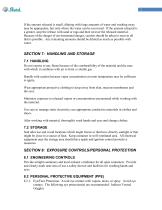
If the amount released is small, diluting with large amounts of water and washing away may be appropriate, but only where the water can be recovered. If the amount released is a greater, stop the release with sand or rags and then recover the released material. Because of the danger of environmental danger, caution should be taken to recover all that is possible. Any remaining amounts should be diluted as much as possible with water. SECTION 7: HANDLING AND STORAGE 7.1 HANDLING Do not expose to any flame because of the combustibility of the material and the ease with which it combines with air...
Open the catalog to page 3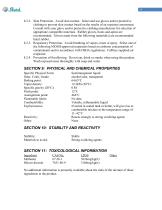
8.2.2. Skin Protection. Avoid skin contact. Select and use gloves and/or protective clothing to prevent skin contact based on the results of an exposure assessment. Consult with your glove and/or protective clothing manufacturer for selection of appropriate compatible materials. Rubber gloves, boots and apron are recommended. Gloves made from the following material(s) are recommended: butyl rubber. 8.2.3. Respiratory Protection. Avoid breathing of vapors, mists or spray. Select one of the following NIOSH approved respirators based on airborne concentration of contaminants and in accordance with...
Open the catalog to page 4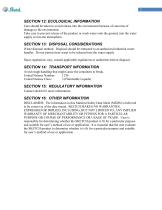
SECTION 12: ECOLOGICAL INFORMATION Care should be taken to avoid release into the environment because of concerns of damage to the environment. Take care to prevent release of the product or wash water onto the ground, into the water supply or into the atmosphere. SECTION 13: DISPOSAL CONSIDERATIONS Waste disposal method. Disposal should be entrusted to an authorized industrial waste handler. Do not permit rinse water to be released into the water supply. Since regulations vary, consult applicable regulations or authorities before disposal. SECTION 14: TRANSPORT INFORMATION Avoid rough handling...
Open the catalog to page 5All Sketch CO., LTD. catalogs and technical brochures
 IRUV CUT COAT
7 Pages
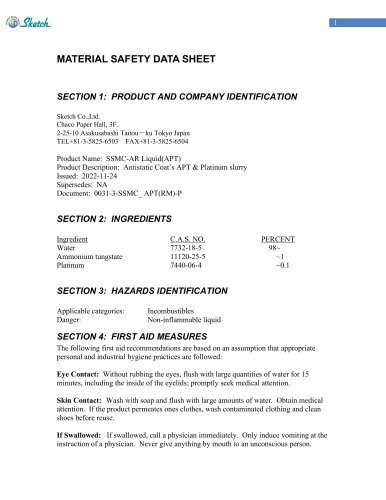 (EN_MSDS)SSMC-AR Liquid(APT)
4 Pages
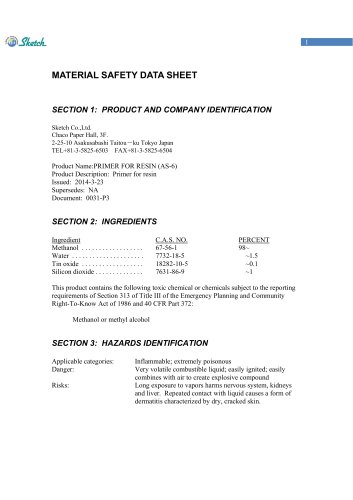 ・Primer for resin
5 Pages
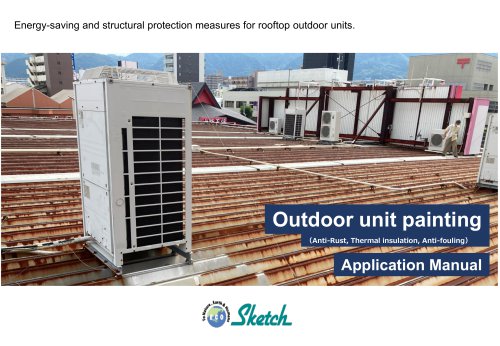 Outdoor unit painting
15 Pages
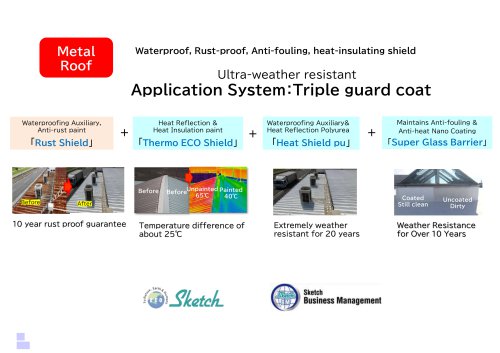 Triple Guard Coat
11 Pages
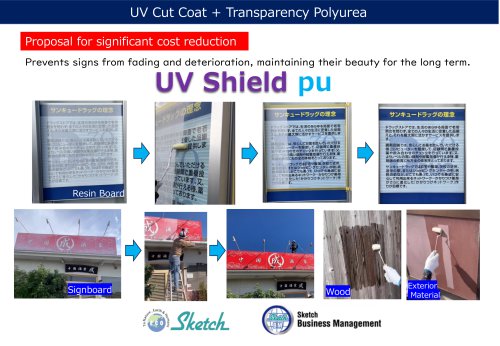 UV Shield
4 Pages
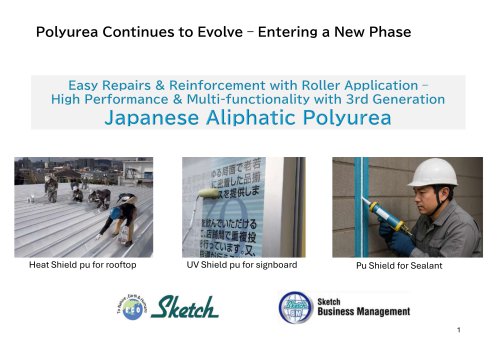 Aliphatic Polyurea Product2025
13 Pages
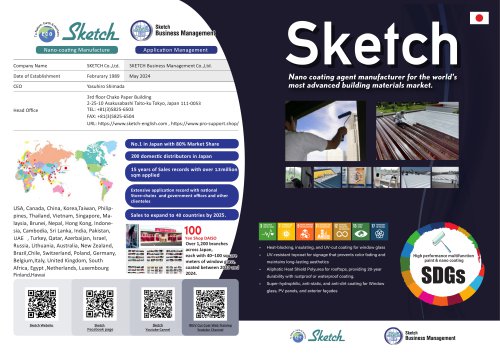 Sketch New Brochure2025
2 Pages
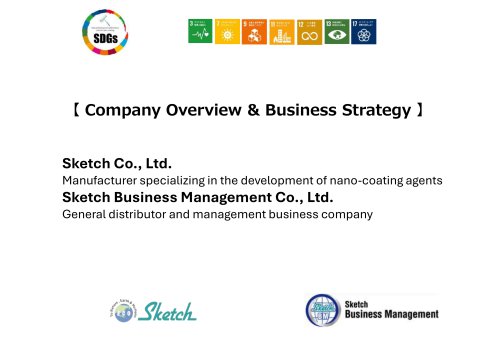 Sketch Company profile
15 Pages