
- Catalogs
- Shimadzu France
- Shim-pack ™ SUR-Na Columns


Shim-pack ™ SUR-Na Columns
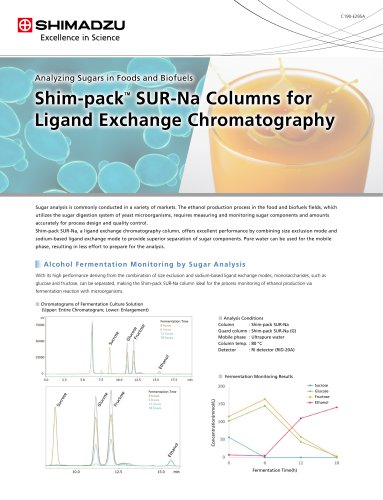
Shim-pack ™ SUR-Na Columns
The document discusses the Shim-pack SUR-Na columns designed for ligand exchange chromatography, specifically for analyzing sugars in foods and biofuels. These columns are crucial for monitoring sugar components in ethanol production processes.
Specifications
The Shim-pack SUR-Na column combines size exclusion and sodium-based ligand exchange modes, allowing for superior separation of sugar components. It uses pure water as the mobile phase, simplifying preparation.
Applications
The column is ideal for process monitoring in ethanol production via fermentation, effectively separating monosaccharides like glucose and fructose.
Analysis Conditions
- Column: Shim-pack SUR-Na
- Guard column: Shim-pack SUR-Na (G)
- Mobile phase: Ultrapure water
- Column temperature: 80 °C
- Detector: RI detector (RID-20A)
Performance
The column provides excellent separation performance for monosaccharides, sugar alcohols, and some oligosaccharides. It supports a simple HPLC setup due to the use of pure water as the mobile phase.
Product Lineup
- Shim-pack SUR-Na: 250 mm x 7.8 mm I.D. (Analytical column)
- Shim-pack SUR-Na (G): 50 mm x 7.8 mm I.D. (Guard column)
Refractive Index Detector
The RID-20A detector features a unique temperature control function for stable baselines, minimizing the impact of room temperature fluctuations.
Conclusion
The Shim-pack SUR-Na column offers a high-performance solution for sugar analysis in ethanol production, with a simple setup and reliable results.
Catalog excerpts
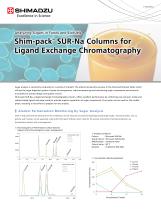
Analyzing Sugars in Foods and Biofuels Shim-pack™ SUR-Na Columns for Ligand Exchange Chromatography Sugar analysis is commonly conducted in a variety of markets. The ethanol production process in the food and biofuels fields, which utilizes the sugar digestion system of yeast microorganisms, requires measuring and monitoring sugar components and amounts accurately for process design and quality control. Shim-pack SUR-Na, a ligand exchange chromatography column, offers excellent performance by combining size exclusion mode and sodium-based ligand exchange mode to provide superior separation of sugar components. Pure water can be used for the mobile phase, resulting in less effort to prepare for the analysis. Alcohol Fermentation Monitor i n g b y S u g a r An a l y si s With its high performance deriving from the combination of size exclusion and sodium-based ligand exchange modes, monosaccharides, such as glucose and fructose, can be separated, making the Shim-pack SUR-Na column ideal for the process monitoring of ethanol production via fermentation reaction with microorganisms. Analysis Conditions Column : Shim-pack SUR-Na Guard column : Shim-pack SUR-Na (G) Mobile phase : Ultrapure water Column temp. : 80 °C : RI detector (RID-20A) Detector Fermentation Time 0 hours 6 hours 12 hours 18 hours Chromatograms of Fermentation Culture Solution (Upper: Entire Chromatogram; Lower: Enlargement) Sucrose Glucose Fructose Ethanol Fermentation Time 0 hours 6 hours 12 hours 18 hours Fermentation Monitoring Results Fermentation Time(h)
Open the catalog to page 1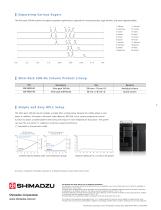
The Shim-pack SUR-Na column has superior separation performance, especially for monosaccharides, sugar alcohols, and some oligosaccharides. Simple and Easy HPLC Setup The Shim-pack SUR-Na column enables a simple HPLC configuration because the mobile phase is pure water. In addition, Shimadzu's refractive index detector, RID-20A, has a unique temperature control function to obtain a stable baseline eliminating the impact of room temperature fluctuation. The system can start the run earlier (*), leading to maximum analytical efficiency. (*) compared to the previous model Excellent baseline stability...
Open the catalog to page 2All Shimadzu France catalogs and technical brochures
 LCMS-2050
16 Pages
 MCT Series
12 Pages
 TX/TXB/TW Series
8 Pages
 LCMS-TQ RX Series
16 Pages
 UV-2600i Plus /UV-2700i Plus
20 Pages
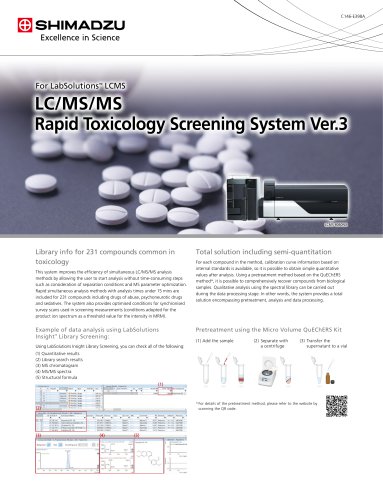 LC/MS/MS
2 Pages
 AUTOGRAPH AGX-V2 Series
28 Pages
 Metabolomics Product Portfolio
24 Pages
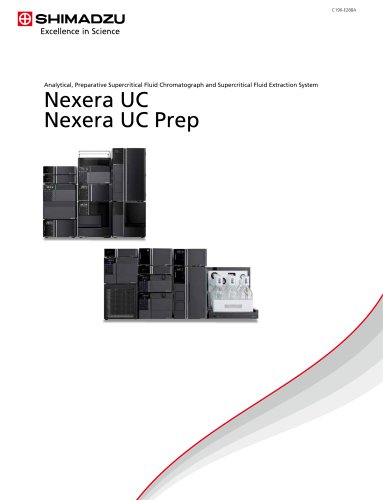 Nexera UC/Nexera UC Prep
20 Pages
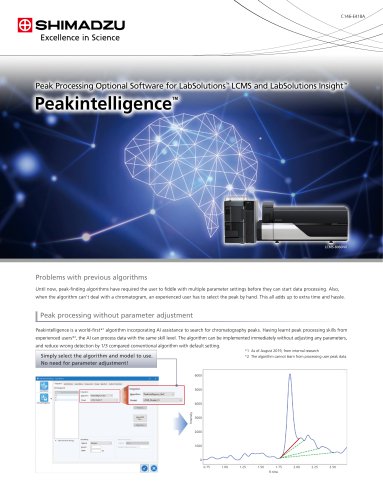 Peakintelligence
2 Pages
 Servo Controller 4830
12 Pages
 LabSolutions Sync
2 Pages
 LabSolutions Detect
8 Pages
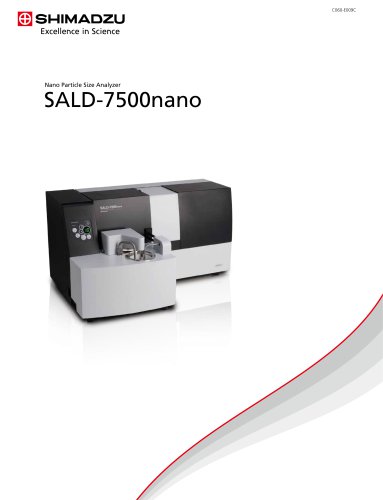 SALD-7500nano
16 Pages
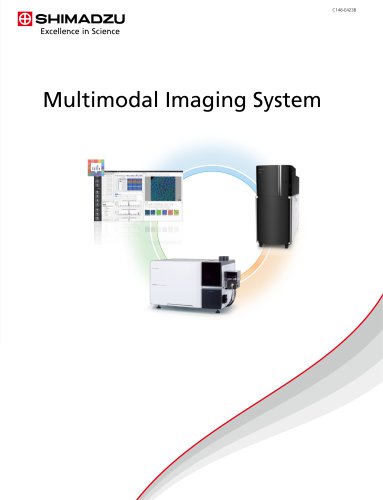 Multimodal Imaging System
4 Pages
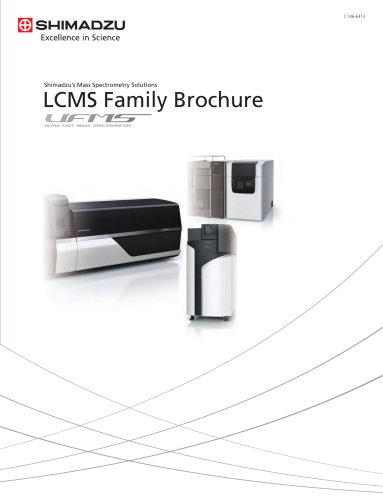 LCMS Family Brochure
12 Pages
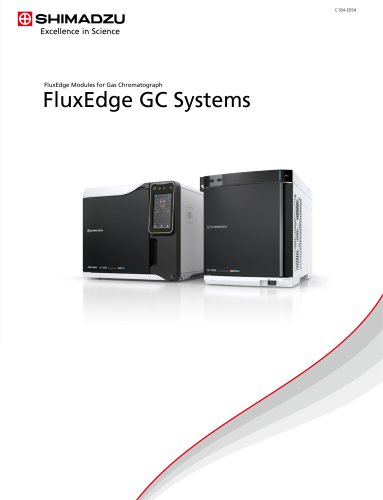 FluxEdge GC Systems
8 Pages
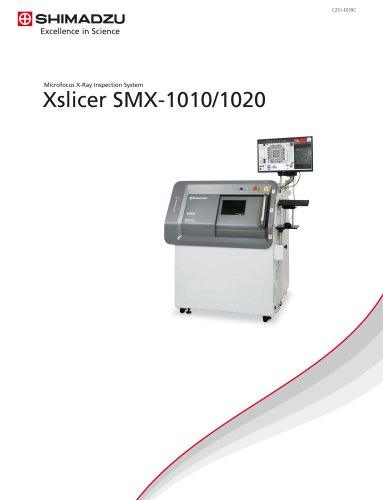 Xslicer SMX-1010/1020
16 Pages
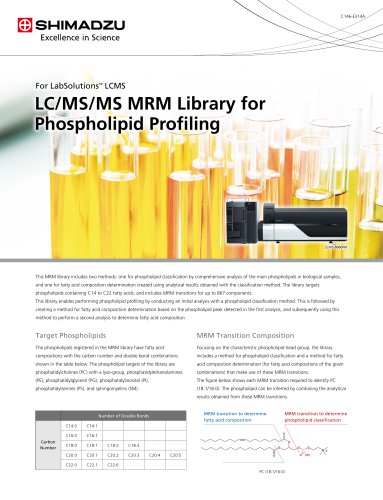 LC/MS/MS MRM
2 Pages
 LC/MS/MS
2 Pages
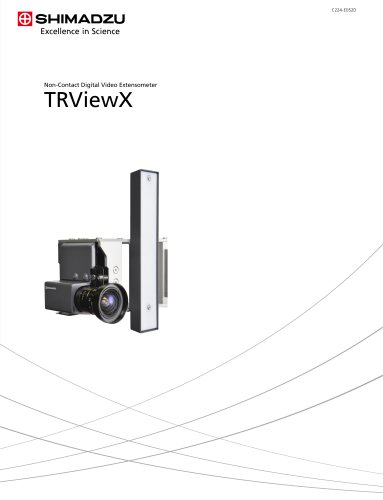 TRViewX
8 Pages
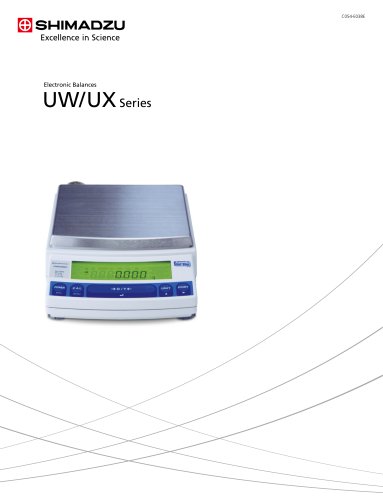 UW/UX Series
4 Pages
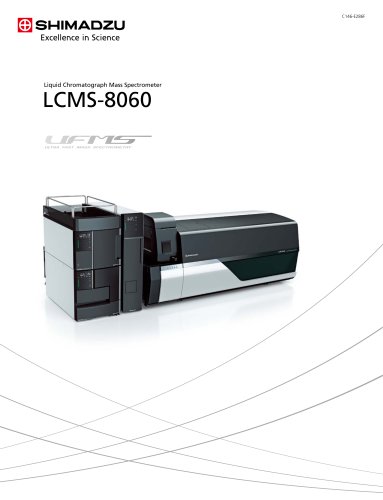 LCMS-8060
20 Pages
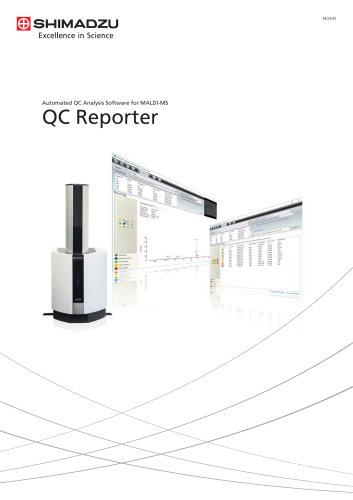 QC Reporter
6 Pages
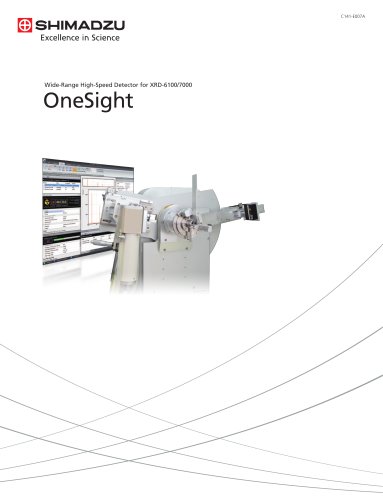 OneSight
4 Pages
 TD-30 Series
12 Pages
 Nexis GC-2030
20 Pages
 ATX/ATY series
4 Pages
 MOC63u
6 Pages
 UHPLC Nexera X2
20 Pages
 TOC-L
TOC-L16 Pages
 RF-6000
24 Pages
 iMScope Trio
28 Pages
 ICPE-9800 series
20 Pages
 UV-3600 Plus
26 Pages
 EDX-7000/8000
24 Pages
 Capillary GC-2010 Plus
24 Pages
 GCMS QP2010 Ultra
24 Pages
 LCMS-IT-TOF
16 Pages
 Headspace Sampler HS-20
8 Pages
 BW-K/BX-K Series
2 Pages
 Catalog MOC 120H
4 Pages
 ELB SERIES
2 Pages
 TW TWC SERIES
8 Pages
 AUW-D/AUW/AUX/AUY Series
8 Pages
 Catalog UW-Series
6 Pages
 Catalog AU-Series
8 Pages
 MDGC-2010 system
1 Page


Archived catalogs
 TOC-4110
1 Page
 Catalogue HMV-2 Series
8 Pages
 Shimadzu FTIR Overview
4 Pages
 Shimadzu Software Overview
8 Pages
 Shimadzu GC/GCMS Overview
6 Pages
 Shimadzu LC/LCMS Overview
12 Pages
 Shimadzu X-ray Fluorescence
2 Pages


- Shimadzu testing machine
- Digital imager
- Visible imager
- Test cabinet
- CMOS camera module
- Industrial camera module
- Concentration analyzer
- Management software solution
- Monitoring analyzer
- Shimadzu analysis software
- Infrared imager
- Automatic analyser
- Real-time software
- Microscope
- Shimadzu automatic testing machine
- Shimadzu material testing machine
- Temperature test chamber
- Indentation hardness tester
- Solids analyser
- Shimadzu spectrometer