
- Catalogs
- Shanghai Danmajet Digital Tech Co.,Ltd
- Tags Friction Feeding&PIJ Digital Printing&Inspection System


Tags Friction Feeding&PIJ Digital Printing&Inspection System
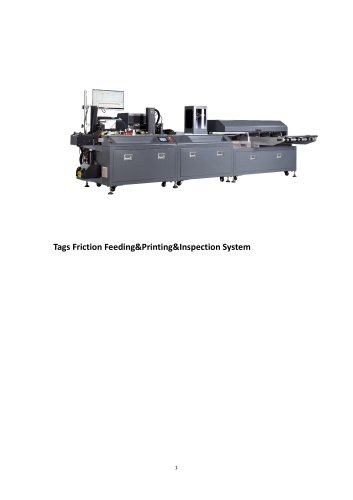
Tags Friction Feeding&PIJ Digital Printing&Inspection System
The document discusses advancements in anti-counterfeiting technologies within the printing and packaging industry, emphasizing the need for improved printing techniques for items like bills, drug packaging, and labels. It highlights the importance of digital anti-counterfeiting, which involves assigning unique identities to products during the printing process.
System Overview
The single UV inkjet code verification and removal system addresses variable information printing challenges. It is applicable in pharmaceutical packaging, bill printing, and label printing, capable of printing variable barcodes, numbers, strings, and images, along with visual inspection capabilities.
Technical Specifications
- Equipment Size: 3600mm x 1620mm x 1500mm
- Weight: Approximately 800KG
- Power Usage: AC220V/3KW
- Conveyor Belt: Negative pressure type
- Air Pressure: 0.5MPA
- Suitable Material: Flat single sheet paper card
- Paper Card Size: Thickness 0.15-3MM, Max Width 150MM
- Max Operating Speed: 0-80 meters per minute
Inkjet Printer Specifications
- Nozzle: Ricoh G5
- Max Printing Size: Width 54mm
- Resolution: 600 dpi
- Ink Supply: Central ink supply system
- Interfaces: Serial port, Ethernet, electric eye, encoder, print nozzle
- Sensors: Supports multiple external sensors
- Operating System: Windows 10
- Printing Objects: Dynamic text, counter, date, dynamic barcode, static text, image
- Barcode Types: EAN28, Code25, Code39, Code93, Code128, GS1Databar, QR codes (PDF417, DataMatrix, MaxiCode, QR Code)
Maintenance and Safety Procedures
- Clear debris before startup, especially near moving parts.
- Operators must be trained, particularly in safety.
- Designate one person to start the machine; others should not start it.
- Ensure no one is near moving parts before starting.
- Press emergency stop if abnormalities occur.
- Notify non-operators before adjustments or testing.
- Ensure a safe environment before powering on.
- Press emergency stop during disassembly or cleaning.
- Turn off main power for long-term maintenance and display warning signs.
- Do not dismantle or alter machine parts without permission.
- Manually check moving parts for obstacles after maintenance.
- Turn off and lock power when leaving the work area.
- Only trained personnel should operate the machine.
Catalog excerpts
Tags Friction Feeding&Printing&Inspection System
Open the catalog to page 1
With the development and progress of society, various anti-counterfeiting technologies have also developed rapidly, which has put forward higher requirements for the printing and packaging industry, especially for printing industries such as bills, drug packaging, and labels, which need to make sufficient efforts in printing technology. For example, anti-counterfeiting labels for many electronic products, wine packaging boxes, drug packaging boxes, invoices, etc. Digital anti-counterfeiting is the systematic management of databases, giving each ticket, card, product label, and even packaging...
Open the catalog to page 2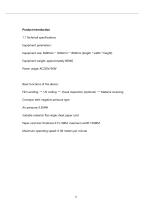
Product Introduction 1.1 Technical specifications Equipment parameters: Equipment size: 3600mm * 1620mm * 1500mm (length * width * height) Equipment weight: approximately 800KG Power usage: AC220V/3KW Basic functions of the device: Film sending → UV coding → Visual inspection (optional) → Material receiving Conveyor belt: negative pressure type Air pressure: 0.5MPA Suitable material: flat single sheet paper card Paper card size: thickness 0.15-3MM, maximum width 150MM Maximum operating speed: 0-80 meters per minute
Open the catalog to page 3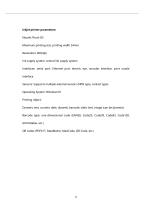
Inkjet printer parameters: Nozzle: Ricoh G5 Maximum printing size: printing width 54mm Resolution: 600/dpi Ink supply system: central ink supply system Interfaces: serial port, Ethernet port, electric eye, encoder interface, print nozzle interface Sensors: Supports multiple external sensors (NPN type, contact type) Operating System: Windows10 Printing object: Dynamic text, counter, date, dynamic barcode, static text, image (can be dynamic) Barcode type: one-dimensional code (EAN28, Code25, Code39, Code93, Code128, GS1Databar, etc.) QR codes (PDF417, DataMatrix, MaxiCode, QR Code, etc.)
Open the catalog to page 4
Maintenance and upkeep of equipment 1. Before starting up, all debris on the machine should be cleared, especially near moving parts, and tools should not be placed Items such as rags. 2. Operators must undergo training (especially safety training) before they can take up their posts. When there is more than one operator of the machine, it should be stipulated that one person is responsible for starting the machine, and the rest of the personnel are not allowed to start it. Before starting the machine, the operator should observe whether there is anyone approaching the moving parts of the machine....
Open the catalog to page 6
5. Unless necessary and with sufficient protective measures, no part of the body or object is allowed to come into contact with the moving parts of the machine. 6. Non operators must be notified in advance if they want to intervene in the adjustment, debugging, or testing operations of the machine. 7. Before turning on the power switch and powering it back on, it is necessary to ensure that the surrounding environment (including personnel, equipment, and transmission components) is in a safe state, otherwise the power cannot be turned on!! When disassembling or cleaning the machine, the emergency...
Open the catalog to page 7
10. Without permission, it is not allowed to dismantle or change the parts on the machine, especially the safety protection parts, and the safety signs should be protected during operation. When it is necessary to restart after maintenance, in addition to cleaning the site, the moving parts should be manually turned or operated to see if there are any obstacles. When all operators leave the work area where the machine is located, the power should be turned off and locked to prevent unauthorized personnel from turning on the machine. Untrained and unqualified personnel are not allowed to operate...
Open the catalog to page 8All Shanghai Danmajet Digital Tech Co.,Ltd catalogs and technical brochures
 MT-200 labeler
10 Pages









- Cutting system
- Automatic cut-off machine
- Cutting machine for industrial applications
- Knife cutting system
- Packing machine
- Marking machine
- Automatic packaging machine
- Solids separator
- Fixed reel
- Laser marking machine
- Inspection system
- Printing machine
- Label printer
- Industrial printer
- Automatic inspection system
- Automatic marking workstation
- Industrial marking machine
- Process separator
- Plastic marking machine
- Metal reel