


RCS® Remote Control Systems
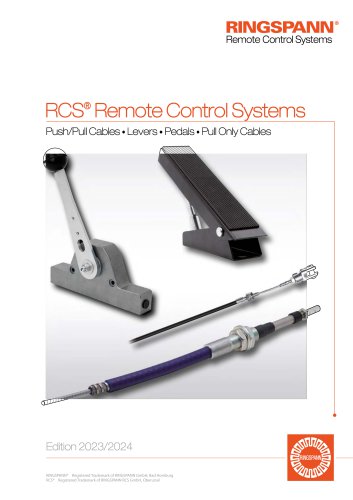
RCS® Remote Control Systems
This document outlines the specifications and guidelines for RCS® Remote Control Systems, focusing on components such as push/pull cables, levers, pedals, and pull-only cables. It includes technical specifications, assembly instructions, and safety regulations.
- Setup and Description: These cables feature a flat wire-reinforced inner member within a conduit, designed for low friction and permanent lubrication. They come in various thread sizes and seal types.
- Overview: Different cable series are detailed, each with specific characteristics like bend radius and temperature range. Series 383/384, 283/284, 275/274, and 775/774 are noted for their efficiency.
- Selection of Cable Sizes: Cable sizes are based on maximum travel, bend radii, and push/pull forces, with diagrams illustrating applicable forces.
- Connection Types: End part configurations include swiveled bulkhead, clamp, and rigid screw end fittings, each suited for specific applications.
- Specifications for control levers and accessories, including friction controls and order keys for integration with push/pull cables, are provided.
- Design and accessories for throttle and brake pedal systems are detailed, including cable end designs and technical features of brake levers.
- Setup and end parts for pull-only cables are described, emphasizing their use in specific applications without special requirements.
- Stresses the importance of not exceeding design parameters, maintaining cable integrity, and replacing worn or damaged cables.
- Highlights health and safety considerations, particularly regarding materials used in cable construction.
- Guidelines for connecting cables to levers and other components to ensure proper installation and function are provided.
Push/pull cables are designed for linear movement applications, requiring accurate alignment. Swiveled endings allow for an arc from the centerline of ±8°.
Proper installation and layout are crucial. Cables must be securely anchored to prevent movement or twisting under load, with clamps placed at one-meter intervals.
Cable series include 383/384, 283/284, 275/274, 775/774. Selection depends on operating forces, connection threads, and bend radii. Connection types include T, G, S, or R, with wiper seals in sizes 05, 10, or 20.
Accessories include eye ends, clevises with snap lock pins, and ball joints. Control cables come in types like non-locking, twist lock, micro-adjust, and spring-loaded.
Control levers like the 16RFA7.2 and SH 58.5 offer sensitive regulation with friction control. The FH 22.1 friction lever is versatile with adjustable friction and stroke limitation.
Details a plastic handle for a hand brake lever designed for RINGSPANN brake calipers, featuring a pressure pin with a spring mechanism for brake pad wear compensation.
Key components include a clevis, an electric switch with maximum travel, and an adjustment head ball lock.
Adheres to standards like DIN 6784 and ISO 128, with tolerances for dimensions ranging from ±0.1 to ±4.
Designed for specific applications, with various end parts available upon request for flexible transmission of pull force and travel.
Overview of RINGSPANN's offerings, including backstops, freewheels, clutches, brakes, clamping units, and accessories.
Details on precision clamping fixtures and shaft-hub connections like shrink discs and cone clamping elements.
Lists RINGSPANN's global offices with contact information for each region.
Catalog excerpts

Remote Control Systems Push/Pull Cables • Levers • Pedals • Pull Only Cables RINGSPANN® Registered Trademark of RINGSPANN GmbH, Bad Homburg RCS® Registered Trademark of RINGSPANN RCS GmbH, Oberursel
Open the catalog to page 1
RINGSRANIM* RCS® Remote Control Systems issue 10/2023 - We reserve the right to make technical modifications.
Open the catalog to page 2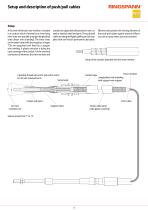
Setup and description of push/pull cables Setup A flat wire-reinforced inner member is located in a conduit, which is formed by an inner-lying inner tube and specially arranged longitudinal wires (linear wire stranding). The linear wires on the other hand (with the exception of types 770) are supported and fixed by a support wire winding. A plastic extrusion is doing the outer coverage of the conduit. For the universal connection of elements, the inner member and conduit are supported with pressed on zinc-coated or stainless steel end parts. The push/pull cables are designed lightly gliding and...
Open the catalog to page 3
Cable sizes upon requ
Open the catalog to page 5
Our cable series are offered in five sizes. In the travel, which can be combined with three dif- of the cables are possible in order to create a standard version, three end part configurations ferent seals. A multitude of additional possibili- solution that fits to the respective application. are designed. There are six different types of ties for configuration and variation in the setup • Series 383 with zinc-coated end parts and stainless steel rod ends • Series 384 with stainless steel end parts • PTFE-covered inner member • Highly efficient without stick-slip effect • Remarkably small bend...
Open the catalog to page 6
Series 275 and 274 • Series 275 with zinc-coated end parts and stainless steel rod ends • Series 274 with stainless steel end parts • Inner member stainless steel reinforced • Highly efficient • Remarkably small bend radii • Extremely smooth • High travel frequencies • Colour: blue • High temperature range from -50 °C to +90 °C (constant) and short term up to +110 °C • Series 775 with zinc-coated end parts and stainless steel rod ends • Series 774 with stainless steel end parts • Attractive pricing • Highly efficient • For applications without special requirements • Colour: black • High temperature...
Open the catalog to page 7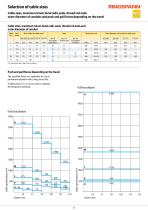
Selection of cable sizesCable sizes, maximum travel, bend radii, seals, thread rod ends, _Fj£^outer diameter of conduits and push and pull forces depending on the travelCable sizes, maximum travel, bend radii, seals, thread rod ends and outer diameter of conduit Cable * for connection type S and R only on request The specified forces are applicable for use in permanent operation with a long service life. A safety factor of 1.5 can be used to calculate the temporary overloads. Pull forces diagram Push forces diagram
Open the catalog to page 8
RINGSPANN* Efficiencies The efficiency of a push/pull cable (the relation of the required cable operating force to a given output force) is particularly influenced by the number of bends laid in the cable. The cable operating force can be calculated in accordance with the following formula: Operating force = Output force x Efficiency factor a is the sum of all cable bends in degrees. In addition to the cable bends, the cable length is to be taken into consideration with 15° for every 1 meter. Example of efficiency factor Cable series Cable size Cable length Sum of bends alpha Efficiency factor...
Open the catalog to page 9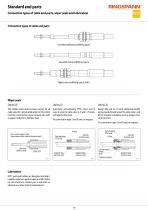
Standard end parts Connection types of cable end parts, wiper seals and lubrication Connection types of cable end parts Swiveled bulkhead endfitting type T Swiveled clamp endfitting type G Rigid screw endfitting type S and R Wiper seals Seal no. 05 The rubber wiper seal has been proven for all cable sizes for normal applications in the entire machine construction. Upon request also with a support tube from stainless steel. Automatic self-adjusting PTFE wiper seal in case of wear for cable sizes U, V and L. Protects well against fine dust. Design like seal no. 10 with additional double spring-loaded...
Open the catalog to page 10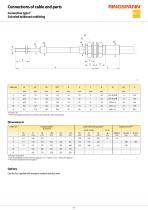
** Rod end completely moved out (see from page 22), TL (1) = variant 1, TL (2) = variant 2 (see page 25) *** Rod end in mid position (see from page 32) Can also be supplied with end parts made of stainless steel.
Open the catalog to page 11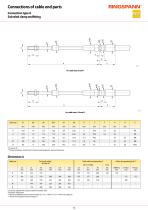
Can also be supplied with end parts made from stainless steel. ** Rod end completely moved out (see from page 22), TL (1) = variant 1, TL (2) = variant 2 (see page 25) *** Rod end in mid position (see from page 32)
Open the catalog to page 12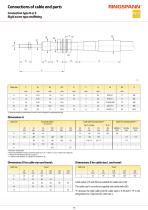
** Rod end completely moved out (see from page 22), TL (1) = variant 1, TL (2) = variant 2 (see page 25) *** Rod end in mid position (see from page 32) **** only for hand operation TL and MA, not available for NL Dimensions E for cable size L and travel: Dimensions D for cable size and travel: Cable size Cable size Cable series 275 and 283 are available for cable sizes U-M. The cable size H can only be supplied with cable series 283. "S" denotes the rigid cable ends for cable sizes U, V, M and H. "R" is the designation for a rigid end for cable size L.
Open the catalog to page 13
• Do not install push/pull cables in any applications, which may exceed the design parameters of the cable. • Do not remove seals! RCS® cables cannot be disassembled! • RCS® push/pull cables are designed and lubricated for optimum performance and life; under no circumstances should you re-lubricate or attempt any other kind of maintenance. • Cables that have moisture inside or are frozen should be replaced. Do not apply heat to remove moisture. • Protect cables from physical damage such as bending, crushing, heavy vibration and from contamination such as moisture, dirt or chemicals. Do not paint...
Open the catalog to page 14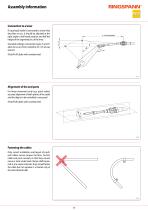
Assembly information Connection to a lever If a push/pull cable is connected to a lever that describes an arc, it should be adjusted at the right angle to half travel position and half the height of the segmental arc of the lever. Swiveled endings (connection types G and T) allow for an arc from centerline of ± 8° all way around. (Push/Pull Cables with swiveled end) Alignment of the end parts For linear movement only (e.g. spool valves) accurate alignment of both planes of the cable and the object to be controlled is necessary! (Push/Pull Cables with swiveled end) Fastening the cables Only correct...
Open the catalog to page 15All RINGSPANN catalogs and technical brochures
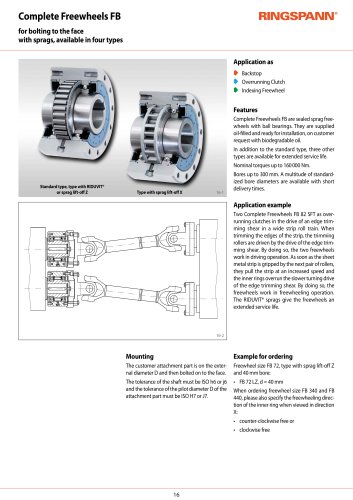 FB Series EN
2 Pages
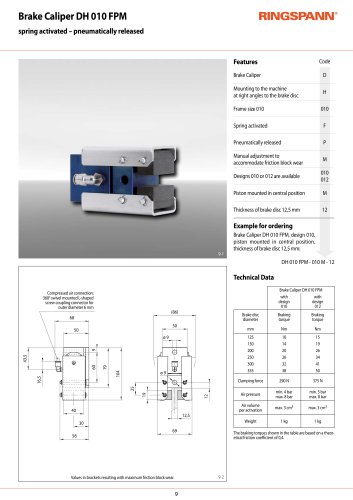 DH 010 FPM
1 Page
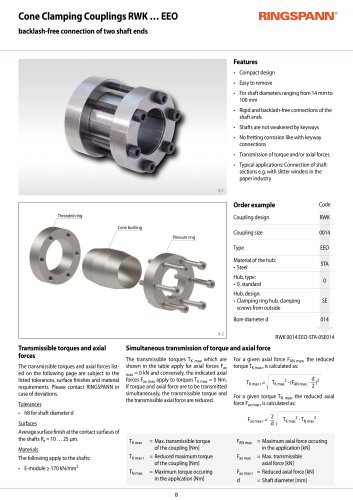 Datasheet RWK … EEO
2 Pages
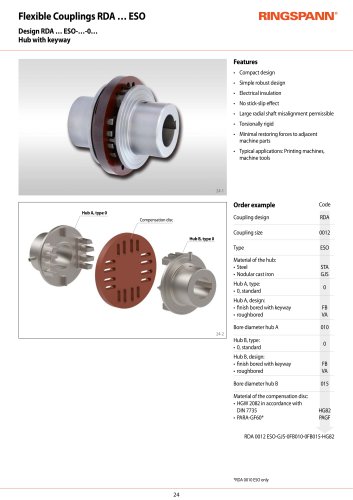 Datasheet RDA … ESO
2 Pages
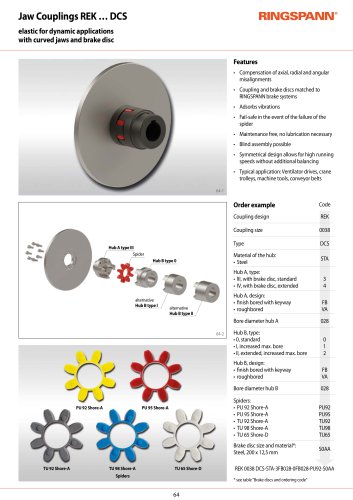 Datasheet REK … DCS
5 Pages
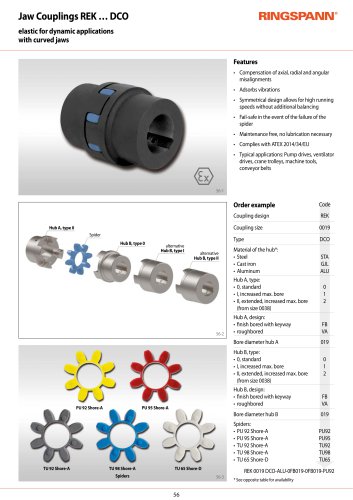 Datasheet REK … DCO
8 Pages
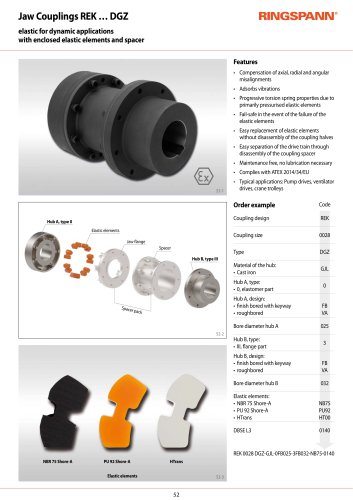 Datasheet REK … DGZ
4 Pages
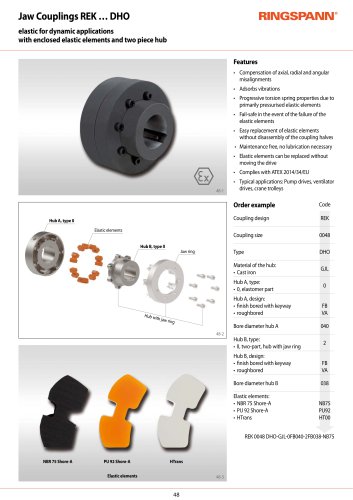 Datasheet REK … DHO
4 Pages
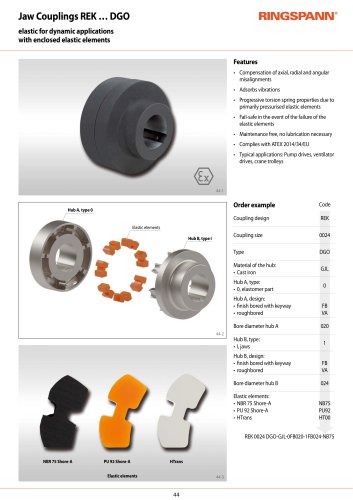 Datasheet REK … DGO
4 Pages
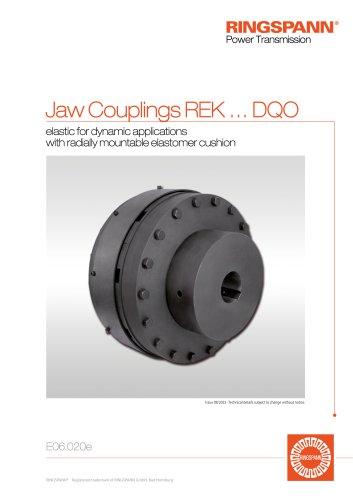 Datasheet REK … DQO
6 Pages
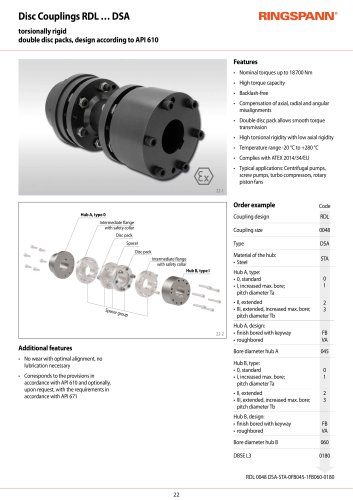 Datasheet RDL … DSA
2 Pages
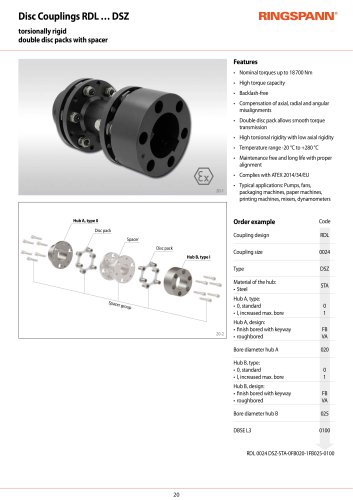 Datasheet RDL … DSZ
2 Pages
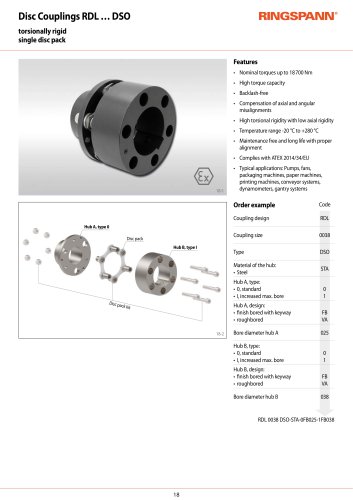 Datasheet RDL … DSO
2 Pages
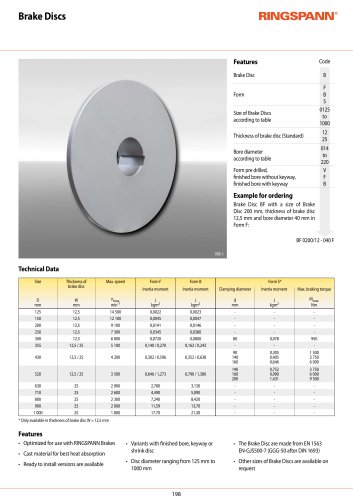 Datasheet Brake Discs
4 Pages
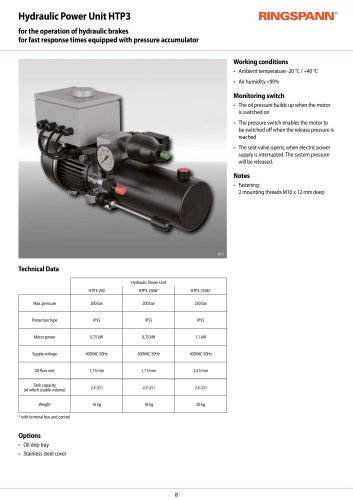 Datasheet HTP3
2 Pages
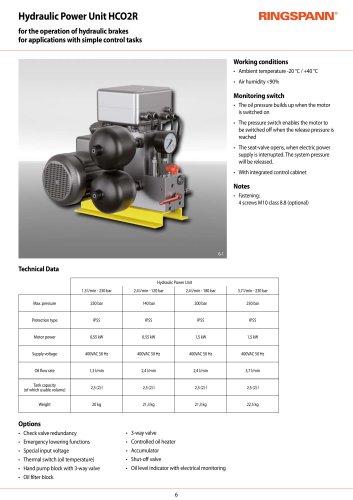 Datasheet HCO2R
2 Pages
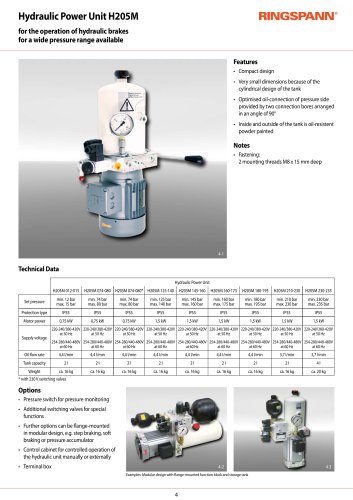 Datasheet H205M
2 Pages
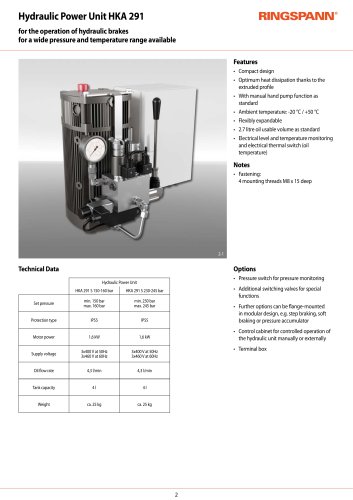 Datasheet HKA 291
2 Pages
 Datasheet BCS 600
4 Pages
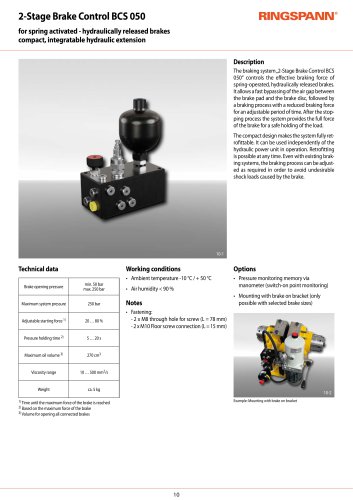 Datasheet BCS 050
2 Pages
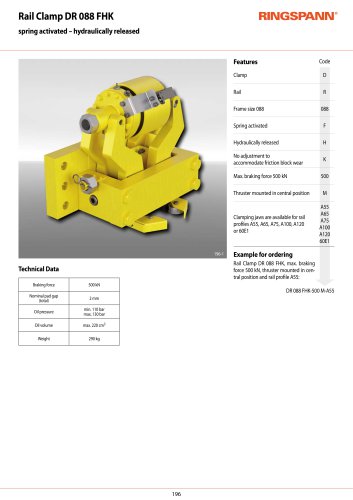 Datasheet DR 088 FHK
2 Pages
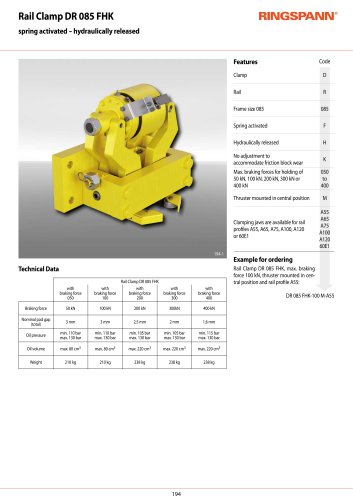 Datasheet DR 085 FHK
2 Pages
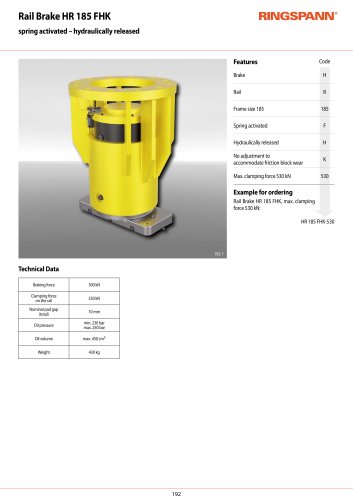 Datasheet HR 185 FHK
2 Pages
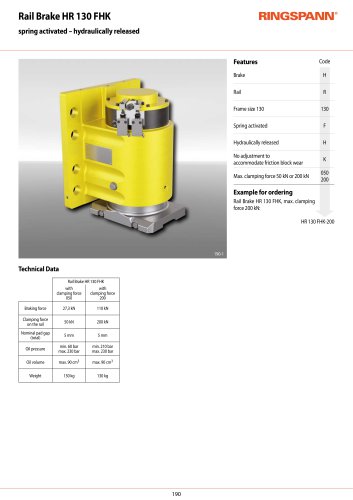 HR 130 FHK
2 Pages
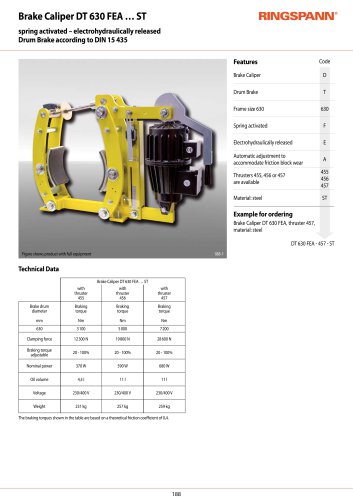 Datasheet DT 630 FEA … ST
2 Pages
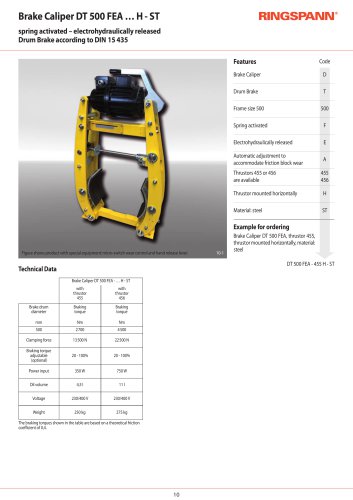 Datasheet DT 500 FEA H-ST
2 Pages
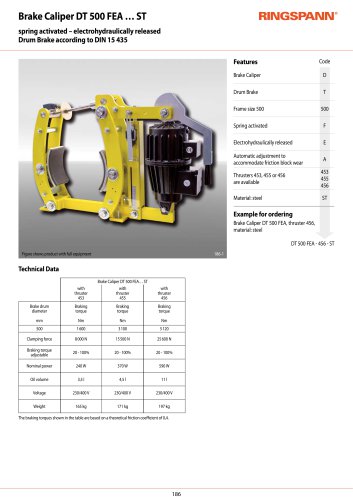 Datasheet DT 500 FEA … ST
2 Pages
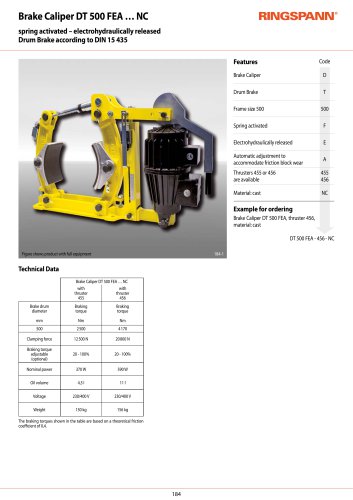 Datasheet DT 500 FEA … NC
2 Pages
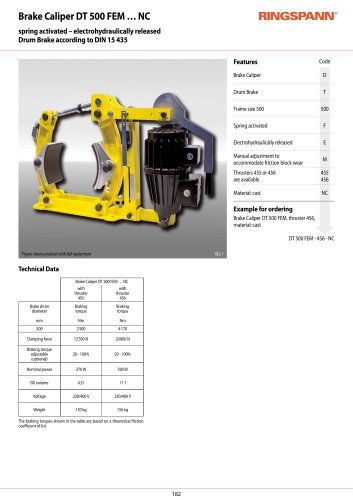 Datasheet DT 500 FEM … NC
2 Pages
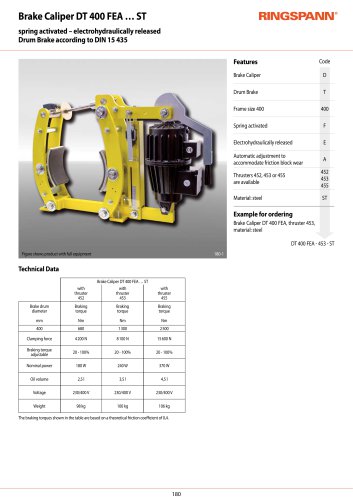 Datasheet DT 400 FEA … ST
2 Pages
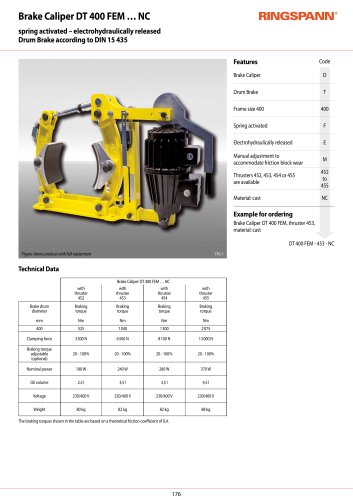 Datasheet DT 400 FEA … NC
2 Pages
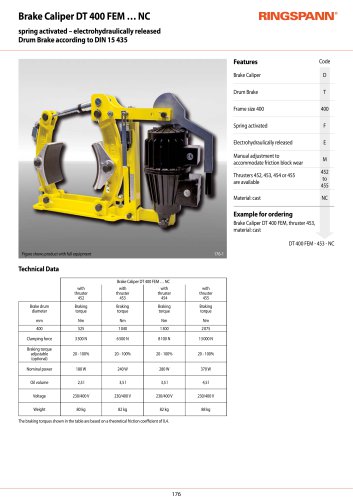 Datasheet DT 400 FEM … NC
2 Pages
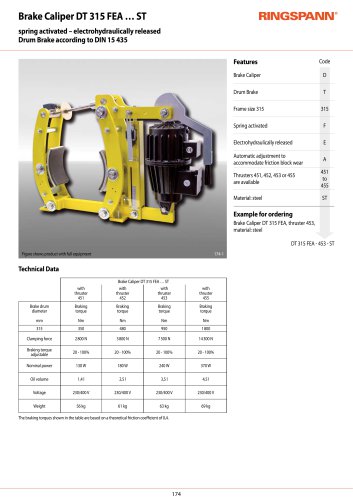 Datasheet DT 315 FEA … ST
2 Pages
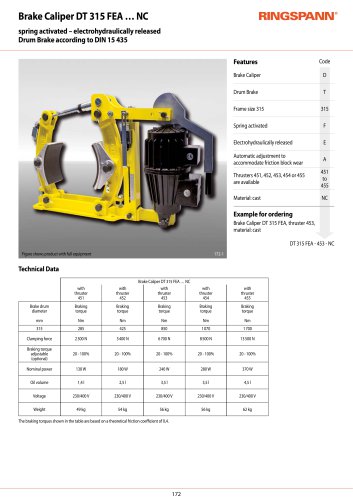 Datasheet DT 315 FEA … NC
2 Pages
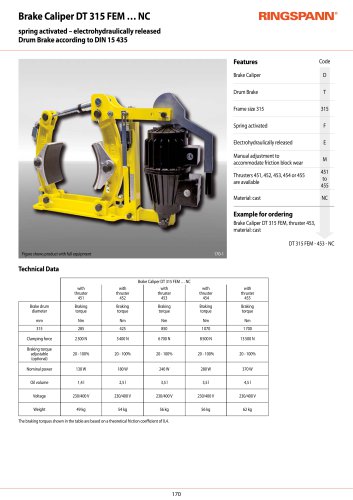 Datasheet DT 315 FEM … NC
2 Pages
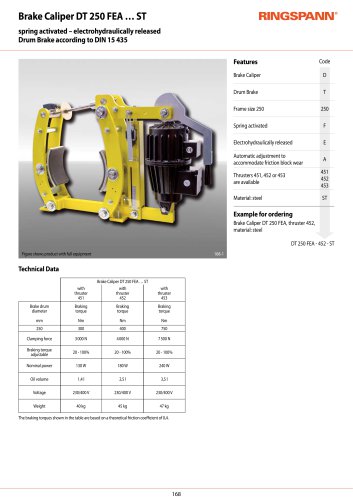 Datasheet DT 250 FEA … ST
2 Pages
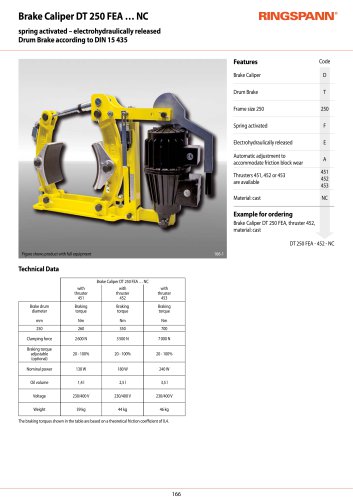 Datasheet DT 250 FEA … NC
2 Pages
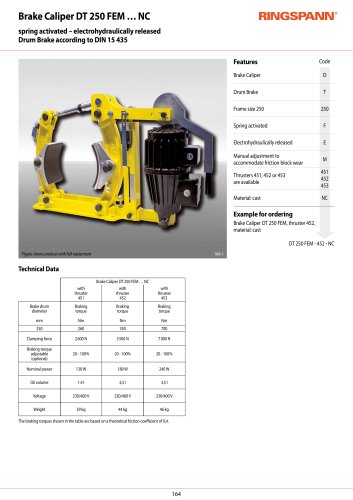 Datasheet DT 250 FEM … NC
2 Pages
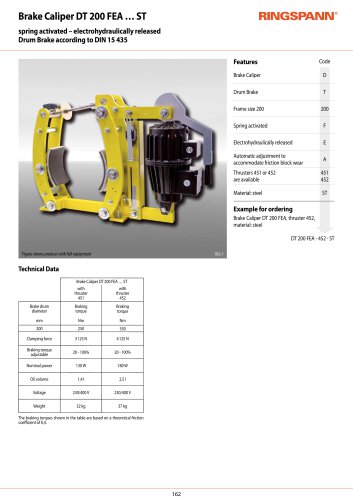 Datasheet DT 200 FEA … ST
2 Pages
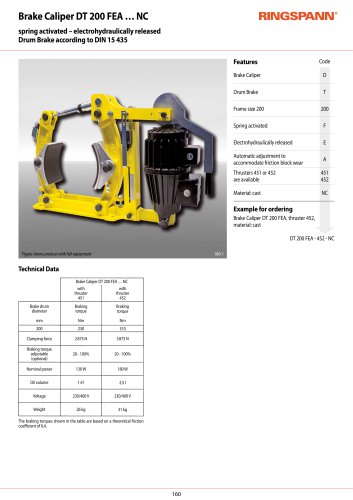 Datasheet DT 200 FEA … NC
2 Pages
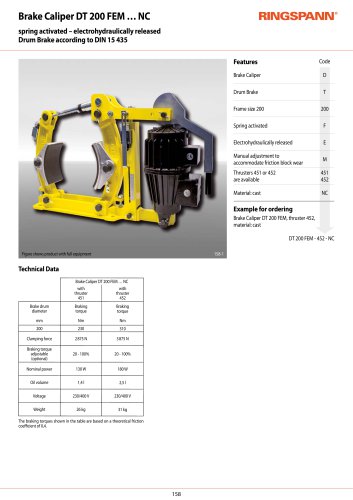 Datasheet DT 200 FEM … NC
2 Pages
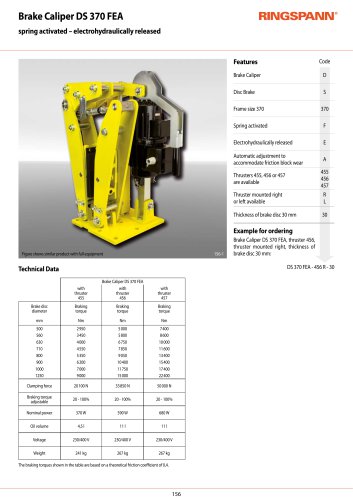 Datasheet DS 370 FEA
2 Pages
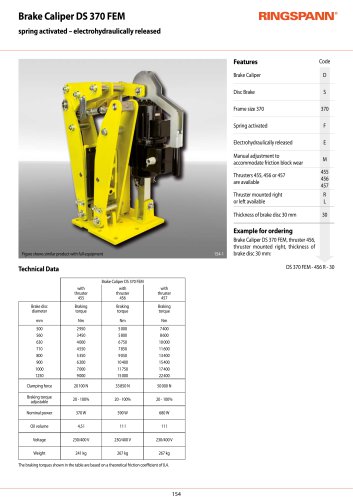 Datasheet DS 370 FEM
2 Pages
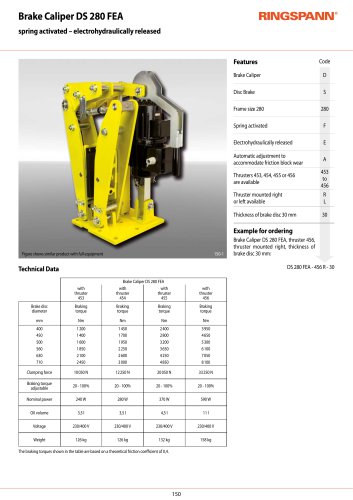 Datasheet DS 280 FEA
2 Pages
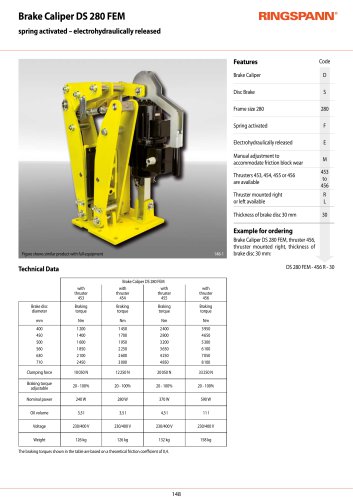 Datasheet DS 280 FEM
2 Pages
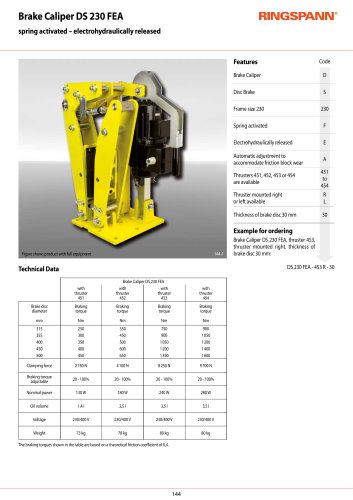 Datasheet DS 230 FEA
2 Pages
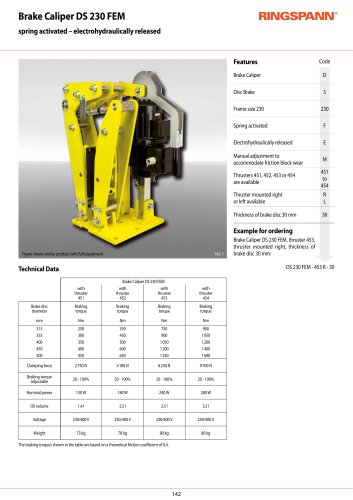 Datasheet DS 230 FEM
2 Pages
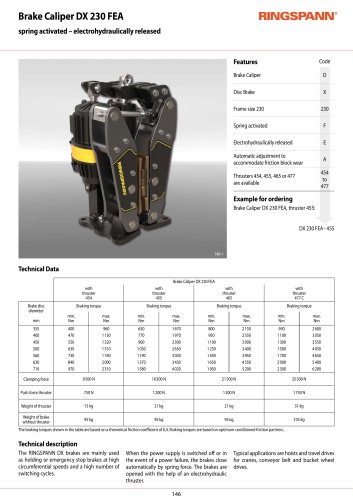 Datasheet DX 230 FEA
2 Pages
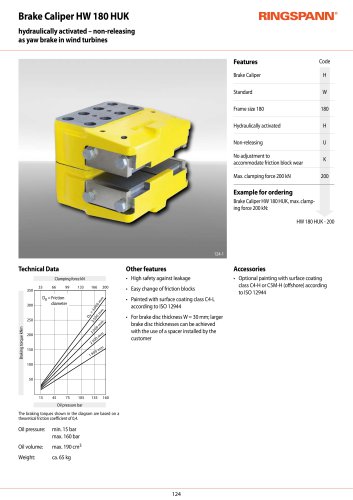 Datasheet HW 180 HUK
2 Pages
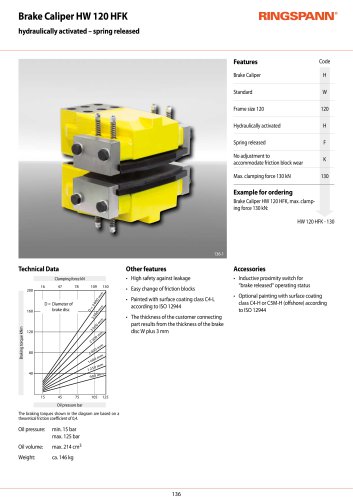 Datasheet HW 120 HFK
2 Pages
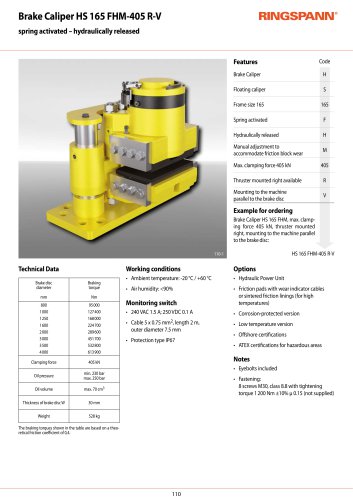 Datasheet HS 165 FHM-405 R-V
2 Pages
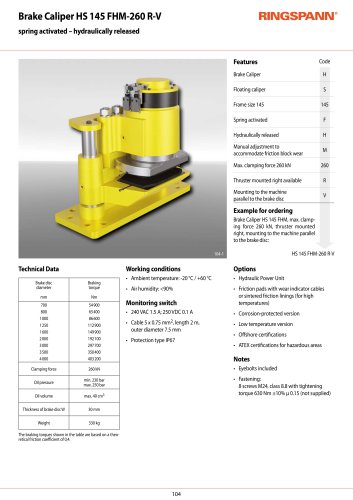 Datasheet HS 145 FHM-260 R-V
2 Pages
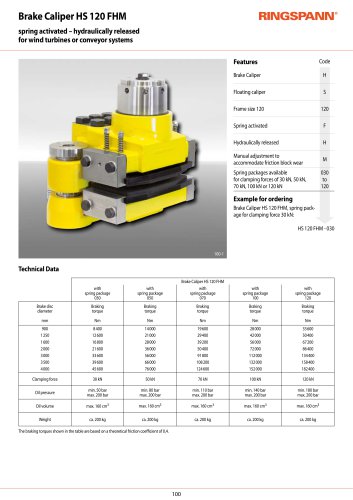 Datasheet HS 120 FHM
2 Pages
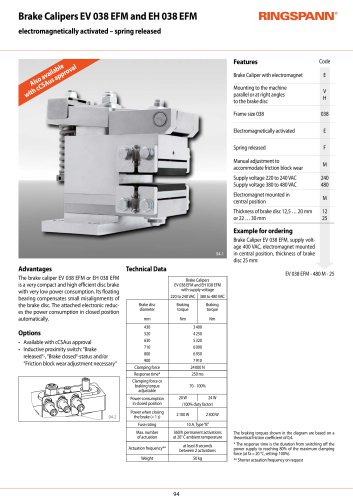 Datasheet EH 038 EFM
2 Pages
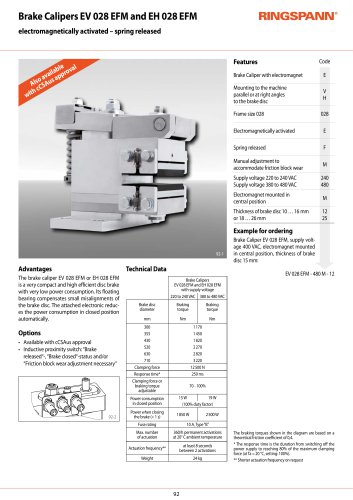 Datasheet EH 028 EFM
2 Pages
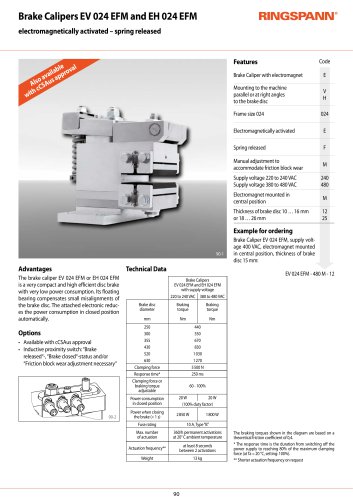 Datasheet EH 024 EFM
2 Pages
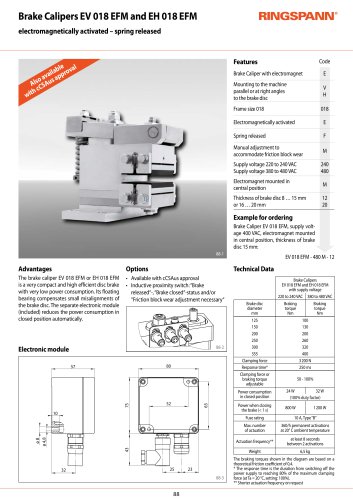 Datasheet EH 018 EFM
2 Pages
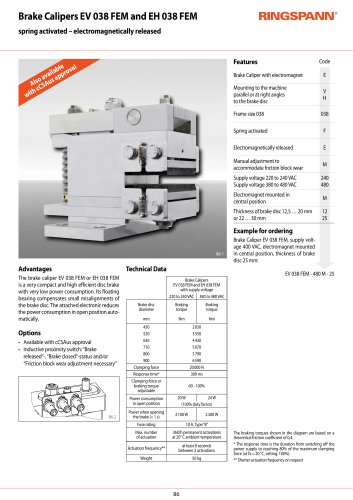 Datasheet EH 038 FEM
2 Pages
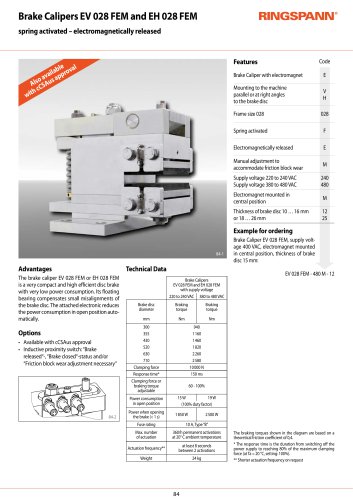 Datasheet EH 028 FEM
2 Pages
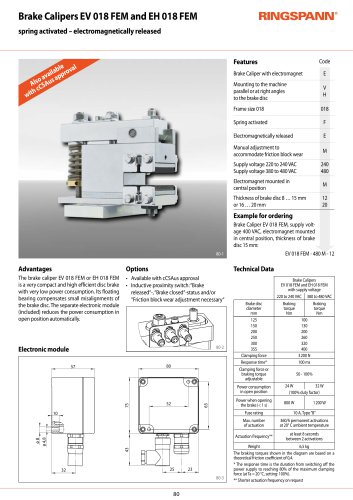 Datasheet EH 018 FEM
2 Pages
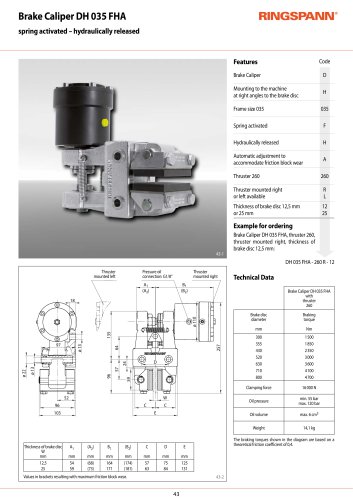 Datasheet DH 035 FHA
1 Page
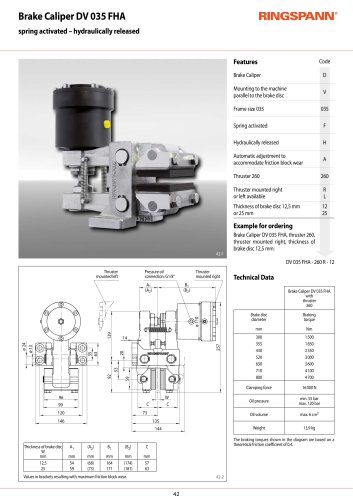 Datasheet DV 035 FHA
1 Page
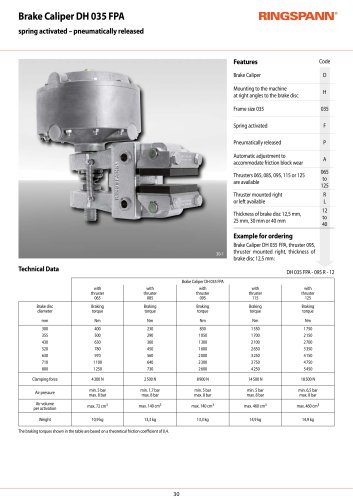 Datasheet DH 035 FPA
2 Pages
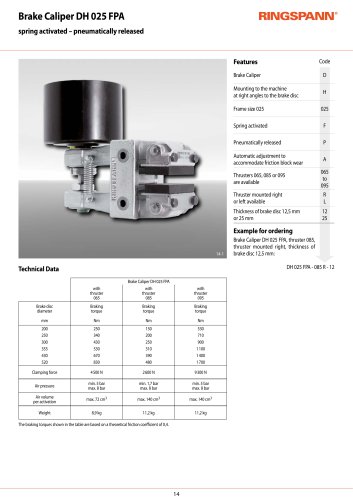 Datasheet DH 025 FPA
2 Pages
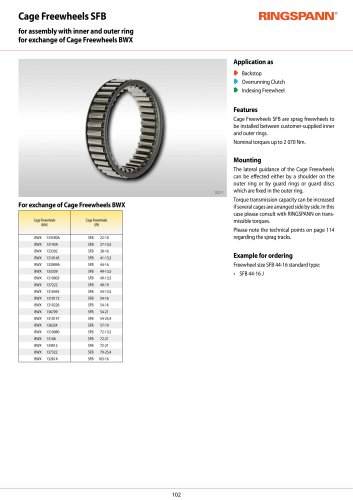 Datasheet SFB
2 Pages
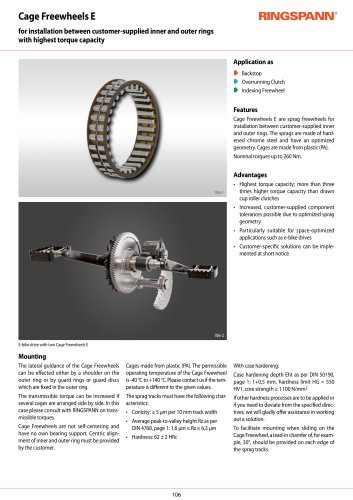 Datasheet E
2 Pages
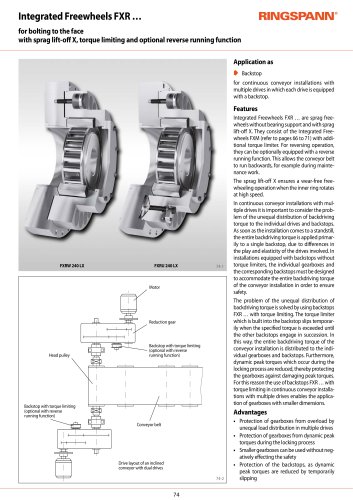 Datasheet FXRU
3 Pages
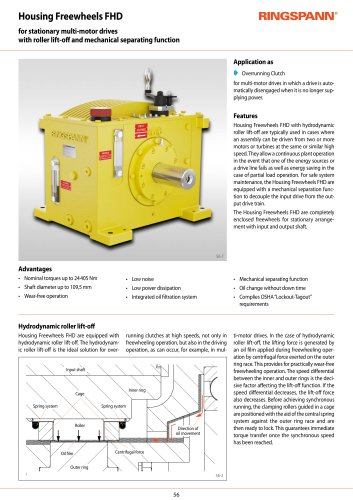 Datasheet FHD
4 Pages
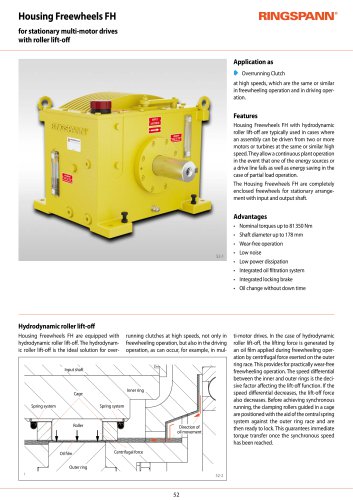 Datasheet FH
4 Pages
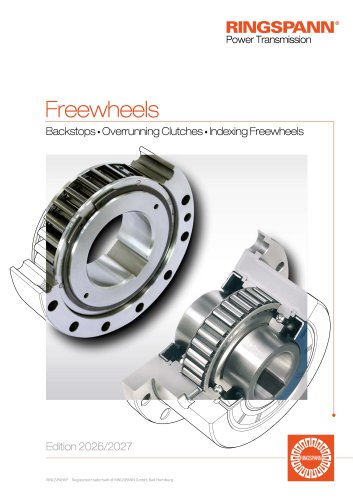 Freewheels_2025-2026
124 Pages
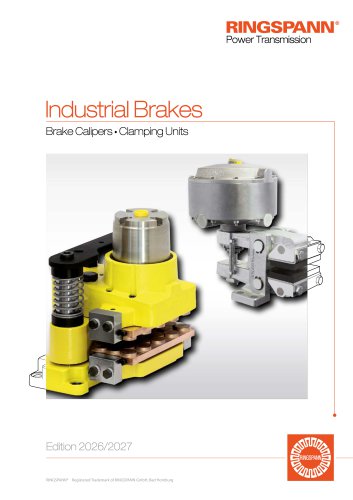 Industrial Brakes_2025-2026
220 Pages
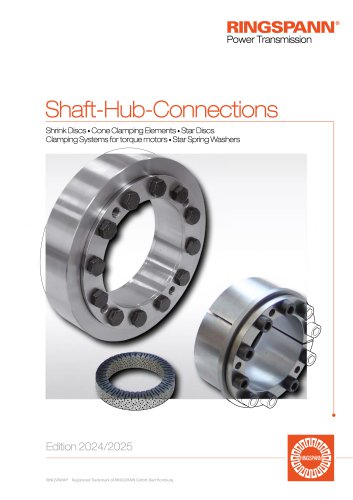 Shaft-Hub-Connections 2024/2025
100 Pages
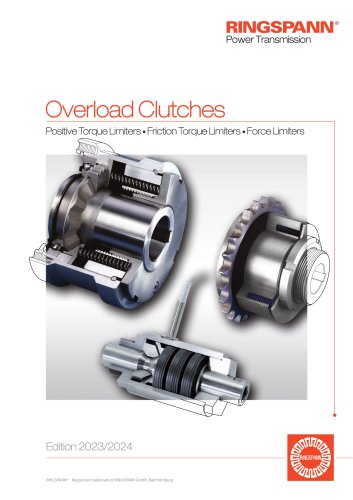 Overload Clutches 2023/2024
80 Pages
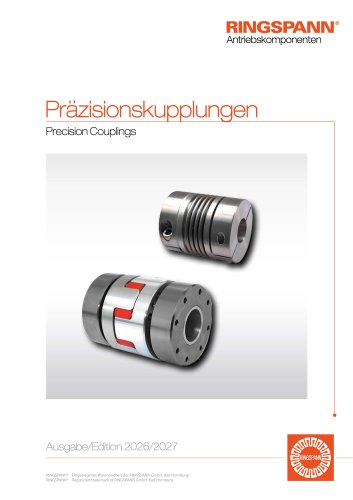 Precision Couplings 2026/2027
60 Pages
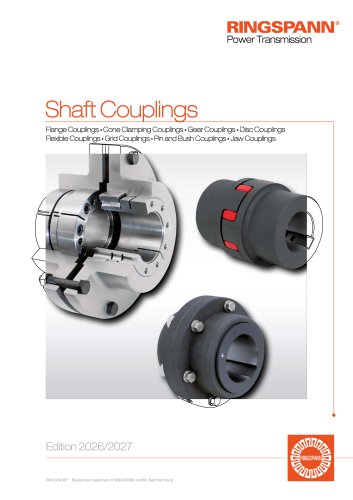 Shaft Couplings 2026/2027
80 Pages
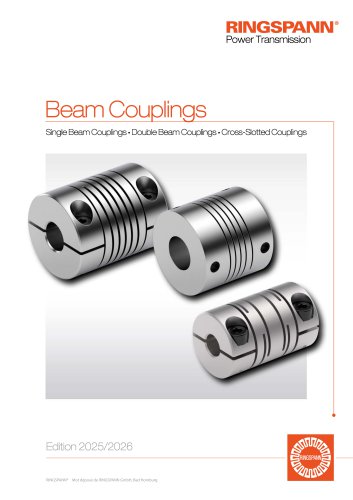 Beam Couplings
26 Pages
 Company brochure
7 Pages
 Your benefit in Harbour Cranes
15 Pages
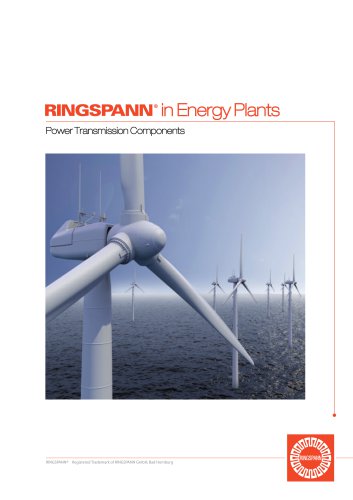 RINGSPANN in Energy Plants
7 Pages
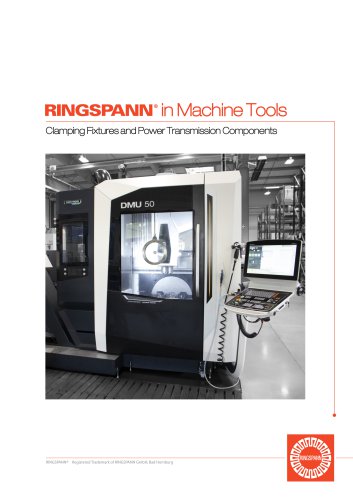 RINGSPANN in Machine tools
7 Pages
 MV 033 FEM
8 Pages
 DH 035 FPM / FPA
2 Pages
 DV 020 FHM
1 Page
 DH 020 FHM
1 Page
 DV 030 FHM
1 Page
 DH 030 FHM
1 Page
 DV 030 FHA
1 Page
 DH 030 FHA
1 Page
 DV 035 FHM / FHA
1 Page
 DH 035 FHM / FHA
1 Page
 DU 060 FHM
2 Pages
 DH 020 FKM
1 Page
 DH 005 PFK
1 Page
 DV 020 FKM
1 Page
 DH 010 PFK
1 Page
 DH 015 PFK
1 Page
 DH 020 PFK
1 Page
 DV 030 PFM
2 Pages
 DH 030 PFM
2 Pages
 DV 035 PFM
2 Pages
 DH 035 PFM
2 Pages
 DU 060 PFM
2 Pages
 DH 010 MSM
1 Page
 DV 020 MSM
1 Page
 DH 020 MSM
1 Page
 DV 020 MKM
1 Page
 DH 020 MKM
1 Page
 HW 075 FHM
2 Pages
 HS 075 HFK
2 Pages
 DV 020 FEM
1 Page
 DV 020 PFK
1 Page
 BCS 600
4 Pages
 DS
DS2 Pages
 DU 060 FPM
2 Pages
 HW 075 HFK
2 Pages
 HS 120 HFK
2 Pages
 KE … FPK series
2 Pages
 RLK 603 S
4 Pages
 RLK 603 K
3 Pages
 RLK 608 series
3 Pages
 RLK 606 series
3 Pages
 RLK 110 series
2 Pages
 RLK 110 K series
2 Pages
 RLK 130 series
2 Pages
 RLK 131 series
2 Pages
 RLK 132 series
2 Pages
 RLK 133 series
2 Pages
 RLK 200 series
2 Pages
 RLK 250 series
2 Pages
 RLK 603 series
4 Pages
 HW 100 HFA
2 Pages
 HI 150 HUK, HI 180 HUK
2 Pages
 FN series
2 Pages
 HW 150 HFA / HW 180 HFA
2 Pages
 DT
DT2 Pages
 HW 063 HFA
1 Page
 RLK 250 L series
2 Pages
 RLK 350 series
2 Pages
 RLK 402 series
2 Pages
 RLK 404 series
2 Pages
 FD series
2 Pages
 RLK 300 series
4 Pages
 Trantorque Mini
2 Pages
 Trantorque OE
2 Pages
 SIKUMAT® SC
6 Pages
 SIKUMAT® SG
6 Pages
 SIKUMAT® ST
6 Pages
 SIKUMAT® SN
6 Pages
 SIKUMAT® SA
6 Pages
 SIKUMAT® SU
6 Pages
 SIKUMAT® SR
6 Pages
 SIKUMAT® SB
6 Pages
 SIKUMAT® SL
6 Pages
 RIMOSTAT® RS
4 Pages
 RSHD series
2 Pages
 RT
RT2 Pages
 PA series
4 Pages
 RFK … TBO series
2 Pages
 RDZ … DTO Series
2 Pages
 RDZ … DFO Series
2 Pages
 RDZ … EEO Series
4 Pages
 REB … DCO Series
4 Pages
 HDDS series
2 Pages
 LAFF series
2 Pages
 BKFF series
2 Pages
 HKFF series
2 Pages
 KFFF series
2 Pages
 LBDF series
2 Pages
 BKDF series
2 Pages
 HKDF series
2 Pages
 KFDF series
2 Pages
 BKDI series
2 Pages
 SKDZ series
2 Pages
 Pull Only Cables
8 Pages
 DV 035 FPM / FPA
2 Pages
 DH 030 FPA
2 Pages
 DV 030 FPA
2 Pages
 DH 030 FPM
2 Pages
 DV 030 FPM
2 Pages
 DH 020 FPM
1 Page
 DH 012 FEM
1 Page
 IR series
2 Pages
 SF … P series
2 Pages
 FNR series
2 Pages
 FSN series
2 Pages
 FRHN
FRHN2 Pages
 FDN series
2 Pages
 FCN … R series
2 Pages
 FXN series
4 Pages
 FGR … R series
2 Pages
 FRHD series
2 Pages
 FBL series
2 Pages
 FBE series
2 Pages
 FAV series
2 Pages
 FA series
2 Pages
 FGR … R A2A3 series
2 Pages
 FGR … R A3A4 series
2 Pages
 BC series
2 Pages
 BA series
2 Pages
 FGRN R A5A6 series
2 Pages
 BM series
2 Pages
 FGR R A2A7 series
2 Pages
 FGR R A1A2 series
2 Pages
 FBF series
2 Pages
 FR series
2 Pages
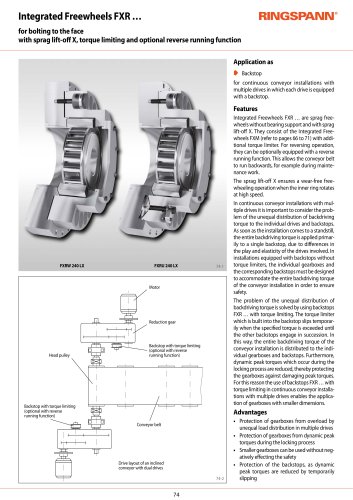 Datasheet FXRW
3 Pages
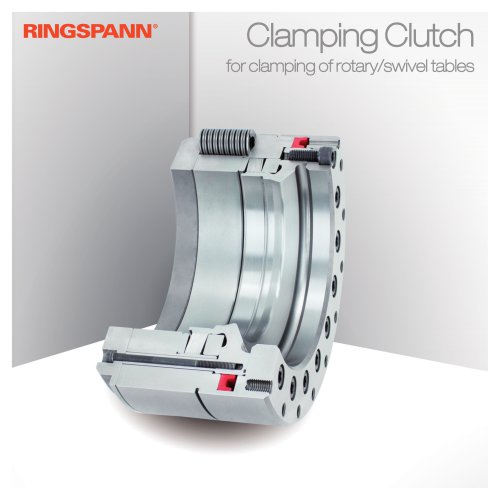
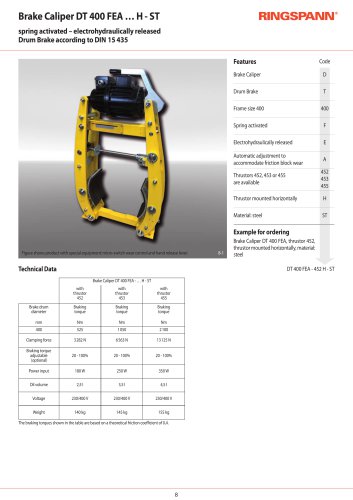




Archived catalogs
 Energy Generation
7 Pages
 Shaft Couplings 2018/2019
76 Pages
 2020 Machine Tools
7 Pages
 Shaft Couplings
76 Pages
 Mining 07/2020
9 Pages
 Precision Clamping Fixtures
100 Pages
 Industrial brake
184 Pages
 Freewheels_2020-2021
112 Pages
 Freewheels_2019-2020
112 Pages
 Overload Clutches
80 Pages
 Industrial Brakes
184 Pages


- Chuck
- Storage cabinet
- RINGSPANN flexible coupling
- RINGSPANN shaft coupling
- RINGSPANN friction brake
- RINGSPANN flange coupling
- Pack unit
- Clamping device
- Single pedal pedal
- Torque coupling
- RINGSPANN rigid coupling
- RINGSPANN spring brake
- Transmission coupling
- RINGSPANN zero-backlash coupling
- Electric hydraulic power unit
- RINGSPANN disc brake
- RINGSPANN friction brake caliper
- RINGSPANN electromagnetic brake
- Friction clutch