


Freewheels_2025-2026
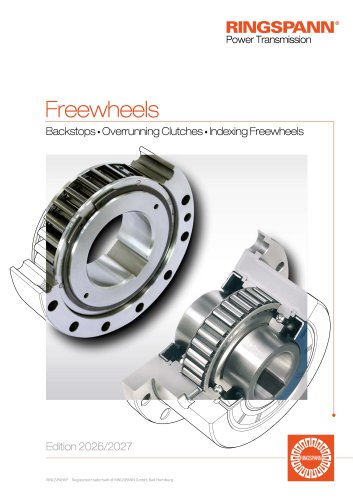
Freewheels_2025-2026
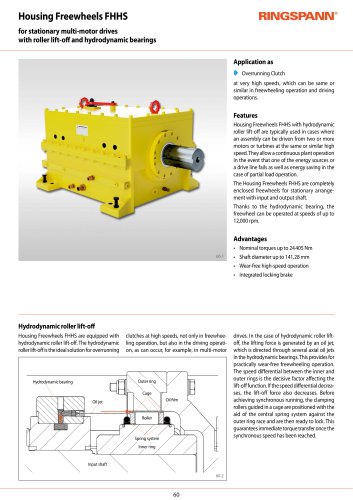
Freewheels are crucial in machine building and aerospace industries, enhancing safety, efficiency, and automation. They consist of inner and outer rings with clamping elements like sprags or rollers, functioning as backstops, overrunning clutches, or indexing freewheels.
Freewheels allow freewheeling in one direction and torque transmission in the opposite direction. They may include or exclude bearing support, necessitating concentric alignment of the rings.
Freewheels are used in:
- Backstops: Prevent reverse rotation in systems like conveyors.
- Overrunning Clutches: Automatically engage and disengage machine parts.
- Indexing Freewheels: Convert back-and-forth motion into stepped rotation.
Freewheels are categorized into:
- Complete Freewheels: With bearing support and own lubrication.
- Low Speed Backstops: Enclosed with own lubrication.
- Housing Freewheels: Enclosed by housing with bearing support.
- Basic Freewheels: For assembly with connecting parts, lubrication provided by the customer.
- Integrated Freewheels: Without bearing support, requiring customer alignment.
- Internal Freewheels: Compact solutions with or without bearing support.
Sprag freewheels have cylindrical tracks and spring-loaded sprags, locking without slipping. They are designed for high torques, contactless freewheeling, and high indexing accuracy.
The document includes technical specifications, torque capacities, and installation guidelines for various freewheel types, emphasizing proper alignment and lubrication for optimal performance.
Roller freewheels allow rotation in one direction while preventing it in the opposite direction. They consist of an inner and outer ring, with roller ramps on one and a cylindrical track on the other. The rollers, which are spring-loaded, lock the freewheel without slipping.
The design allows the outer ring to rotate freely clockwise if the inner ring is stationary, rotates counter-clockwise, or rotates slower than the outer ring. When the outer ring rotates in the opposite direction, the rollers clamp, enabling high torque transmission.
1. Sprag Lift-off X: Used for backstops and overrunning clutches with high-speed inner ring rotation.
2. Sprag Lift-off Z: Suitable for high-speed outer ring rotation.
3. RIDUVIT®: Features chrome steel sprags with a wear-resistant coating.
4. Hydrodynamic Sprag Lift-off: Ideal for high-speed operations, using oil flow to lift sprags.
For backstops, the selection torque is calculated using the formula MA = 1.75 · ML, where ML is the static backdriving torque. For overrunning clutches, MA = K · ML, with K being the operating factor.
1. Identify the application: Backstop, Overrunning Clutch, or Indexing Freewheel.
2. Choose the category: Complete Freewheel, Low Speed Backstop, etc.
3. Calculate the selection torque.
4. Select the type: Standard, Sprag Lift-off X/Z, RIDUVIT®, or Hydrodynamic Sprag Lift-off.
Overview: This document provides detailed specifications and application examples for various types of freewheels used in industrial machinery.
To select a suitable freewheel, refer to the representations of different series and technical points provided in the document.
- FB Series: Used as overrunning clutches in edge trimming shears.
- FKh Series: Utilized in fan drive systems.
- FBF Series: Applied in meat processing machines.
- FGR Series: Implemented in winch drives.
- FB Series: Sealed sprag freewheels with ball bearings.
- FKh Series: Designed for multi-motor drives.
- FBF Series: Features mounting flange and sprags.
- FGR Series: Roller freewheels with mounting flange.
Each freewheel type has specific mounting requirements, including shaft and pilot diameter tolerances.
The document includes tables with detailed dimensions, torque capacities, and speed limits for each freewheel type.
- The freewheels are available in different sizes and configurations, with nominal torques ranging up to 68,000 Nm and bores up to 150 mm.
- They are designed with mounting flanges and rollers, and are oil-lubricated for optimal performance.
- Keyway dimensions follow DIN 6885 standards.
- Components such as the basic freewheel, flange, cover, seals, and screws are supplied loose and must be assembled by the customer.
- The freewheel must be filled with oil of specified quality before commissioning.
- When ordering, specify the freewheel size, type, and desired freewheeling direction.
- Freewheels are used in various applications such as feed units for sheet material, mobile fans, and spur gearboxes.
- Sealed roller freewheels with ball bearings ensure durability and efficient operation.
- Tables provide detailed dimensions, torque capacities, and speed limits for each freewheel model.
- Applications: Used as backstops in low-speed operations.
- Features: Roller freewheels with sleeve bearings, grease-lubricated, maintenance-free.
- Applications: Used as overrunning clutches with flexible shaft coupling.
- Features: Sealed sprag freewheels with ball bearings, oil-filled.
- Applications: Used as overrunning clutches with shaft coupling.
- Features: Sealed sprag freewheels with ball bearings, oil-filled.
- Applications: Used as backstops in installations with low speeds.
- Features: Sealed sprag freewheels with ball bearings, oil-filled.
- Maximum transmissible torque is twice the nominal torque.
- Basic Freewheels FGR: Roller freewheels with ball bearings, suitable for oil-lubricated housings.
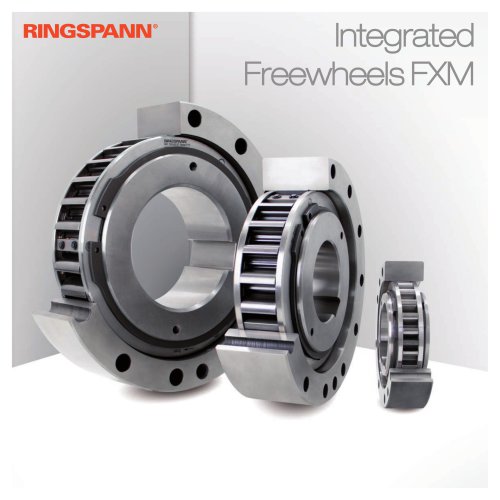
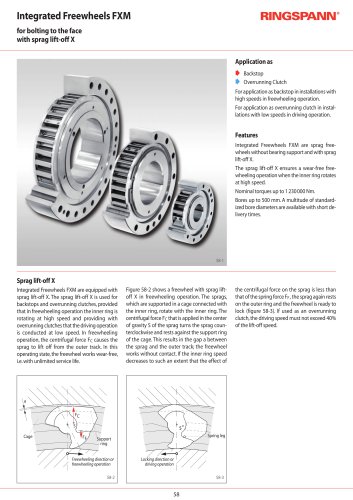
- Integrated Freewheels FXM: Sprag freewheels without bearing support, featuring sprag lift-off X.
- Basic Freewheels FGR: Used as backstops in conveyor systems.
- Integrated Freewheels FXM: Applied in high-speed operations as backstops and overrunning clutches.
- Basic Freewheels FGR: Require precise centering and oil lubrication.
- Integrated Freewheels FXM: Require customer-provided concentric alignment of inner and outer rings.
- Both types of freewheels are designed for specific torque and speed requirements.
The FXM freewheel is centered via the outer track F on the customer attachment part and bolted to it.
For ordering, specify the freewheel size, type with sprag lift-off, and bore diameter.
Keyway dimensions follow DIN 6885.
For extended service life, use sprag lift-off at high-speed rotating inner rings.
The document includes detailed tables listing various FXM and FON freewheel sizes.
Integrated Freewheels FON are used as backstops, overrunning clutches, and indexing freewheels.
FXR series freewheels include torque limiting and optional reverse running functions.
- SF Type: Available in standard, RIDUVIT® coated, and sprag lift-off versions.
- SFB Type: Designed for universal use.
- E Type: Offers the highest torque capacity.
The document outlines the permissible speeds for freewheels.
Lubrication is critical for the operation of freewheels.
The document includes detailed questionnaires for selecting RINGSPANN Backstops, Overrunning Clutches, Indexing Freewheels, and Housing Freewheels.
Attention is drawn to the need for maintenance-free grease lubrication for certain freewheels.
The document provides comprehensive technical guidelines and questionnaires to assist in the selection and maintenance of RINGSPANN freewheels.
Catalog excerpts
Freewheels Backstops • Overrunning Clutches • Indexing Freewheels Edition 2026/2027 RINGSPANN® Registered trademark of RINGSPANN GmbH, Bad Hombu
Open the catalog to page 1
The maximum transmissible torques are 2 times the specified nominal torques. Issue 12/2025 • Technical details subject to change without notice.
Open the catalog to page 3
Design and Function of Freewheels Freewheels are machine elements with particular characteristics: • In one direction of rotation there is no contact between the inner and outer ring; the freewheel is in freewheeling operation. • In the other direction of rotation there is contact between the inner and outer ring; in this direction it is possible to transmit high torque. For example the outer ring of the freewheel shown in figure 4-1 can freewheel clockwise while the inner ring is stationary. If, however, the outer ring is turned in the opposite direction, there is contact between the inner and...
Open the catalog to page 4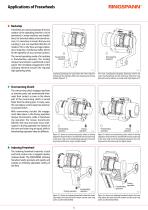
➧ Backstop Freewheels are used as backstops if reverse rotation of the operating direction is to be prevented. In many machines and installations, for technical safety or functional reasons, it is necessary to ensure that you are working in just one specified direction of rotation. This is why there are legal stipulations requiring a mechanical safety device for the operation of, e.g. conveyor systems. The normal operating mode of a backstop is freewheeling operation; the locking (torque transmission) is performed at zero speed. The immediate engagement of the clamping elements ensures the required...
Open the catalog to page 5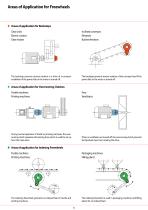
Areas of Application for Freewheels ➧ Areas of application for Backstops Gear units Electric motors Gear motors Inclined conveyors Elevators Bucket elevators The backstop prevents reverse rotation in a drive of a conveyor installation if the power fails or the motor is turned off. The backstop prevents reverse rotation of the conveyor load if the power fails or the motor is turned off. ➧ Areas of application for Overrunning Clutches Textile machines Printing machines Fans Ventilators During normal operation of textile or printing machines, the overrunning clutch separates the barring drive which...
Open the catalog to page 6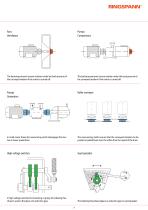
The backstop prevents reverse rotation under the back pressure of The backstop prevents reverse rotation under the back pressure of the conveyed medium if the motor is turned off. the conveyed medium if the motor is turned off. Pumps Roller conveyor In multi-motor drives the overrunning clutch disengages the inactive or lower speed drive. The overrunning clutch ensures that the conveyed material can be pushed or pulled faster over the rollers than the speed of the drive. Seed spreader High voltage switches The indexing freewheel replaces a reduction gear in seed spreader. In high voltage switches...
Open the catalog to page 7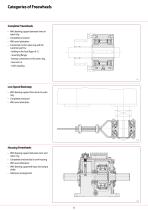
• With bearing support between inner or outer ring • Completely enclosed • Connection to the outer ring and the customer part by: - bolting to the face (figure 8-1), - mounting flange, - keyway connection on the outer ring, - shaft coupling. • With bearing support from inner to outer ring • Completely enclosed • With bearing support between inner and outer ring • Completely enclosed by its own housing • With bearing supported input and output shafts • Stationary arrangement
Open the catalog to page 8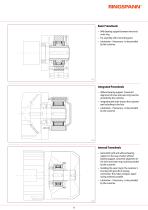
RINGSPANN*Basic Freewheels • With bearing support between inner and outer ring • For assembly with connecting parts • Lubrication - if necessary - to be provided by the customer • Without bearing support. Concentric alignment of inner and outer ring must be provided by the customer. • Integrating the outer ring on the customer part by bolting to the face • Lubrication - if necessary - to be provided by the customer • Series both with and without bearing support. In the case of series without bearing support, concentric alignment of the inner and outer ring must be provided by the customer. •...
Open the catalog to page 9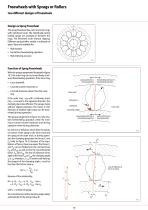
Freewheels with Sprags or Rollers two different designs of freewheels Design as Sprag Freewheel The sprag freewheel has outer and inner rings with cylindrical tracks. The individually spring loaded sprags are arranged in between the rings. The freewheel locks without slipping. Different sprag profiles enable a multitude of types. Types are available for: • High torques • Contactless freewheeling operation • High indexing accuracy 10-1 Function of Sprag Freewheels With the sprag arrangement illustrated in figure 10-2 the outer ring can be turned freely clockwise (freewheeling operation), if the...
Open the catalog to page 10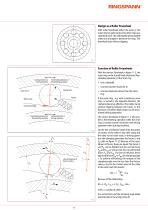
Design as a Roller Freewheel With roller freewheels either the inner or the outer ring has roller ramps. The other ring has a cylindrical track. The individually spring loaded rollers are arranged in between the rings. The freewheel locks without slipping. Function of Roller Freewheels Locking direction or driving operation With the version illustrated in figure 11-2, the outer ring can be turned freely clockwise (freewheeling operation), if the inner ring Freewheeling direction or freewheeling operation • is at a standstill, • is turned counter-clockwise or Spring force Outer track • is turned...
Open the catalog to page 11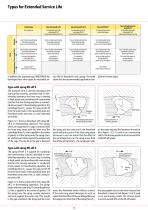
In addition the standard type, RINGSPANN has vice life for freewheels with sprags. The table ditions for these types. developed four other types for extended ser- above lists the recommended application con- Type with sprag lift-off X The sprag lift-off X is used for backstops and overrunning clutches, provided that in freewheeling operation the inner ring is rotating at high speed and providing with overrunning clutches that the driving operation is conducted at low speed. In freewheeling operation, the centrifugal force Fc causes the sprag to lift off from the outer track. In this operating...
Open the catalog to page 12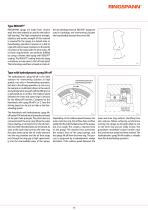
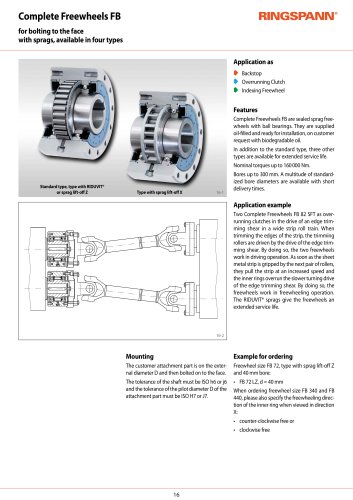
Type RIDUVIT® RINGSPANN sprags are made from chrome steel, the same material as used for the balls in ball bearings. The high compressive strength, elasticity and tensile strength of this material is required for the sprags in a locked state. In freewheeling operation, however, it is able to cope with utmost wear resistance on the points of contact of the sprag with the inner track. All of these requirements are perfectly fulfilled by using a chrome steel sprag with RIDUVIT® coating. The RIDUVIT® coating lends the sprag a resistance to wear akin to that of hard metal. The technology used here...
Open the catalog to page 13All RINGSPANN catalogs and technical brochures
 FB Series EN
2 Pages
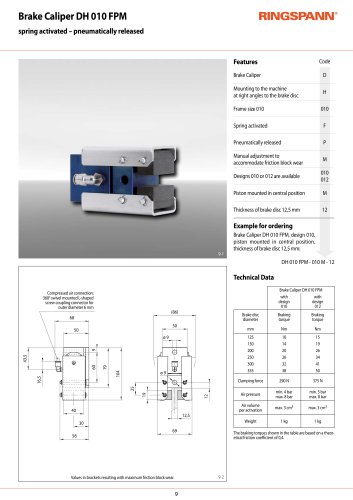 DH 010 FPM
1 Page
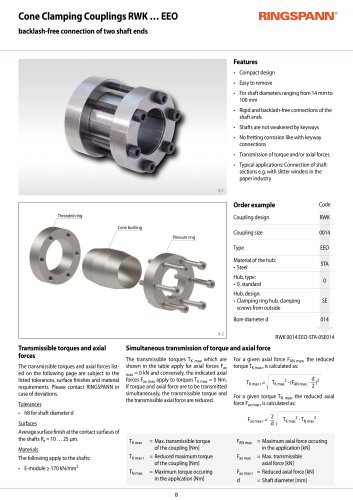 Datasheet RWK … EEO
2 Pages
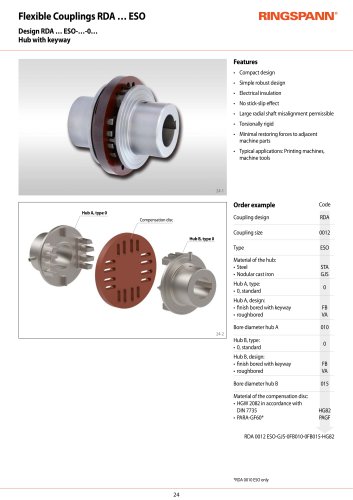 Datasheet RDA … ESO
2 Pages
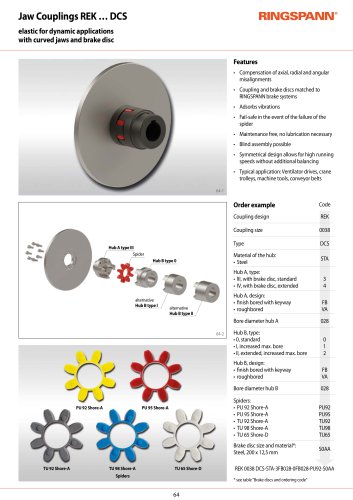 Datasheet REK … DCS
5 Pages
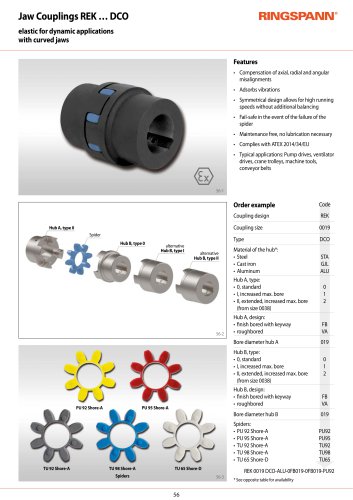 Datasheet REK … DCO
8 Pages
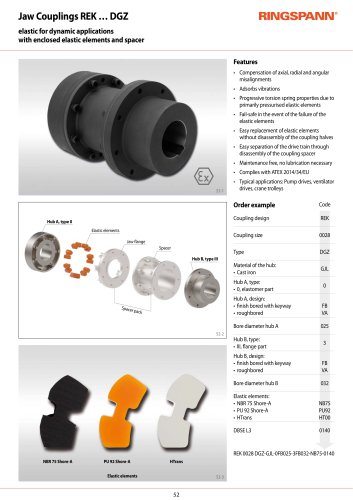 Datasheet REK … DGZ
4 Pages
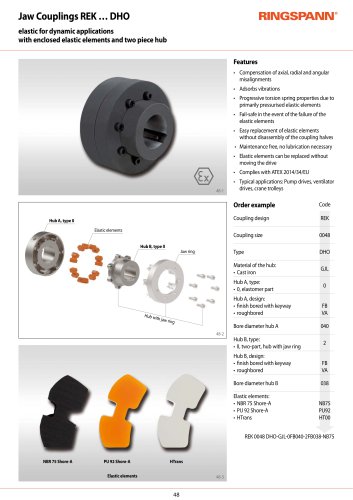 Datasheet REK … DHO
4 Pages
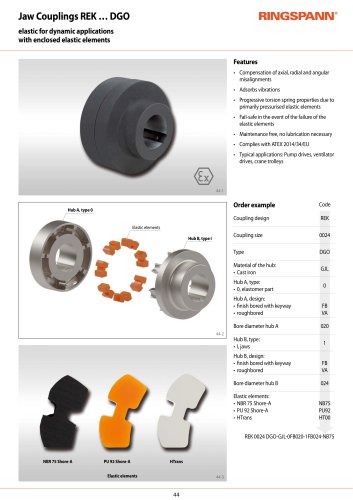 Datasheet REK … DGO
4 Pages
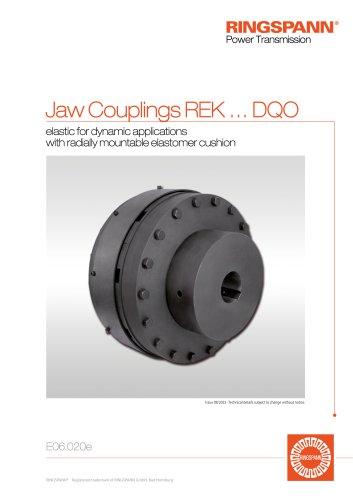 Datasheet REK … DQO
6 Pages
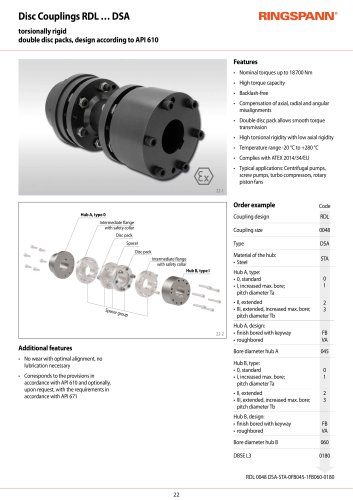 Datasheet RDL … DSA
2 Pages
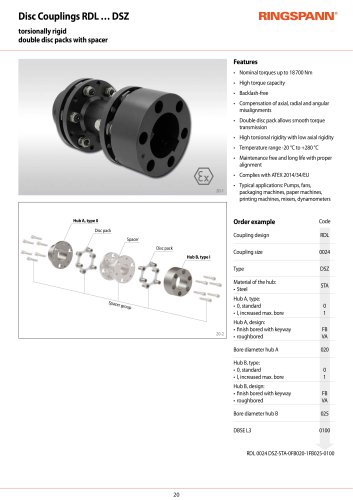 Datasheet RDL … DSZ
2 Pages
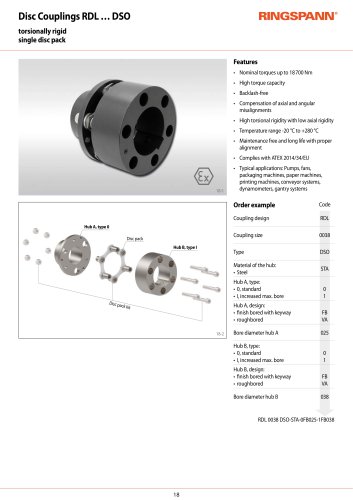 Datasheet RDL … DSO
2 Pages
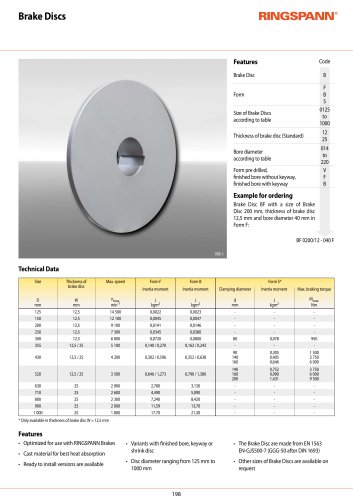 Datasheet Brake Discs
4 Pages
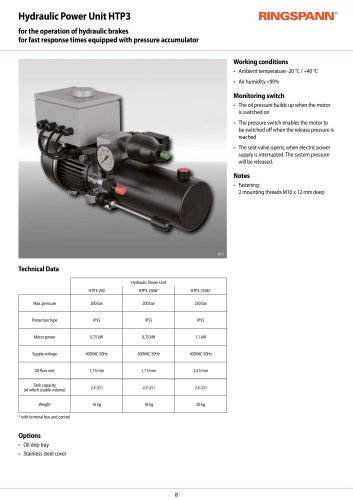 Datasheet HTP3
2 Pages
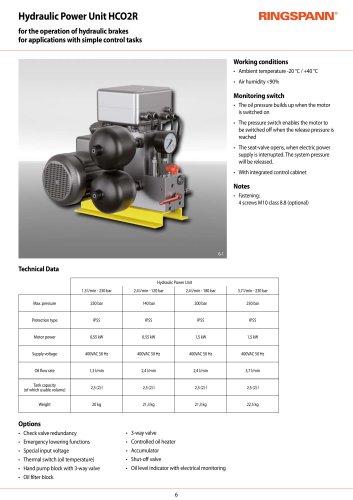 Datasheet HCO2R
2 Pages
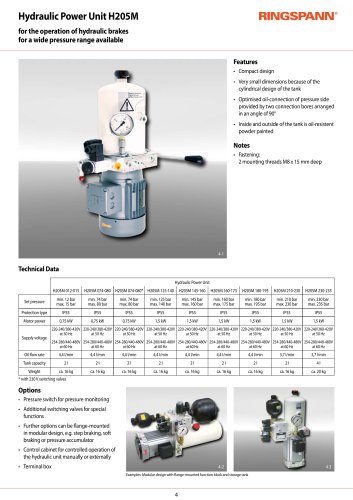 Datasheet H205M
2 Pages
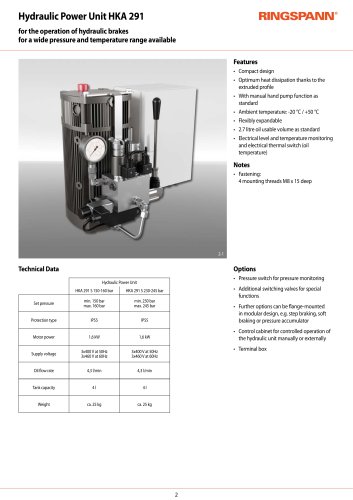 Datasheet HKA 291
2 Pages
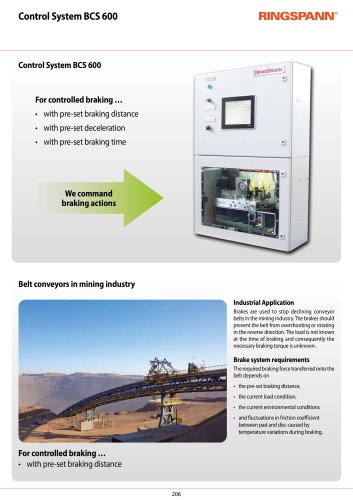 Datasheet BCS 600
4 Pages
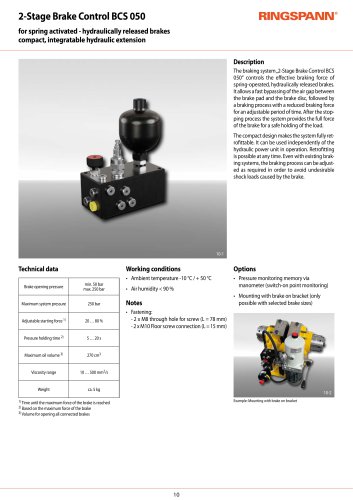 Datasheet BCS 050
2 Pages
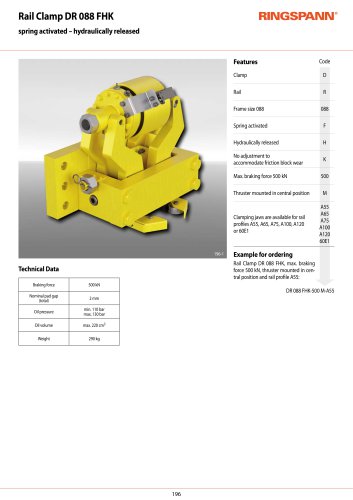 Datasheet DR 088 FHK
2 Pages
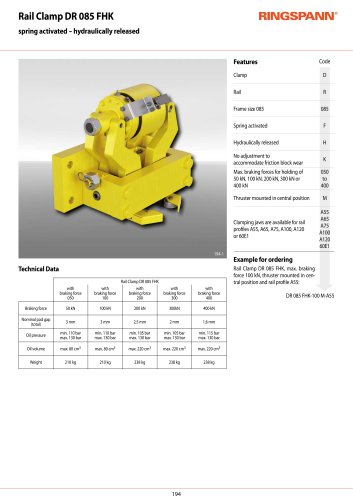 Datasheet DR 085 FHK
2 Pages
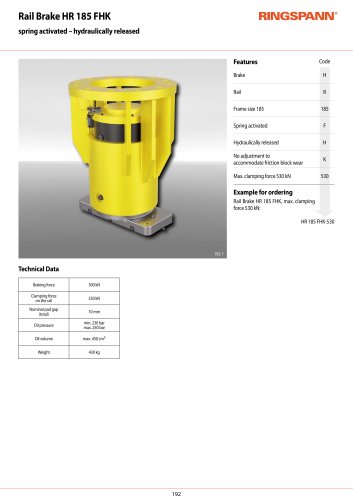 Datasheet HR 185 FHK
2 Pages
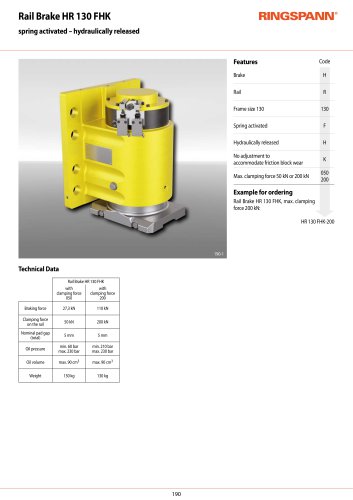 HR 130 FHK
2 Pages
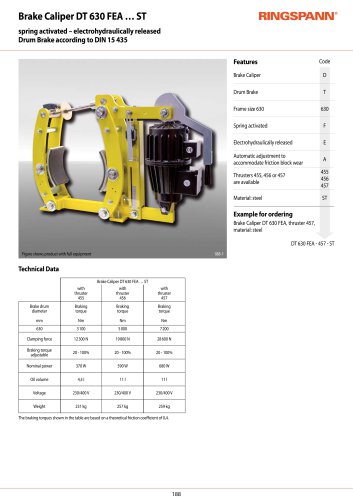 Datasheet DT 630 FEA … ST
2 Pages
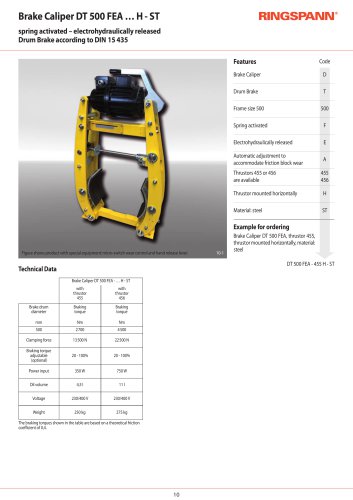 Datasheet DT 500 FEA H-ST
2 Pages
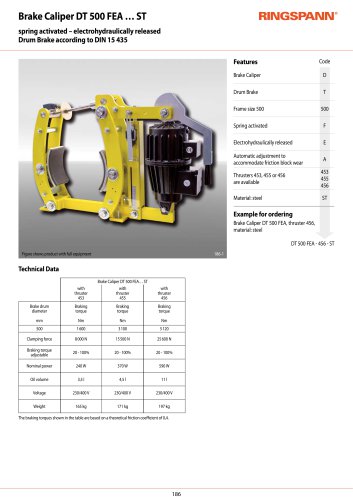 Datasheet DT 500 FEA … ST
2 Pages
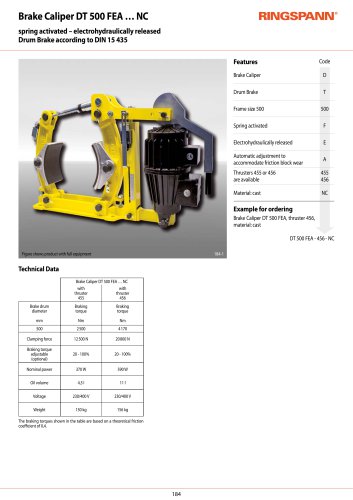 Datasheet DT 500 FEA … NC
2 Pages
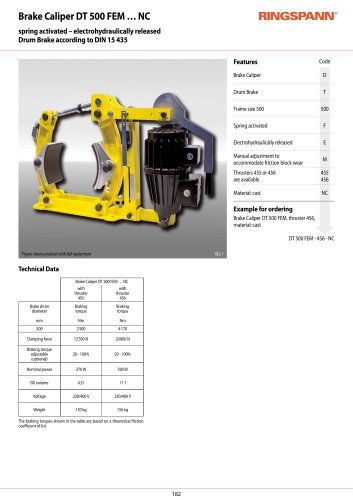 Datasheet DT 500 FEM … NC
2 Pages
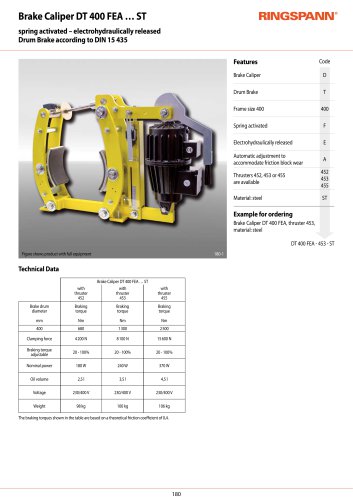 Datasheet DT 400 FEA … ST
2 Pages
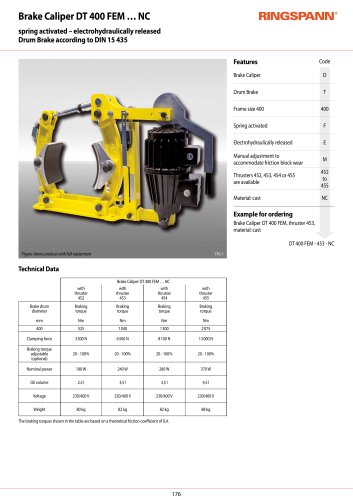 Datasheet DT 400 FEA … NC
2 Pages
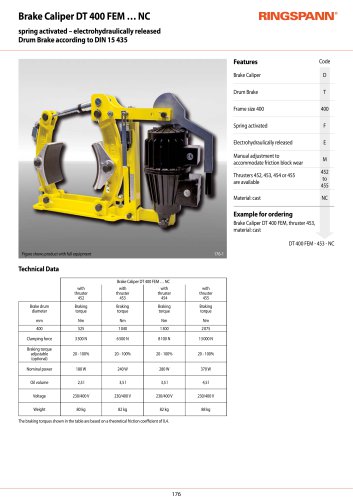 Datasheet DT 400 FEM … NC
2 Pages
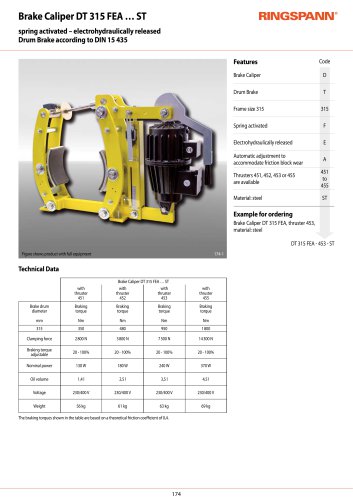 Datasheet DT 315 FEA … ST
2 Pages
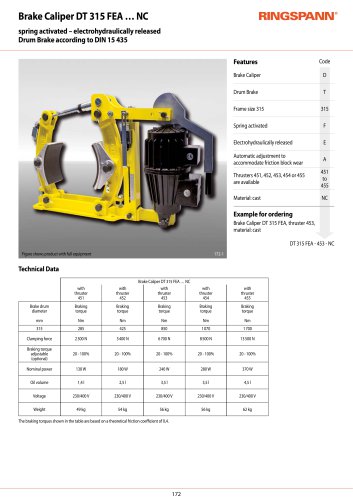 Datasheet DT 315 FEA … NC
2 Pages
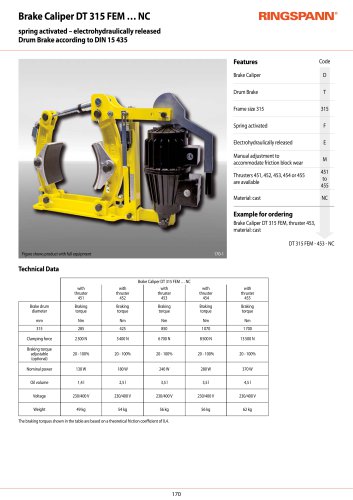 Datasheet DT 315 FEM … NC
2 Pages
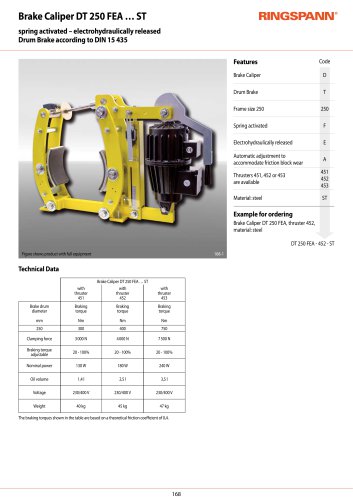 Datasheet DT 250 FEA … ST
2 Pages
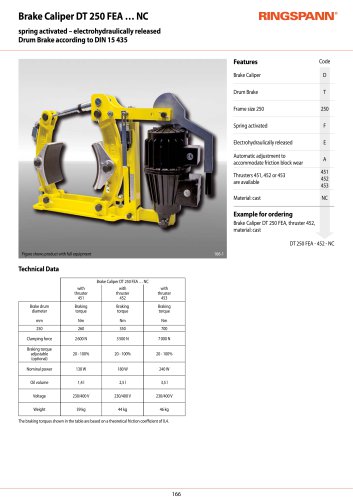 Datasheet DT 250 FEA … NC
2 Pages
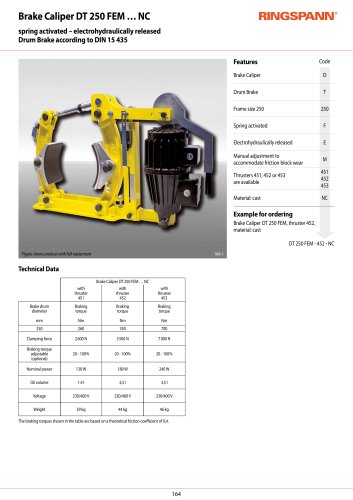 Datasheet DT 250 FEM … NC
2 Pages
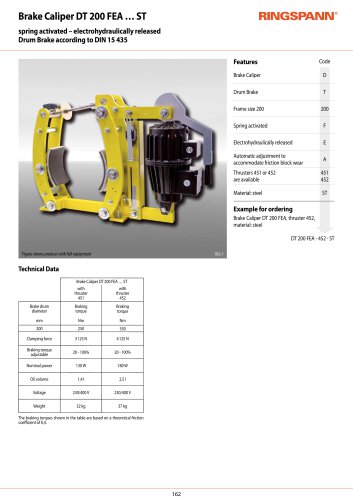 Datasheet DT 200 FEA … ST
2 Pages
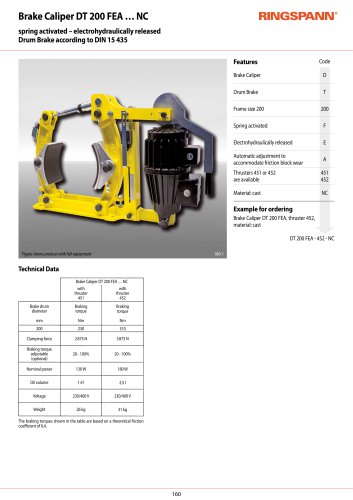 Datasheet DT 200 FEA … NC
2 Pages
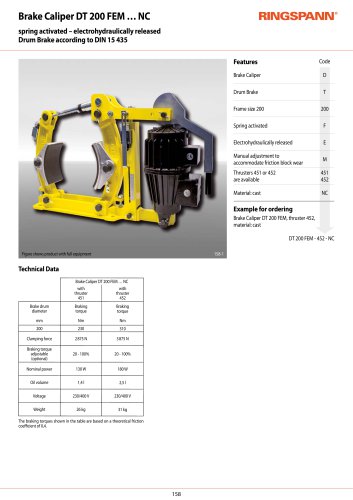 Datasheet DT 200 FEM … NC
2 Pages
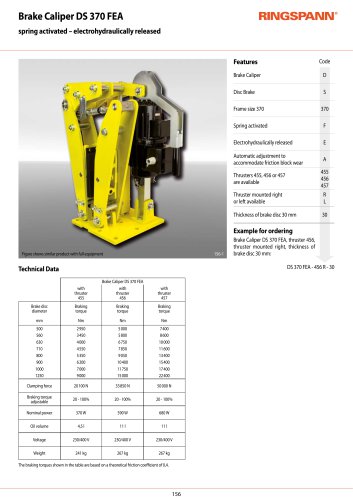 Datasheet DS 370 FEA
2 Pages
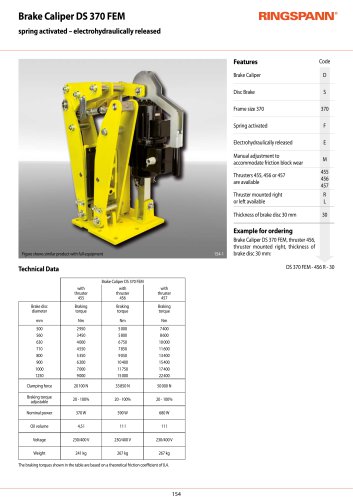 Datasheet DS 370 FEM
2 Pages
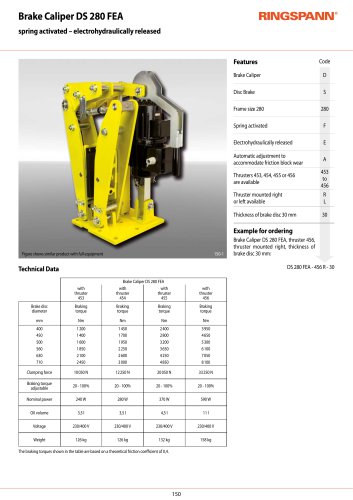 Datasheet DS 280 FEA
2 Pages
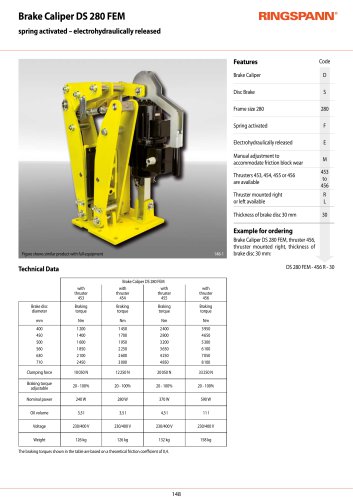 Datasheet DS 280 FEM
2 Pages
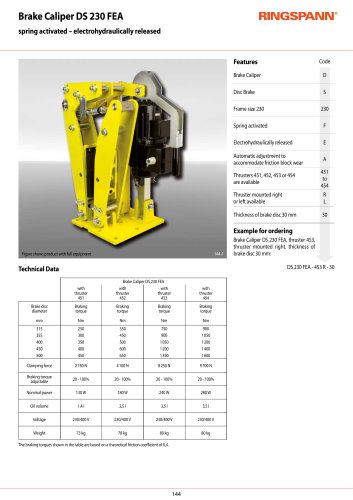 Datasheet DS 230 FEA
2 Pages
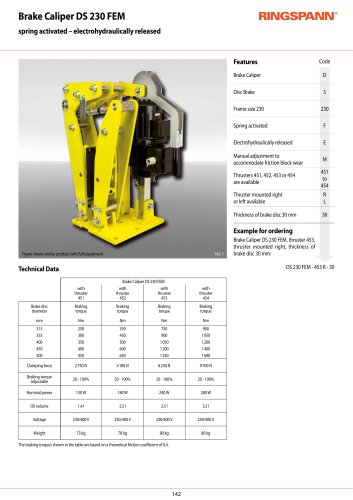 Datasheet DS 230 FEM
2 Pages
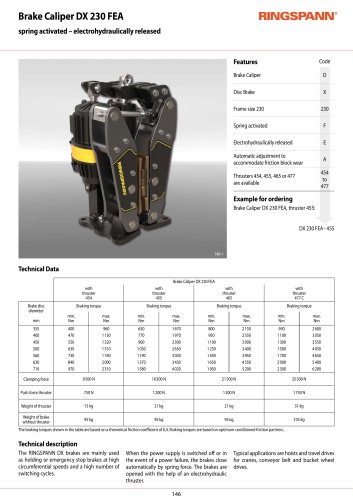 Datasheet DX 230 FEA
2 Pages
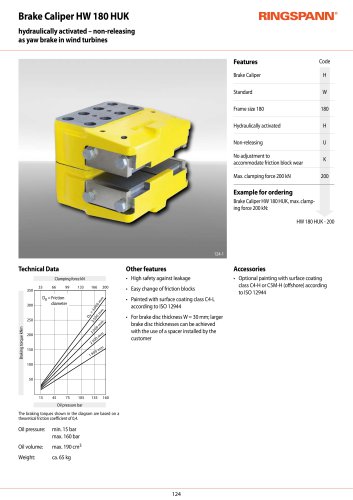 Datasheet HW 180 HUK
2 Pages
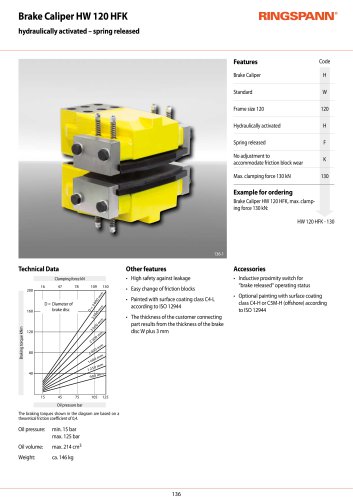 Datasheet HW 120 HFK
2 Pages
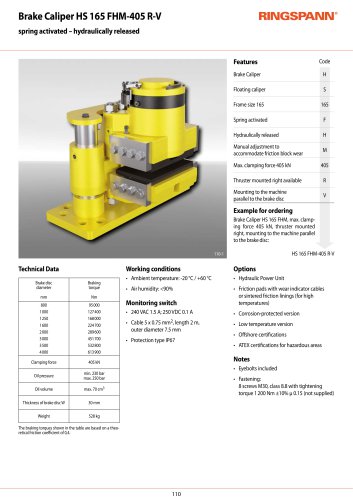 Datasheet HS 165 FHM-405 R-V
2 Pages
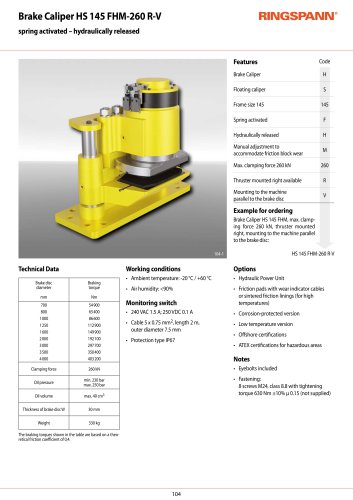 Datasheet HS 145 FHM-260 R-V
2 Pages
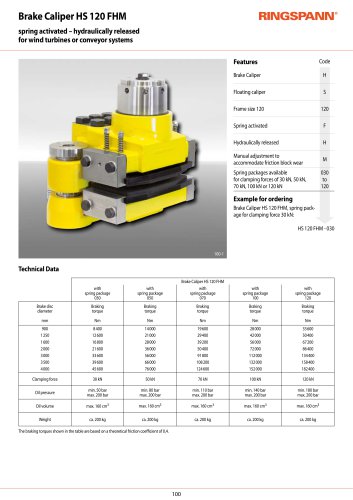 Datasheet HS 120 FHM
2 Pages
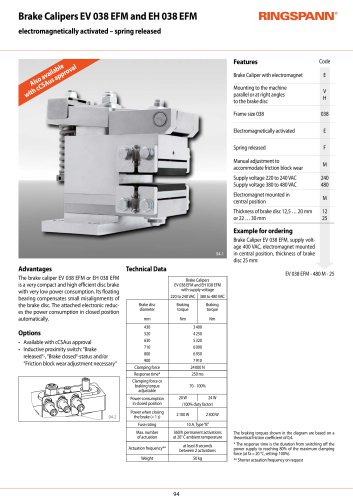 Datasheet EH 038 EFM
2 Pages
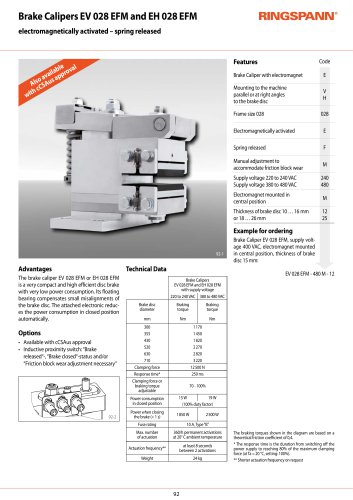 Datasheet EH 028 EFM
2 Pages
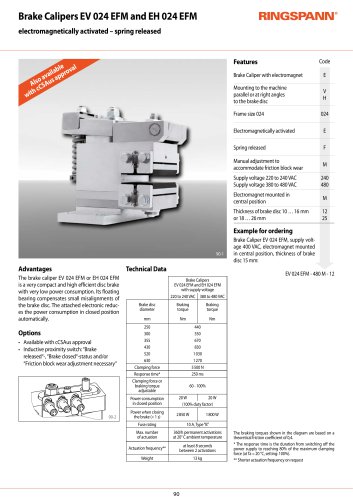 Datasheet EH 024 EFM
2 Pages
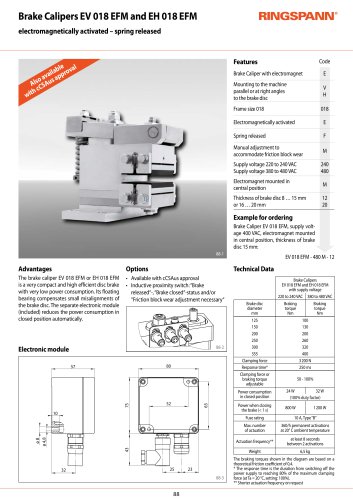 Datasheet EH 018 EFM
2 Pages
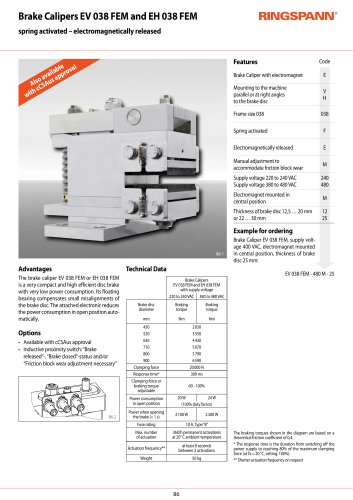 Datasheet EH 038 FEM
2 Pages
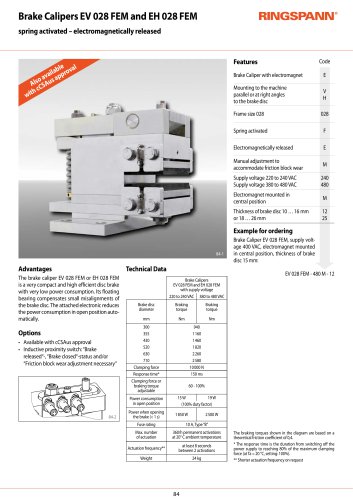 Datasheet EH 028 FEM
2 Pages
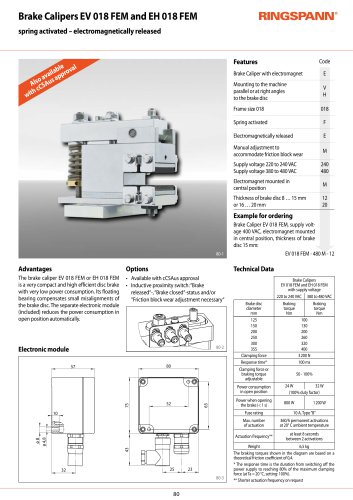 Datasheet EH 018 FEM
2 Pages
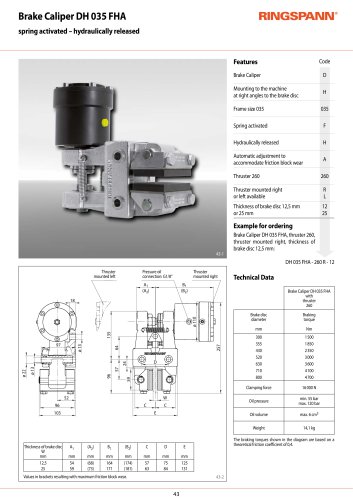 Datasheet DH 035 FHA
1 Page
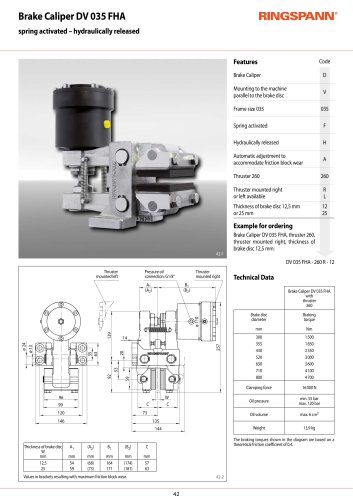 Datasheet DV 035 FHA
1 Page
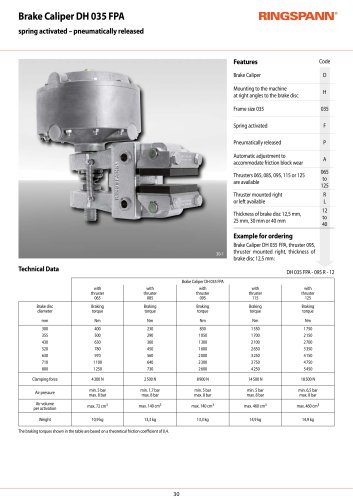 Datasheet DH 035 FPA
2 Pages
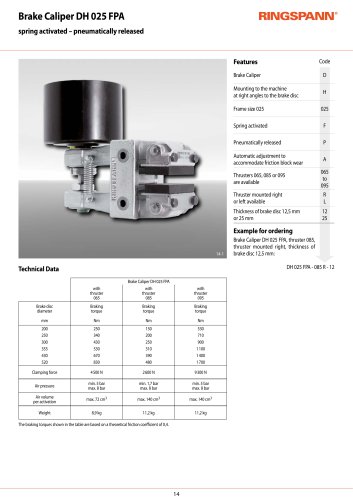 Datasheet DH 025 FPA
2 Pages
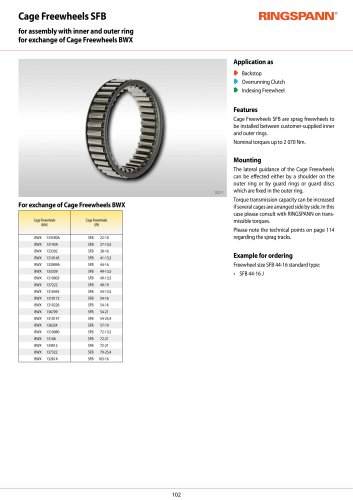 Datasheet SFB
2 Pages
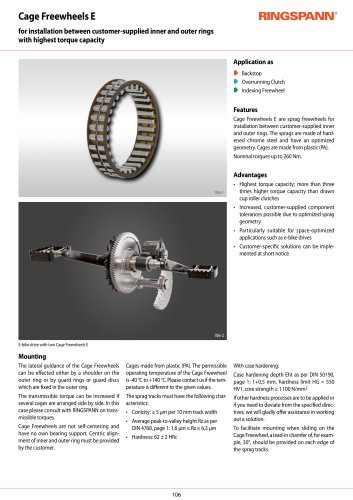 Datasheet E
2 Pages
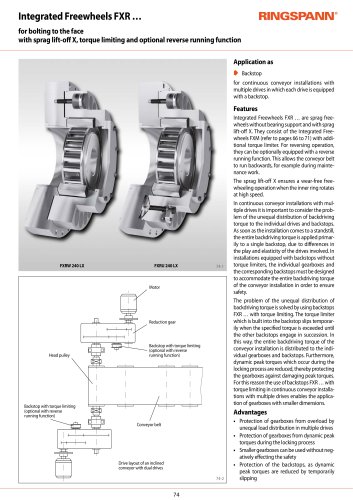 Datasheet FXRU
3 Pages
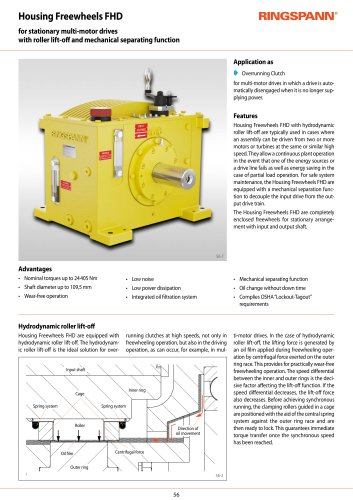 Datasheet FHD
4 Pages
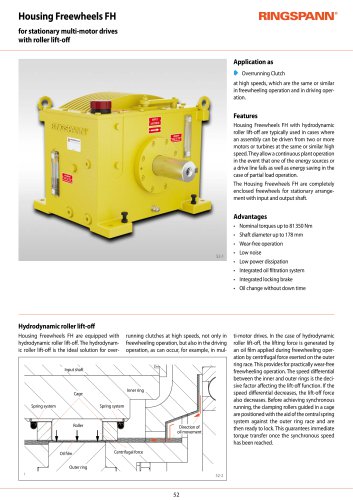 Datasheet FH
4 Pages
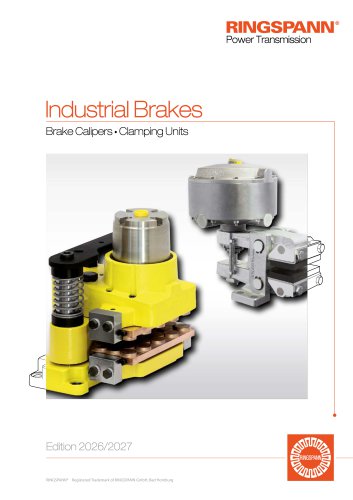 Industrial Brakes_2025-2026
220 Pages
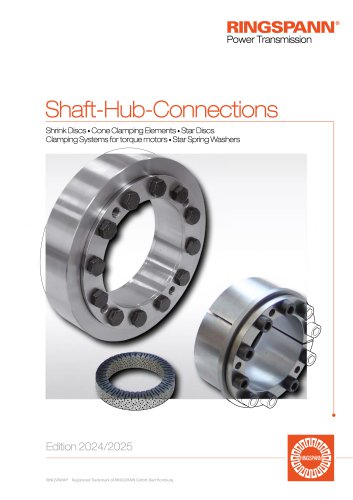 Shaft-Hub-Connections 2024/2025
100 Pages
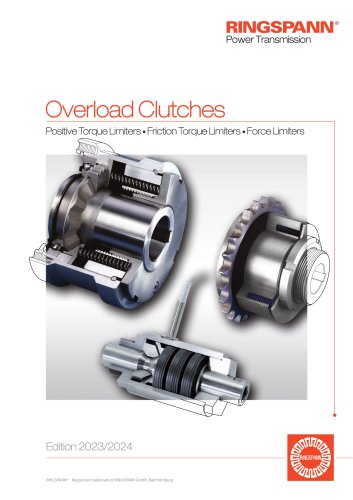 Overload Clutches 2023/2024
80 Pages
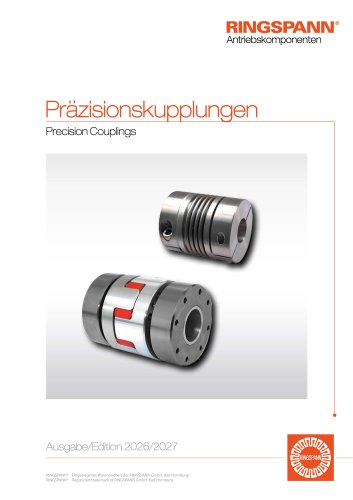 Precision Couplings 2026/2027
60 Pages
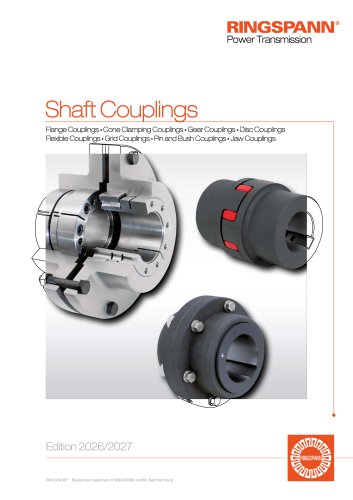 Shaft Couplings 2026/2027
80 Pages
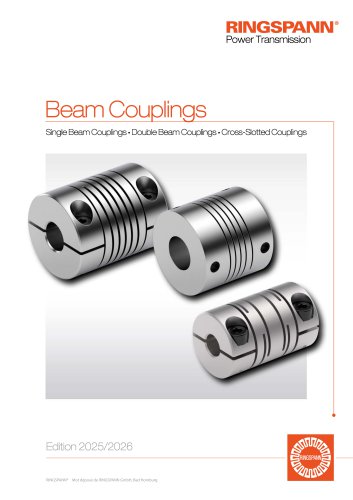 Beam Couplings
26 Pages
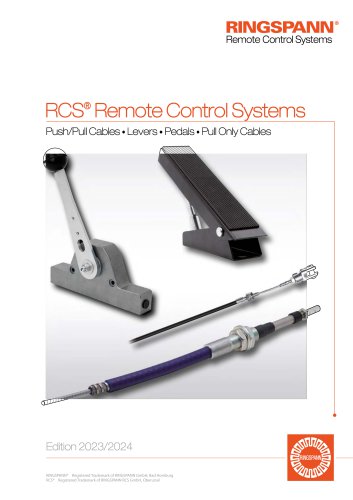 RCS® Remote Control Systems
64 Pages
 Company brochure
7 Pages
 Your benefit in Harbour Cranes
15 Pages
 RINGSPANN in Energy Plants
7 Pages
 RINGSPANN in Machine tools
7 Pages
 MV 033 FEM
8 Pages
 DH 035 FPM / FPA
2 Pages
 DV 020 FHM
1 Page
 DH 020 FHM
1 Page
 DV 030 FHM
1 Page
 DH 030 FHM
1 Page
 DV 030 FHA
1 Page
 DH 030 FHA
1 Page
 DV 035 FHM / FHA
1 Page
 DH 035 FHM / FHA
1 Page
 DU 060 FHM
2 Pages
 DH 020 FKM
1 Page
 DH 005 PFK
1 Page
 DV 020 FKM
1 Page
 DH 010 PFK
1 Page
 DH 015 PFK
1 Page
 DH 020 PFK
1 Page
 DV 030 PFM
2 Pages
 DH 030 PFM
2 Pages
 DV 035 PFM
2 Pages
 DH 035 PFM
2 Pages
 DU 060 PFM
2 Pages
 DH 010 MSM
1 Page
 DV 020 MSM
1 Page
 DH 020 MSM
1 Page
 DV 020 MKM
1 Page
 DH 020 MKM
1 Page
 HW 075 FHM
2 Pages
 HS 075 HFK
2 Pages
 DV 020 FEM
1 Page
 DV 020 PFK
1 Page
 BCS 600
4 Pages
 DS
DS2 Pages
 DU 060 FPM
2 Pages
 HW 075 HFK
2 Pages
 HS 120 HFK
2 Pages
 KE … FPK series
2 Pages
 RLK 603 S
4 Pages
 RLK 603 K
3 Pages
 RLK 608 series
3 Pages
 RLK 606 series
3 Pages
 RLK 110 series
2 Pages
 RLK 110 K series
2 Pages
 RLK 130 series
2 Pages
 RLK 131 series
2 Pages
 RLK 132 series
2 Pages
 RLK 133 series
2 Pages
 RLK 200 series
2 Pages
 RLK 250 series
2 Pages
 RLK 603 series
4 Pages
 HW 100 HFA
2 Pages
 HI 150 HUK, HI 180 HUK
2 Pages
 FN series
2 Pages
 HW 150 HFA / HW 180 HFA
2 Pages
 DT
DT2 Pages
 HW 063 HFA
1 Page
 RLK 250 L series
2 Pages
 RLK 350 series
2 Pages
 RLK 402 series
2 Pages
 RLK 404 series
2 Pages
 FD series
2 Pages
 RLK 300 series
4 Pages
 Trantorque Mini
2 Pages
 Trantorque OE
2 Pages
 SIKUMAT® SC
6 Pages
 SIKUMAT® SG
6 Pages
 SIKUMAT® ST
6 Pages
 SIKUMAT® SN
6 Pages
 SIKUMAT® SA
6 Pages
 SIKUMAT® SU
6 Pages
 SIKUMAT® SR
6 Pages
 SIKUMAT® SB
6 Pages
 SIKUMAT® SL
6 Pages
 RIMOSTAT® RS
4 Pages
 RSHD series
2 Pages
 RT
RT2 Pages
 PA series
4 Pages
 RFK … TBO series
2 Pages
 RDZ … DTO Series
2 Pages
 RDZ … DFO Series
2 Pages
 RDZ … EEO Series
4 Pages
 REB … DCO Series
4 Pages
 HDDS series
2 Pages
 LAFF series
2 Pages
 BKFF series
2 Pages
 HKFF series
2 Pages
 KFFF series
2 Pages
 LBDF series
2 Pages
 BKDF series
2 Pages
 HKDF series
2 Pages
 KFDF series
2 Pages
 BKDI series
2 Pages
 SKDZ series
2 Pages
 Pull Only Cables
8 Pages
 DV 035 FPM / FPA
2 Pages
 DH 030 FPA
2 Pages
 DV 030 FPA
2 Pages
 DH 030 FPM
2 Pages
 DV 030 FPM
2 Pages
 DH 020 FPM
1 Page
 DH 012 FEM
1 Page
 IR series
2 Pages
 SF … P series
2 Pages
 FNR series
2 Pages
 FSN series
2 Pages
 FRHN
FRHN2 Pages
 FDN series
2 Pages
 FCN … R series
2 Pages
 FXN series
4 Pages
 FGR … R series
2 Pages
 FRHD series
2 Pages
 FBL series
2 Pages
 FBE series
2 Pages
 FAV series
2 Pages
 FA series
2 Pages
 FGR … R A2A3 series
2 Pages
 FGR … R A3A4 series
2 Pages
 BC series
2 Pages
 BA series
2 Pages
 FGRN R A5A6 series
2 Pages
 BM series
2 Pages
 FGR R A2A7 series
2 Pages
 FGR R A1A2 series
2 Pages
 FBF series
2 Pages
 FR series
2 Pages
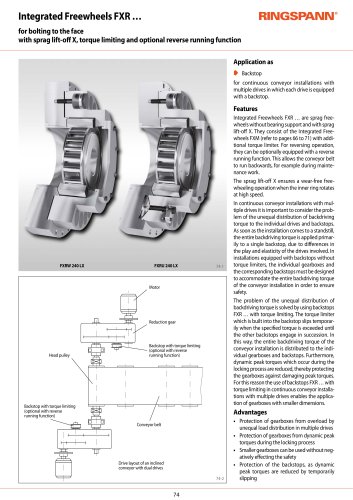 Datasheet FXRW
3 Pages

Archived catalogs
 Energy Generation
7 Pages
 Shaft Couplings 2018/2019
76 Pages
 2020 Machine Tools
7 Pages
 Shaft Couplings
76 Pages
 Mining 07/2020
9 Pages
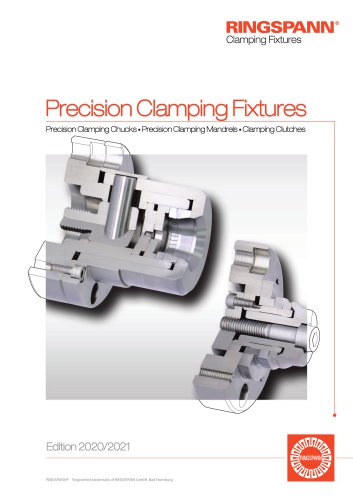
 Precision Clamping Fixtures
100 Pages
 Industrial brake
184 Pages
 Freewheels_2020-2021
112 Pages
 Freewheels_2019-2020
112 Pages
 Overload Clutches
80 Pages
 Industrial Brakes
184 Pages


- Chuck
- Storage cabinet
- RINGSPANN flexible coupling
- RINGSPANN friction brake
- RINGSPANN flange coupling
- Pack unit
- Clamping device
- Single pedal pedal
- Torque coupling
- RINGSPANN rigid coupling
- RINGSPANN spring brake
- Transmission coupling
- RINGSPANN zero-backlash coupling
- Electric hydraulic power unit
- RINGSPANN disc brake
- RINGSPANN friction brake caliper
- RINGSPANN electromagnetic brake
- Friction clutch