
- Catalogs
- Radiocontrolli S.R.L.
- 433.92MHz wake up ultra low-power OOK Receiver Module

- Company
- Products
- Catalogs
- News & Trends
- Exhibitions
433.92MHz wake up ultra low-power OOK Receiver Module
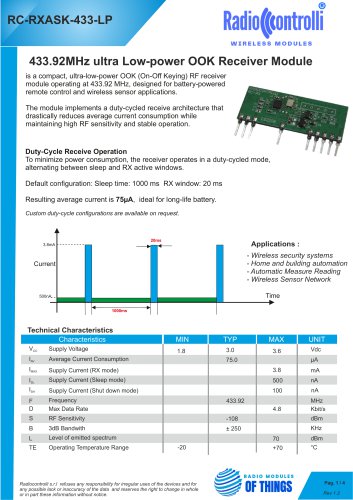
433.92MHz wake up ultra low-power OOK Receiver Module
- Operates at 433.92 MHz frequency.
- Ultra-low power consumption with a duty-cycled receive architecture.
- Default duty-cycle configuration: 1000 ms sleep time and 20 ms RX window, resulting in an average current consumption of 75µA.
- Custom duty-cycle configurations available upon request.
- Supply Voltage: 3.6 Vdc
- Max Data Rate: 4.8 Kbit/s
- Operating Temperature Range: -20 to +70 °C
- RF Sensitivity: -108 dBm
- 3dB Bandwidth: ±250 KHz
- ANT: External antenna connection
- GND: Ground
- PD: Power Down (LOW for RX OFF, HIGH for RX ON)
- VCC: Power supply
- DATA: Data output
- Power the receiver module from a regulated voltage source.
- Use a 100nF ceramic decoupling capacitor near the module.
- Ensure a ground plane encircles the receiver, especially near the antenna connection.
- Keep the 50-ohm connection as short as possible, with specific track dimensions for PCB design.
- Maintain a minimum distance of 5mm from other components.
Catalog excerpts
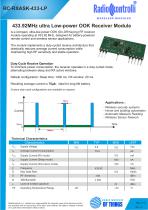
433.92MHz ultra Low-power OOK Receiver Module is a compact, ultra-low-power OOK (On-Off Keying) RF receiver module operating at 433.92 MHz, designed for battery-powered remote control and wireless sensor applications. The module implements a duty-cycled receive architecture that drastically reduces average current consumption while maintaining high RF sensitivity and stable operation. Duty-Cycle Receive Operation To minimize power consumption, the receiver operates in a duty-cycled mode, alternating between sleep and RX active windows. Default configuration: Sleep time: 1000 ms RX window: 20 ms Resulting average current is 75^A, ideal for long-life battery. Custom duty-cycle configurations are available on request. - Wireless security systems - Home and building automation - Automatic Measure Reading - Wireless Sensor Network Technical Characteristics Radiocontrolli s.r.l refuses any responsibility for irregular uses of the devices and for any possible lack or inaccuracy of the data and reserves the right to change in whole or in part these information without notice.
Open the catalog to page 1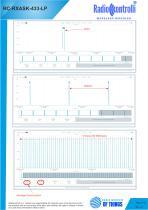
Average Consumption Radiocontrolli s.r.l refuses any responsibility for irregular uses of the devices and for any possible lack or inaccuracy of the data and reserves the right to change in whole or in part these information without notice.
Open the catalog to page 2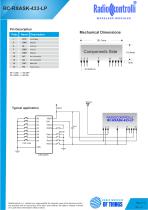
Mechanical Dimensions Radiocontrolli s.r.l refuses any responsibility for irregular uses of the devices and for any possible lack or inaccuracy of the data and reserves the right to change in whole or in part these information without notice.
Open the catalog to page 3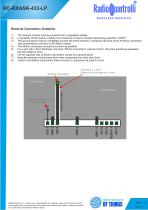
The receiver module must be powered from a regulated voltage. In proximity of the receiver module it is necessary to insert a ceramic decoupling capacitor (100nF). The ground plane must be completely encircle the entire receiver in particular the area of the Antenna connection (we recommend a minimum of 40-50mm radius). The 50ohm connection should be as short as possible. For a pcb with 1.6mm thickness, the track “50ohm connection” must be 2.5mm, this track should be separated from the GND for 2mm. On the opposite side of 50ohm connection should be a ground plane. Keep the receiver module away...
Open the catalog to page 4All Radiocontrolli S.R.L. catalogs and technical brochures
 RC-RCQ5-XXX
45 Pages
 RCTV-07
1 Page
 RCTV-05
1 Page
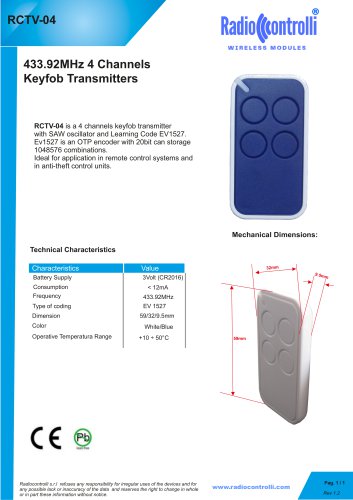 RCTV-04
1 Page
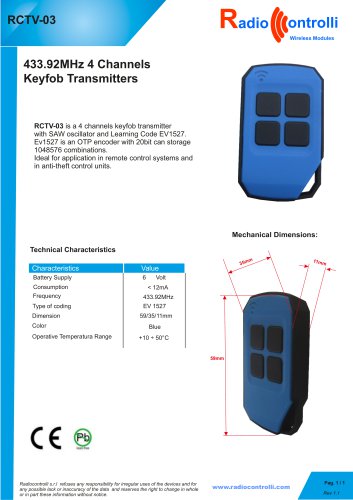 RCTV-03
1 Page
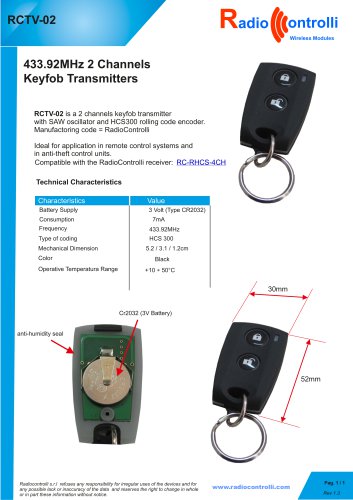 RCTV-02
1 Page
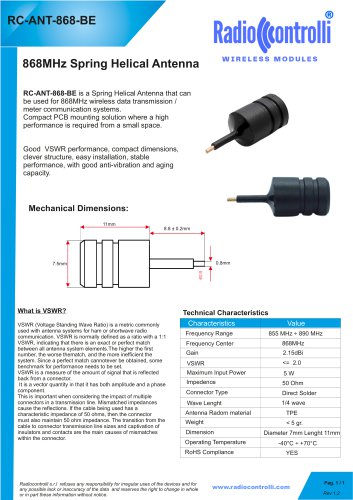 RC-ANT-868-BE
1 Page
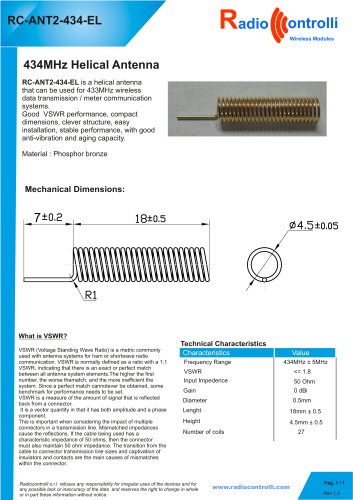 RC-ANT2-434-EL
1 Page
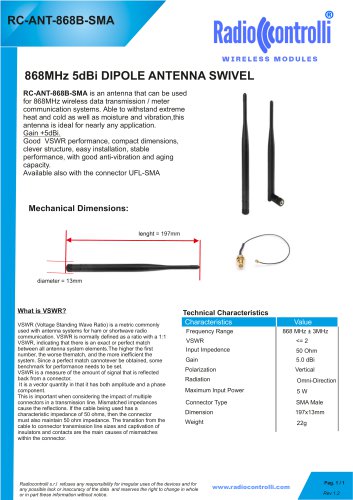 RC-ANT-868B-SMA
1 Page
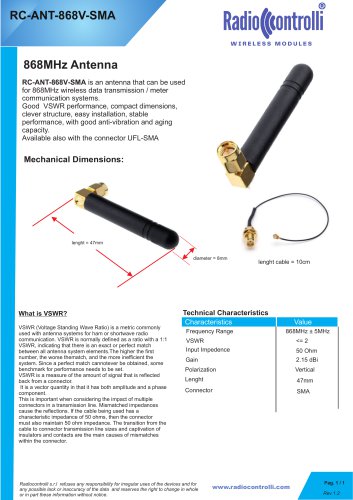 RC-ANT-868V-SMA
1 Page
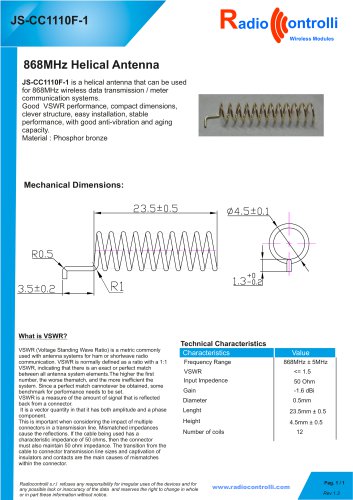 JS-CC1110F-1
1 Page
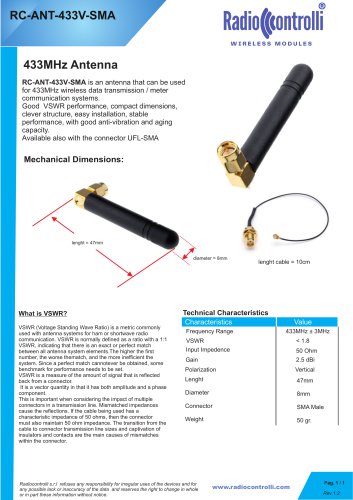 RC-ANT-433V-SMA
1 Page
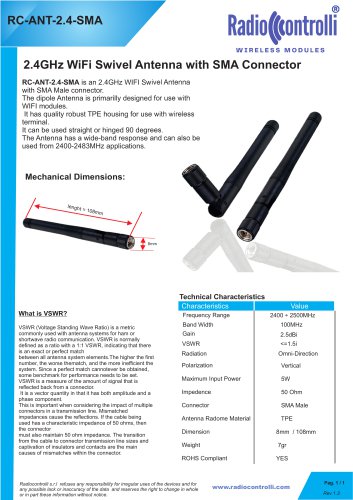 RC-ANT-2.4-SMA
1 Page
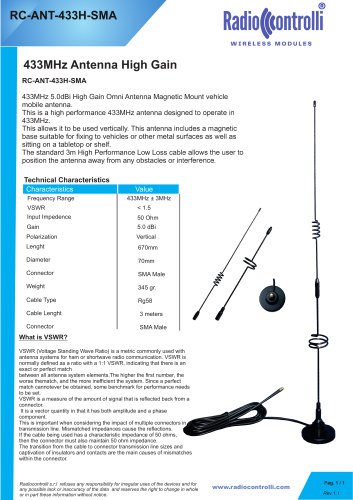 RC-ANT-433H-SMA
1 Page
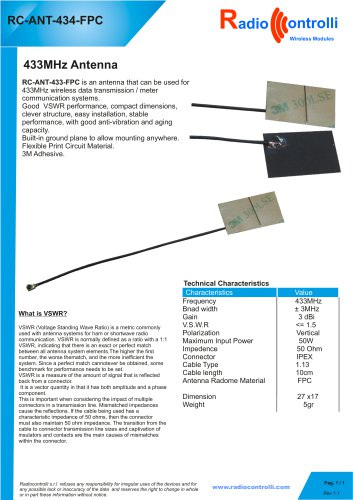 RC-ANT-434-FPC
1 Page
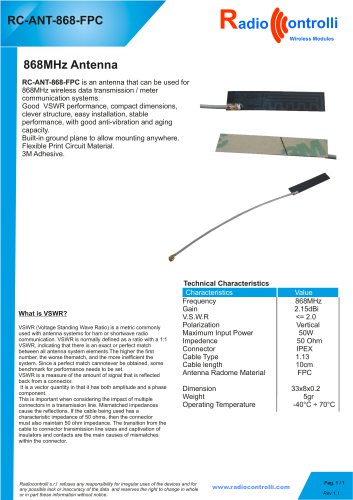 RC-ANT-868-FPC
1 Page
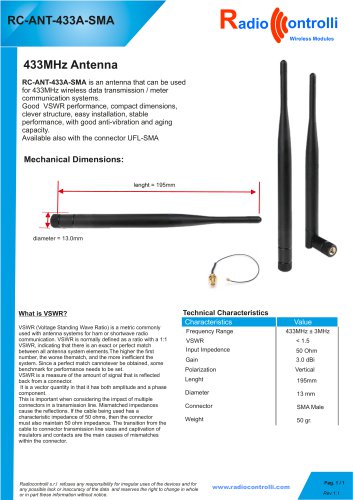 RC-ANT-433A-SMA
1 Page
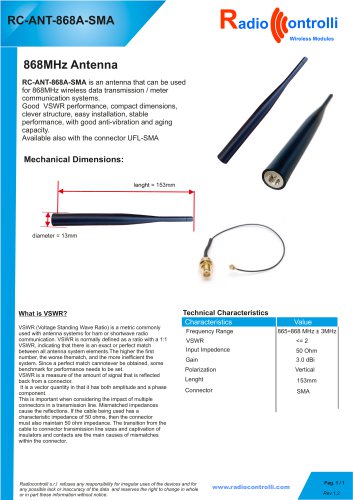 RC-ANT-868A-SMA
1 Page
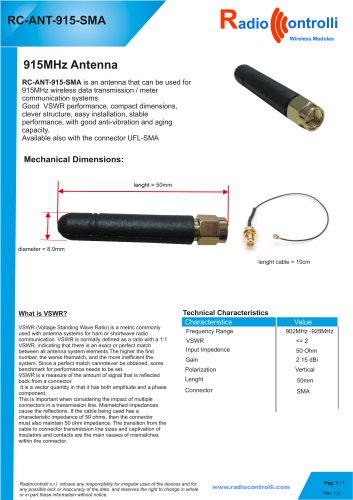 RC.ANT-915-SMA
1 Page
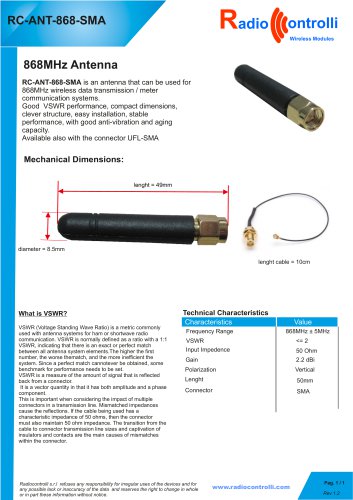 RC-ANT-868-SMA
1 Page
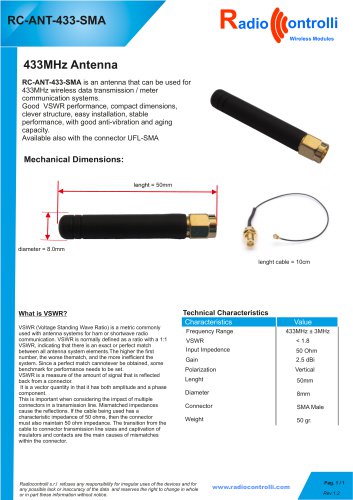 RC-ANT-434-SMA
1 Page
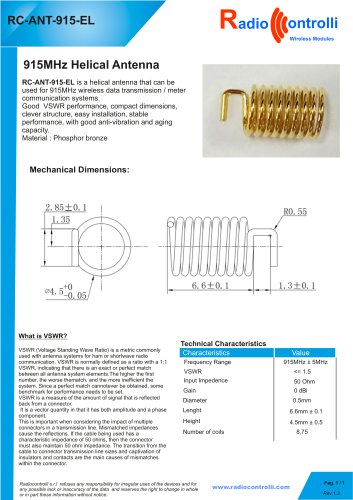 RC-ANT-915-EL
1 Page
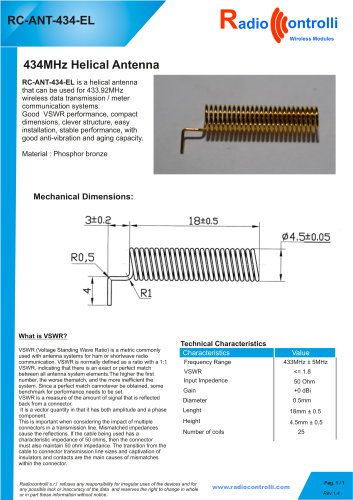 RC-ANT-434-EL
1 Page
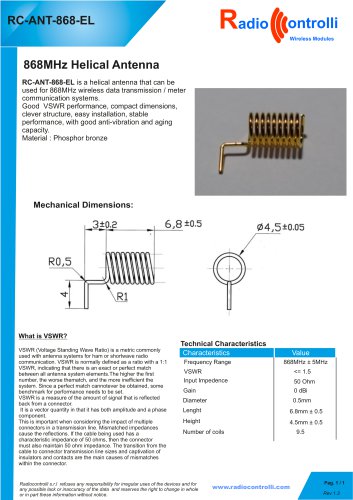 RC-ANT-868-EL
1 Page
 RC-S2LP-915
8 Pages
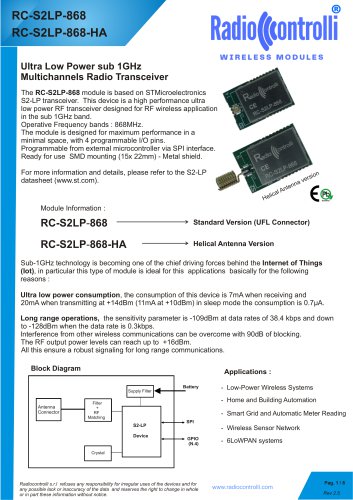 RC-S2LP-868
8 Pages
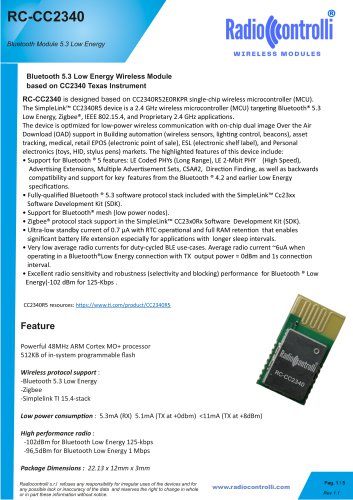 RC-CC2340
5 Pages
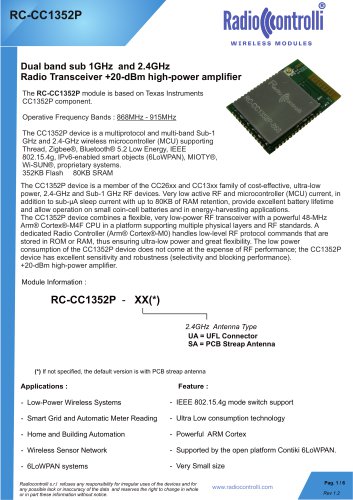 RC-CC1352P
6 Pages
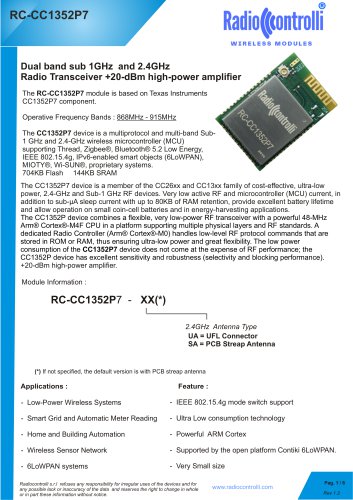 RC-CC1352P7
6 Pages
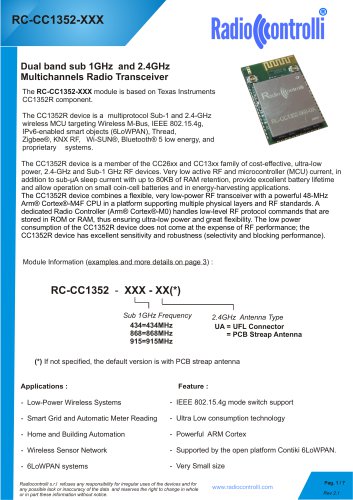 RC-CC1352-XXX
7 Pages
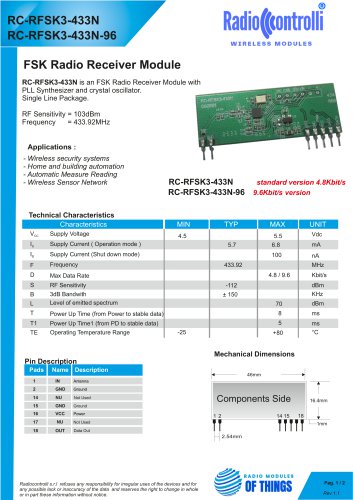 RC-RFSK3-433N
2 Pages
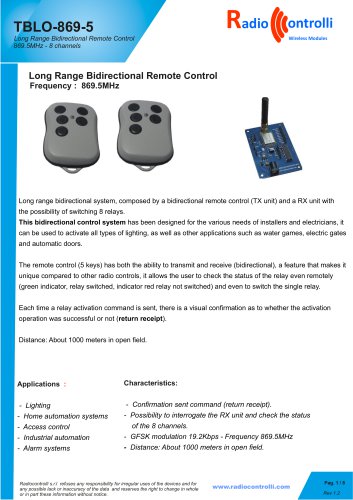 TBLO-869-5
8 Pages
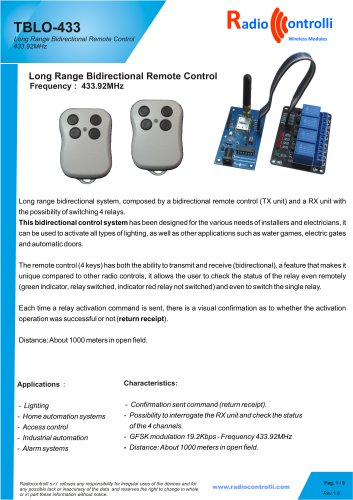 TBLO-433-4
8 Pages
 TBLO-915-4
9 Pages
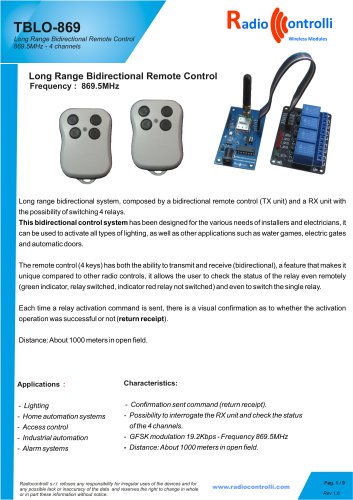 TBLO-869-4
9 Pages
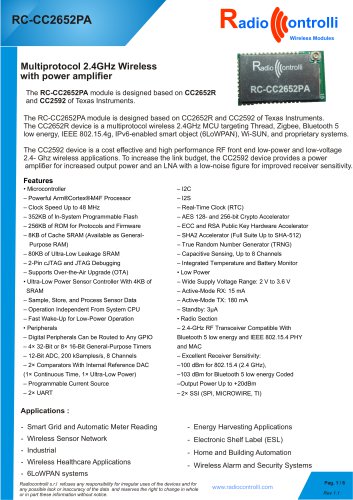 RC-CC2652PA
6 Pages
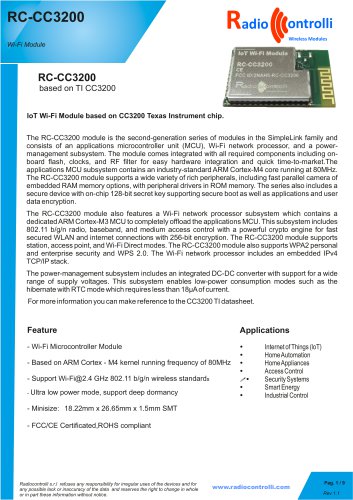 RC-CC3200
9 Pages
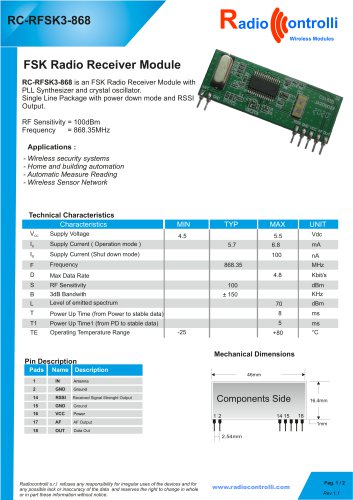 RC-RFSK3-868
2 Pages
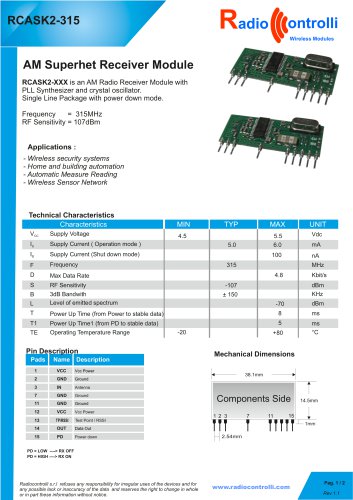 RCASK2-315
2 Pages
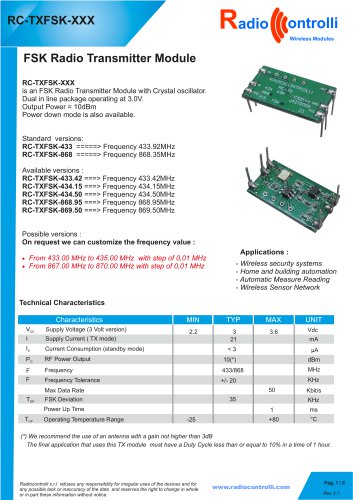 RC-TXFSK-XXX
2 Pages
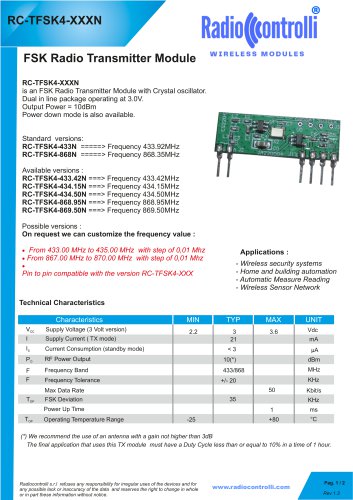 RC-TFSK4-XXXN
2 Pages
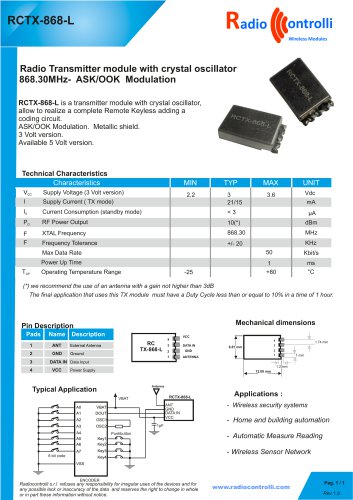 RCTX-868-L
1 Page
 RCTX-868
1 Page
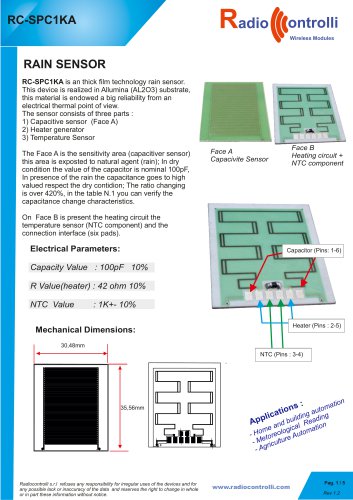 RC-SPC1KA
5 Pages
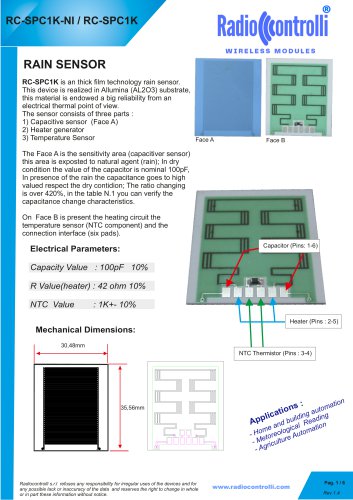 RC-SPC1K
6 Pages
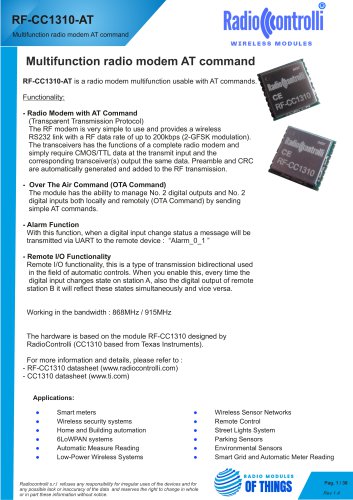 RF-CC1310-AT
38 Pages
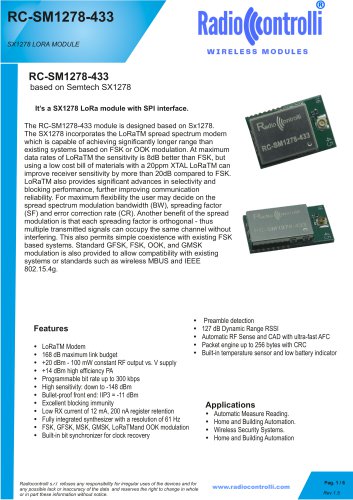 RC-SM1278-434
6 Pages
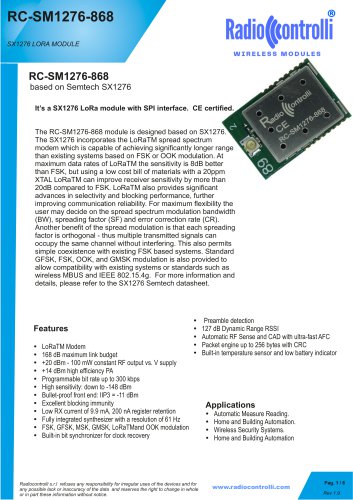 RC-SM1276-868
6 Pages
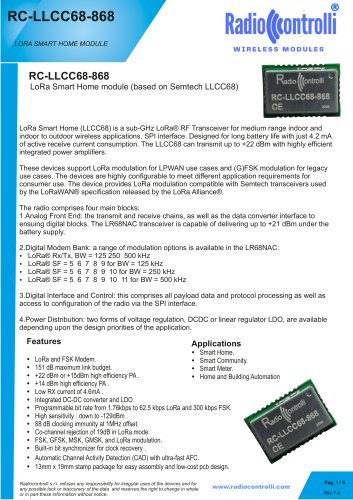 RC-LLCC68-868
6 Pages
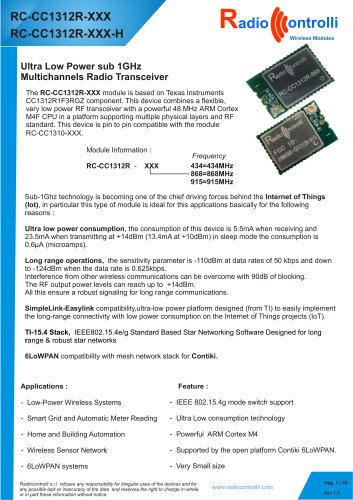 RC-CC1312R-915
10 Pages
 RC-CC1312R-868
8 Pages
 RC-CC1312R-434
10 Pages
 RC-CC1310-915
10 Pages
 RC-CC1310-868
9 Pages
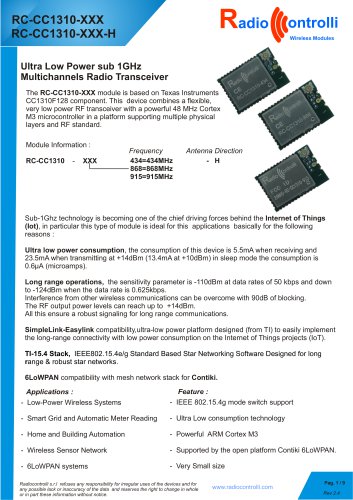 RC-CC1310-434
9 Pages
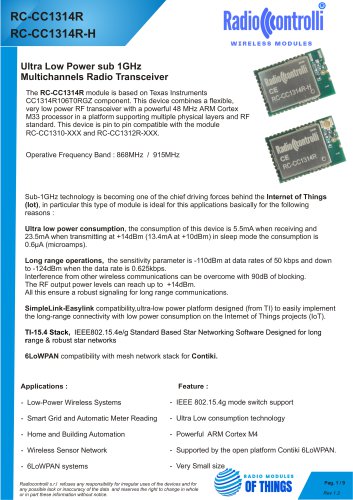 RC-CC1314R
9 Pages
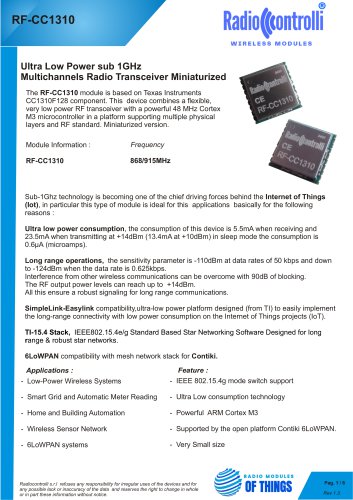 RF-CC1310
6 Pages
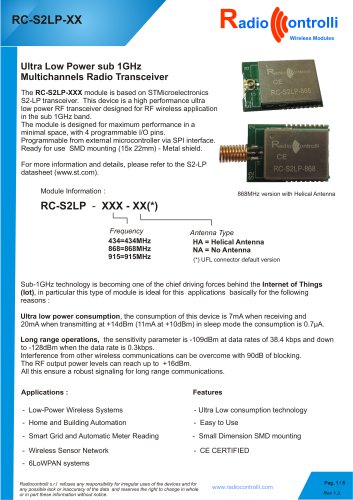 RC_s2LP-434
5 Pages
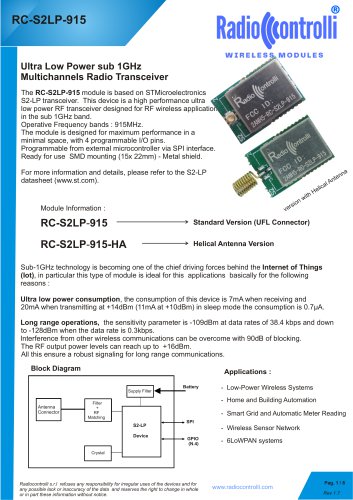 RC-S2LP-915
8 Pages
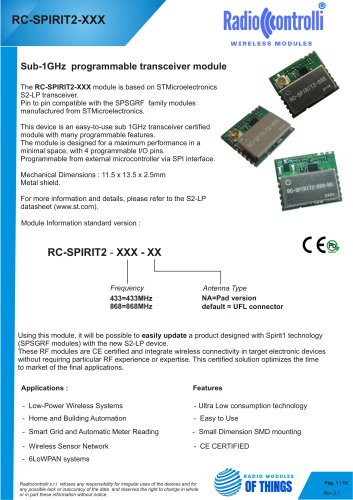 RC-SPIRIT2-433
15 Pages
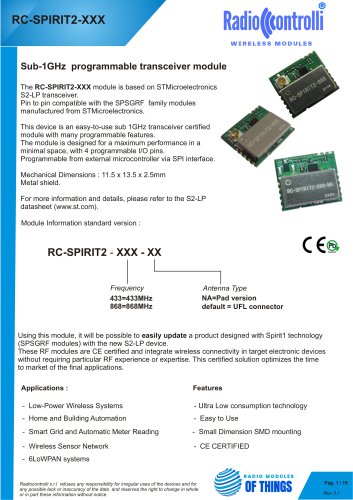 RC-SPIRIT2-868
15 Pages
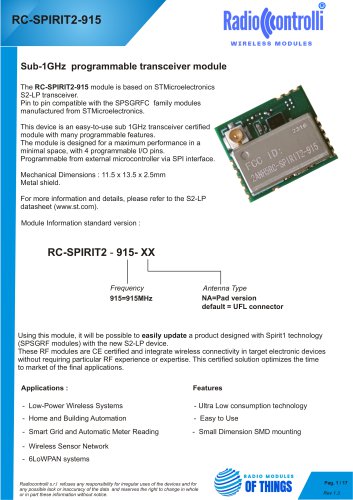 RC-SPIRIT2-915
17 Pages
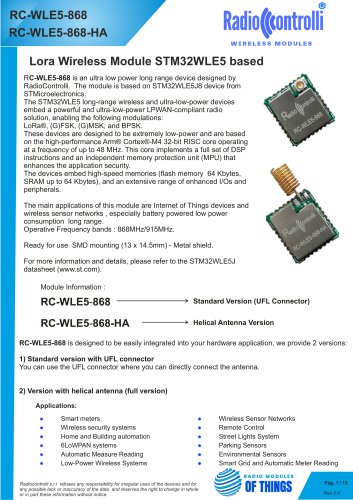 RC-WLE5-868
13 Pages
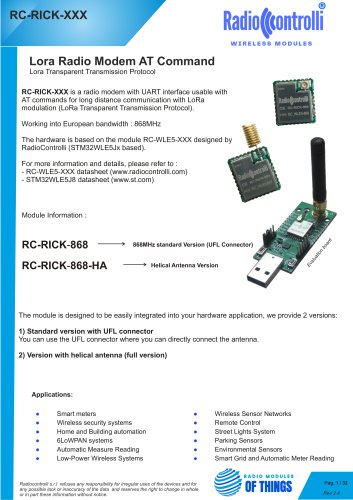 RC-RICK-868
32 Pages
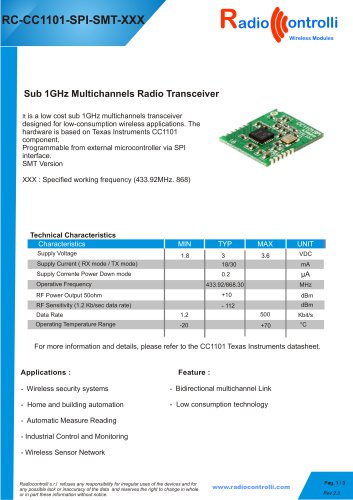 RC-CC1101-SPI-SMT-868
3 Pages
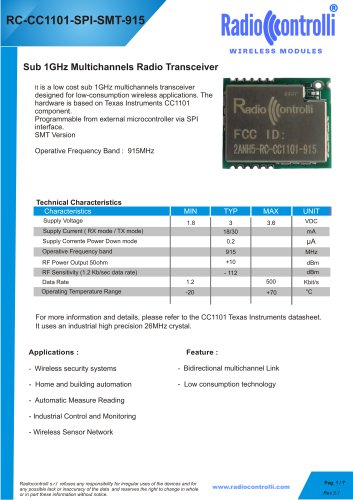 RC-CC1101-SPI-SMT-915
7 Pages
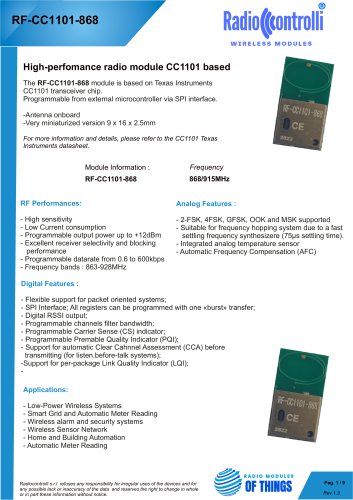 RF-CC1101-868
9 Pages
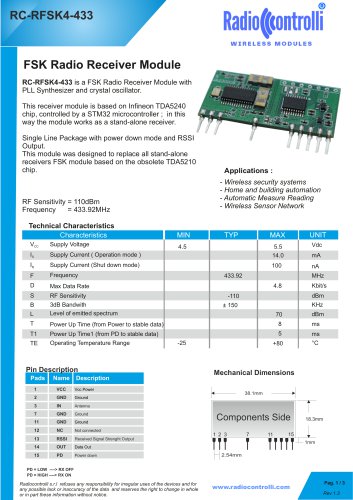 RC-RFSK4-433
3 Pages
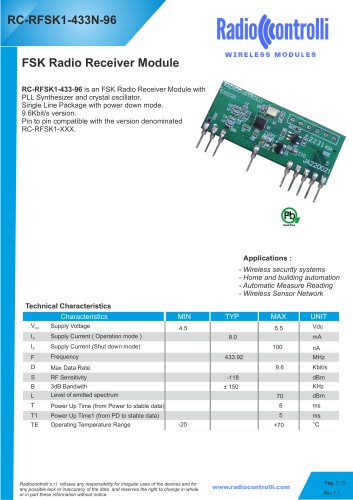 RC-RFSK1-433N-96
3 Pages
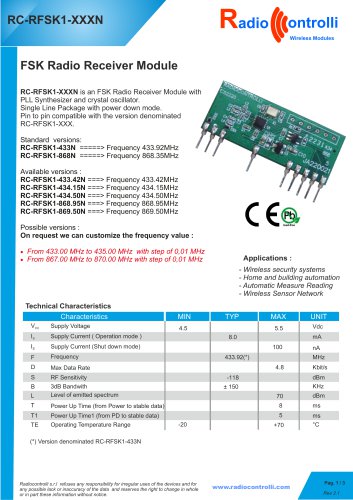 RC-RFSK1-XXXN
3 Pages
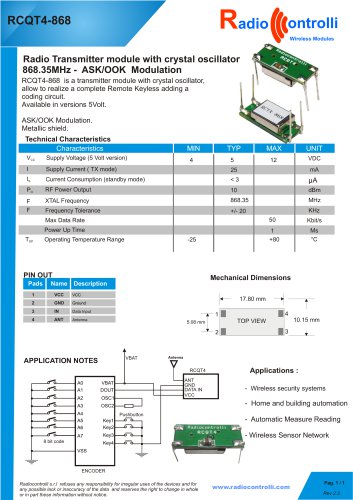 RCQT4-868
1 Page
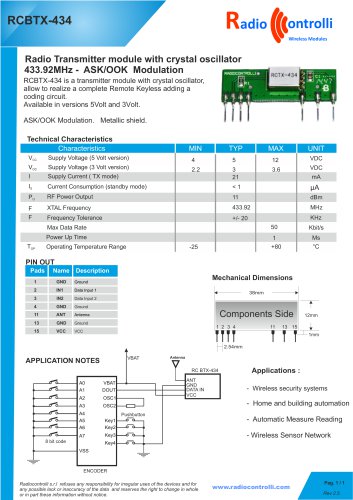 RCBTX-434
1 Page
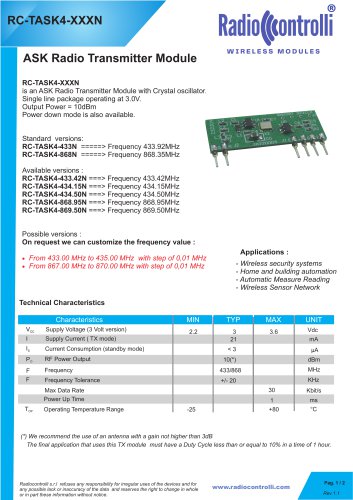 RC-TASK4-XXXN
2 Pages
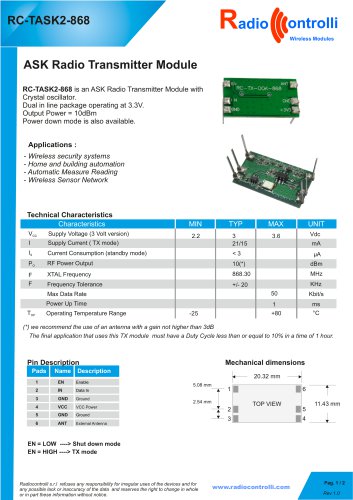 RC-TASK2-868
2 Pages
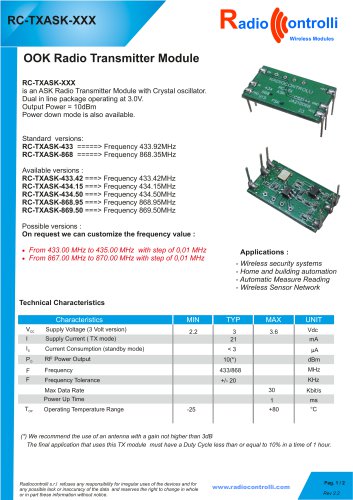 RC-TXASK-XXX
2 Pages
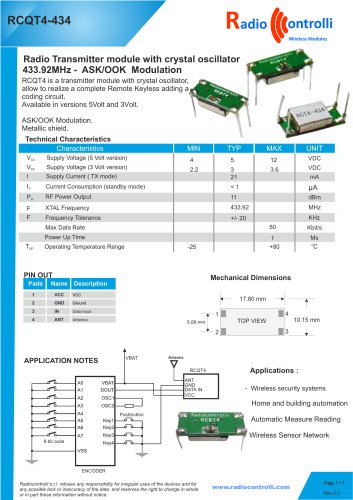 RCQT4-434
1 Page
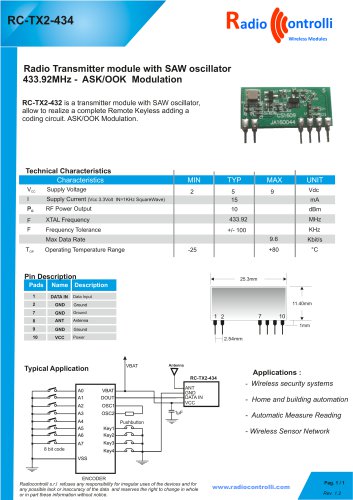 RC-TX2-434
1 Page
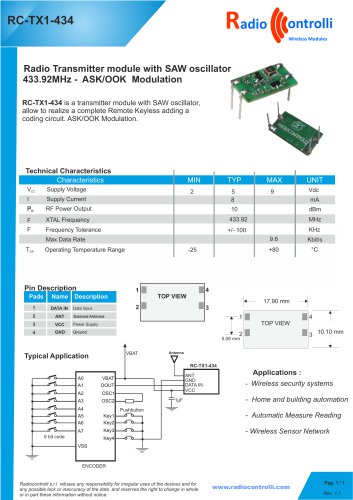 RC-TX1-434
1 Page
 RCTX-434
1 Page
 RCRX-868
1 Page
 RCASK3-434-CH
2 Pages
 RCASK4-434-CH
3 Pages
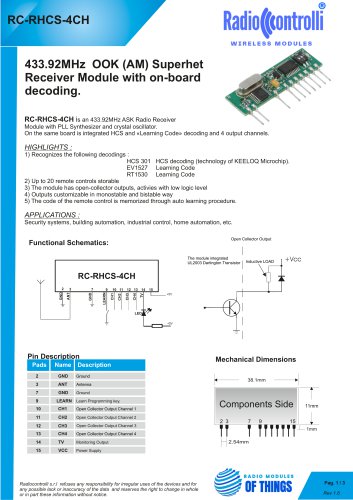 RC-RHCS-4CH
3 Pages
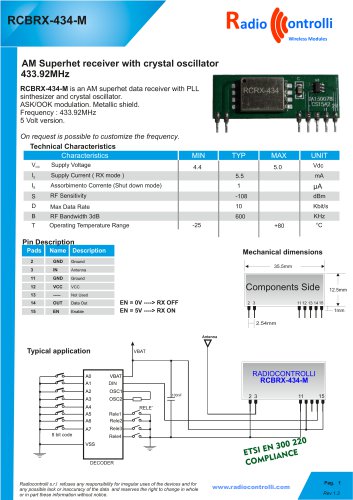 RCBRX-434-M
1 Page
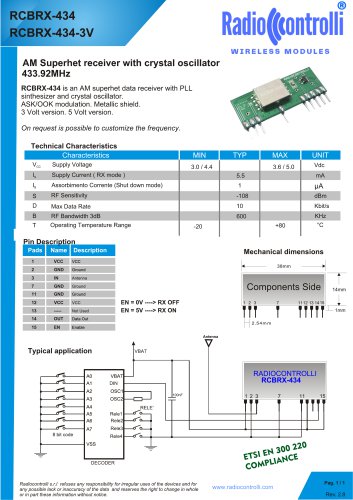 RCBRX-434
1 Page
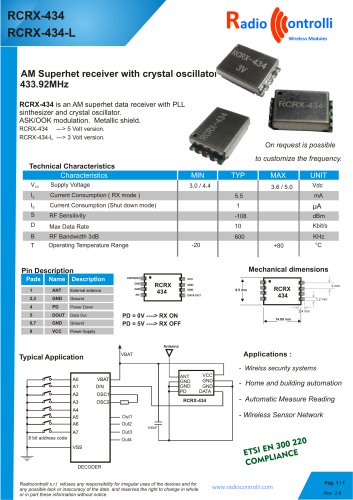 RCRX-434
1 Page
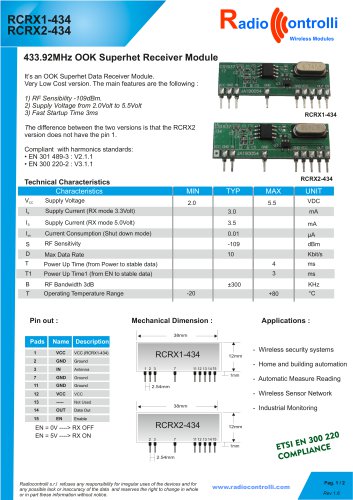 RCRX1-434
2 Pages
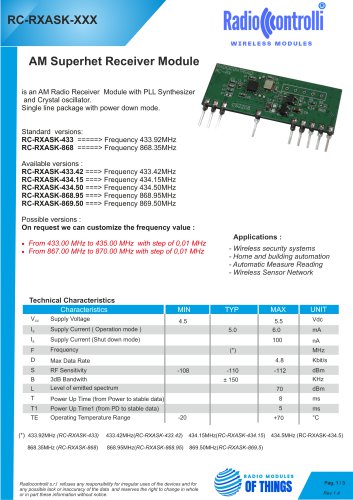 RC-RXASK-XXX
3 Pages
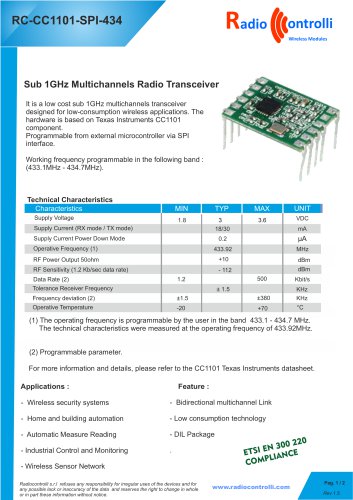 RC-CC1101-SPI-434 DATASHEET
2 Pages
 RadioControlli product catalog
24 Pages

Archived catalogs
 RCQ2-868-S
14 Pages
 RCQ2-434
14 Pages
 RC-CC1101-SPI-434
2 Pages
 RC-CC1101-SPI-868
2 Pages
 RCTX-434
1 Page
 RCRX-434
1 Page
 RCS1KPA-868
2 Pages
 RCS1KSMT-XXX
8 Pages
 RCS1K-868
8 Pages
 RC434_LP
2 Pages
 RC-RFSK1-XXX
2 Pages
 RCBRX-434-M
1 Page
 RC-TFSK1-XXX
2 Pages
 RC-TFSK2-434
2 Pages
 RCBTX-434
1 Page
 RCQT4-868
1 Page
 RCQ2-869-HP
12 Pages
 RCQ2-868
14 Pages
 RCQT4-434
1 Page
 RC-CC1101-SPI-SMT-XXX
2 Pages
 RCRX4-434
1 Page
 868MHz Receiver Module
1 Page
 Radio Modules Catalog
6 Pages
 Radio Modules Catalog
8 Pages
 RC-CC1310-XXX Datasheet
7 Pages
 RCASK2-XXX
2 Pages
 RCBRX-434
1 Page
 RCASK4-434-CH
3 Pages
 RC-CC2640-A
3 Pages
 RC-CC2640-B
3 Pages
 RC-CC3200
9 Pages
 RC-RFSK2-XXX
2 Pages
 RCRX3-315
1 Page
 RC-SM1276-868
4 Pages
 RC-SPC1K Rain Sensor
5 Pages
 RC-TFSK3-XXX FSK Transmitter
2 Pages
 RCRX-434-3V
1 Page
 868MHz Helical Antenna
1 Page
 Wireless applications
6 Pages
 RCASK-XXX
2 Pages
 RC-CC1310-XXX
4 Pages
 Wireless Application
6 Pages
 Transceiver RCS1K-868 TERM
3 Pages
 Transceiver RCS1KPA-868 TERM
3 Pages
 RCQ2-868-PCB
11 Pages
 RS232-USB Interface
1 Page
 Transceiver RCS1K-868
11 Pages
 Tranceiver RCS1KSMT-868
5 Pages
 Transceiver RCS1KPA-868
5 Pages
 RCRX-434
1 Page
 RCTX-434
1 Page
 RC-CC1101-SPI
2 Pages
 RC-CC1101-SPI-SMT
2 Pages
 RCBRX-434
1 Page
 radiocontrolli modules
6 Pages


- Wireless remote control
- Remote control with buttons
- Transceiver module
- Wireless module
- Data transceiver
- Lithium remote control
- Compact antenna
- Radio transceiver module
- Industrial modem
- RS232 modem
- Remote control with feedback
- Mobile antenna
- High-speed transceiver
- Tracking antenna
- Antenna for IoT applications
- Data transmission transceiver
- 4-button remote control
- RS485 modem
- Data transfer antenna