

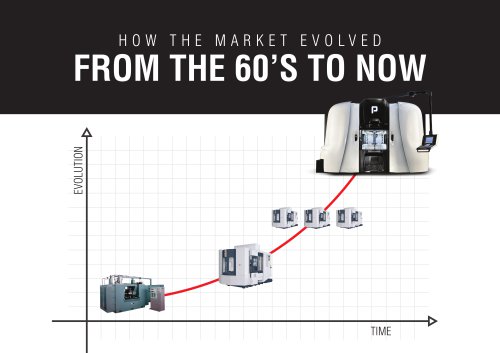
HOW THE MARKET EVOLVED FROM THE 60’S TO NOW
1 / 6 PagesView full catalog
HOW THE MARKET EVOLVED FROM THE 60’S TO NOW
Product catalog summary
Market Evolution Overview
The document outlines the evolution of the machining market from the 1960s to the present day, highlighting changes in market needs and technological advancements.
Situation Before the New Market Need (1960s-1970s)
During this period, the market was dominated by high production transfer machines built per order. These machines were characterized by their lack of flexibility and were tailored for specific production needs.
New Market Need (1980s-1990s)
The market began to demand more flexibility and productivity. This led to the development of standard machining centers built in series, including Horizontal Machining Centers (HMC) and Vertical Machining Centers (VMC). Key innovations included:
Adaptation and Innovation (1990s-2000s)
During this period, existing technologies were modified and adapted to meet the evolving market needs. The focus was on increasing both flexibility and productivity.
Introduction of the "Flexible Production" Method (2005 to Today)
Maurizio Porta introduced the "Flexible Production" method, creating a new category with the Multicenter. This was the first standard flexible machine built in series to address the new market demands. The shift in mentality from traditional CNC machining centers to Multicenter machines resulted in higher EBITDA and a more favorable investment payback.
Conclusion
The document highlights the significant shift in the machining industry from custom-built machines to standardized, flexible solutions that meet modern market demands for both flexibility and productivity.
The document outlines the evolution of the machining market from the 1960s to the present day, highlighting changes in market needs and technological advancements.
Situation Before the New Market Need (1960s-1970s)
During this period, the market was dominated by high production transfer machines built per order. These machines were characterized by their lack of flexibility and were tailored for specific production needs.
New Market Need (1980s-1990s)
The market began to demand more flexibility and productivity. This led to the development of standard machining centers built in series, including Horizontal Machining Centers (HMC) and Vertical Machining Centers (VMC). Key innovations included:
- Revolver Head
- Units on XY slides
- Rotating chucks
- Twin-spindle Machining Centers
- Battery of Machining Centers
- Flexible Manufacturing Systems (FMS) with Multi-pallet capabilities
Adaptation and Innovation (1990s-2000s)
During this period, existing technologies were modified and adapted to meet the evolving market needs. The focus was on increasing both flexibility and productivity.
Introduction of the "Flexible Production" Method (2005 to Today)
Maurizio Porta introduced the "Flexible Production" method, creating a new category with the Multicenter. This was the first standard flexible machine built in series to address the new market demands. The shift in mentality from traditional CNC machining centers to Multicenter machines resulted in higher EBITDA and a more favorable investment payback.
Conclusion
The document highlights the significant shift in the machining industry from custom-built machines to standardized, flexible solutions that meet modern market demands for both flexibility and productivity.
See more
Catalog excerpts
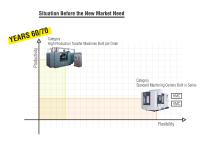
Situation Before the New Market Need Category High Production Transfer Machines Built per Order Category Standard Machining Centers Built in Series HMC VMC
Open the catalog to page 2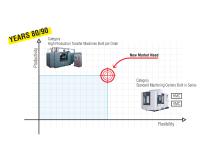
Category High Production Transfer Machines Built per Order New Market Need Category Standard Machining Centers Built in Series HMC VMC
Open the catalog to page 3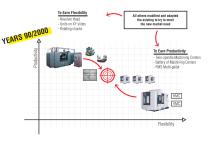
- Revolver Head All others modified and adapted the existing to try to meet the new market need - Rotating chucks To Earn Productivity - Twin-spindle Machining Centers - Battery of Machining Centers
Open the catalog to page 4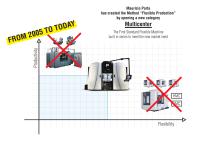
Multicenter The First Standard Flexible Machine built in series to meet the new market need Maurizio Porta has created the Method “Flexible Production” by opening a new category
Open the catalog to page 5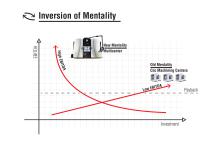
Old Mentality Cnc Machining Centers
Open the catalog to page 6All PORTA catalogs and technical brochures
 MANAGEMENT SYSTEM POLICY
1 Page
 General supply conditions
8 Pages
Related Searches
*Prices are pre-tax. They exclude delivery charges and customs duties and do not include additional charges for installation or activation options. Prices are indicative only and may vary by country, with changes to the cost of raw materials and exchange rates.