HAPTIC BIOFEEDBACK UNSAFE BEHAVIORS
HAPTIC BIOFEEDBACK UNSAFE BEHAVIORS
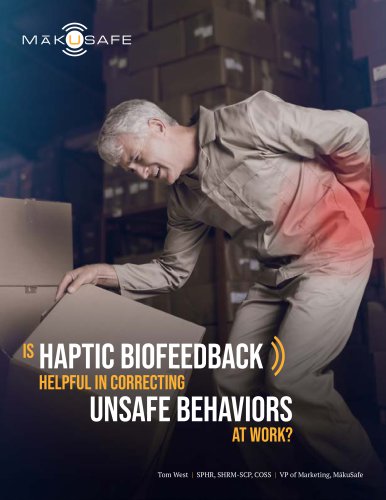
Haptic biofeedback involves using physical sensations, such as vibrations, to provide real-time feedback to users about their behavior. It is often promoted as a tool to encourage behavior change, like improving posture or reminding individuals to take deep breaths. However, its effectiveness in achieving lasting workplace behavior change is questionable.
Reinforcement Theory
The theory suggests that haptic feedback creates a direct link between behavior and physical sensation. Positive reinforcement, such as a pleasant vibration, can encourage desired behaviors. However, negative reinforcement, like unpleasant sensations, should be used cautiously, especially in the workplace.
Challenges of Haptic Feedback
Haptic feedback often fails to provide effective positive reinforcement and relies heavily on negative stimuli, which can be distracting or annoying. Workers may ignore or disable the feedback, rendering it ineffective. The feedback is often seen as intrusive and lacks the context needed for meaningful behavior change.
Importance of Communication and Coaching
For haptic feedback to be effective, it must be accompanied by clear communication and expert coaching. Workers need guidance on why behavior change is important and how to achieve it. Relying solely on technology without additional support can lead to misunderstandings and ineffective outcomes.
Long-term Effectiveness
There is limited evidence supporting the long-term effectiveness of haptic biofeedback in promoting lasting behavior change. While some studies show short-term benefits, they are often small and not indicative of sustained change.
Conclusion
Haptic biofeedback, while appealing as a quick solution, is unlikely to result in lasting behavior change without additional tools and strategies. It may become a nuisance or distraction, potentially increasing risks rather than reducing them. Organizations should carefully consider their goals and select appropriate tools to achieve them.
Catalog excerpts
HAPTIC BIOFEEDBACK HELPFUL IN CORRECTING UNSAFE BEHAVIORS AT WORK? Tom West | SPHR, SHRM-SCP, COSS | VP of Marketing, MākuSafe
Open the catalog to page 1
Haptic biofeedback is a term used to describe the use of physical sensations or vibrations to provide real-time feedback to a user about their behavior. The realities of haptic feedback are numerous and easy to see: This technology has been touted as a way to promote behavior change, such as encouraging people to sit up straight or reminding them to take deep breaths. However, the effectiveness of haptic feedback in promoting lasting workplace behavior change should be carefully considered. In this article, we’ll explore why haptic feedback may be unlikely to result in lasting or meaningful behavior...
Open the catalog to page 2
Tom West is Vice President of Marketing at MakuSafe, as well as being a SHRM & HRCI Senior Certified Human Resources Professional and Certified Occupational Safety Specialist. Over the years, Tom has held executive leadership roles with many companies providing learning & development tools, technology, and services. Tom also served as a College Management Professor for over 28 years. Tom is an Avetta Fellow and a professional member of the National Speakers Association, in addition to being an active member in the AIHA, National Safety Council, ASSP, and VPPPA. If you are interested in learning...
Open the catalog to page 3All MakuSafe catalogs and technical brochures
 PRODUCT SUMMARY
4 Pages