


Indexable Mills Catalog
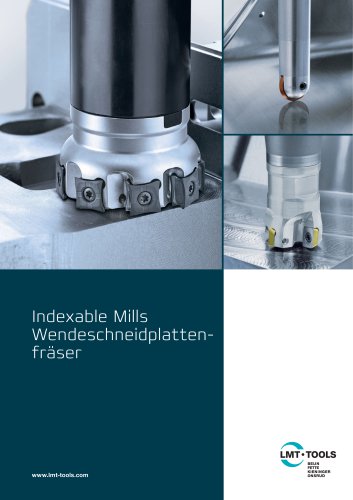
Indexable Mills Catalog
LMT Tools is a prominent developer and manufacturer of precision tools, specializing in milling, threading, rolling systems, gear cutting, and advanced tools. The company operates globally under the brands LMT Fette, LMT Kieninger, LMT Onsrud, and LMT Belin, employing over 1,000 people worldwide.
LMT Tools has production facilities in Germany, the USA, India, and China, with sales offices across Europe, the Americas, and Asia-Pacific.
The company provides solutions for industries such as transportation, stationary equipment, mould and die, pump and valve, and general machining.
LMT Tools offers training through its Academy, including webinars and live sessions to educate employees and customers on products and processes.
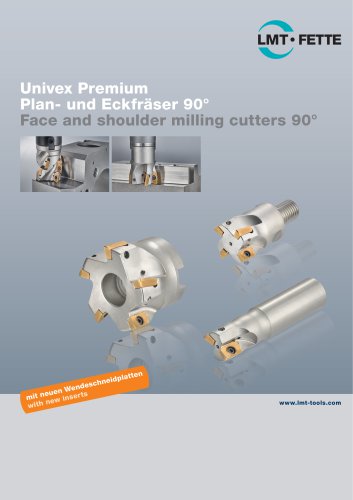
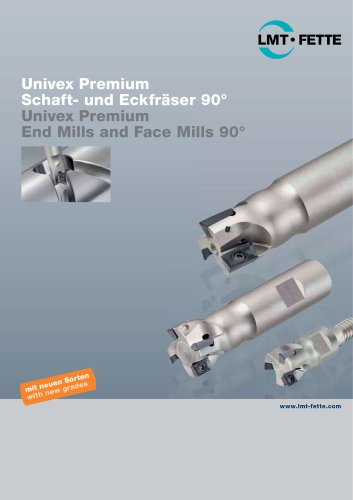
Specializing in mould and die applications, LMT Tools offers products like CopyLine and ACU-Jet Premium for precision and efficiency. In general machining, products like Univex Premium and MultiEdge systems are noted for their versatility and precision.
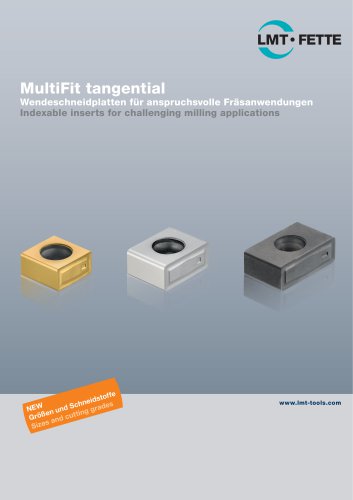
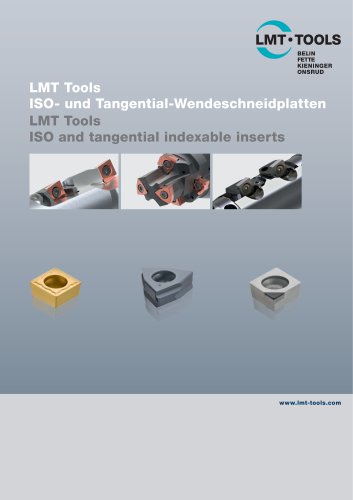
The document details the LMT Code for indexable tools and inserts, explaining types, geometries, and materials used. The LMT cutting material key assists users in selecting appropriate materials based on the ISO key for workpiece materials.
- Carbide (Coated and Uncoated): Used for machining steel, cast iron, and non-ferrous metals, with coatings like PVD and CVD enhancing wear resistance.
- Cermet: Known for toughness and wear resistance, suitable for high-speed machining.
- Ceramics: Ideal for high-temperature applications and machining hard materials.
- Polycrystalline Diamond (PCD): Used for non-ferrous metals and composite materials, offering high wear resistance.
- Cubic Boron Nitride (CBN): Suitable for hardened materials and cast iron, providing high cutting speeds and durability.
- Steel and Cast Iron: Various grades optimized for machining steel and cast iron, with specific coatings enhancing performance in wet and dry conditions.
- Non-Ferrous Metals: Grades like PCD are used for aluminum and bronze, offering high-speed machining capabilities.
- Heat-Resistant Alloys: Specialized grades available for machining titanium and Inconel, focusing on preventing material adhesion and maximizing tool life.
- Wear Resistance: Most grades are designed to withstand high wear, ensuring longevity and efficiency in machining operations.
- Toughness: Many materials are engineered to maintain toughness, allowing them to handle high-stress conditions without chipping or breaking.
- Coating Technologies: Advanced coatings like PVD, CVD, and AlTiN enhance cutting tool performance, providing better heat resistance and reduced wear.
- Select the appropriate cutting material grade based on the workpiece material and specific machining operation required.
- Consider the coating type and its benefits for the intended application, especially in high-speed or high-temperature environments.
- Utilize grades with high cutting edge stability for precision machining tasks to ensure optimal results.
The document lists various steel and alloy types, including stainless steel, grey cast iron, nodular cast iron, aluminum alloys, copper alloys, thermoplastics, duroplastics, titanium alloys, and nickel-based alloys, identified by DIN designation, material number, and mechanical properties like tensile strength.
Initial cutting data values for different materials are provided, which need adjustment based on specific conditions. It includes feed per tooth, cutting speed, and depth of cut for roughing and finishing operations, with specific carbide grades recommended for various machining conditions.
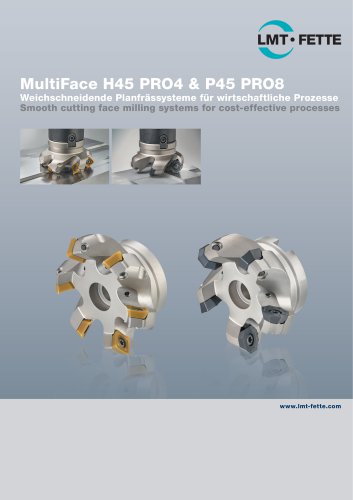
The MultiFace P45 PRO8 is highlighted as a versatile face milling system suitable for roughing and finishing various materials, featuring a positive face milling system for reduced power consumption and offering different geometries and cutting materials for ISO-P, ISO-K, ISO-M, and ISO-S materials.
Different insert geometries are described, each designed for specific machining conditions, with features like stable geometry, soft-cutting geometry, and universal geometry for a wide range of applications.
Recommendations for dry and wet machining are provided, emphasizing air-blast cooling for dry machining and sufficient emulsion volume for wet machining.
An example of a face milling operation using the MultiFace P45 PRO8 on cold work steel demonstrates a 30% increase in chipping volume and a 50% increase in tool life.
Detailed specifications for various cutting tools and inserts are provided, including dimensions, catalog numbers, and identification codes.
Instructions for face milling, plunge milling, ramping, and circular milling are included, specifying maximum axial drilling depth and guidelines for tool usage based on material type.
Cutting data recommendations are outlined, emphasizing the need to adjust values based on actual conditions.
Materials such as plain carbon steel, stainless steel, cast iron, and titanium alloys are categorized, with suitable cutting materials and applications specified for each tool type.
Features of different indexable inserts are highlighted, such as chip-breaker designs and protective chamfers, indicating their suitability for various machine power capacities and material strengths.
Tables provide detailed data on tool dimensions, cutting parameters, and material properties, crucial for selecting the appropriate tool and settings for specific machining tasks.
References to additional pages for further details on cutting data and material descriptions are included, noting the availability of tools in inch dimensions.
- Adjustment of components should be done in the upward direction to ensure pretension. If downward adjustment is needed, return to the starting point.
- Pre-adjustment involves screwing the thread pin into the wedge and the wedge into the cutter body, followed by inserting the cartridge and setting it slightly below nominal height.
- Fine adjustment is achieved by turning the thread pin counterclockwise to reach nominal height, with an adjustment accuracy of 4 μm.
- Tightening torques for screws are specified at 3 Nm for pre-adjustment and at least 5 Nm for fine adjustment.
- The Feed-Jet PLUS system is designed for high cutting performance in roughing aluminum components, featuring a high number of teeth and PCD cutting cassettes.
- Customer benefits include high cutting rates, reduced vibrations, shorter cycle times, and excellent surface quality.
- Cutting parameters for the Feed-Jet face milling cutters are provided as reference values, with specific recommendations available upon request.
- Special requirements for PCD cartridges include high cutting depth and specific surface demands, with a service package for regrinding or re-tipping.
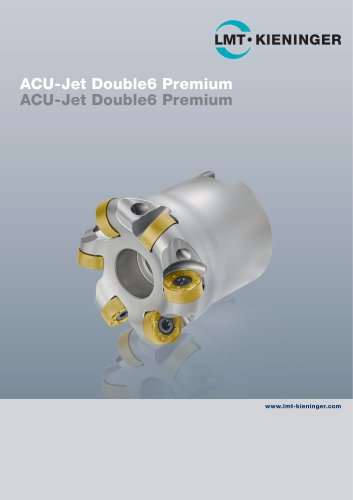
- The ACU-Jet Double6 system is optimized for roughing tool steel, stainless steel, and superalloys, featuring a double-sided indexable insert for up to 12 applications.
- Different geometries are available for heavy roughing and average machining, providing stability and process reliability.
The document discusses the FinishLine Premium tool system, which includes mixed cutting grades (carbide/CBN) and a vibration-cushioned extension. The Wiper XXL insert is highlighted for its ability to improve surface quality with a wiper surface of 3 mm, allowing for higher feed rates and better surface finishes in larger tool diameters.
When installing the Wiper XXL insert, ensure the chamfered corner is in the insert seat, and the wiper surface with the radius points forward. This setup acts as a smoothing edge to achieve the desired surface quality.
The document provides an example of using the FinishLine Premium tool on a cast iron frame, achieving a surface quality of Ra = 0.8–1.0. It also includes cutting data such as cutting speed, feed per tooth, and achieved surface quality.
The introduction of the LCPH05M grade is noted, designed for machining hardened materials up to 65 HRC, particularly useful in injection mold production and general machining of hardened parts.
Various geometries suitable for different materials and machining processes are outlined, emphasizing the importance of following application recommendations to achieve optimal results with the FinishLine Premium system.
Recommendations for cutting data are provided, including maximum feed per tooth and cutting speeds for different milling operations, stressing the need to adjust these values based on specific conditions.
The FinishLine Premium system offers high precision and flexibility, with features like direct insert changes on the machine and suitability for various materials and machining processes. Proper setup and adherence to recommended parameters are crucial for achieving the best results.
This document provides detailed specifications for various milling tools and accessories, including torque spanners, internal cooling options, and dimensions for screw-on type milling cutters. It includes a comprehensive list of product codes, dimensions, and torque values for different tool types.
Torque specifications for indexable insert cutters are provided, with references to specific pages for detailed torque values. Cutting data recommendations are available, offering guidance on initial cutting values that need adjustment based on specific conditions.
The document details extensions for screw-on type milling cutters, including connection dimensions and calculations. It lists catalog numbers, dimensions, and identification numbers for various extension models.
Cutting data recommendations for different materials, including plain carbon steel, stainless steel, cast iron, and various alloys, are provided. The document specifies material numbers, old and new DIN descriptions, and tensile strength ranges.
Recommendations for cutting speed and feed per tooth are given for different tool diameters and materials. These values are starting points and should be adjusted according to the specific machining conditions.
The document mentions the availability of cutters in inch dimensions and provides references to additional pages for screws, wrenches, and grade descriptions. It also highlights the availability of diamond-coated or PCD/CBN-tipped inserts on request.
This document provides detailed specifications and guidelines for various milling tools and indexable inserts used in machining processes. It includes information on bevel milling cutters, T-slot cutters, and the materials suitable for these tools.
- Bevel Milling Cutters 45°: The document lists dimensions and specifications for bevel milling cutters, including diameter, length, and radius. It highlights the primary and alternative applications for these cutters.
- T-Slot Cutters 90°: Specifications for T-slot cutters are provided, detailing dimensions such as diameter, length, and number of cutting edges. The document also includes identification numbers and ISO codes for these tools.
- Material Specifications: The document outlines various materials, including plain carbon steel, stainless steel, cast iron, and aluminum alloys, with their corresponding DIN descriptions and tensile strength ranges.
- Cutting Data Recommendations: Recommendations for cutting speeds and efficiency factors are provided, with adjustments suggested for uncoated grades and the use of coolants.
- Insert Designations: The document explains the ISO designation system for indexable inserts, including basic form, clearance angle, tolerances, and cutting edge specifications.
- Application Range: It categorizes inserts based on their suitability for different materials, such as steel, stainless steel, cast iron, and nonferrous metals, indicating main and alternative applications.
- ISO Codes and Standards: References to ISO codes and standards are provided for further details on grades and specifications.
- Website References: The document includes links to the LMT Tools website for additional resources and information.
This document is a technical catalogue for LMT Tools, focusing on various types of cutting inserts used in milling operations. It provides detailed specifications, applications, and material compositions for different insert types, including WPB, WPR, and WPT series.
- WPB Series: Includes HF, N, and CF variants, each with specific dimensions and applications.
- WPR Series: Features AR, AS, CF, D, DN, and N variants, designed for different hardness levels and machining conditions.
- WPT Series: Focuses on specific applications with unique geometries and cutting edge configurations.
The document provides detailed specifications for milling tools, including parameters such as tool diameter, insert diameter, number of cutting edges, lead angle, approach angle, and roughness. It also covers spindle torque, feed per revolution, cutting force, and required machine power.
Formulas for calculating various machining parameters are provided, such as feed per tooth, effective diameter, mean chip thickness, and feed rate. The document includes specific conditions under which these formulas are valid, such as the depth of cut relative to tool diameter.
Standards for shanks and cutting edges are mentioned, including DIN specifications. Recommendations for different machining processes like roughing and finishing are provided, along with maximum machining data for various cutter types.
Tables and diagrams illustrate effective diameters for different tool types and depths of cut. The document includes charts for cutting speed and feed rate, indicating their relationship with tool diameter and speed.
Key parameters such as the maximum depth of cut for face milling and the maximum angle for inclined immersion are highlighted. The document emphasizes the importance of adhering to specified conditions to ensure optimal tool performance and machining efficiency.
References to further product catalogs and brochures are provided for more comprehensive information on the complete tool program.
Catalog excerpts

ndexable Mills
Open the catalog to page 1
Imprint Publisher: LMT Tools Global Operations GmbH & Co. KG, Vogesenstrasse 23, 77933 Lahr, Germany, Phone: +49 78 21 943-0 Responsible according to the press law.: Jörn Grindel Design: deckermedia GbR, Graal-Müritz Printed by: Druckerei Weidner GmbH, Rostock For readability reasons, the masculine form is used for personal designations and personal nouns for a general understanding. Corresponding terms apply to all genders for the purpose of equal treatment. Impressum Herausgeber: LMT Tools Global Operations GmbH & Co. KG, Vogesenstrasse 23, 77933 Lahr, Deutschland: +49 78 21 943-0 Verantwortlich...
Open the catalog to page 2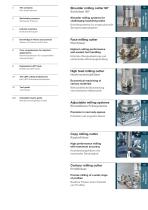
Industry solutions Branchenlösungen Knowledge in theory and practice Wissen in Theorie und Praxis Core competencies for selected applications Kernkompetenzen für ausgewählte Anwendungen Eckfrässysteme für anspruchsvolle Zerspanungsaufgaben Face milling cutter Planfräser Highest cutting performance and easiest tool handling Höchste Zerspanleistung und einfachstes Werkzeughandling Explanation LMT Code Erklärung LMT-Code The LMT cutting material key Der LMT Schneidstoffschlüssel Tool guide Tool Guide Indexable inserts guide Wendeschneidplatten Guide High feed milling cutter Hochvorschubfräser Economical...
Open the catalog to page 3
LMT-TOOLS BELIN LMT Tools is one of the leading experts in the development and production of precision tools. With its passionate commitment to precision, the company ensures that its customers in industry apply superior quality at the crucial interface between machine and workpiece. With more than 1,000 employees worldwide, LMT Tools bundles its expertise in the brands LMT Fette, LMT Kieninger, LMT Onsrud and LMT Belin. The company's main product areas are milling & threading, rolling systems, gear cutting and advanced tools. LMT Tools ist einer der fuhrenden Experten fur die Entwicklung und...
Open the catalog to page 4
Worldwide presence Weltweite Prasenz LMT-TOOLS • LMT Tools production sites: Germany: Lahr, Schwarzenbek USA: Waukegan India: Pune China: Nanjing Deutschland: Lahr, Schwarzenbek USA: Waukegan Indien: Pune China: Nanjing Europe: Czech Republic, France, Germany, Italy, Romania, Spain, United Kingdom. Americas: Brazil, Mexico, USA. Asia-Pacific: China, India, Korea. Europa: Deutschland, Frankreich, Italien, Rumanien, Spanien, Tschechische Republik, Vereinigtes Konigreich. Amerika: Brasilien, Mexiko, USA. Asien-Pazifik: China, Indien, Korea. Contact us and our experts: www.lmt-tools.com Nehmen Sie...
Open the catalog to page 5
Industry solutions Branchenlosungen LMT-TOOLS BELIN The key element of the services at LMT Tools is our eye for detail and passion for precision to help our customers implement their visions, ideas and needs. We see precision tools as the key to bringing ideas to life. These ideas then go on to become market successes, driven forward by efficiency and innovative power. The extensive product range combines the competence of the LMT Belin, LMT Fette, LMT Kieninger and LMT Onsrud brands. It offers perfect solutions for various applications in different industries: ■ Transportation & Transmission:...
Open the catalog to page 6
Knowledge in theory and practice Wissen in Theorie und Praxis Our Academy is the central training and further education unit of the corporate group. At the LMT Tools Training Center, holistic knowledge in theory and practice is passed on to our employees and customers worldwide in order to quickly provide knowledge in response to continuous global market changes in products and production processes. Unsere Academy ist die zentrale Schulungs- und Weiterbildungseinheit der Unternehmensgruppe. Im LMT Tools Training Center wird ganzheitliches Wissen in der Theorie und Praxis weltweit an unsere Mitarbeiter...
Open the catalog to page 7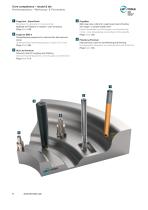
Core competence – mould & die Kernkompetenz – Werkzeug- & Formenbau CopyLinie – SuperFinish Dimension for precision in mould and die Maßstab für Präzision im Gesenk- und Formenbau (Page Seite 159) CopyLine EBG V Comprehensive programm for mold and die, ball nose and torical Umfangreiches Kopierfräsprogramm, Kugel und Torisch (Page Seite 188) CopyMax Ball nose copy cutters for roughing and semi-finishing with single- or double-sided insert Kugel-Kopierfräser zum Schruppen und Vorschlichten mit ein- oder doppelseitig verwendbarer Schneidplatte (Page Seite 136) FinishLine Premium High precision cutter...
Open the catalog to page 8
Core competence – general machining Kernkompetenz – Maschinenbau Univex Premium Universal Face- and shoulder milling system for precise 90° shoulders Universelles Plan- und Eckfrässsystem für exakte 90° Eckfräsoperationen (Page Seite 32) MultiEdge 2Feed mini Soft cutting high feed milling cutters for dynamic machining centers Weichschneidender Hochvorschubfräser für sehr dynamische Maschinen (Page Seite 83) MultiEdge 4Feed High feed cutter with 4 times operable insert Hochvorschubfräser mit 4-fach nutzbarer Wendeplatte (Page Seite 92) MultiFace P45 PRO8 (PRO4) Smooth cutting face milling system...
Open the catalog to page 9
# Geometrie Geometry G = Gesenkfraser GWR/GWV/FinishLine Copying cutter GWR/GWV/FinishLine T = Gesenkfraser GRT Copying cutter GRT □ C = Torisch Torical R = Kugel Ball nose fi C = Hartmetallschaft Carbide shank D = Doppelseitige Wendeschneidplatte Double sided inserts I = Innere Kuhlmittelzufuhr Internal coolant supply Einstellwinkel k Entrance angle k
Open the catalog to page 10
Erklarung LMT-Code FinishLine Schneidplatten Explanation LMT-Code FinishLine inserts = Schneidkantenausfuhrung gerundet Cutting edge type rounded = Schneidrichtung: rechtsschneidend Direction of cut: right hand Q W = Wipergeometrie Wiper geometry F = Schlichtgeometrie Finishing geometry fi G = Geschliffene Spanflache Ground cutting face S = Gesinterte Ausfuhrung Sintered version Q 0 = Spanwinkel Rake angle: 0° 10 = Spanwinkel Rake angle: 10° D A = Wiper-XXL Hartmetall Carbide
Open the catalog to page 11
Der LMT Schneidstoffschlussel The LMT cutting material key Fur Schneidstoff- und Beschichtungssorten hat die LMT einen anwenderbezogenen Sortenschlussel entwickelt. Hiermit wird es dem Anwender ermoglicht, gemaB seiner spezifischen Appli-kation immer den richtigen LMT Schneidstoff auszuwahlen. Die Empfehlung basiert auf dem international verwendeten ISO Schlussel der Werkstuckstoffe. LMT has developed a user-oriented grades index for the new LMT cutting material and coating grades to ensure that users always select the correct LMT cutting material for their applications. This recommendation is...
Open the catalog to page 12All LMT Tools catalogs and technical brochures
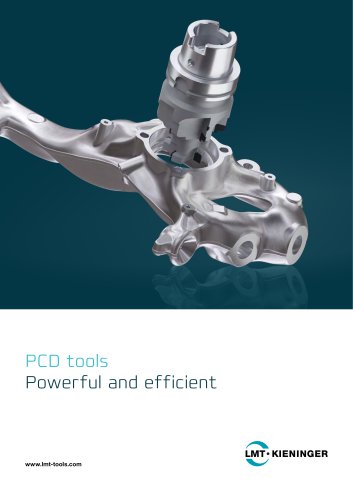 PCD Tools Brochure
4 Pages
 ChamferCut Brochure
6 Pages
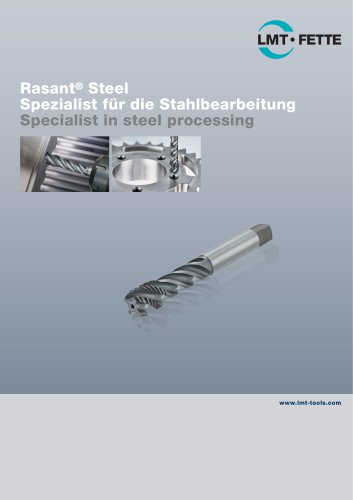 Rasant Steel Brochure
12 Pages
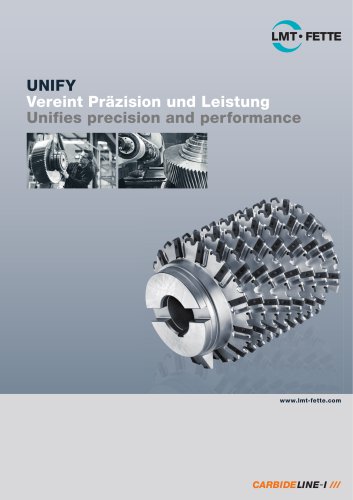 UNIFY Brochure
3 Pages
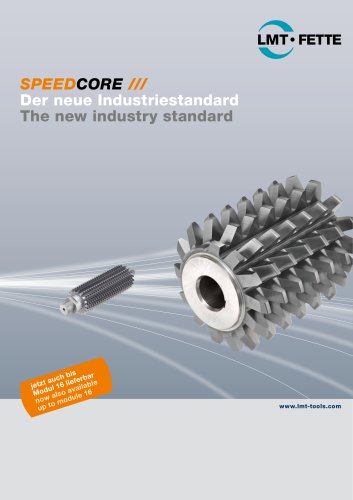 SpeedCore Hobs Brochure
6 Pages
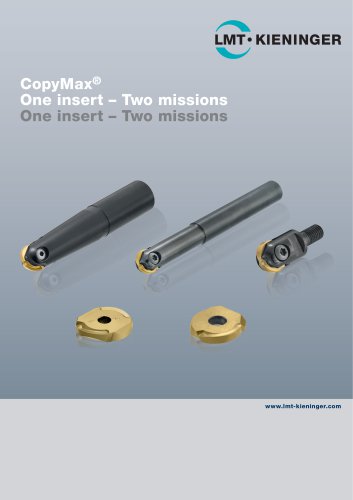 CopyMax Brochure
12 Pages
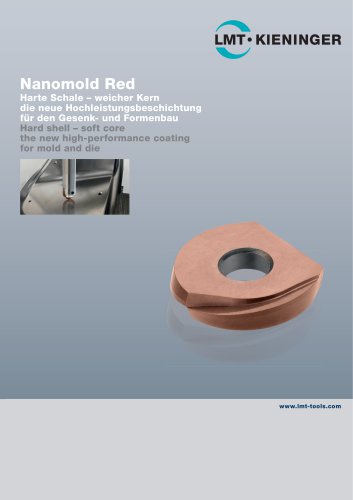 Nanomold Red Brochure
4 Pages
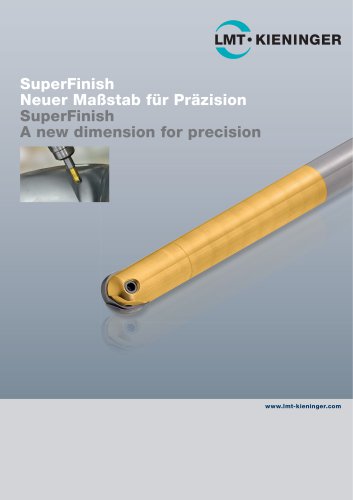 SuperFinish Brochure
4 Pages
 Gear Cutting Experts Brochure
12 Pages
 LMT Belin Milling Catalog
38 Pages
 End Mills Catalog
154 Pages
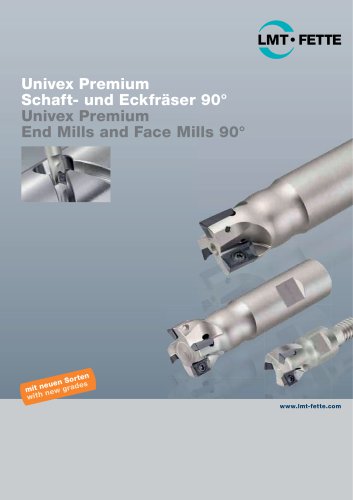 Univex Premium Brochure
20 Pages
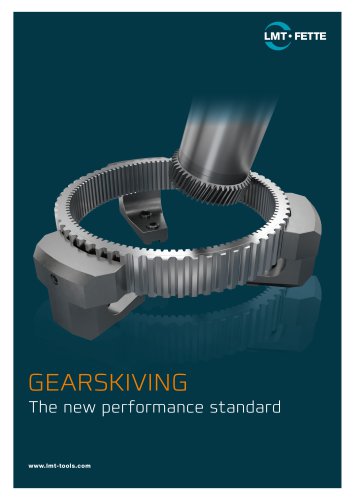 GearSkiving Brochure
6 Pages
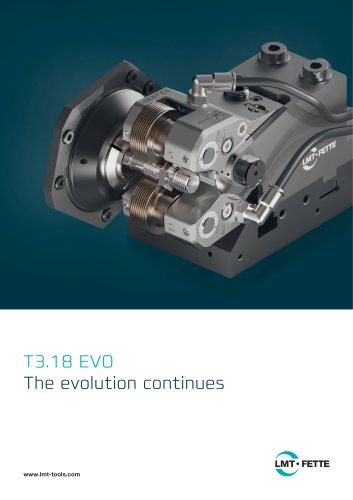 T3.18 EVO Brochure
12 Pages
 HFC – High Feed Cutter Brochure
20 Pages
 EASYMill Brochure
8 Pages
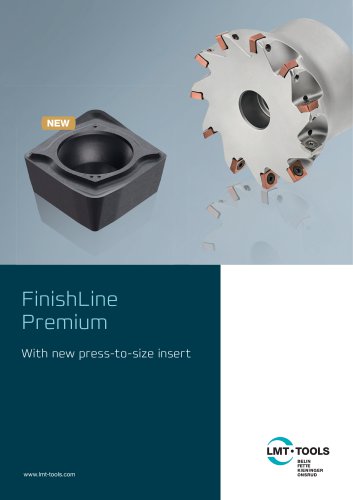 FinishLine Premium Brochure
12 Pages
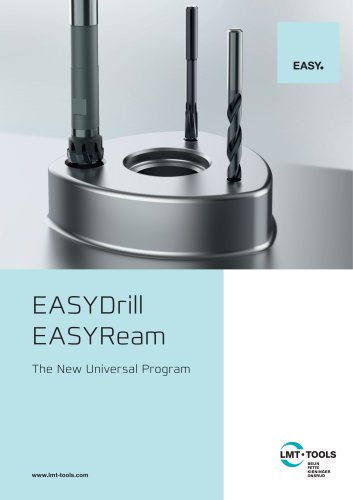 EASYDrill EASYReam Brochure
32 Pages
 EASYTap Brochure
24 Pages
 Automotive Brochure
15 Pages
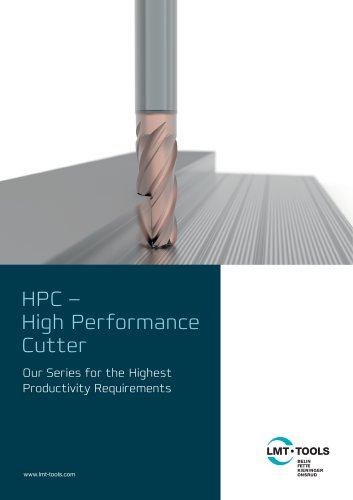
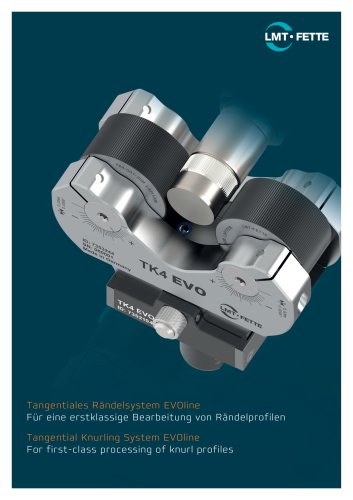
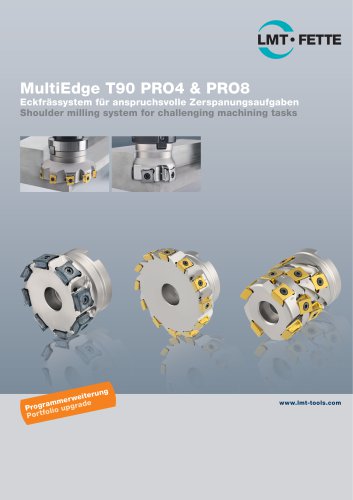

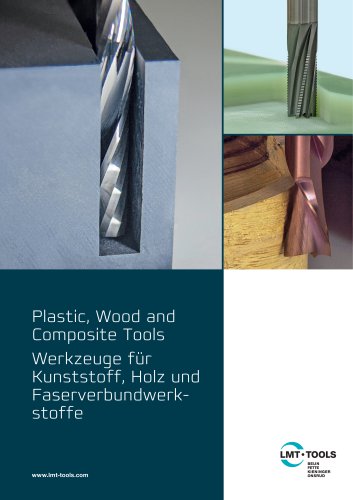
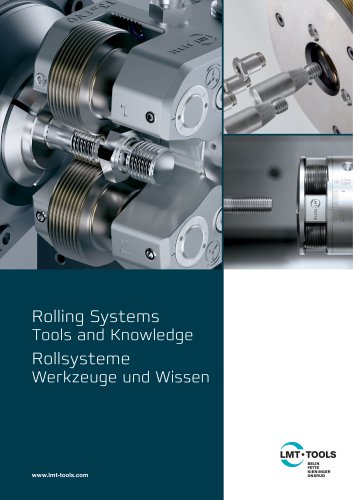
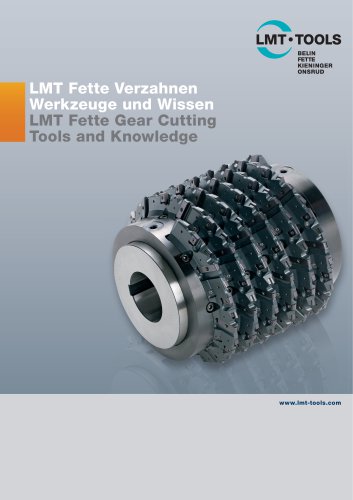
- LMT Tools solid milling cutter
- Drilling tool
- LMT Tools steel milling cutter
- LMT Tools insert milling cutter
- Solid drill bit
- Metal milling cutter
- LMT Tools clamping milling cutter
- LMT Tools milling cutter with cylindrical shank
- End mill
- Cast iron milling cutter
- LMT Tools shell-end milling cutter
- Solid carbide milling cutter
- LMT Tools indexable insert milling cutter
- Ball nose milling cutter
- Multi-purpose drilling tool
- Cutting milling cutter
- Corner radius milling cutter