
- Catalogs
- Labthink Instruments Co., Ltd.
- Suggestions for Barrier Property Testing of High Transmission Rate Materials


Suggestions for Barrier Property Testing of High Transmission Rate Materials

Suggestions for Barrier Property Testing of High Transmission Rate Materials
- Differential Pressure Method: This method relies on sensitive pressure sensors. Testing range can be expanded by presetting test pressures and using automatic instruments like Labthink PERME V series.
- Equal Pressure Method: Reducing gas quantity in the testing chamber is crucial. This can be achieved by changing the testing gas, increasing carrier gas purging speed, or using MASK fittings to adjust the testing area.
- Weighing Method: The dish method is preferred for high transmission rate materials. It requires careful control of solution levels and humidity within the testing chamber.
- Sensor Method: Similar to the equal pressure method, but the only way to expand the range is by changing the testing area with MASK fittings.
Catalog excerpts

Suggestions for Barrier Property Testing of High Transmission Rate Materials Abstract: based on experiences and material characteristics indicated in the barrier property testing for high barrier property materials, this article proposes corresponding operation suggestions for different barrier property testing items and methods, so as to better satisfy the testing demands for high transmission rate specimens with the common barrier property testing instruments. Key Words: high transmission rate, low barrier property, flow rate, concentration, testing area In some industries, certain transmission rates are required for specific applications. Handi-wrap and battery separator film are examples of low barrier property materials, which are also called high transmission rate materials. Owing to the special material characteristics, it’s ideal to apply specific testing instruments for transmission rate testing of high transmission rate materials. However, the applications are often new to the industries, and there are often no specific instruments for the new testing demands. Therefore, the already existing barrier property instruments have to be applied. The operators should bear in mind that when testing high transmission rate materials, they would show characteristics differing from medium and high barrier property materials. Moreover, fittings should be used in testing extremely high transmission rate materials for accurate and effective data. 1. Testing Characteristics for High Transmission Rate Materials High transmission rate materials have the following features in barrier property testing: first, the increased gas transmission quantities, which require a sufficient testing gas supply. Second, the larger gas flow rate, which requires the detective sensor to be more sensitive and be with broader measuring range. Third, there is no sufficient time for equilibrium determination. At present, tests for high barrier property specimens are emphasized; and there are still difficulties in testing high transmission rates specimens. It should be especially noted that the above-mentioned transmission equilibrium determination is the key point in barrier property testing. The conditions for determination should be strictly followed to avoid false judgment or even termination before reaching transmission equilibrium. As to medium and high barrier property specimens, several hours are needed for equilibrium. But for low barrier property materials, i.e., high transmission rate materials, such as non-woven and coated textile materials as well as battery separator films, they would achieve transmission equilibrium in a relatively very short period. That’s why the process of spacing sampling equilibrium determination has been deleted in water vapor transmission rate testing standards for textiles. For high transmission rate materials, the testing obstacles are mainly the increased gas transmission quantities and the greater gas flow rates. For example, the equilibrium determination for differential-pressure method gas transmission rate testing depends on gas pressure changing rate of the lower chamber. When purging testing gas into the upper chamber to test high transmission rate specimen, the pressure of the lower chamber would increase rapidly owing to the high transmission property of the specimen. As to equal pressure method gas transmission rate tester, the determination relies on oxygen concentration in the testing chamber, which would be directly measured by the sensor. However, when testing materials with extremely high transmission rates, the oxygen concentration in the testing chamber would go beyond the upper measuring range of the sensor and influence its life span. As to water vapor transmission rate testers, water vapor quantity going through the material would increase during the whole testing process. Therefore, great amount of solution consumption or exhaustion should www.labthinkinternational.com.cn
Open the catalog to page 1
be avoided. At the same time, an effective control of ambient humidity should be emphasized. With a sufficient amount of testing experiences, the author summarizes the following suggestions that can help expand the measuring range and improve data repeatability when testing high transmission rate materials. 2. Gas Transmission Rate Testing for High Transmission Rate Materials 2.1 Differential Pressure Method The accuracy of differential pressure method testing is mainly decided by the data obtained from the pressure sensor in the lower chamber. When testing high transmission rate specimens, only...
Open the catalog to page 2
carefully observed. A certain amount of solution inside the cup after testing should be guaranteed, so as to avoid dried cup. If the cup cannot meet the requirement, bigger cups should be applied or customized. On the other hand, the humidity inside testing chamber should be carefully controlled. At present, Labthink PERME W series dish method instruments have the perfect capacity to automatically regulate humidity inside the testing chambers, which is advantageous in testing high transmission rate specimens. In order to enlarge measuring range, using MASK fittings to change testing area is an...
Open the catalog to page 3All Labthink Instruments Co., Ltd. catalogs and technical brochures
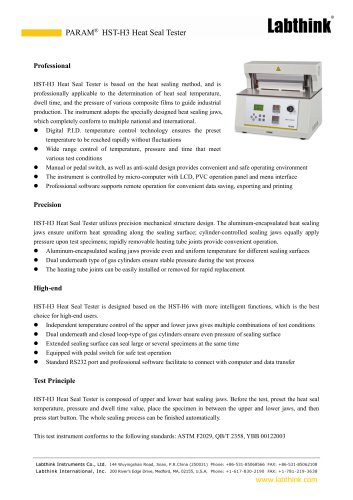 HST-H3 Heat Seal Tester
3 Pages
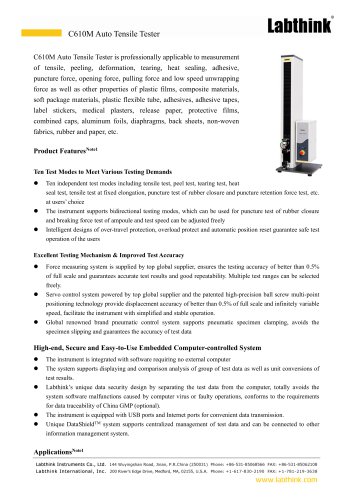 C610M
C610M3 Pages
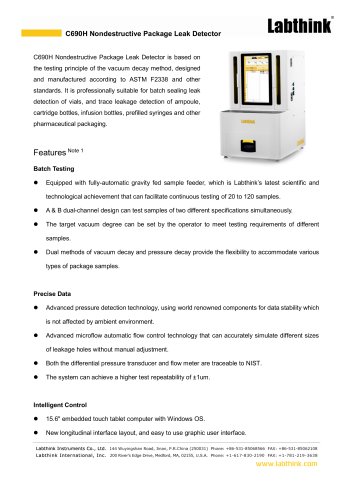
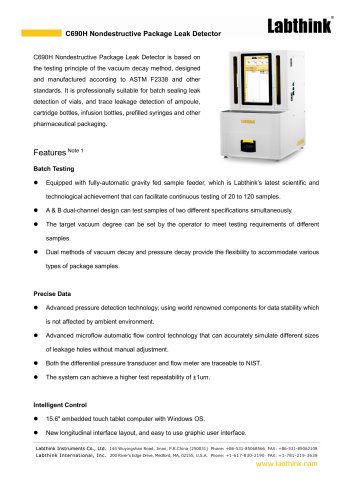
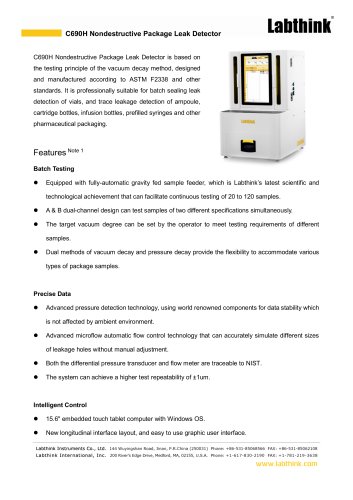
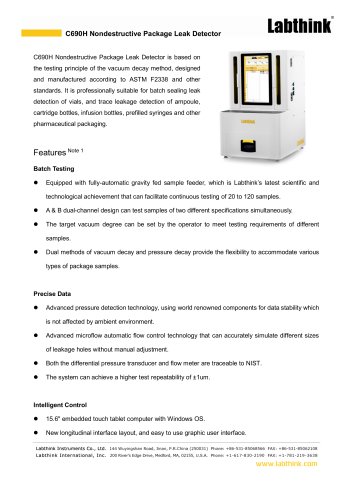
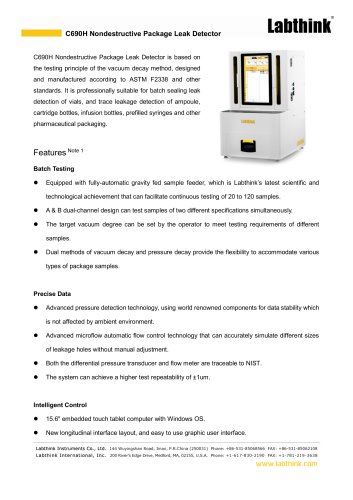
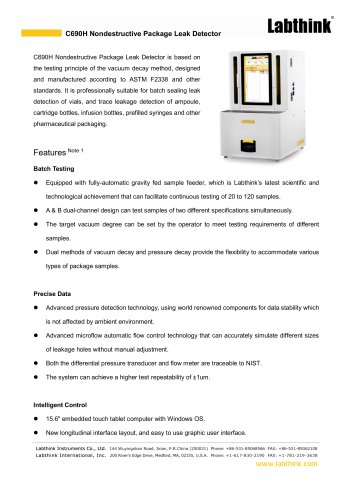 C690H
C690H4 Pages
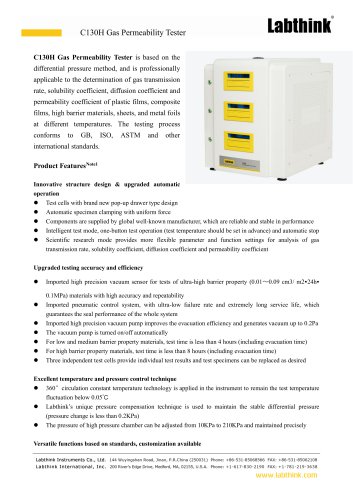 C130H
C130H4 Pages
 COF-P01
2 Pages
 VAC-V2
3 Pages
 C230H (2025)
4 Pages
 C610H
C610H3 Pages
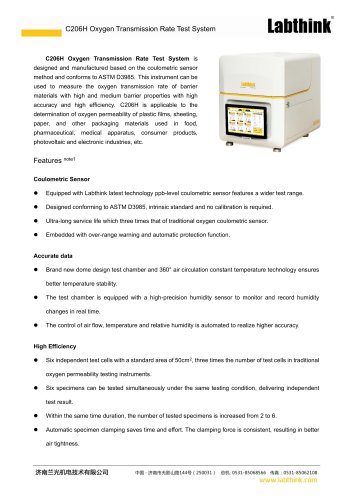 C206H
C206H4 Pages
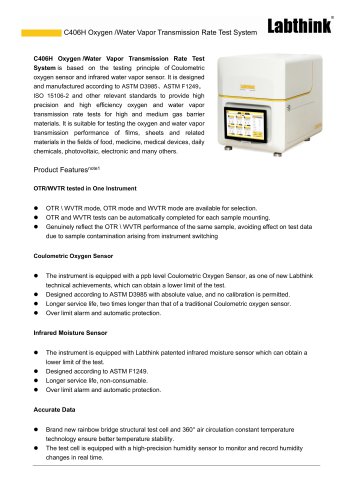
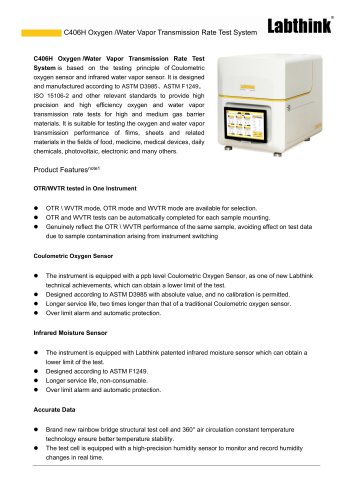
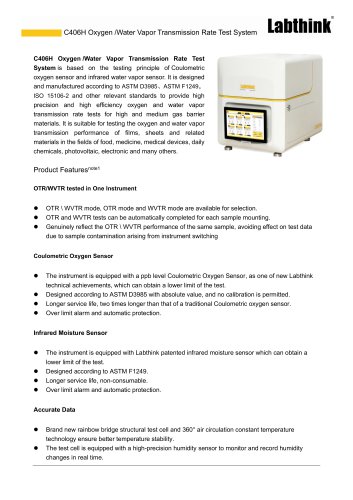
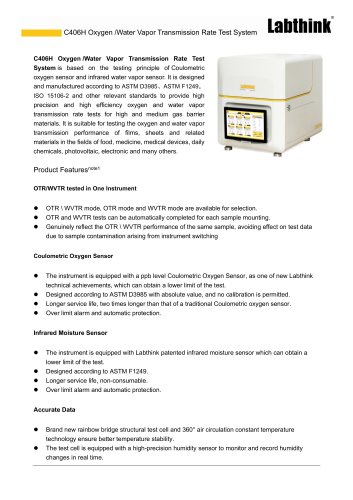 C406H
C406H5 Pages
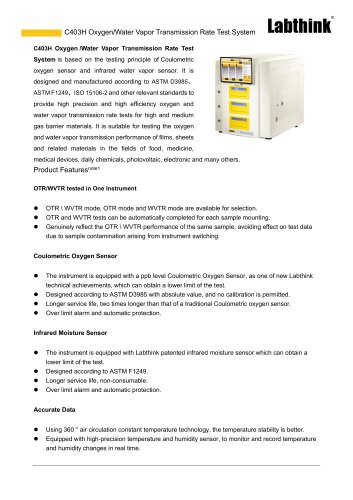 C403H
C403H5 Pages
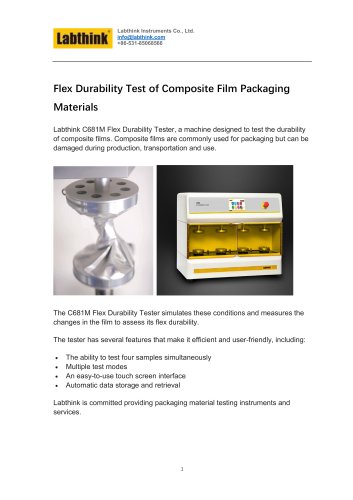 C 681M
1 Page
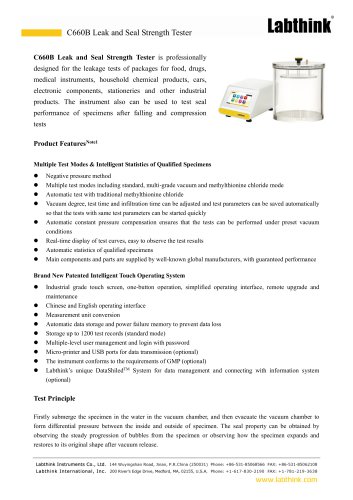 C660B (2025)
3 Pages
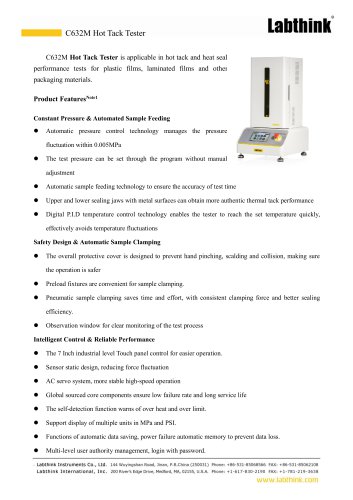 C632M
C632M3 Pages
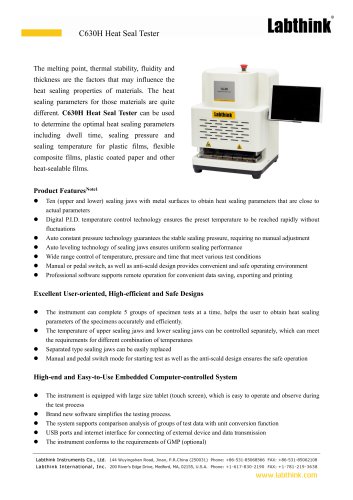 C630H
C630H3 Pages
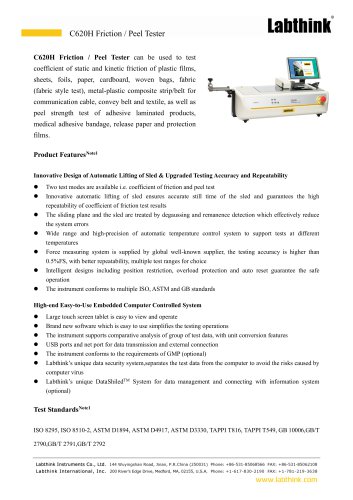 C620H
C620H3 Pages
 C 640
C 6404 Pages
 C 660M
3 Pages
 C306H (2025)
4 Pages
 C203H
C203H4 Pages
 Heat seal testing instrument
3 Pages
 Paper Board Thickness Tester
4 Pages
 Film Thickness Meter
4 Pages
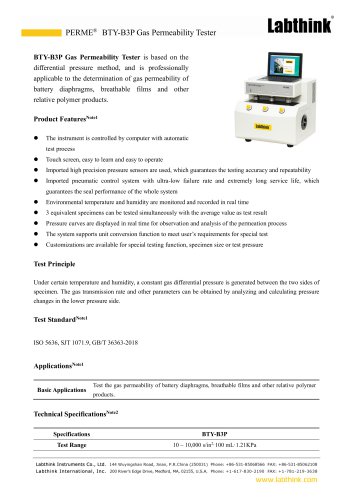 BTY-B3P
2 Pages
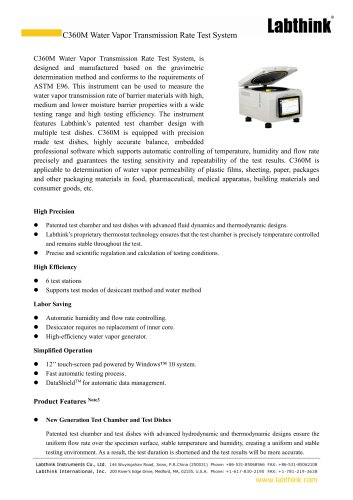
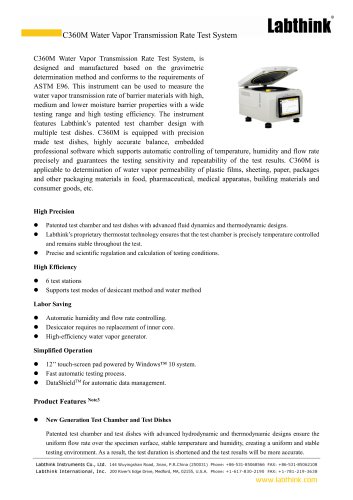 C360M
C360M4 Pages
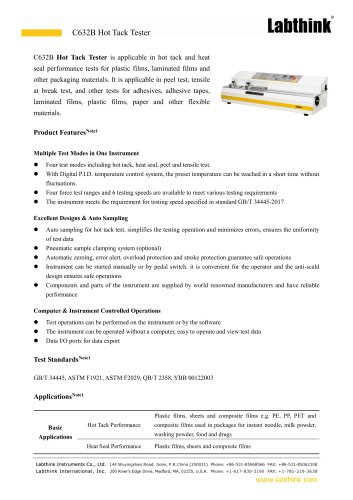 C632B
C632B3 Pages
 C632M Hot tack Tester
3 Pages
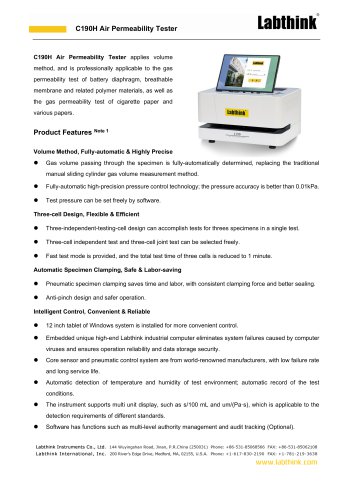 C190H
C190H3 Pages
 C650H Headspace Gas Analyzer
2 Pages
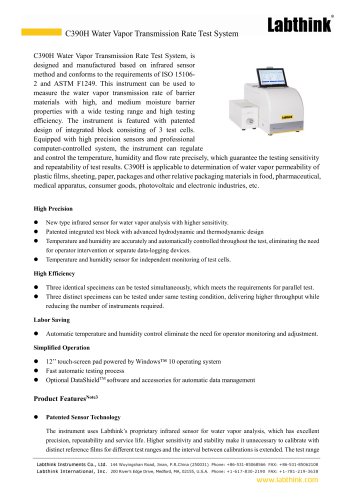 C390H
C390H4 Pages
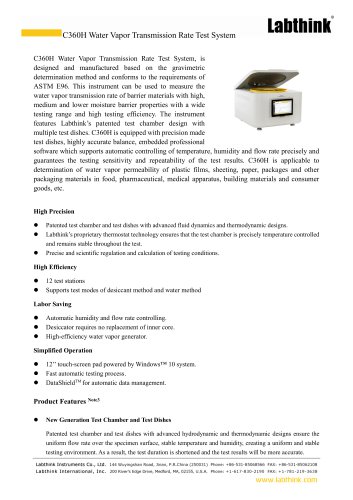 C360H
C360H4 Pages
 C680M Tearing Tester
2 Pages
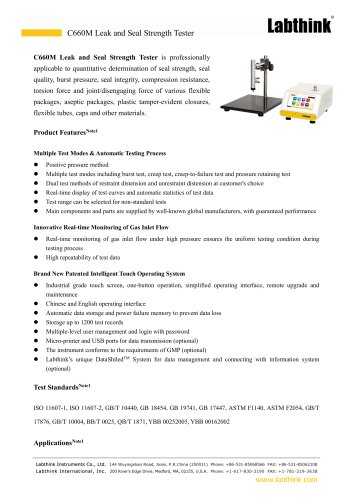 C660M
C660M3 Pages
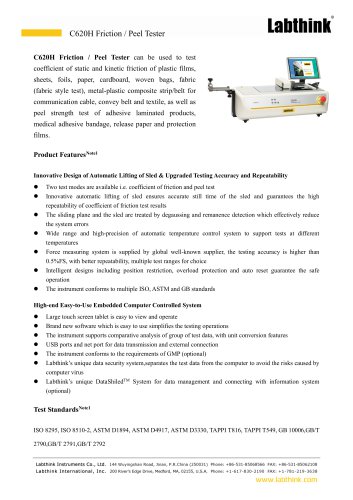 C620H Friction / Peel Tester
3 Pages
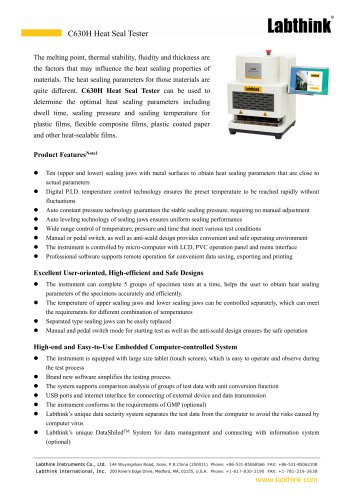 C630H Heat Seal Tester
3 Pages
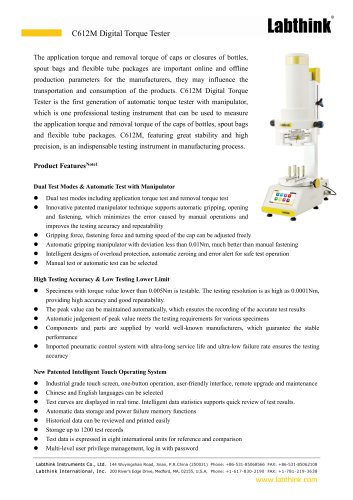 C612M Digitale Torque Tester
3 Pages
 Box Compression Tester
2 Pages
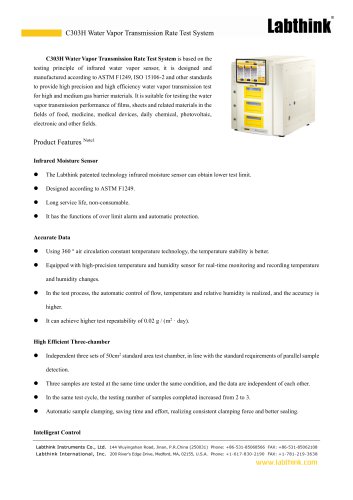 C303H
C303H4 Pages
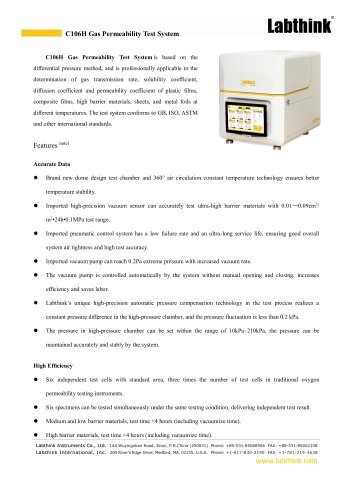 C106H
C106H5 Pages
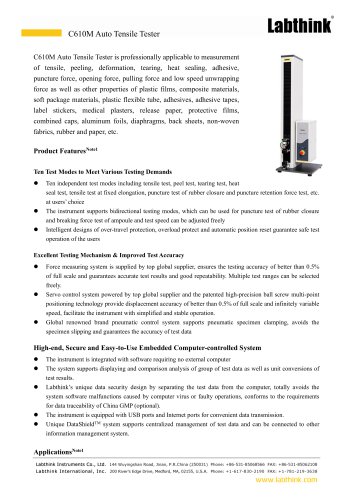 C610M Auto Testing Device
3 Pages
 Bottle Leak Tester Machine
3 Pages
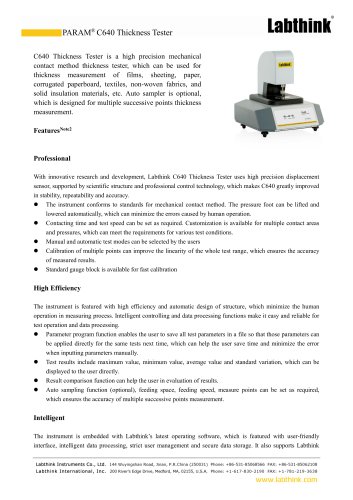 C640 Thickness Tester
4 Pages
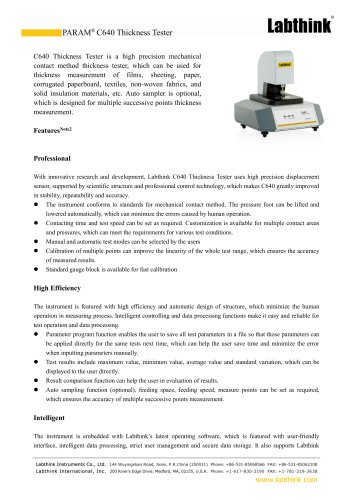 C640
C6404 Pages
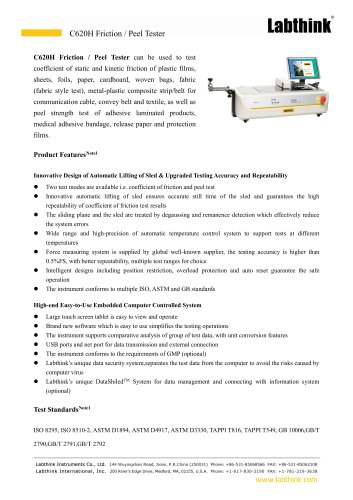 C620H Friction/ Peel Tester
3 Pages
 Pull Off Adhesion Tester
3 Pages
 Torque Measuring Devices
3 Pages
 Bottle Torque Tester
3 Pages
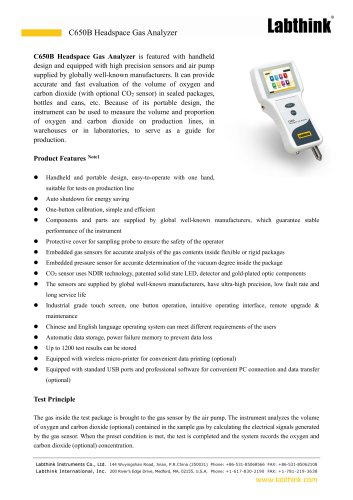 C650B Headspace Gas Analyser
2 Pages
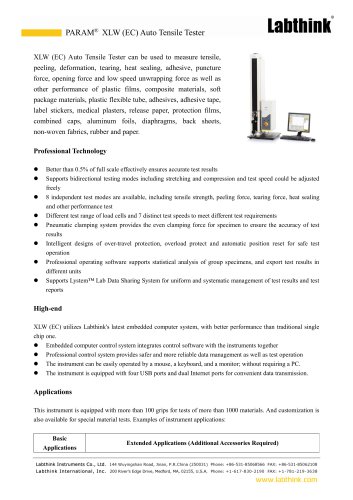 XLW (EC) Auto Tensile Tester
3 Pages
 Torque Strength Measuring
3 Pages
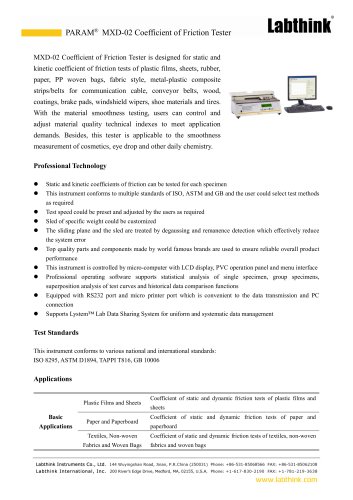 MXD-02
2 Pages
 C612M Digital Torque Tester
3 Pages
 Bag COF Tester
3 Pages
 Labthink Headspace Analyzer
2 Pages
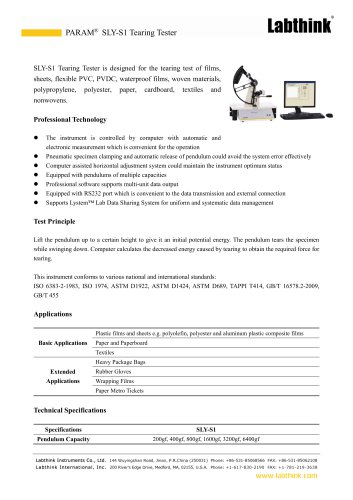 SLY-S1 Tearing Tester
2 Pages
 Sandwich Bag COF Tester
2 Pages
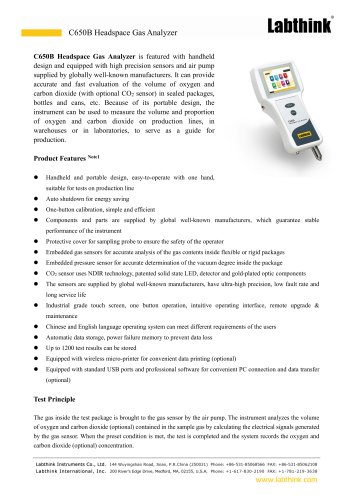 C650B Headspace GAZ Analyzer
2 Pages
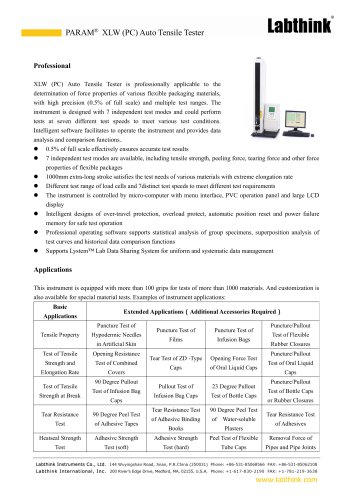 XLW (PC) Auto Tensile Tester
3 Pages
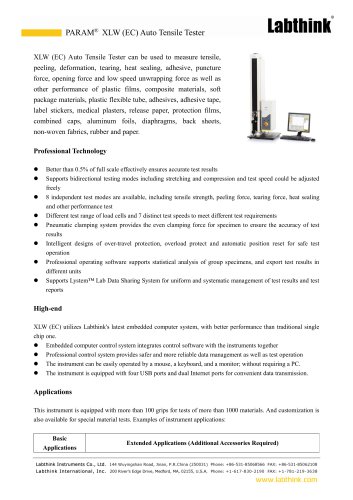 XLW (EC) Auto Testile Tester
3 Pages
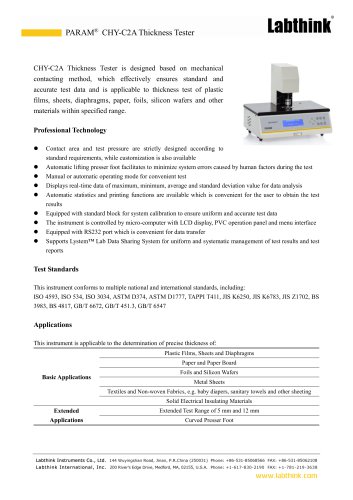 CHY-C2A
2 Pages
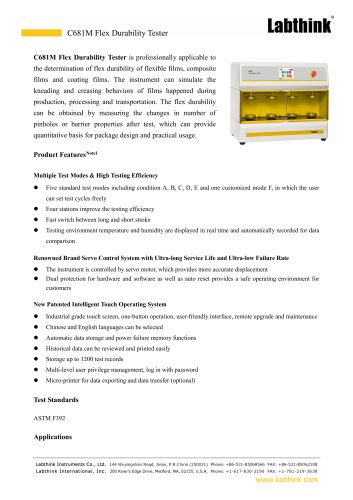 C681M Flex Durability Tester
2 Pages
 Heat Shrink Tester
2 Pages
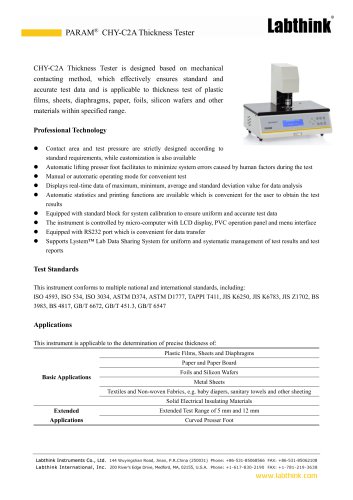 CHY-C2A Thickness Tester
2 Pages
 Tensile Testing Device
3 Pages
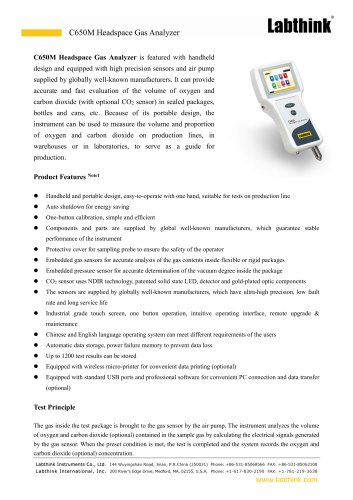 C650m Headspace Gaz Analyser
2 Pages
 MAP Packaging Burst Tester
3 Pages
 MAP Packaging Leak Tester
3 Pages
 Lug Cap Torque Tester
3 Pages
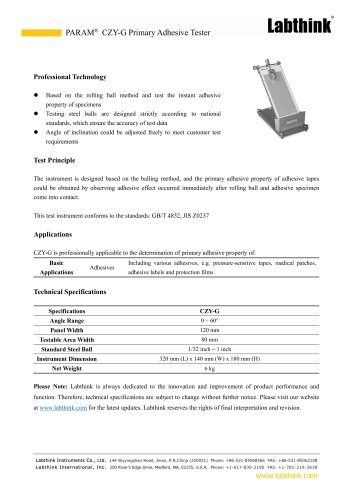 CZY - G Primary Tester
1 Page
 Motorized Pull Test Machine
3 Pages
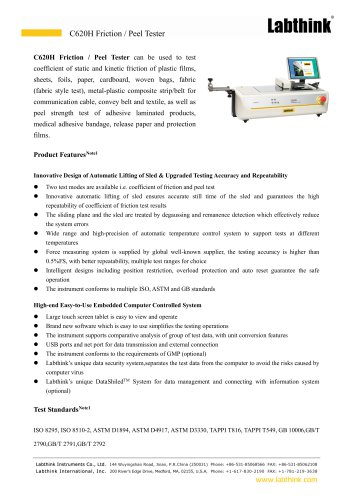 C620H Friction Tester
3 Pages
 Heat Seal Tester
3 Pages
 Roll Tack Tester
1 Page
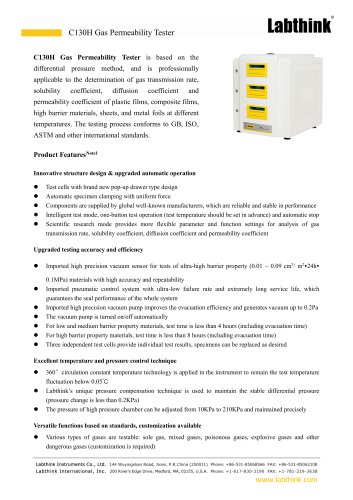 C130 Gas Permeability Tester
4 Pages
 Adhesive Tack Tester
2 Pages
 Vacuum Bag Leak Tester
3 Pages
 Micron Film Thickness Gauge
4 Pages
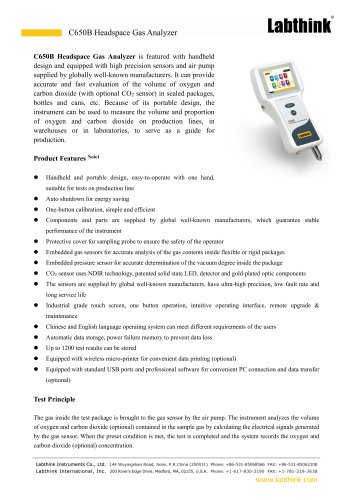 C650B Headspace Gaz Analyser
2 Pages
 Automatic Tube Leak Tester
2 Pages
 Burst Test Equipment
3 Pages
 Elongation Tester
3 Pages
 Box Compression Test Machine
2 Pages
 Adhesion Tester for Sticker
2 Pages
 Ink Rub Lab Equipment
2 Pages
 Friction Testing Machine
3 Pages
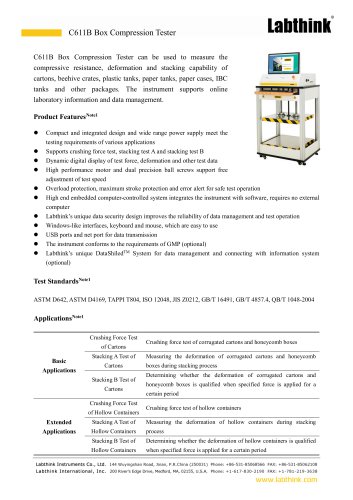 C611B
C611B2 Pages
 Fabric Thickness Measurement
4 Pages
 Snack Bag Leak Detector
3 Pages
 Carton Stacking Test Machine
2 Pages
 Sheet Metal Thickness Gauge
4 Pages
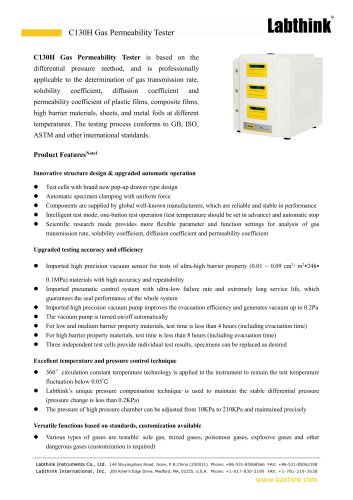 CH130
CH1304 Pages
 Residual oxygen level tester
2 Pages
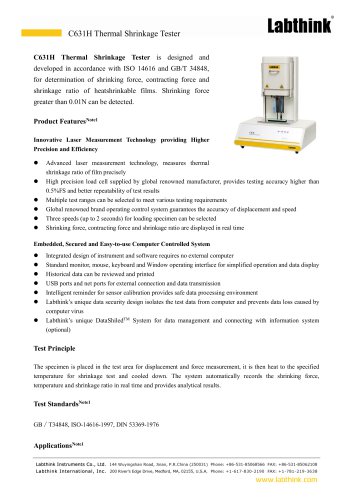 C 631 H
2 Pages
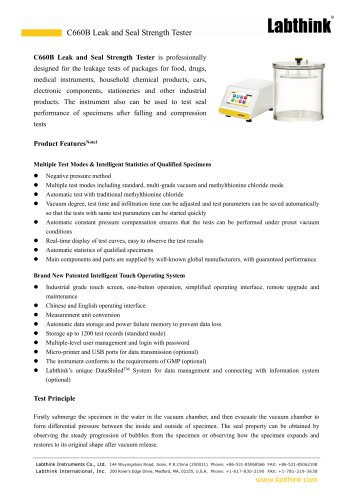 C660 B
3 Pages
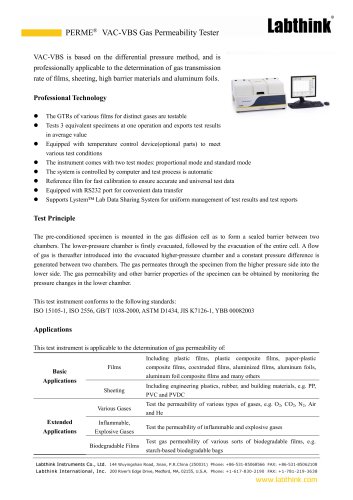 VAC-VBS
3 Pages
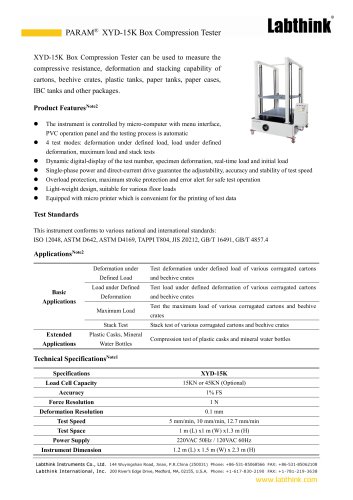 XYD-15K
2 Pages
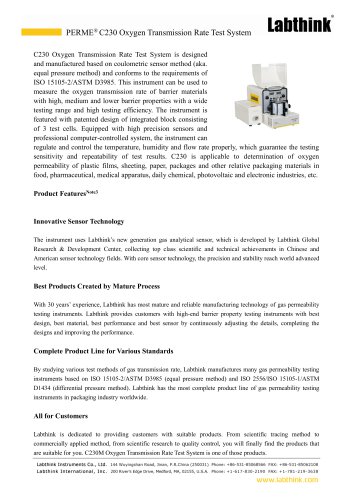 C360
C3604 Pages
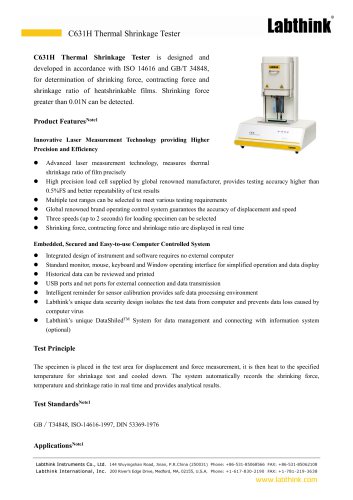 C631 H
2 Pages
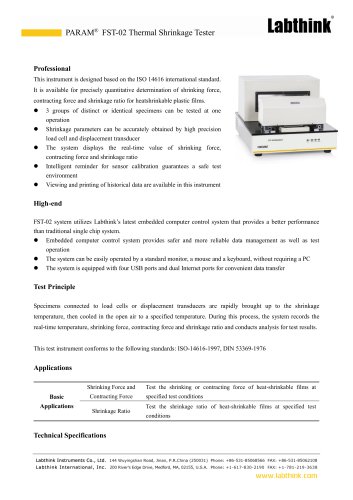 FST-02
2 Pages
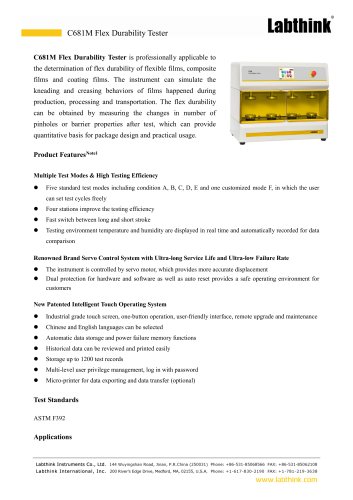 C681 M
2 Pages
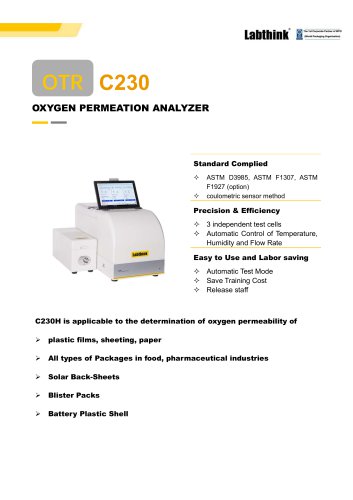
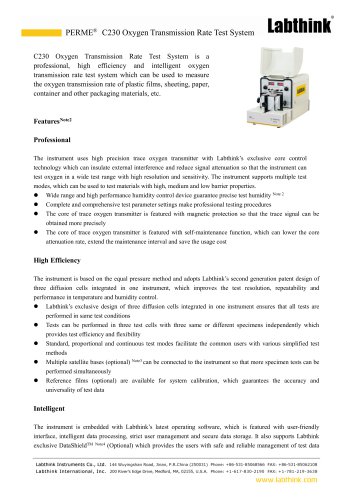 C230
C2304 Pages
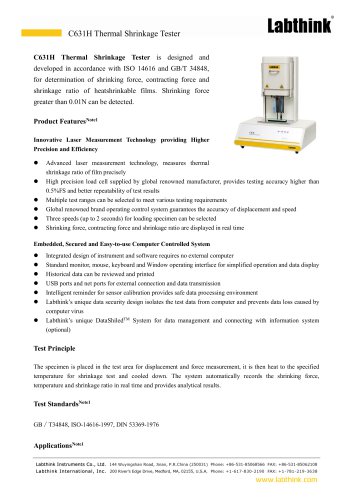 C631H
C631H2 Pages
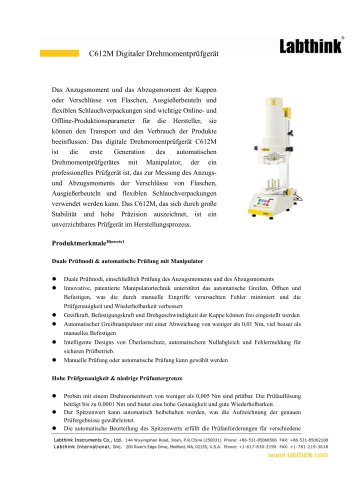
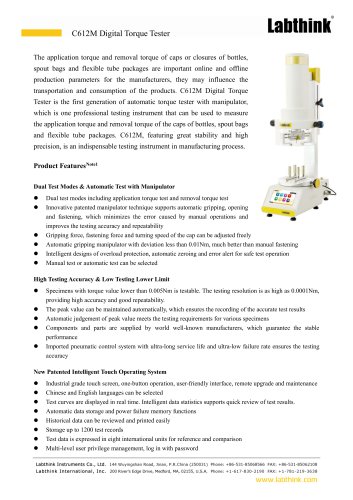 C612M
C612M3 Pages
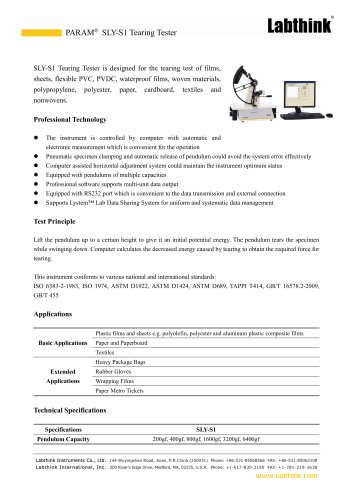 SLY-SI
2 Pages
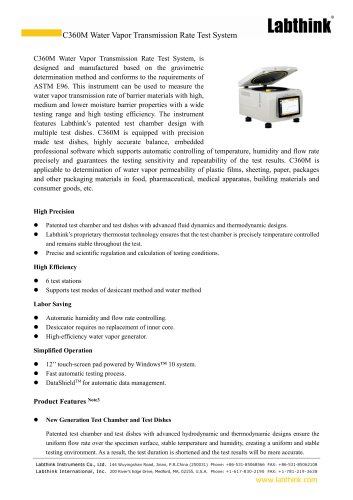 C360 M
4 Pages
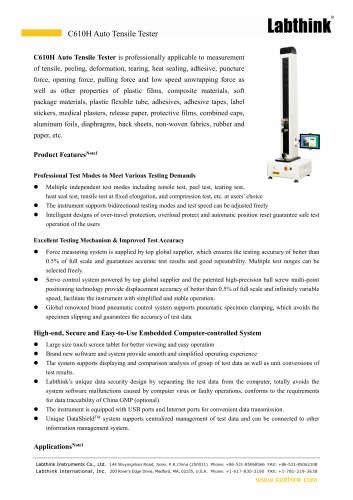 C610H Auto Tensile Tester
3 Pages
 Vacuum Tube Leak Tester
3 Pages
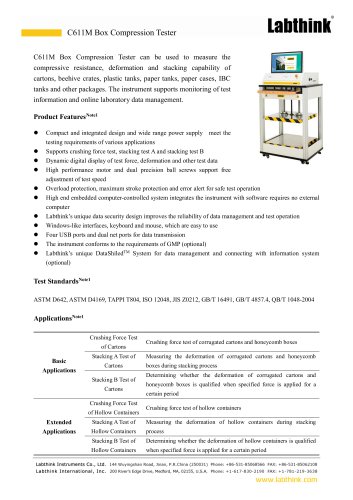 C611M
C611M2 Pages
 C330H
C330H4 Pages
 leak detector for packaging
3 Pages
 bottle torque tester machine
3 Pages
 micrometer per ASTM D374
4 Pages
 rub tester for wine labels
2 Pages
 LAB THICNESS TESTER
3 Pages
 Peel tester for 180 Degree
5 Pages
 Ball tack tester
5 Pages
 table top thickness gauge
12 Pages
 Tabletop sealing machine
14 Pages
 Film Friction Tester
2 Pages
 Head space Oxygen Analyser
2 Pages
 90 degree peel test Device
3 Pages
 C650M Headspace Gas Analyzer
2 Pages
 C650B Headspace Gas Analyzer
2 Pages
 C620H Friction
3 Pages
 Handheld Headspace Analyzer
2 Pages
 Cap Torque Machine
5 Pages
 Oxygen Permeation Analyser
3 Pages
 Oxygen Permeation Apparatus
3 Pages
 Bottle Cap Leak Tester
4 Pages
 torque meter for PET Bottles
3 Pages
 box compression device
5 Pages
 BLJ-02 Disk Stripping Tester
2 Pages
 RT-01 Rub Tester
2 Pages
 MCJ-01A Rub Tester
2 Pages
 Floor Slip Resistance Tester
5 Pages
 Leak Tester
3 Pages
 Tensile Testers
19 Pages
 Consultative Testing Service
4 Pages
 BOPP Tape Shear Tester
3 Pages
 Bell Jar leak tester
2 Pages
 COF testing of Polymer Films
2 Pages
 labthink MFY-01 Leak Tester
3 Pages
 Tablet Leak Test Apparatus
5 Pages
 Precise Tape Peeling Tester
5 Pages
 BOPP Film Thickness Meter
2 Pages
 Package Headspace Analyzer
5 Pages
 electrical torque meter
5 Pages
 tape peeling tester
5 Pages
 tensile testing instrument
5 Pages
 gas leakage detector LSSD-01
5 Pages
 XLW (G6) Auto Tensile Tester
3 Pages
 XLW (M) Auto Tensile Tester
3 Pages
 XLW (B) Auto Tensile Tester
2 Pages
 XLW Auto Tensile Tester
3 Pages
 CHY-C2 Thickness Tester
2 Pages
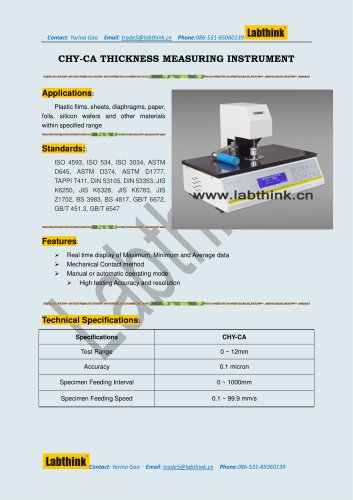
 CHY-CA Thickness Tester
2 Pages
 Plastic Film Thickness Test
2 Pages
 Tensile Strength Machine
5 Pages
 fogging testing machine
5 Pages
 heat sealing testing machine
5 Pages
 shrinkage testing machine
5 Pages
 torque testing machine
5 Pages
 Medical Package leak Tester
5 Pages
 Food Package leak Tester
5 Pages
 ink rubbing test machine
5 Pages
 rolling ball tack tester
5 Pages
 Glebo flex tester
5 Pages
 hot tack tester
5 Pages
 Tensile Strength Tester
5 Pages
 Rolling Ball Tester
5 Pages
 permeability apparatus
5 Pages
 CHY-CB Thickness Tester
2 Pages
 Heat Shrinkage Force Tester
5 Pages
 XLW (EC) Auto Tensile Tester
3 Pages
 gas leakage detector MFY-01
5 Pages
 materials Flex tester
5 Pages
 oxygen headspace analyzer
5 Pages
 cap torque testing machine
5 Pages
 Lasting Ahesion Tester
5 Pages
 Peeling strength tester
5 Pages
 Torque Measurement Equipment
2 Pages
 FDI-01
5 Pages
 Leakage Detector
5 Pages
 film thickness gauge
5 Pages
 rub testing machine
5 Pages
 air leakage tester
5 Pages
 vacuum leak detector
4 Pages
 plastic film testing machine
3 Pages
 carton compression test
5 Pages
 plastic cap torque tester
5 Pages
 manual torque tester
1 Page
 opening torque tester
2 Pages
 Oxygen headspace Analyzer
2 Pages
 Permeability Test System
2 Pages
 DIN 75201
2 Pages
 Tensile strength test bench
5 Pages
 impact testing equipments
2 Pages
 thickness gauge
5 Pages
 vacuum leak testing machine
2 Pages
 paper thickness measurement
5 Pages
 FDT-02 Gelbo Flex Tester
5 Pages
 Friction Coefficient Tester
5 Pages
 Drop Ball Impact Tester
5 Pages
 Dealers wanted
1 Page
 Abrasion Resistance Tester
2 Pages
 FPT-F1 Friction/ Peel Tester
2 Pages
 FT-F1 Fogging Tester
2 Pages
 Material Testing Equipment
2 Pages
 Packaging Testing
2 Pages
 Abrasion Test
2 Pages
 Torque Meter
2 Pages
 pendulum impact tester
2 Pages
 Oxygen Transmission Analyzer
2 Pages
 Friction Tester
2 Pages
 Leak Detector
2 Pages
 Analyzer for MAP
2 Pages
 Adhesive Strength Tester
1 Page
 O2 & CO2 Analyzer
1 Page
 Gas Permeability Tester
2 Pages
 Lasting Adhesive Tester
2 Pages
 Cap Torque Tester
3 Pages
 Lasting Adhesion Tester
2 Pages
 Gradient Heat Seal Tester
4 Pages
 Head space gas Analysis
4 Pages
 Headspace Gas Analyser
3 Pages
 Headspace Gas Analyzer
3 Pages
 Material Tensile Tester
5 Pages
 Ink Rub Tester
2 Pages
 medical packaging tester
3 Pages
 Hot Tack Tester (Data Sheet)
2 Pages
 Heat Sealing tester
2 Pages
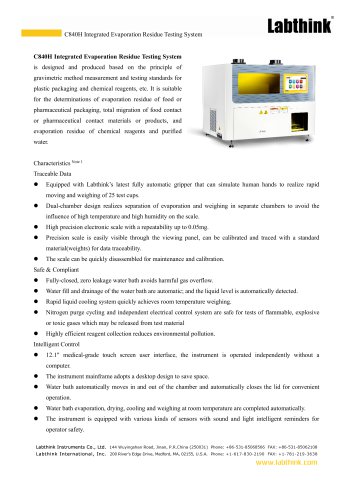
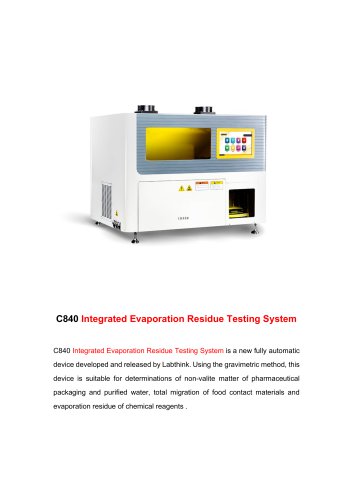
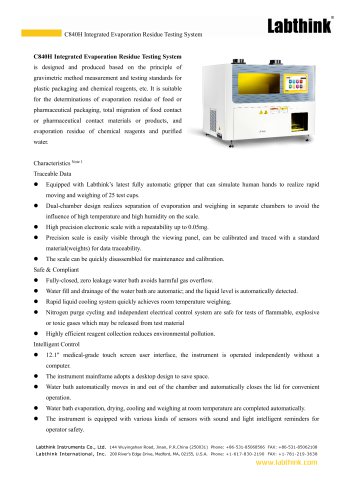
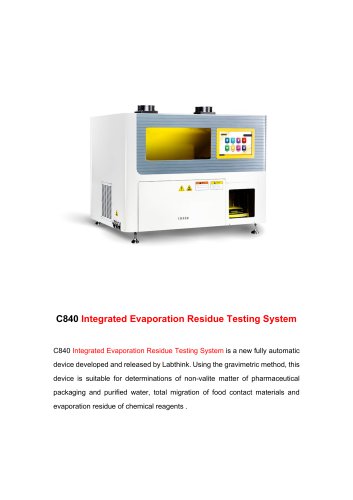
 Evaporation Residue Tester
3 Pages
 Blister Package testing
3 Pages
 Gas Permeability Analyzer
3 Pages
 Tensile Testing Machine
2 Pages
 package integrity tester
2 Pages
 Oxygen permeation Analyzer
2 Pages
 Drop Impact Tester
2 Pages
 Torque tester
2 Pages
 Compression Testing Machine
2 Pages
 Material Testing Machine
3 Pages
 Shrink Film testing
2 Pages
 fogging tester
2 Pages
 Impact tester
2 Pages
 Quality Concerns of Doypacks
2 Pages
 Material Testing
2 Pages
 laboratory heat sealer
2 Pages
 Automated Heat Sealer
1 Page
 analog thickness gauge
1 Page
 Residual Gas Analyzer
1 Page
 digital torque gauge
1 Page
 packaging Industry
2 Pages
 Metrology and Test Equipment
2 Pages
 Tensile Tester
2 Pages
 material moisture monitor
2 Pages
 Gas Analyzer
2 Pages
 Headspace Gas Analyzer
1 Page
 FRICTION/PEEL TESTER
1 Page
 HOLDING TACK TESTER
1 Page
 ROLLING BALL TESTER
1 Page
 BOX COMPRESSION TESTER
1 Page
 INK RUB TESTER
1 Page
 FOGGING TESTER
2 Pages
 Film Shrinkage Tester
1 Page
 THICKNESS TESTER
1 Page
 TOQUE TESTER
1 Page
 Tearing Tester
1 Page
 Gas Permeability Tester
1 Page
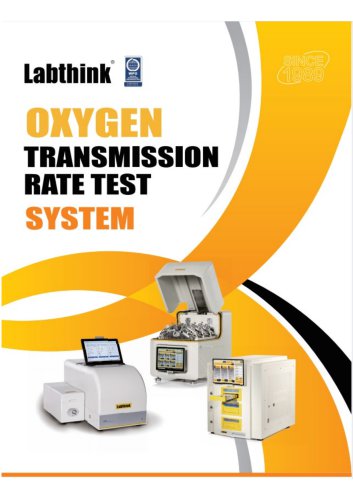
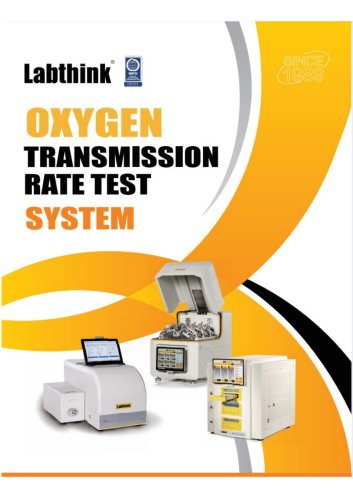
 Oxygen Permeability Tester
2 Pages
















































































































Archived catalogs
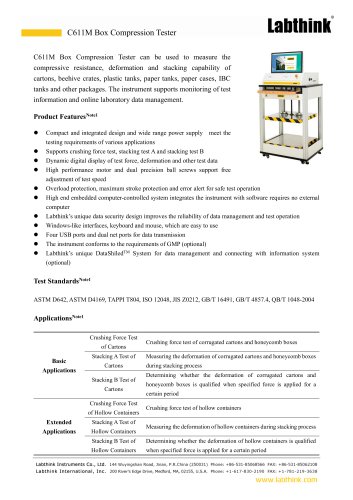 C611M
C611M2 Pages
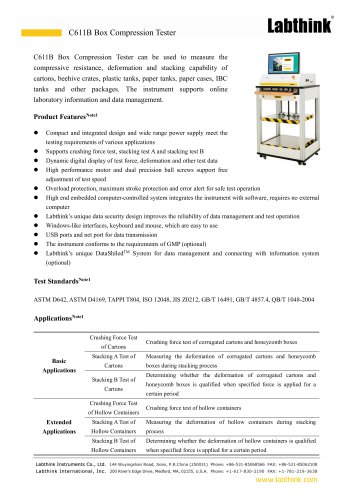
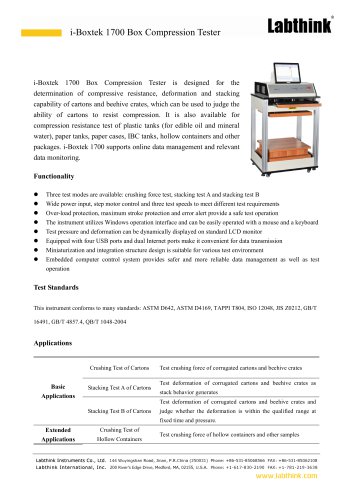
 C611B Box Compression Tester
2 Pages
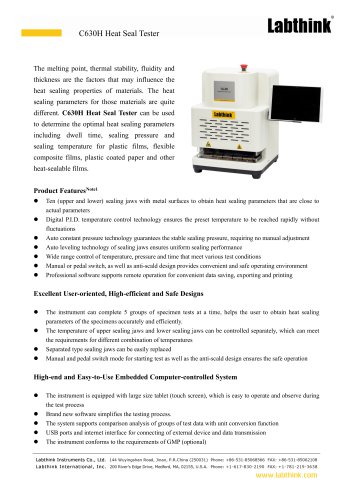 C306H
C306H3 Pages
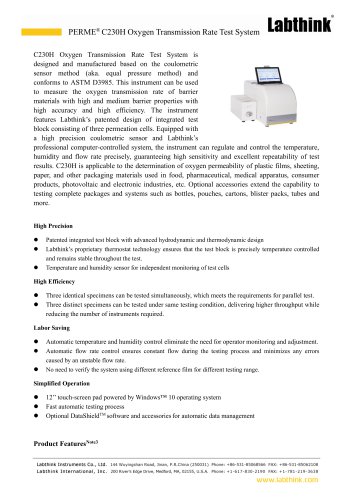 C230H
C230H4 Pages
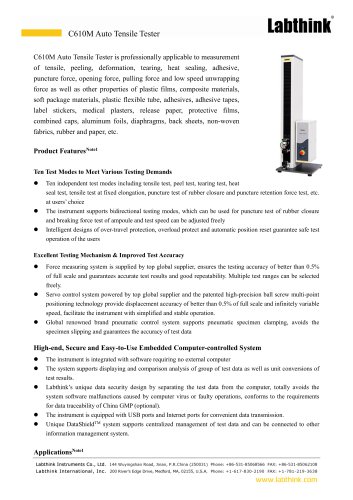
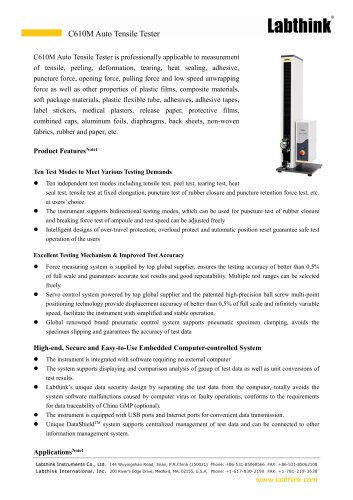 C610M Auto Tensile Tester
3 Pages
 Leak Tester
2 Pages


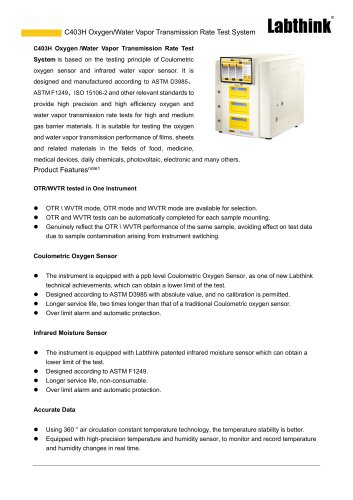




- Labthink Instruments testing machine
- Labthink Instruments gas analyzer
- Measuring device
- Concentration analyzer
- Monitoring analyzer
- Test stand
- Measuring machine
- Automatic analyser
- Labthink Instruments material testing machine
- Automated testing machine
- Benchtop analyser
- Solids analyser
- Computer-controlled test machine
- Process analyzer
- Portable analyzer
- Compression testing machine
- Continuous analyzer
- Labthink Instruments digital tester
- Industrial testing machine
- Labthink Instruments vertical testing machine