
- Catalogs
- Labthink Instruments Co., Ltd.
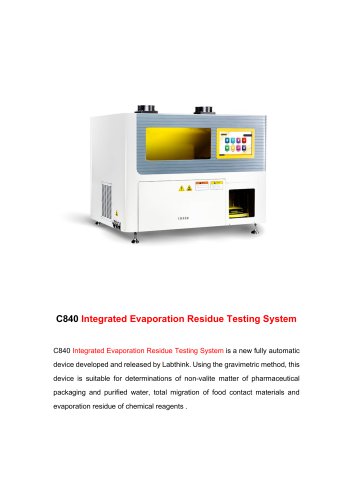
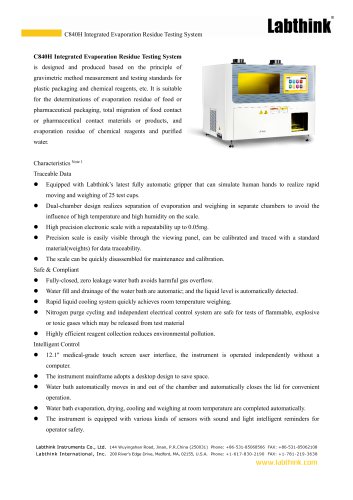
- Loss on Drying (LOD) Test - Method, Pharmacopoeia Standards and Labthink Automated LOD Systems


Loss on Drying (LOD) Test - Method, Pharmacopoeia Standards and Labthink Automated LOD Systems
Loss on Drying (LOD) Test - Method, Pharmacopoeia Standards and Labthink Automated LOD Systems
Loss on Drying (LOD) is a gravimetric analytical method used to determine moisture content and volatile substances in various materials such as pharmaceuticals, food, and chemicals. It involves measuring the weight reduction of a sample after drying under specified conditions, typically at 105°C.
- Accurately weigh the sample.
- Dry at a prescribed temperature.
- Cool under controlled conditions.
- Reweigh until a constant mass is achieved.
- Calculate the percentage weight loss.
LOD is defined in major pharmacopoeias such as USP, European Pharmacopoeia, British Pharmacopoeia, Japanese Pharmacopoeia, and Chinese Pharmacopoeia. Key requirements include drying to constant mass, specified temperature, defined sample mass, and controlled environmental conditions.
LOD measures total weight loss, including water and volatile substances, whereas methods like Karl Fischer titration measure only water content. LOD is preferred for materials with volatile solvents or residual organics.
- Temperature impact on weighing due to manual handling.
- Operator-dependent variability affecting repeatability.
- Increased regulatory expectations for data integrity and compliance.
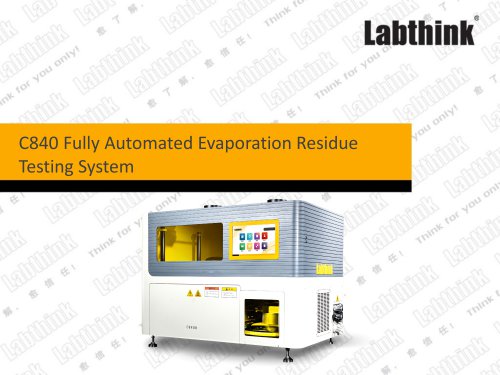
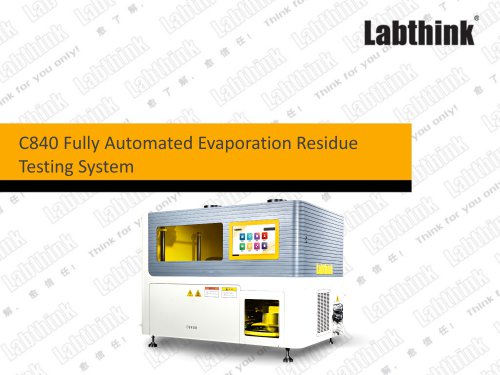
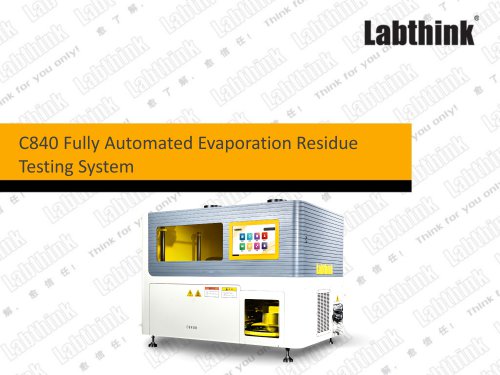
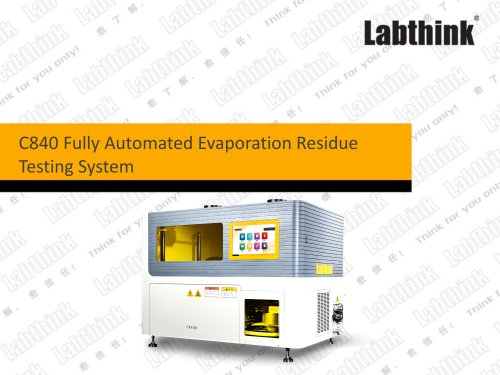
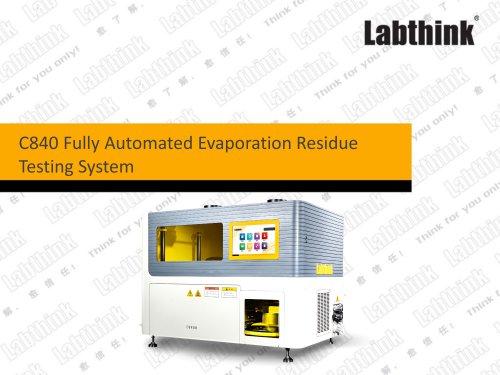
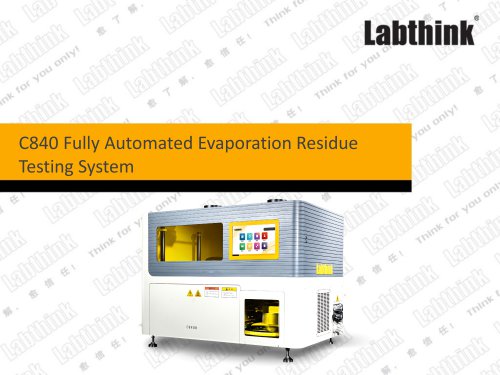
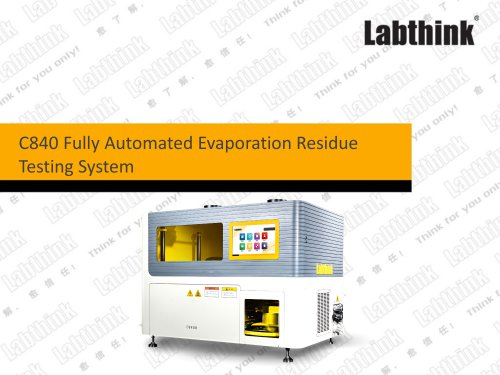
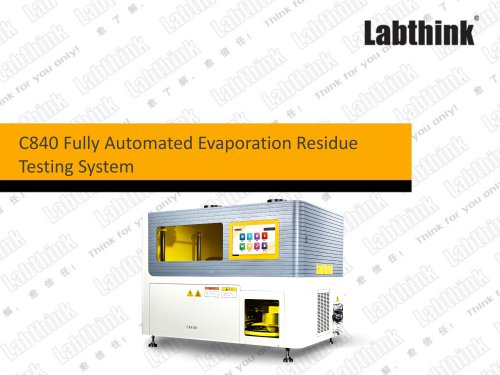
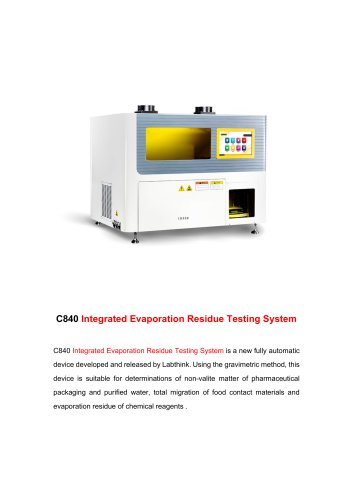
Automated systems integrate drying, cooling, and weighing, reducing human variability and improving compliance. Features include independent chambers, automated sample transfer, controlled cooling, high-precision balances, and electronic data management.
- Balance precision with high-resolution capabilities.
- Thermal stability with separate drying and weighing.
- Automation level with reduced operator intervention.
- Compliance readiness with audit trails and electronic signatures.
Widely used in the pharmaceutical, food, and chemical industries for analyzing moisture and volatile content, LOD testing is a globally accepted method referenced in pharmacopoeias and industrial standards.
There is a growing interest in automated LOD systems that enhance measurement consistency, operational efficiency, data integrity, and compliance readiness. Labthink offers support for laboratories upgrading their LOD systems.
Catalog excerpts
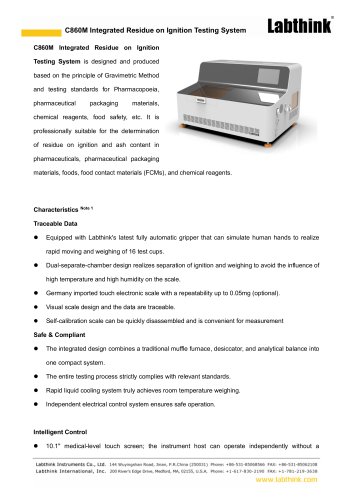
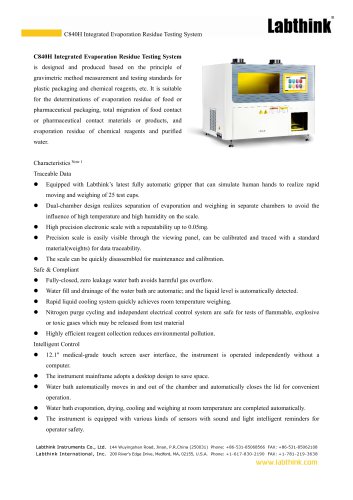
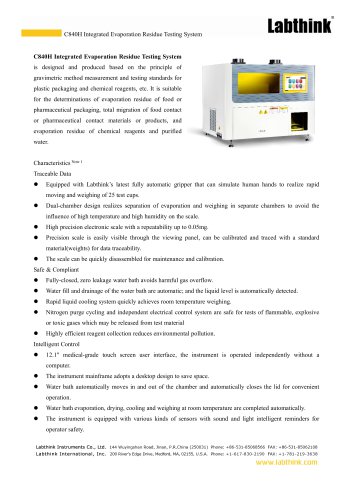
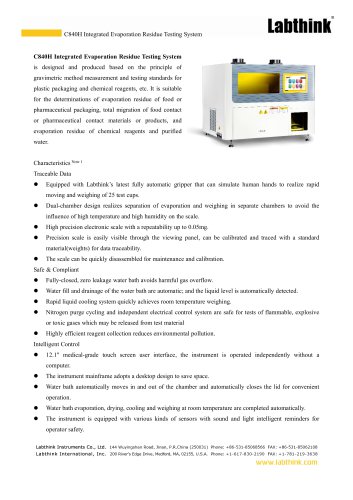
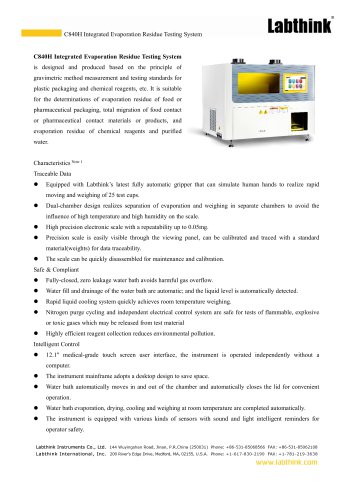
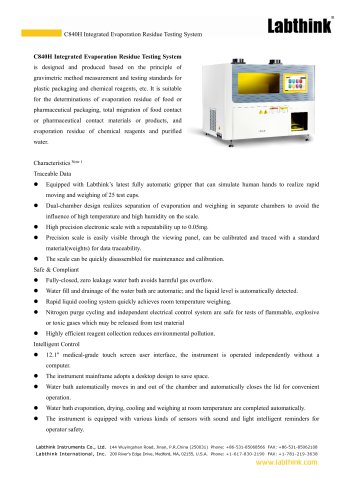
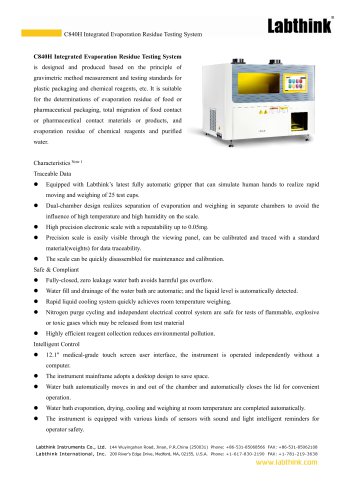
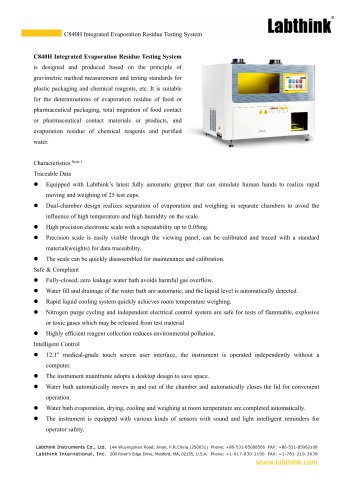
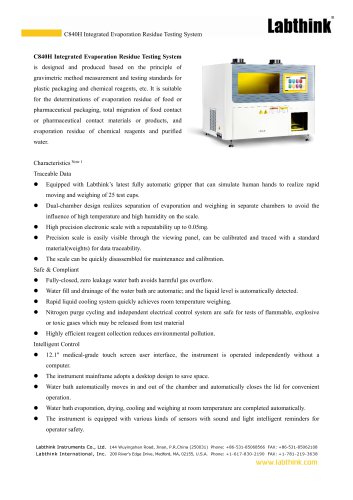
Loss on Drying (LOD) is a gravimetric analytical method used to determine moisture content and volatile substances in pharmaceutical substances, excipients, finished dosage forms, food materials, and chemical products. The loss on drying method measures the weight reduction of a sample after drying under specified temperature conditions, typically 105°C unless otherwise defined in a monograph. The standard LOD test procedure involves: • Accurately weighing the sample • Drying at a prescribed temperature • Cooling under controlled conditions • Reweighing until constant mass • Calculating percentage weight loss Because water and volatile matter directly affect product stability, potency, and shelf life, the loss on drying test remains a mandatory quality control parameter in regulated industries. The loss on drying test is formally defined in major international pharmacopoeias: • United States Pharmacopeia (USP <731> Loss on Drying) • British Pharmacopoeia (Appendix IX D) • Japanese Pharmacopoeia • Chinese Pharmacopoeia (General Chapter 0831) Although wording varies slightly, pharmacopoeial loss on drying requirements generally include: • Drying to constant mass • Specified temperature (commonly 105°C)
Open the catalog to page 1
• Use of appropriate weighing precision • Controlled environmental conditions Compliance with pharmacopoeia loss on drying chapters is essential for pharmaceutical manufacturers and contract testing laboratories. Many users searching for “loss on drying” are comparing it with other moisture determination methods such as Karl Fischer titration. • Loss on Drying (LOD) measures total weight loss, including water and volatile substances. • Karl Fischer specifically measures water content only. For materials where volatile solvents or residual organics may be present, the LOD method provides broader...
Open the catalog to page 2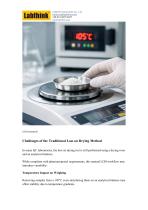
Labthink Instruments Co., Ltd. [email protected] +86-531-5870 2937 www.labthink.com Challenges of the Traditional Loss on Drying Method In many QC laboratories, the loss on drying test is still performed using a drying oven and an analytical balance. While compliant with pharmacopoeial requirements, this manual LOD workflow may introduce variability: Temperature Impact on Weighing Removing samples from a 105°C oven and placing them on an analytical balance may affect stability due to temperature gradients.
Open the catalog to page 3
Operator-Dependent Variability Differences in cooling time, handling technique, and environmental exposure can influence repeatability. Increasing Regulatory Expectations Modern pharmaceutical laboratories must comply with: • GMP data integrity requirements Manual recording and decentralized systems may increase compliance risk. As regulatory oversight strengthens, laboratories are reviewing their LOD testing workflows. An automated loss on drying tester integrates drying, cooling, and weighing into a standardized system while maintaining the classical gravimetric principle defined by pharmacopoeias....
Open the catalog to page 4
When selecting a loss on drying tester for pharmaceutical or chemical laboratories, consider: • 0.01 mg resolution for high-precision applications • Verified repeatability performance • Separation of drying and weighing • Stable temperature control up to 130°C • Automated sample movement • Multi-station capability • Reduced operator intervention • Audit trail • Electronic signature • Role-based user management • Network connectivity Choosing a compliant and automated loss on drying system can improve reproducibility, throughput, and inspection readiness. The loss on drying method is widely applied...
Open the catalog to page 5
• Moisture analysis of raw materials • Regulatory food testing (e.g., GB 5009.3) Chemical Industry • Organic and inorganic materials • Industrial intermediates • Moisture and volatile content evaluation Because the LOD test is referenced in both pharmacopoeias and industrial standards, it remains a globally accepted method. Search trends show increasing interest in: • Automated loss on drying tester • Pharmacopoeia loss on drying equipment This reflects a shift from purely manual LOD execution toward standardized and automated solutions. While the scientific principle of loss on drying remains...
Open the catalog to page 6All Labthink Instruments Co., Ltd. catalogs and technical brochures
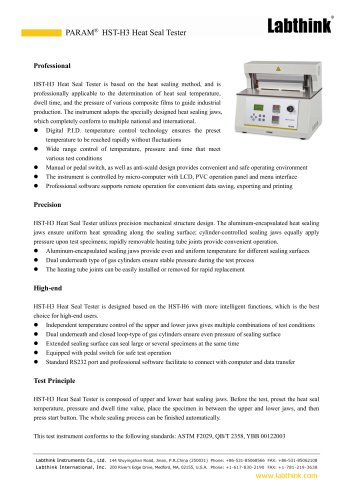
 HST-H3 Heat Seal Tester
3 Pages
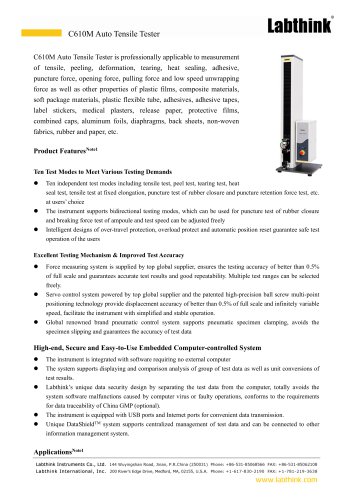 C610M
C610M3 Pages
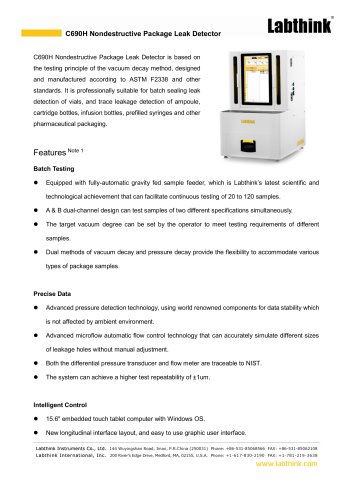
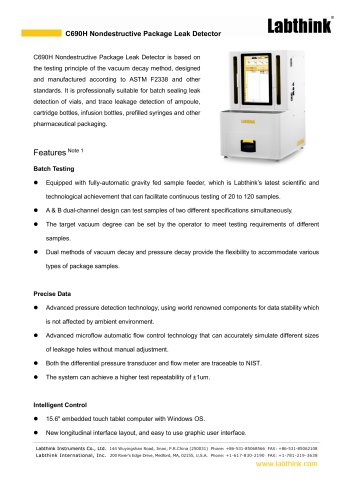
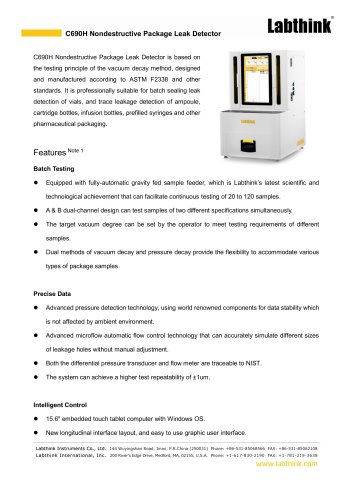
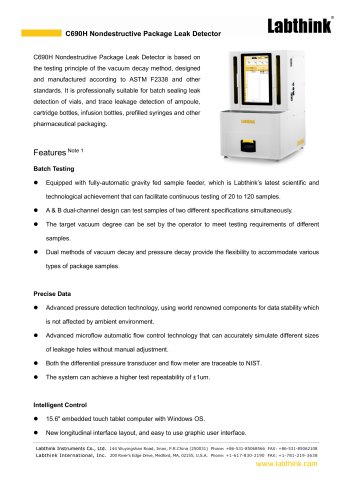
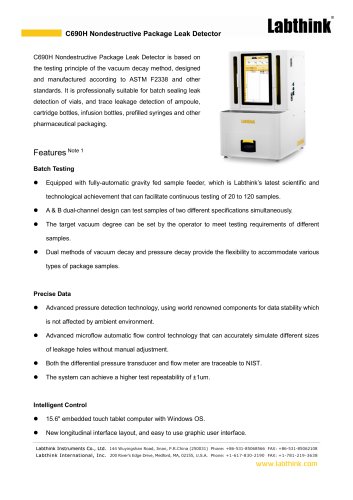
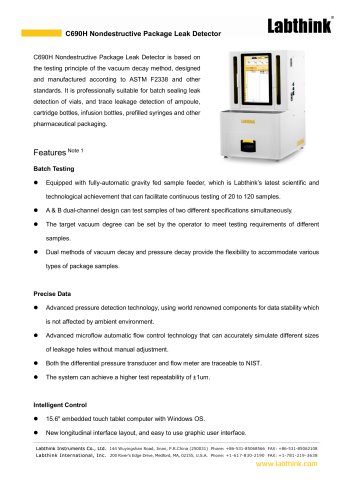
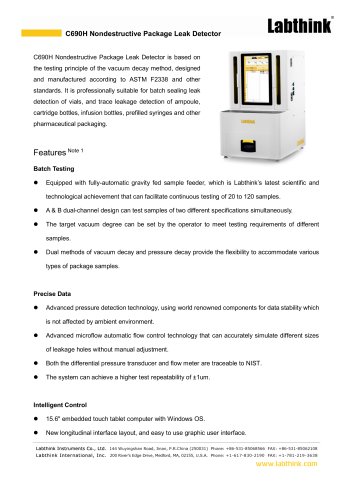
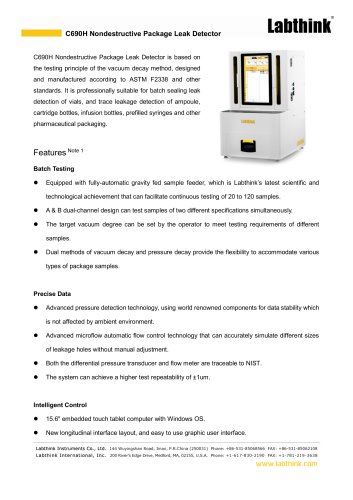
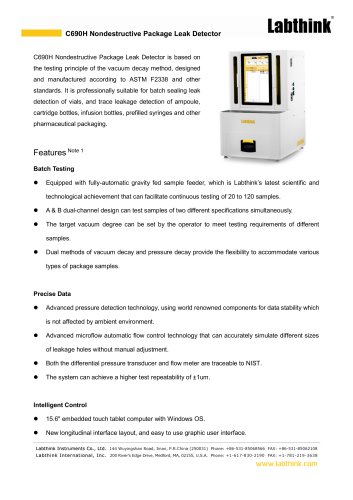
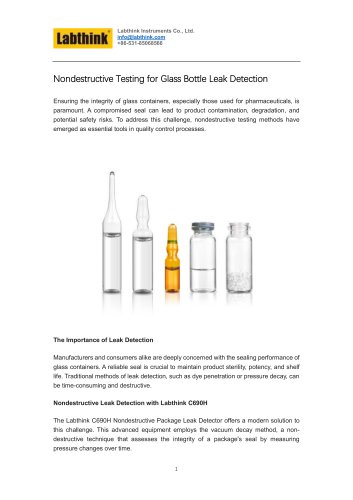
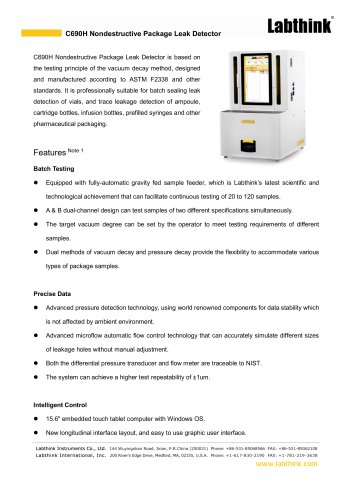 C690H
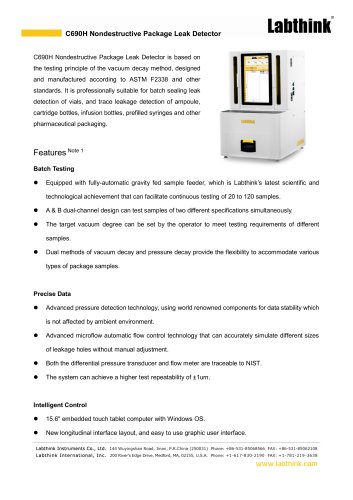
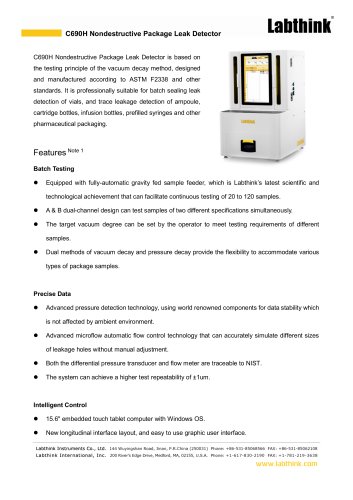
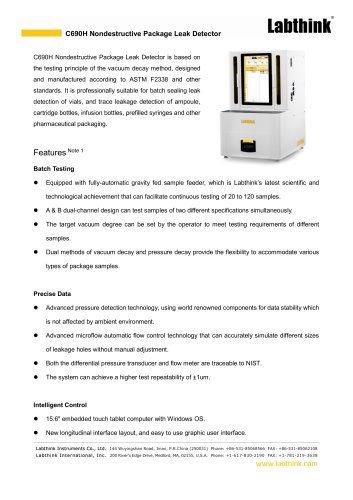
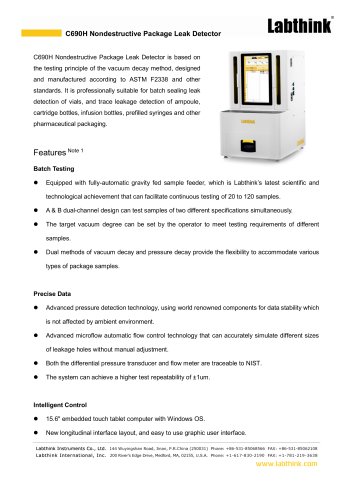
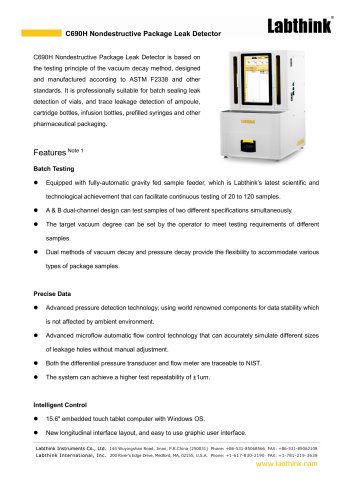
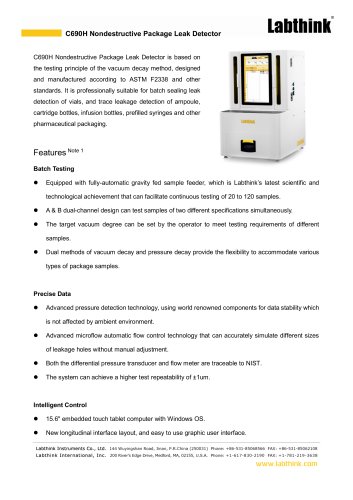
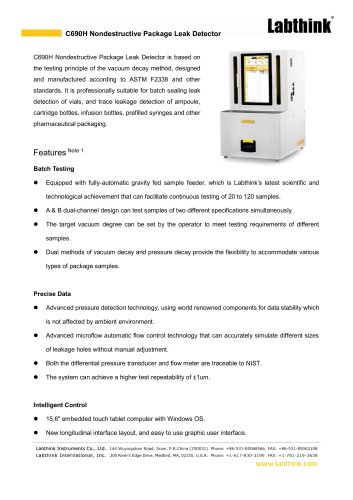
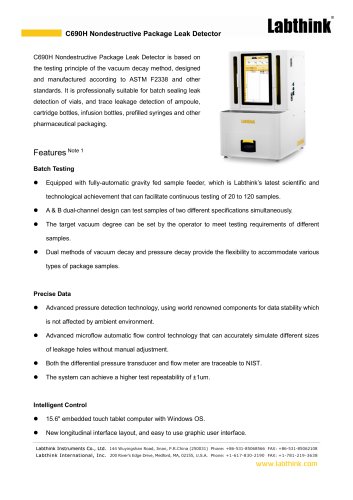
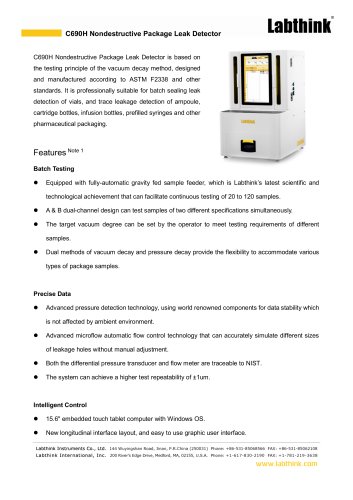
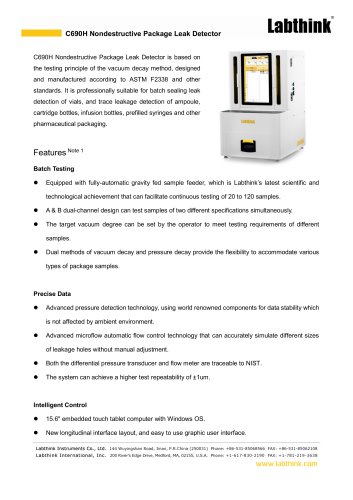
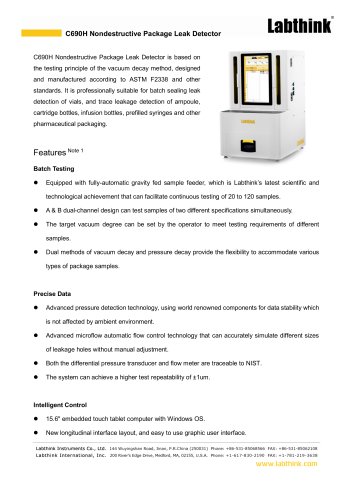
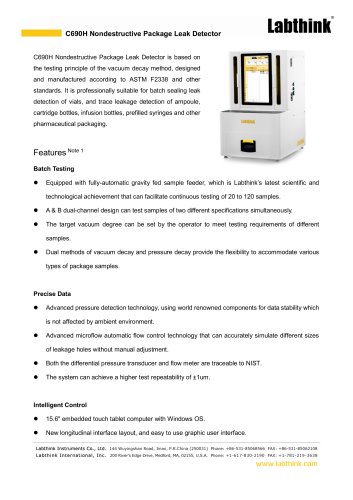
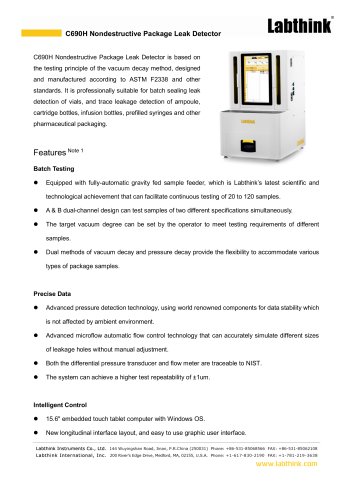
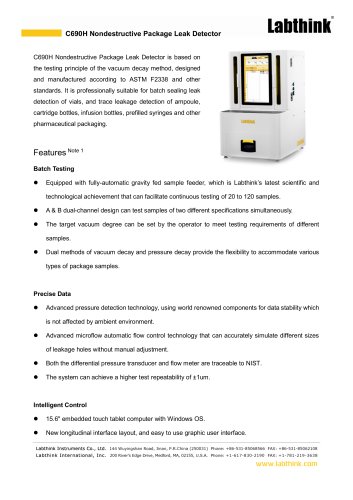
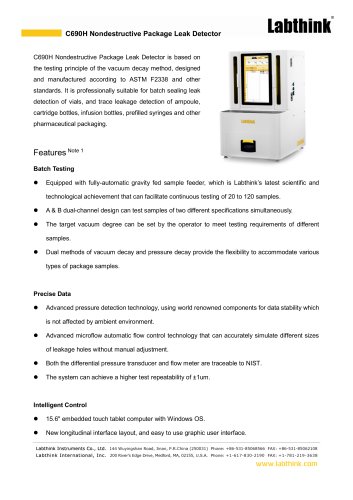
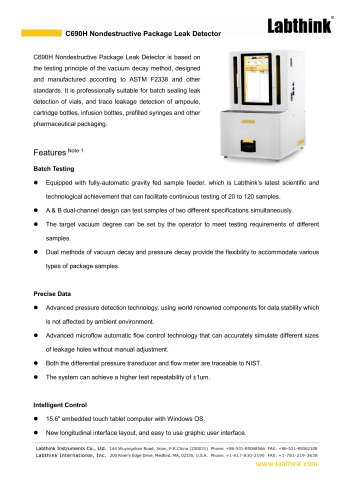
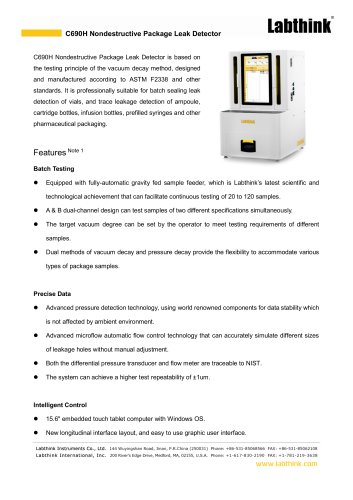
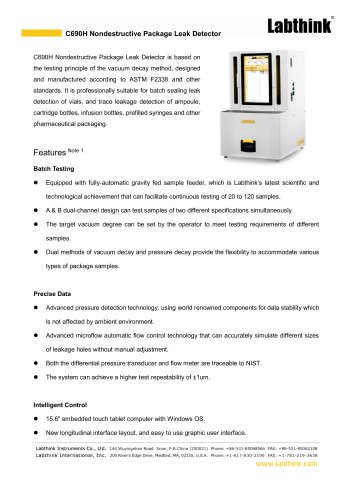
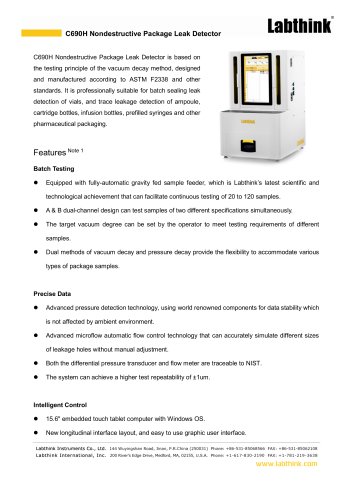
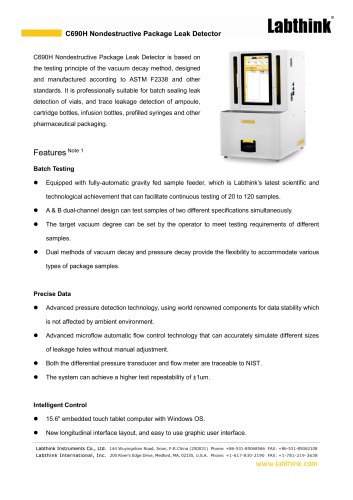
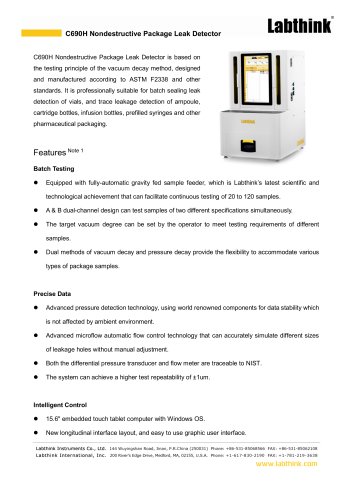
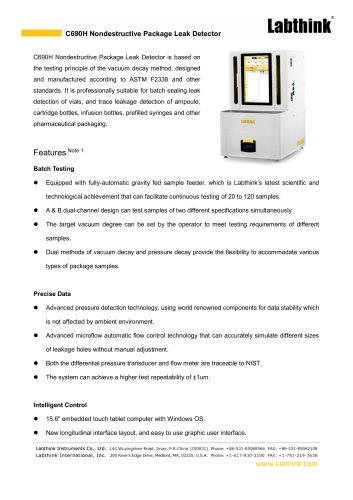
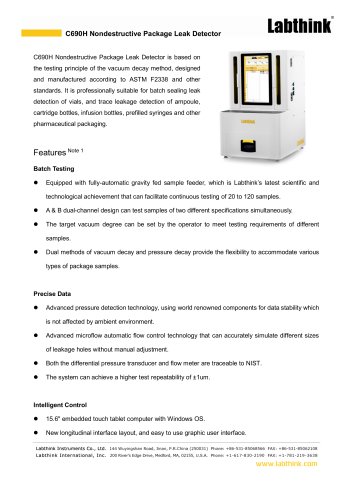
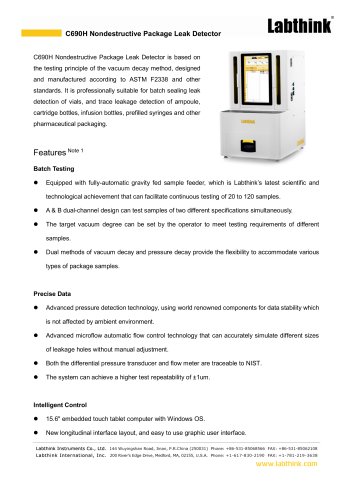
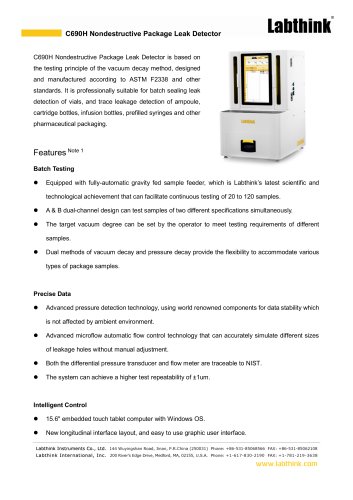
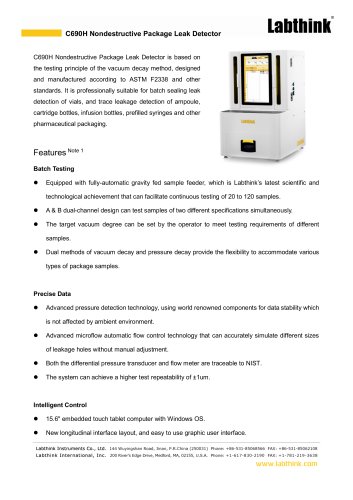
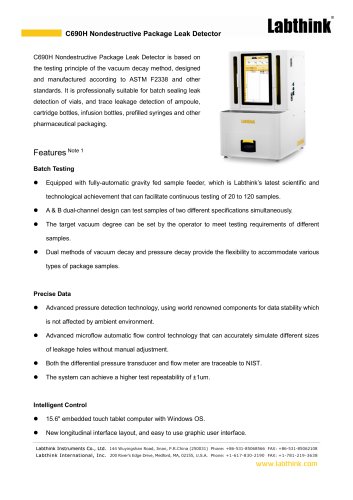
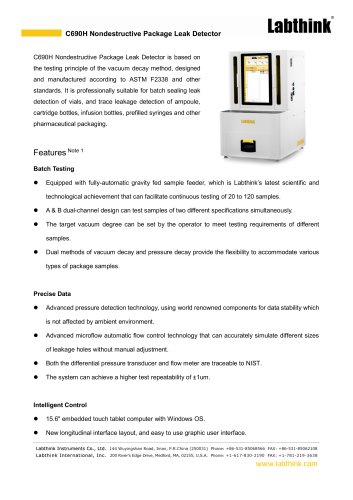
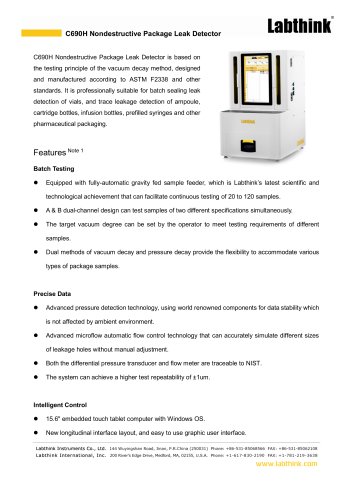
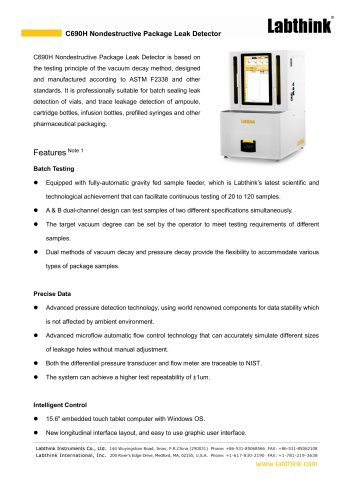
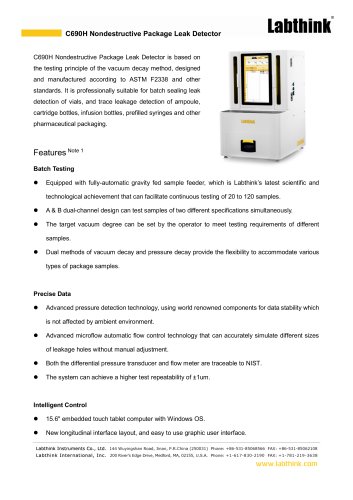
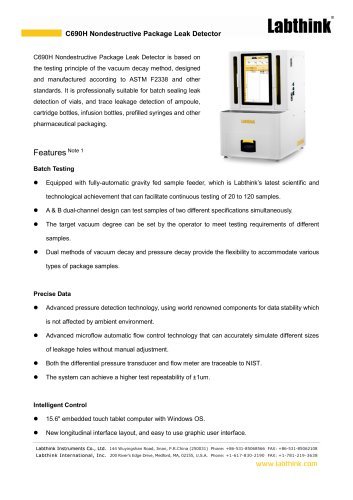
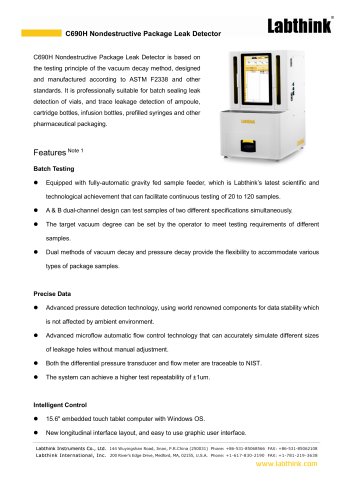
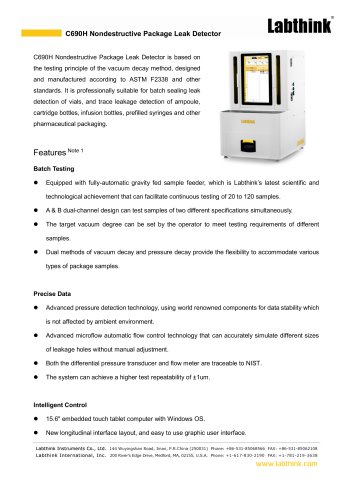
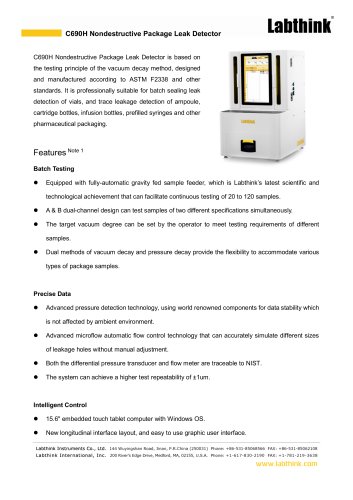
C690H4 Pages
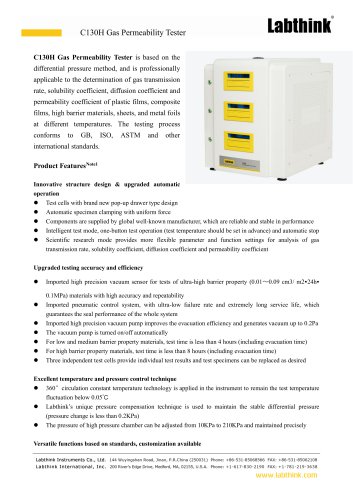 C130H
C130H4 Pages
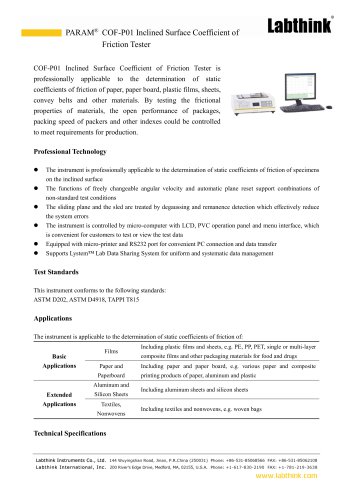 COF-P01
2 Pages
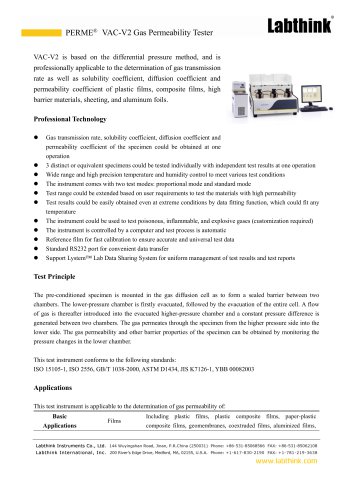
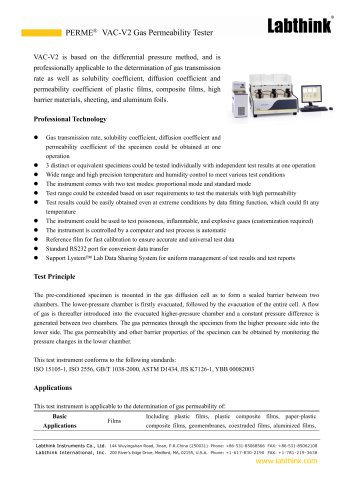
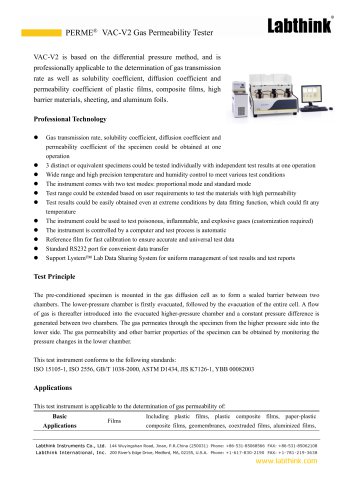 VAC-V2
3 Pages
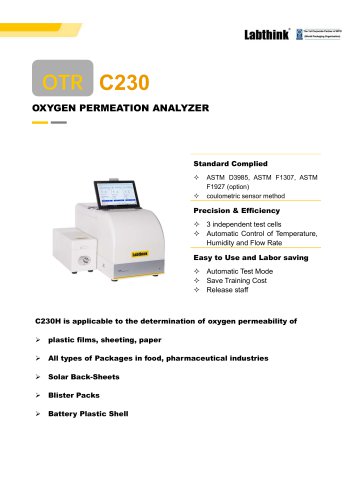
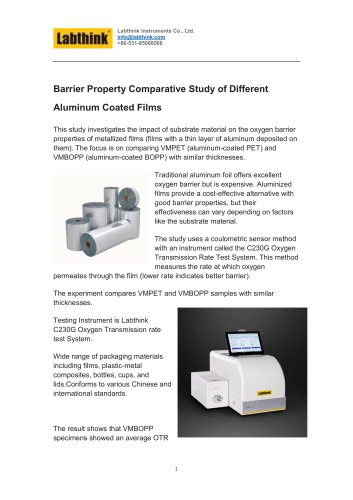
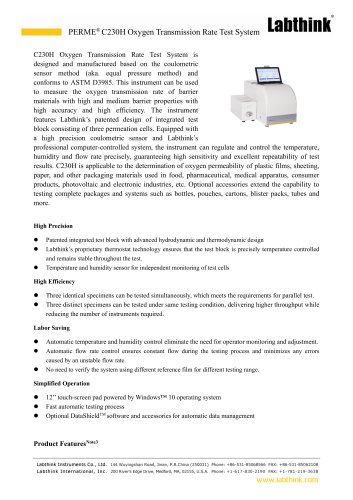 C230H (2025)
4 Pages
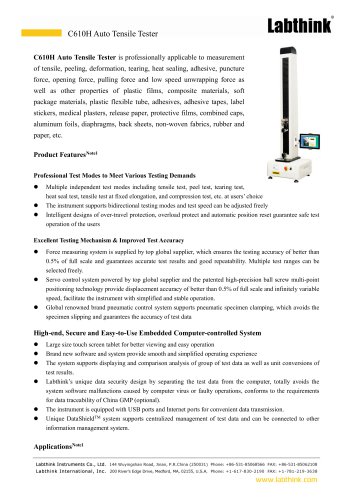
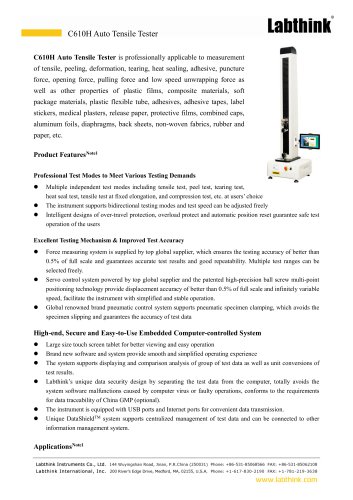
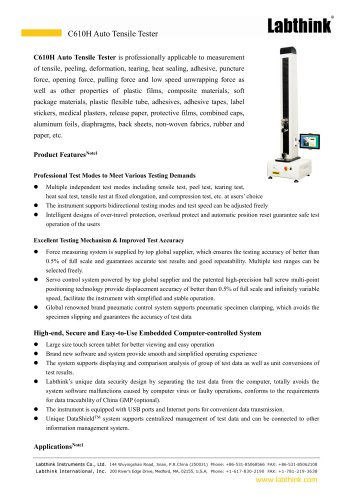 C610H
C610H3 Pages
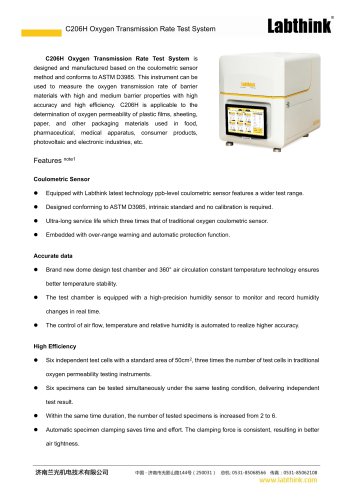
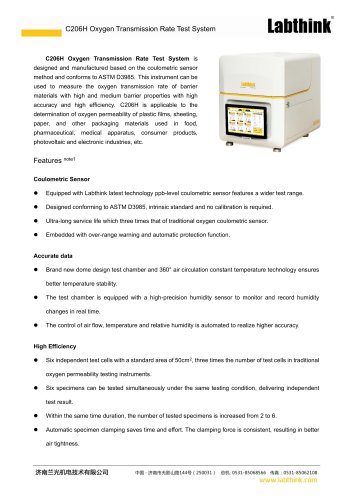 C206H
C206H4 Pages
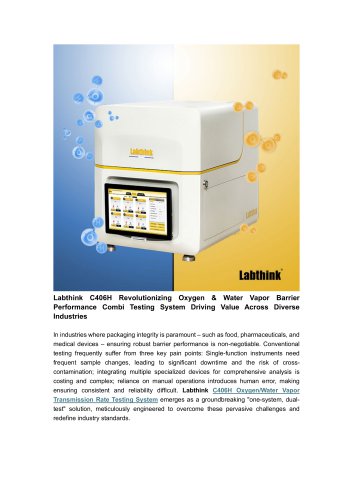
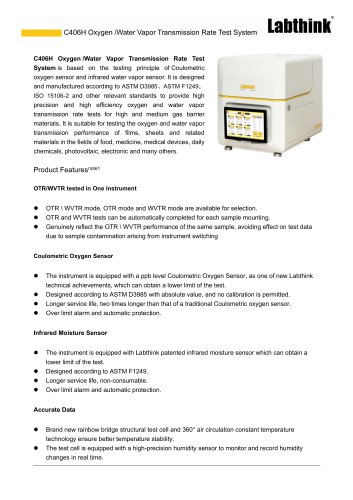
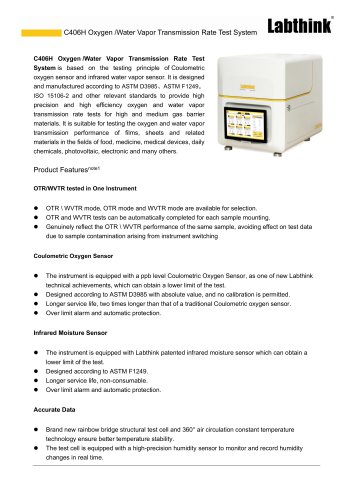
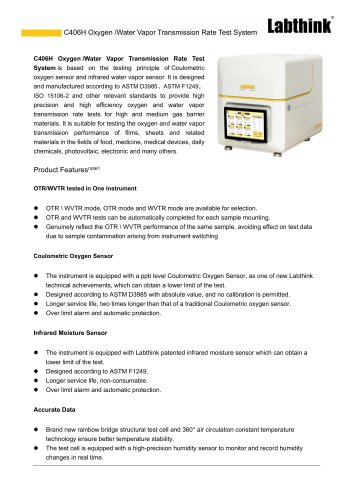
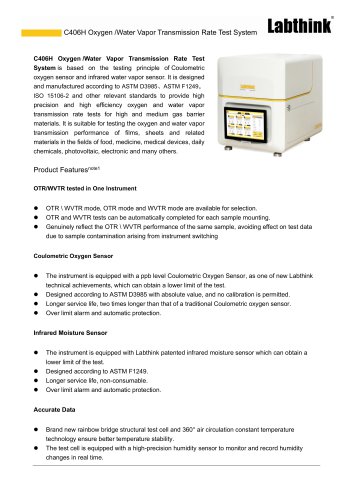
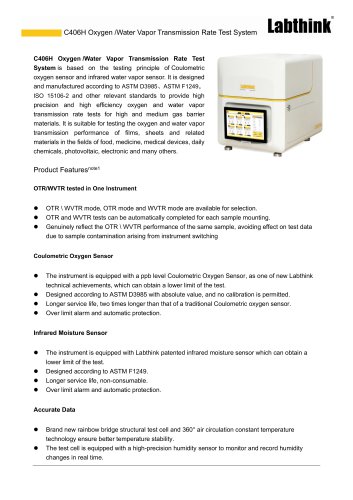
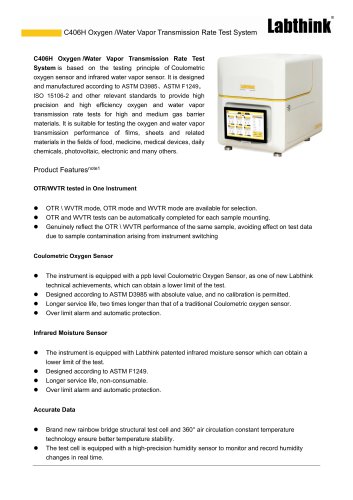
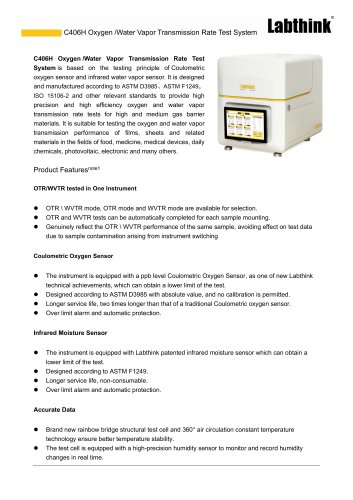
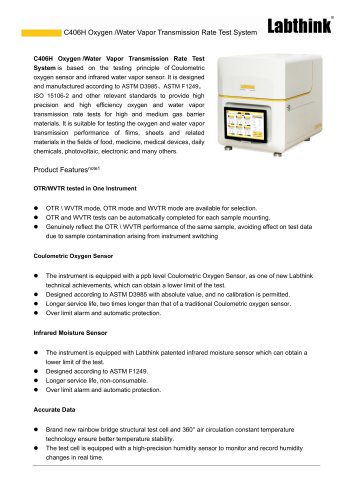
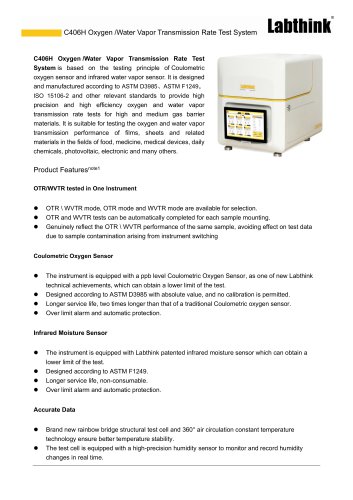
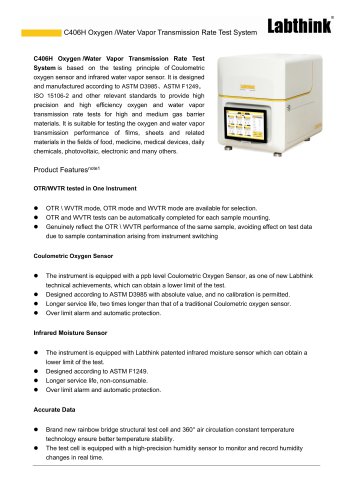
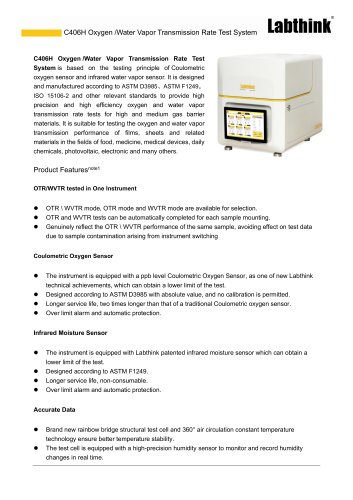
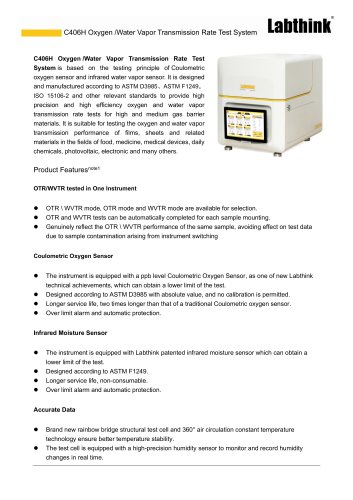
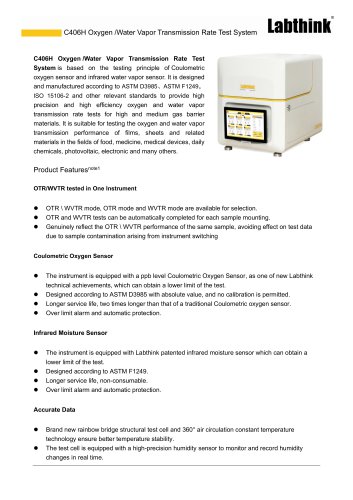
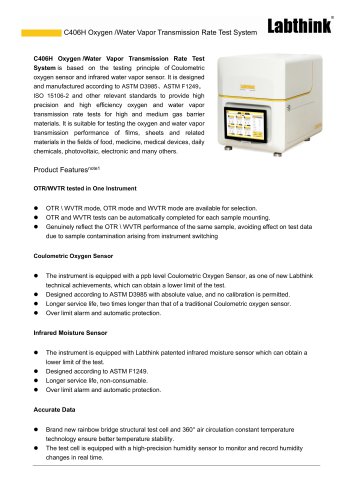
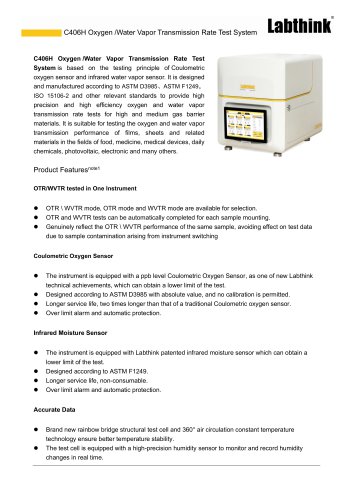
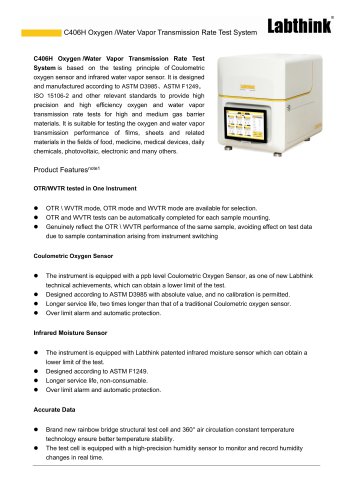
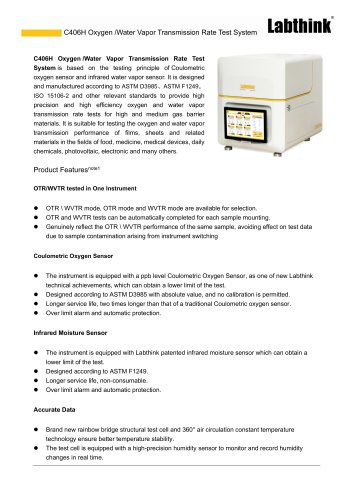
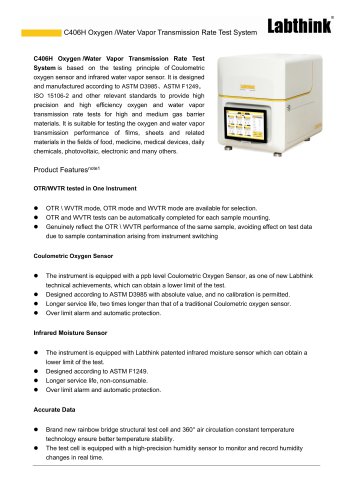
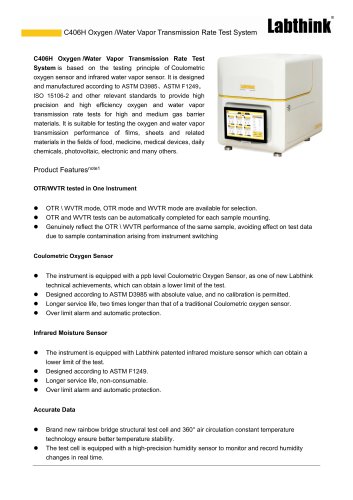
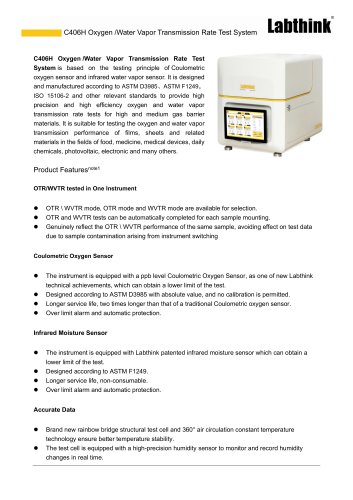
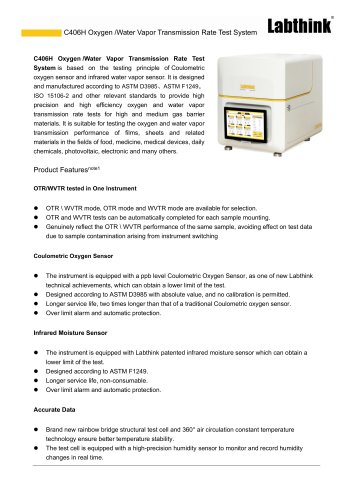
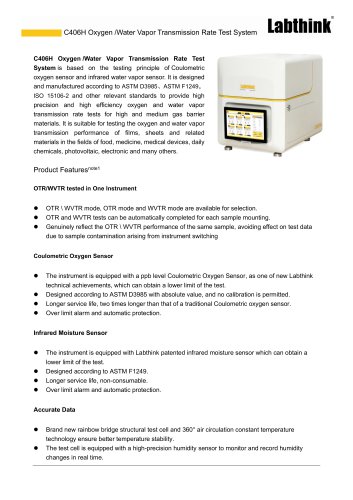
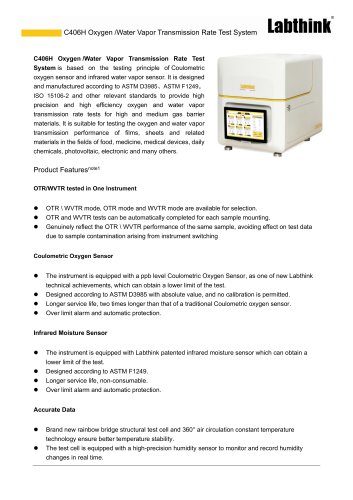
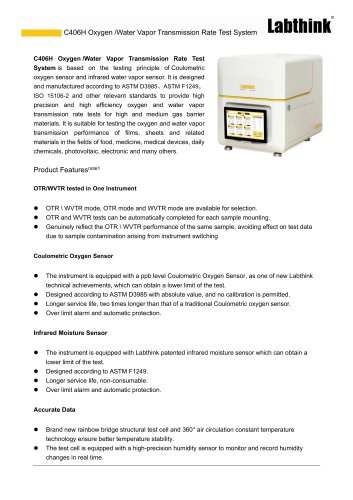
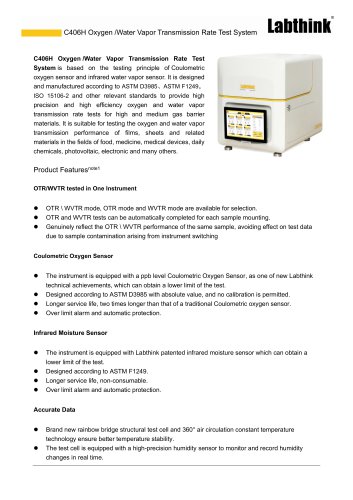
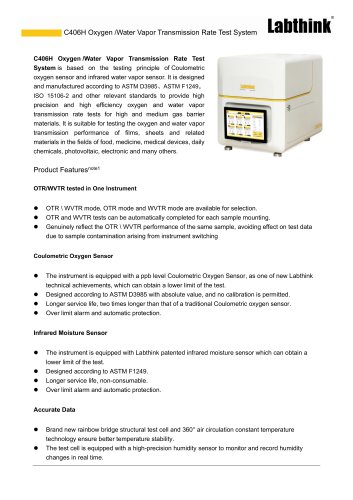
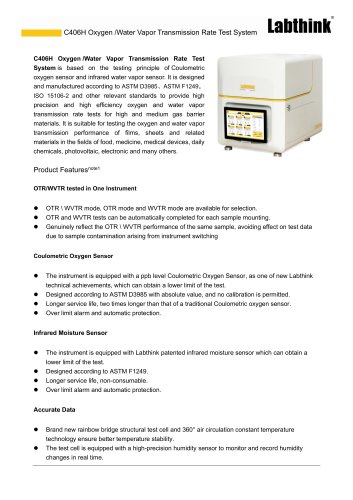
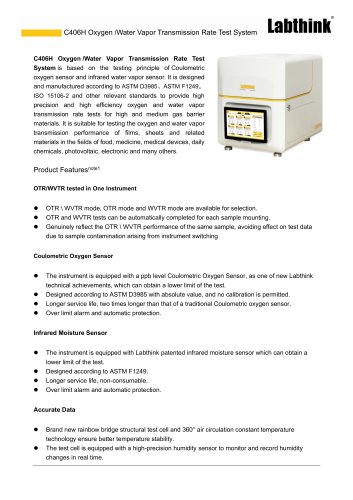
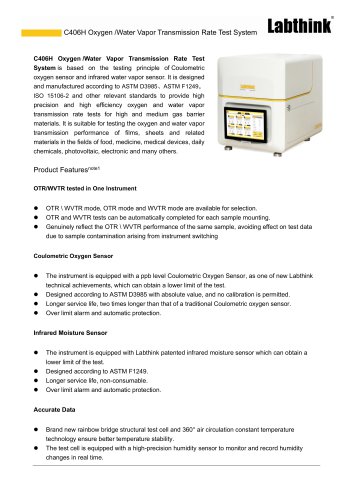
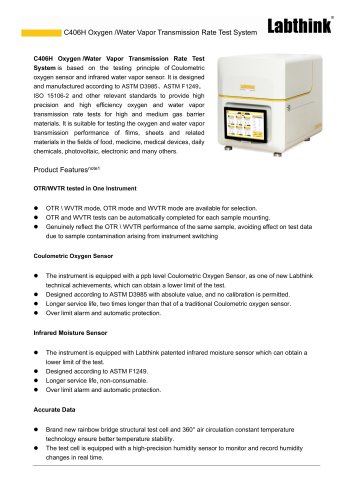
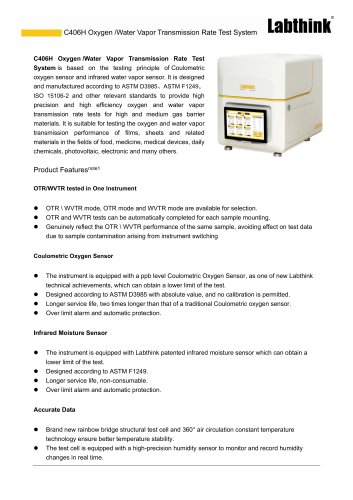
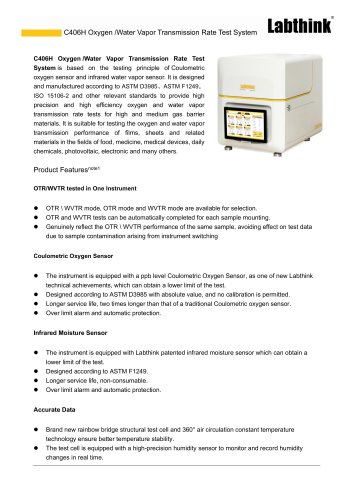
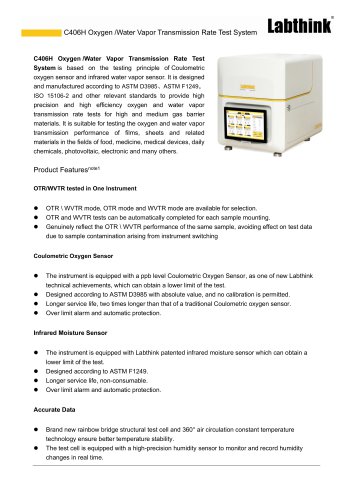
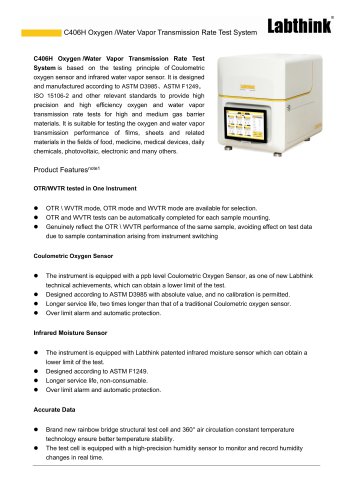
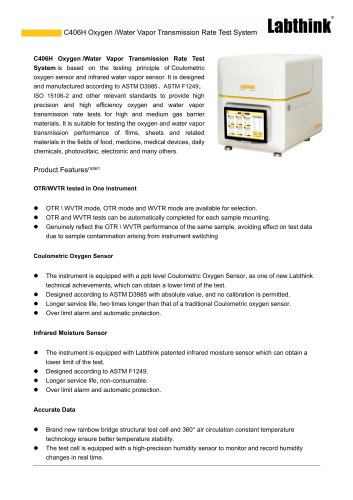
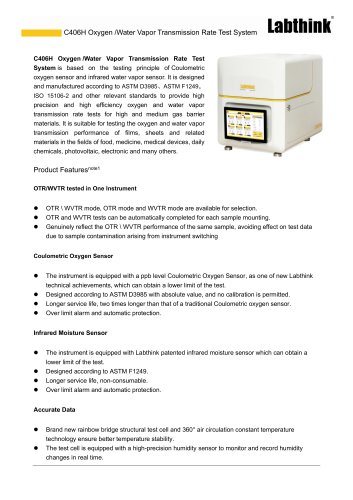
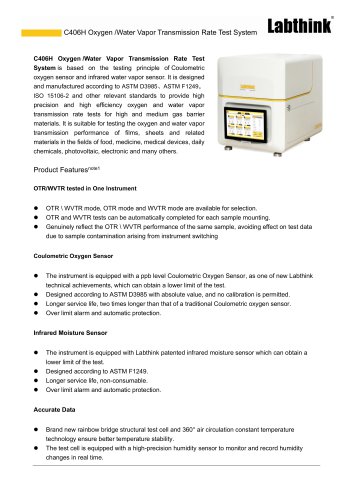
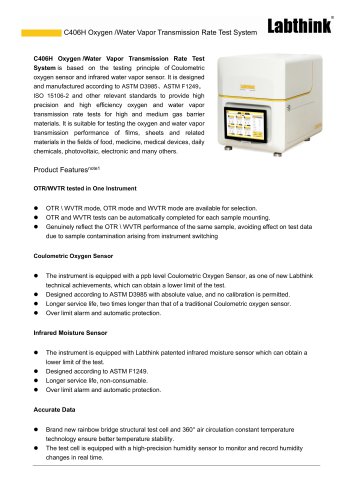
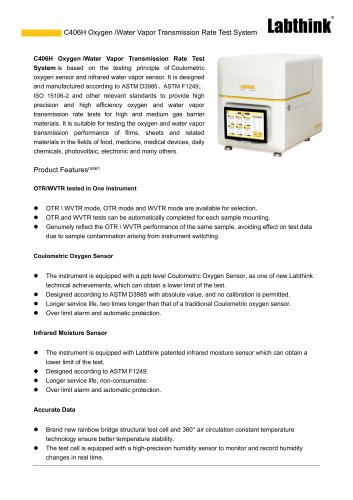
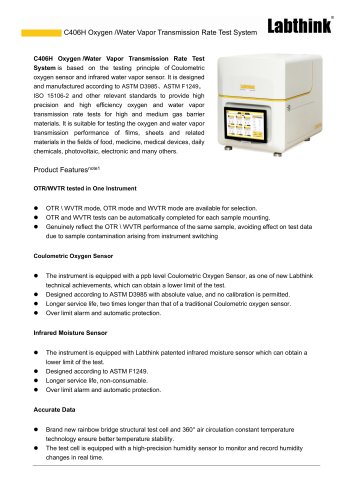
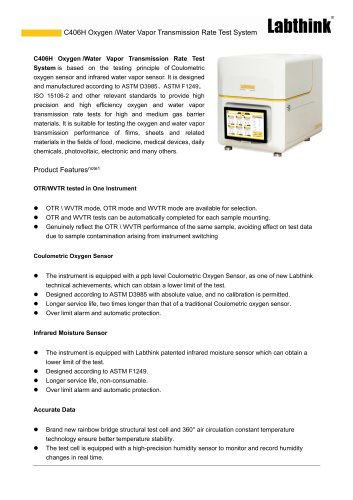
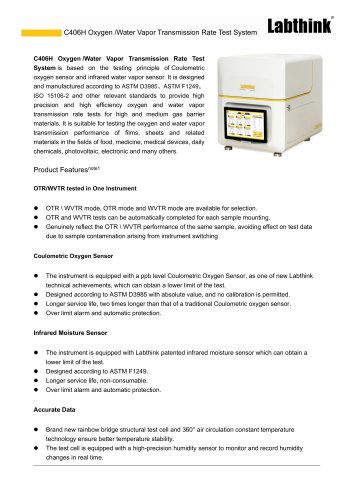
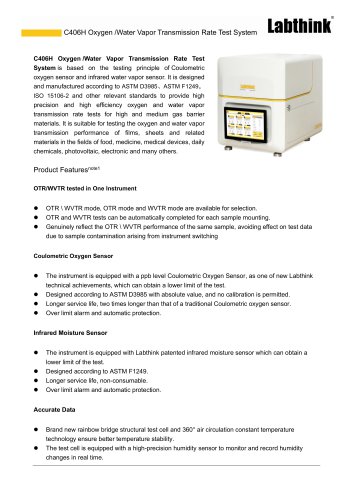
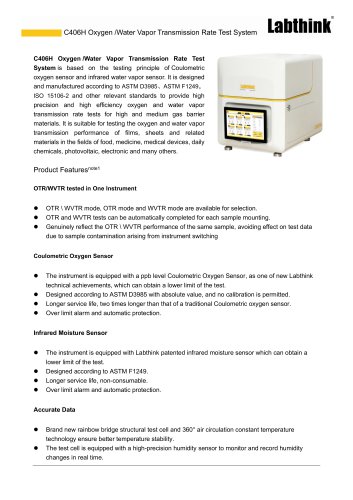
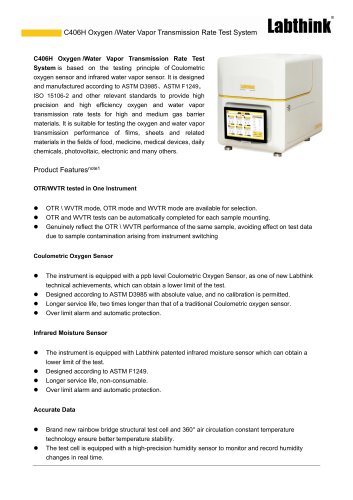
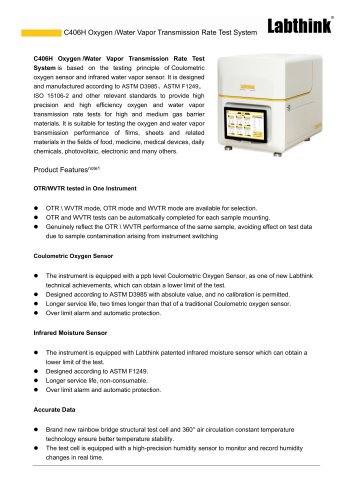
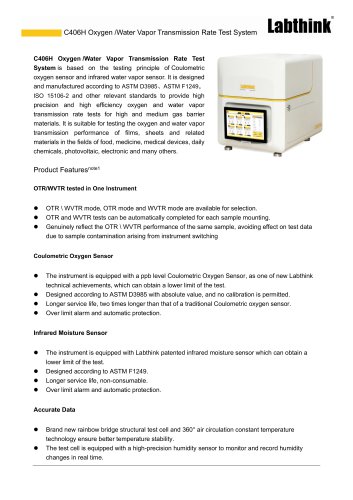
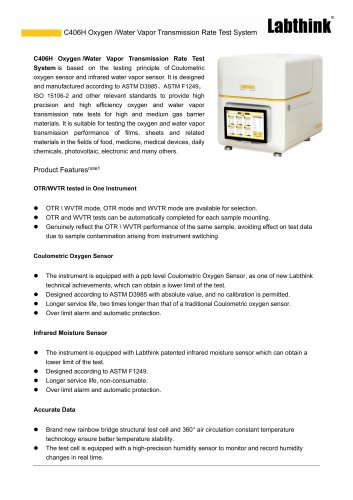
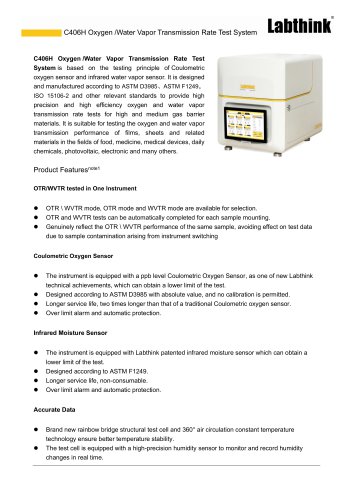
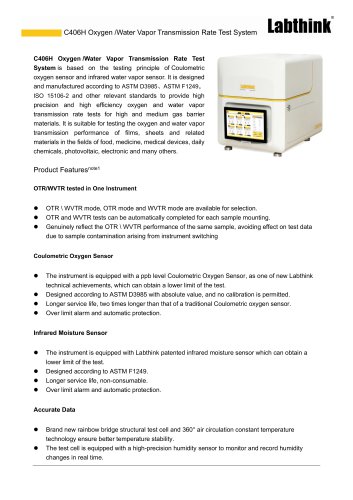
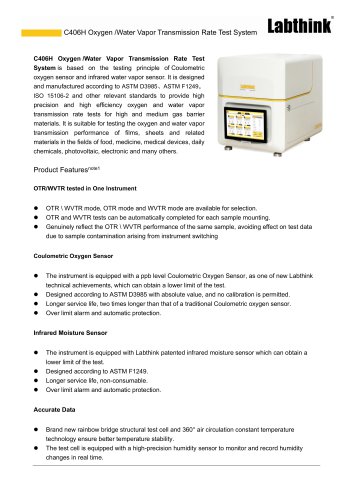
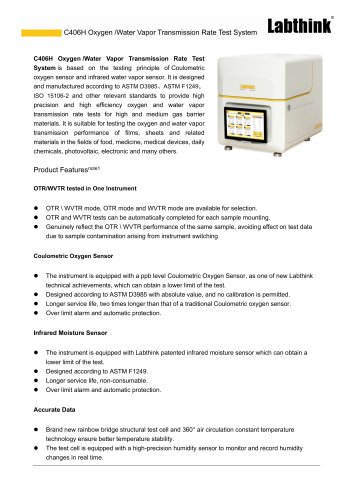
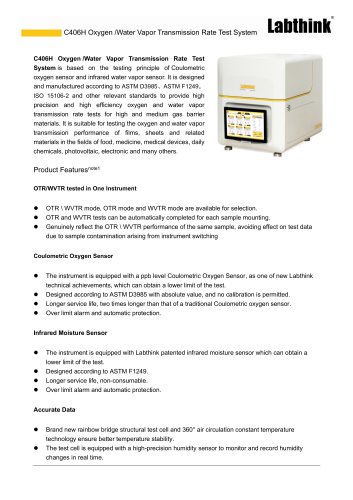
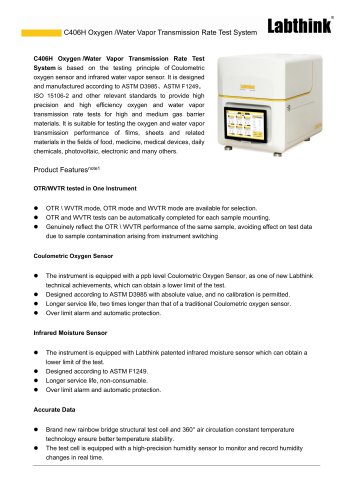
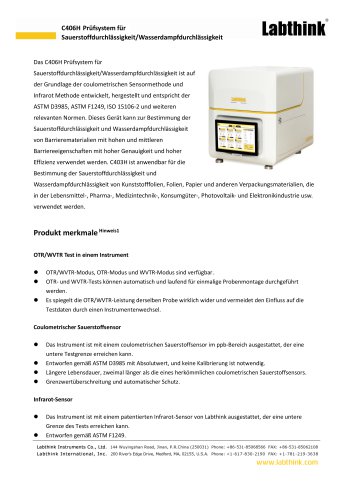
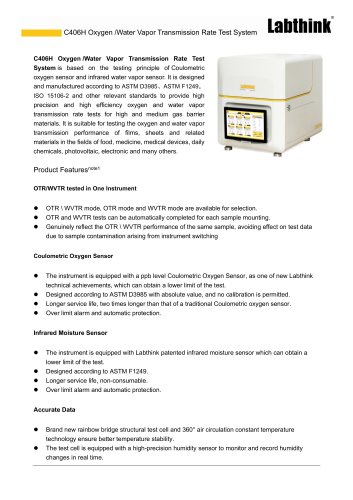 C406H
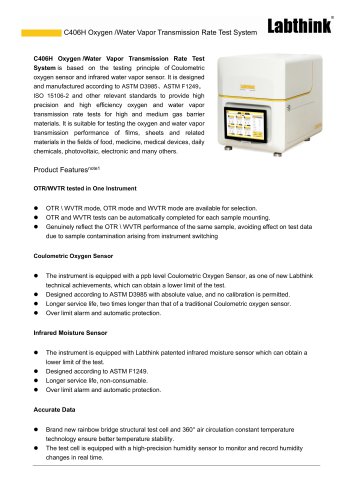
C406H5 Pages
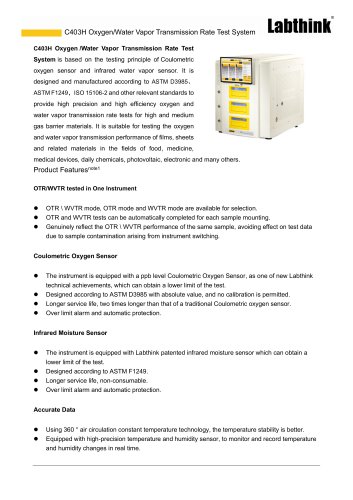
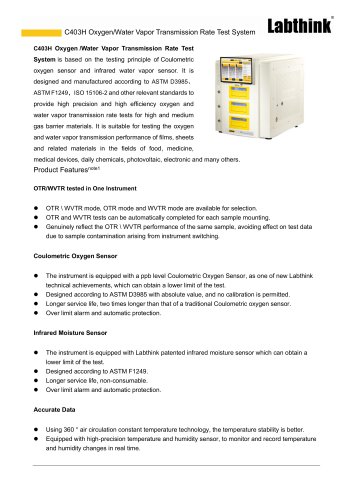
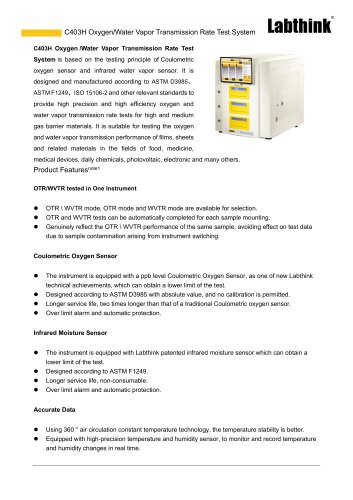 C403H
C403H5 Pages
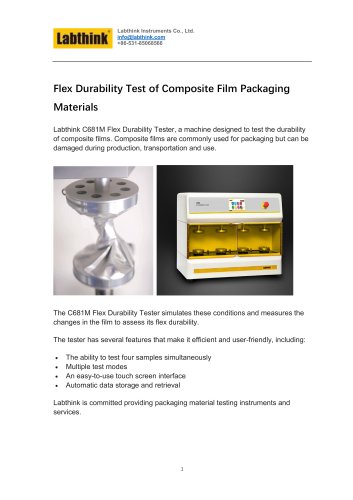 C 681M
1 Page
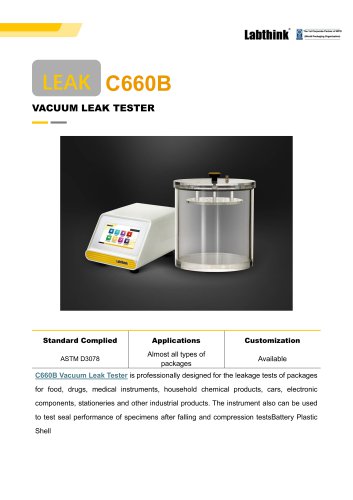
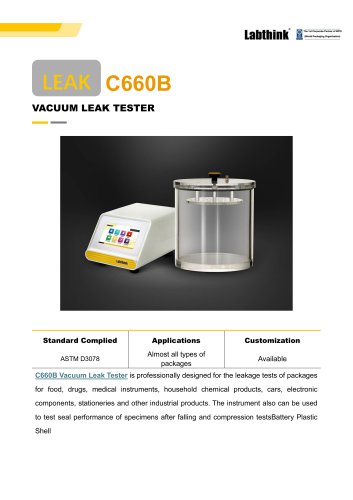
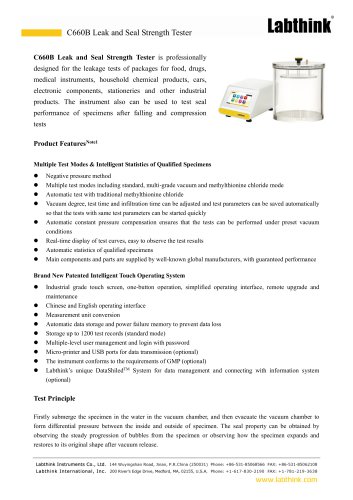 C660B (2025)
3 Pages
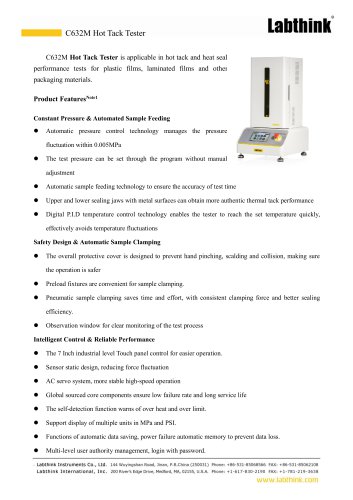 C632M
C632M3 Pages
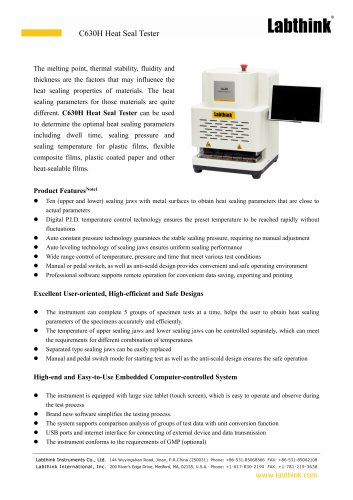
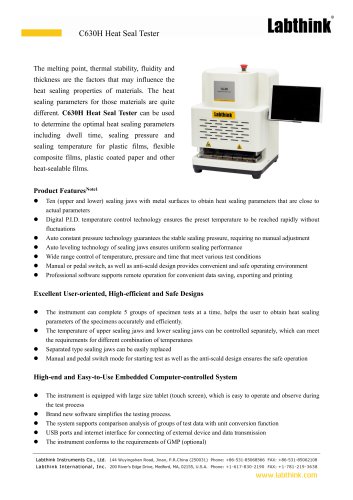 C630H
C630H3 Pages
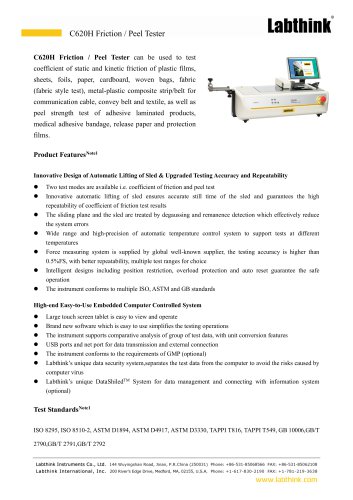 C620H
C620H3 Pages
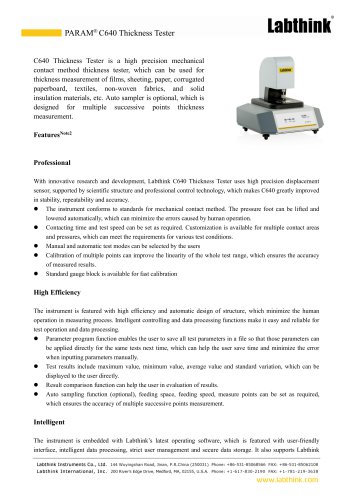 C 640
C 6404 Pages
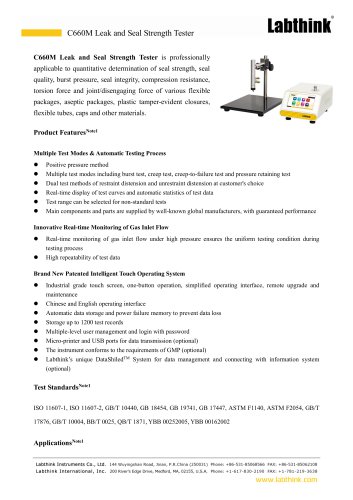 C 660M
3 Pages
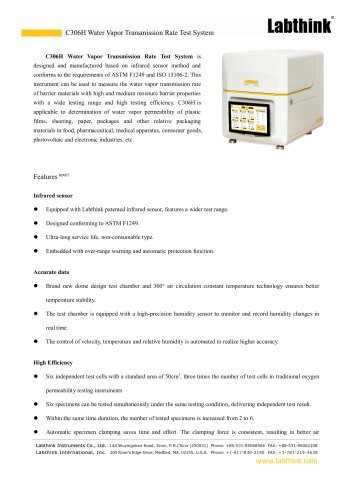
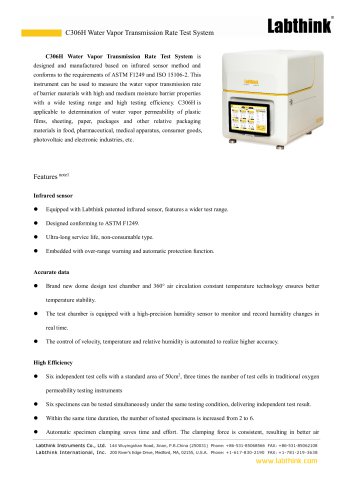 C306H (2025)
4 Pages
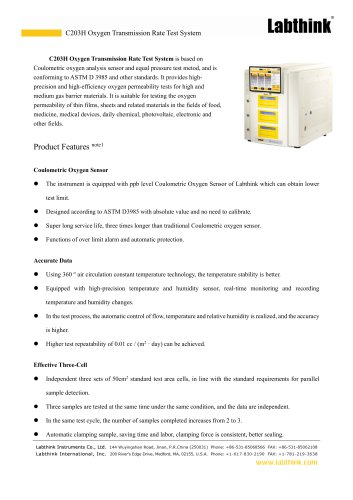 C203H
C203H4 Pages
 Heat seal testing instrument
3 Pages
 Paper Board Thickness Tester
4 Pages
 Film Thickness Meter
4 Pages
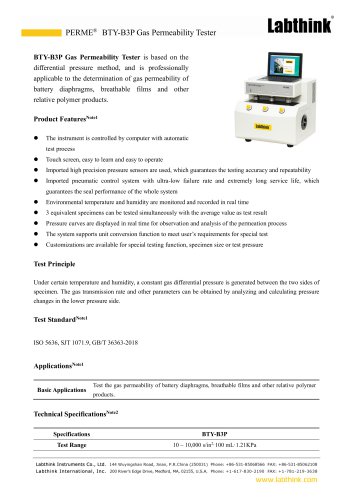 BTY-B3P
2 Pages
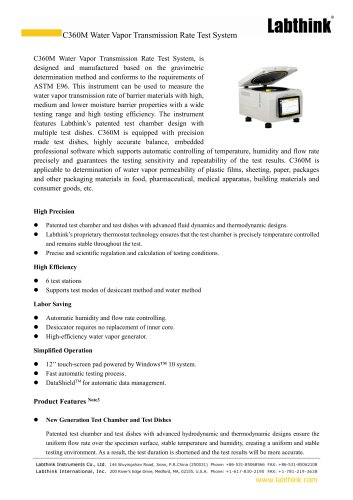
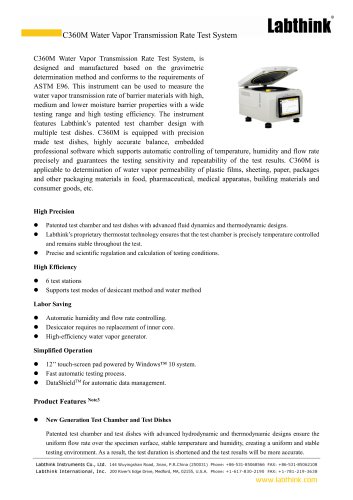 C360M
C360M4 Pages
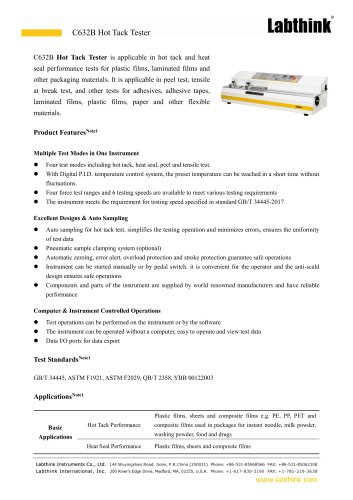 C632B
C632B3 Pages
 C632M Hot tack Tester
3 Pages
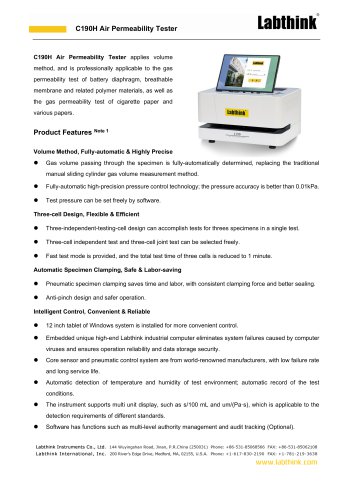 C190H
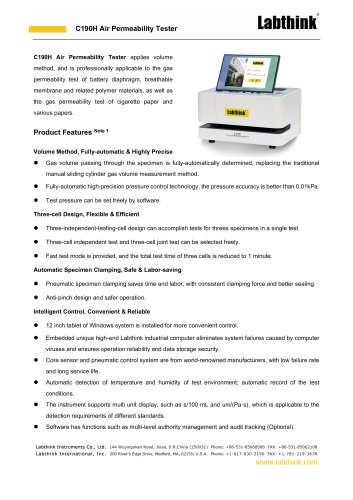
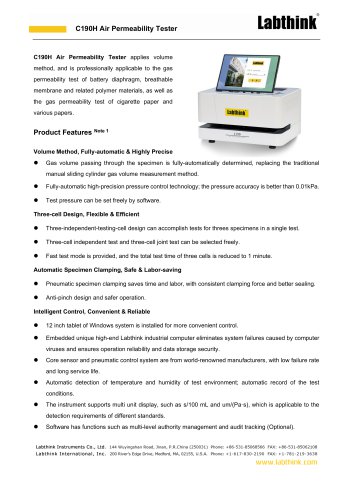
C190H3 Pages
 C650H Headspace Gas Analyzer
2 Pages
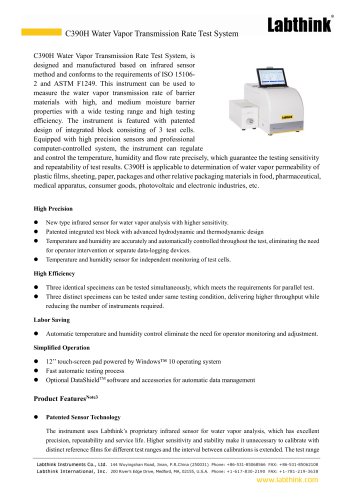 C390H
C390H4 Pages
 C360H
C360H4 Pages
 C680M Tearing Tester
2 Pages
 C660M
C660M3 Pages
 C620H Friction / Peel Tester
3 Pages
 C630H Heat Seal Tester
3 Pages
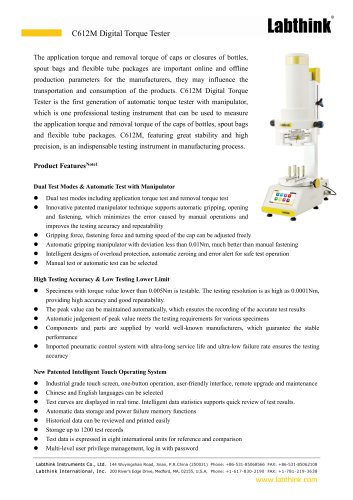 C612M Digitale Torque Tester
3 Pages
 Box Compression Tester
2 Pages
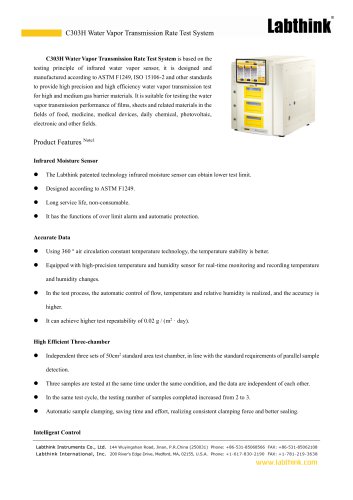 C303H
C303H4 Pages
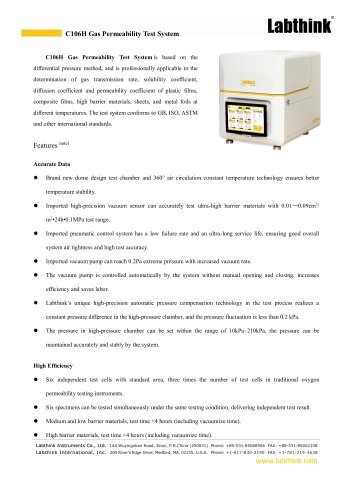 C106H
C106H5 Pages
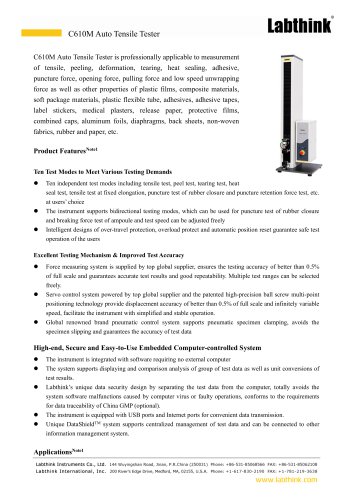 C610M Auto Testing Device
3 Pages
 Bottle Leak Tester Machine
3 Pages
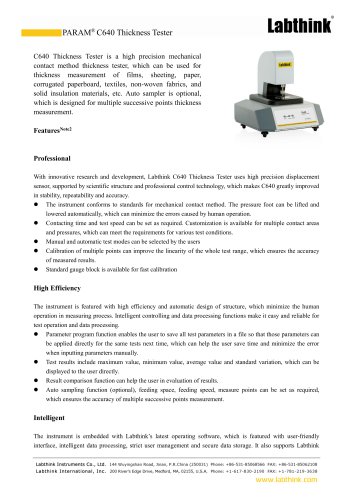
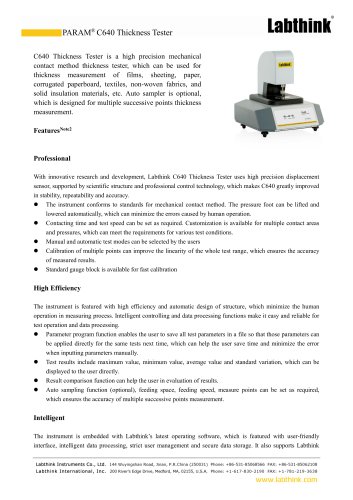 C640 Thickness Tester
4 Pages
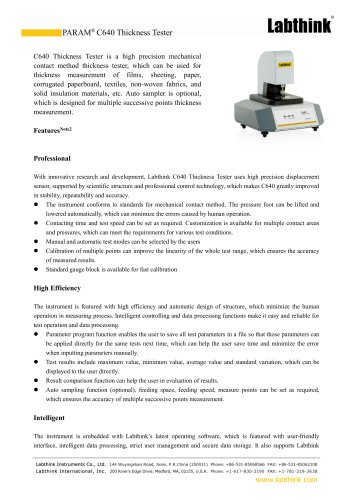 C640
C6404 Pages
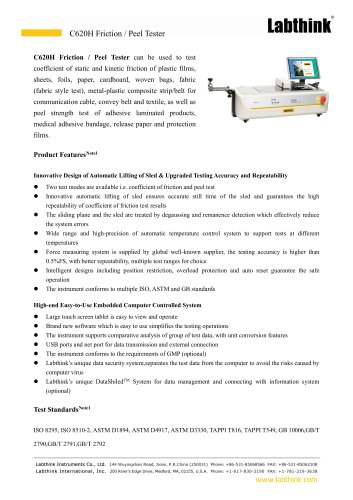 C620H Friction/ Peel Tester
3 Pages
 Pull Off Adhesion Tester
3 Pages
 Torque Measuring Devices
3 Pages
 Bottle Torque Tester
3 Pages
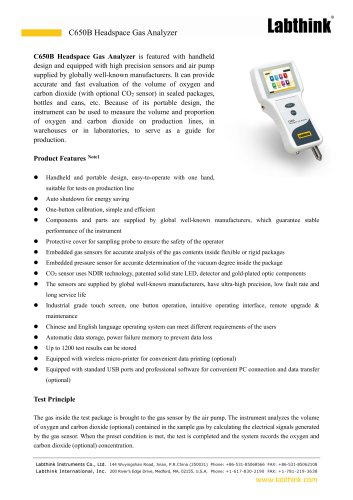 C650B Headspace Gas Analyser
2 Pages
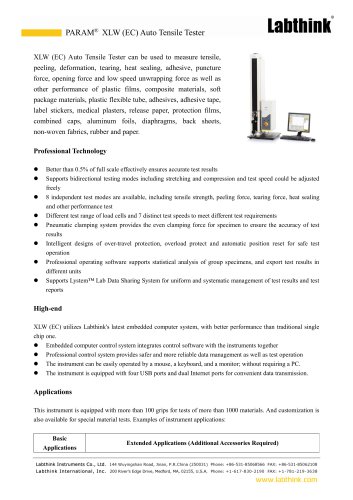 XLW (EC) Auto Tensile Tester
3 Pages
 Torque Strength Measuring
3 Pages
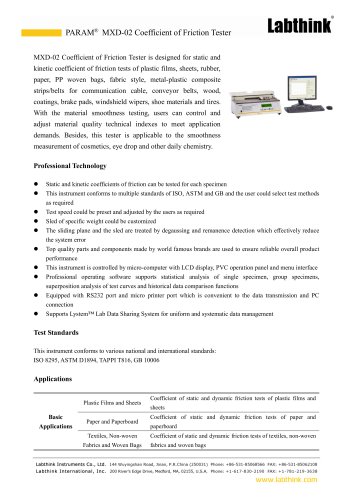
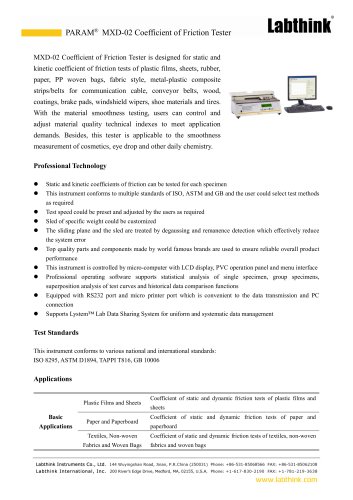 MXD-02
2 Pages
 C612M Digital Torque Tester
3 Pages
 Bag COF Tester
3 Pages
 Labthink Headspace Analyzer
2 Pages
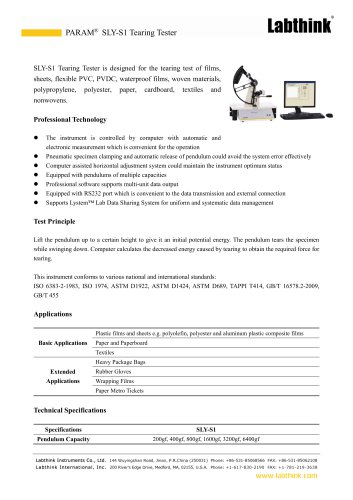 SLY-S1 Tearing Tester
2 Pages
 Sandwich Bag COF Tester
2 Pages
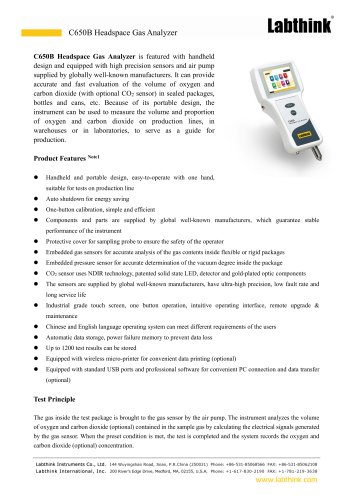 C650B Headspace GAZ Analyzer
2 Pages
 XLW (PC) Auto Tensile Tester
3 Pages
 XLW (EC) Auto Testile Tester
3 Pages
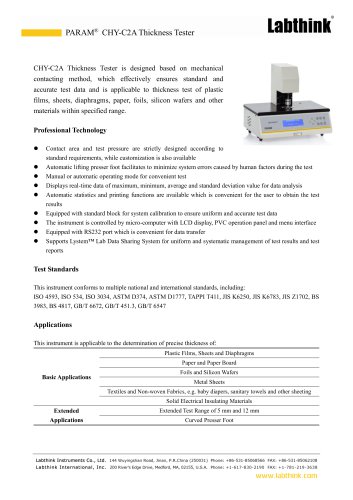
 CHY-C2A
2 Pages
 C681M Flex Durability Tester
2 Pages
 Heat Shrink Tester
2 Pages
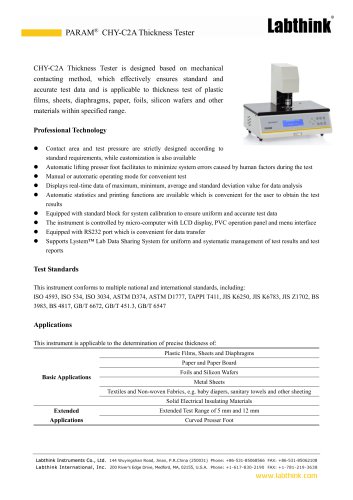 CHY-C2A Thickness Tester
2 Pages
 Tensile Testing Device
3 Pages
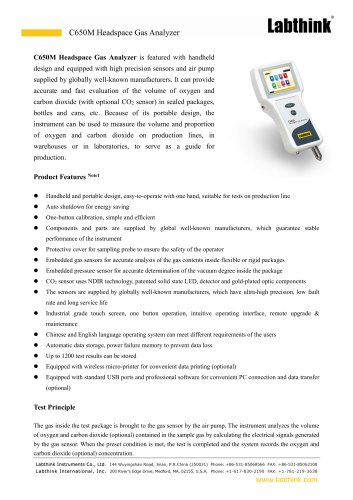 C650m Headspace Gaz Analyser
2 Pages
 MAP Packaging Burst Tester
3 Pages
 MAP Packaging Leak Tester
3 Pages
 Lug Cap Torque Tester
3 Pages
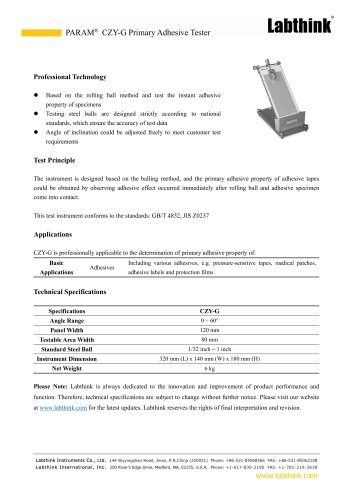 CZY - G Primary Tester
1 Page
 Motorized Pull Test Machine
3 Pages
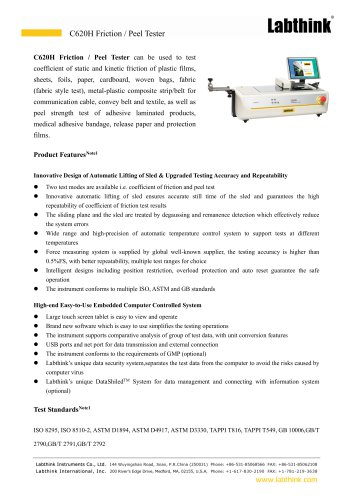 C620H Friction Tester
3 Pages
 Heat Seal Tester
3 Pages
 Roll Tack Tester
1 Page
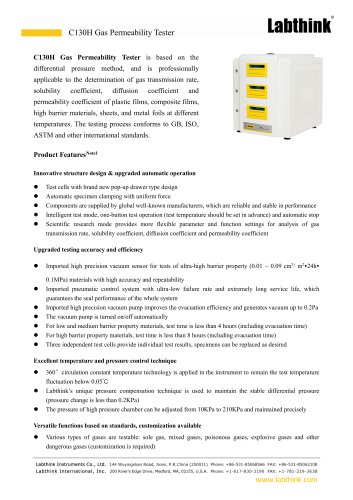 C130 Gas Permeability Tester
4 Pages
 Adhesive Tack Tester
2 Pages
 Vacuum Bag Leak Tester
3 Pages
 Micron Film Thickness Gauge
4 Pages
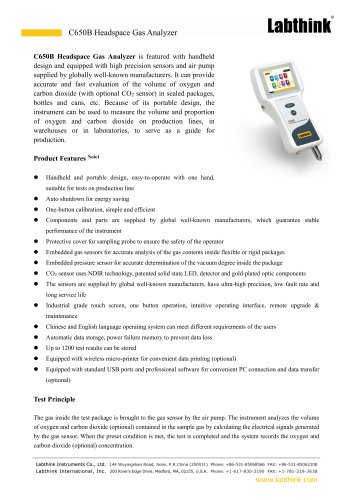 C650B Headspace Gaz Analyser
2 Pages
 Automatic Tube Leak Tester
2 Pages
 Burst Test Equipment
3 Pages
 Elongation Tester
3 Pages
 Box Compression Test Machine
2 Pages
 Adhesion Tester for Sticker
2 Pages
 Ink Rub Lab Equipment
2 Pages
 Friction Testing Machine
3 Pages
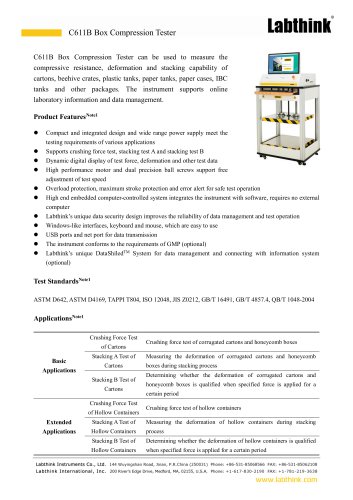 C611B
C611B2 Pages
 Fabric Thickness Measurement
4 Pages
 Snack Bag Leak Detector
3 Pages
 Carton Stacking Test Machine
2 Pages
 Sheet Metal Thickness Gauge
4 Pages
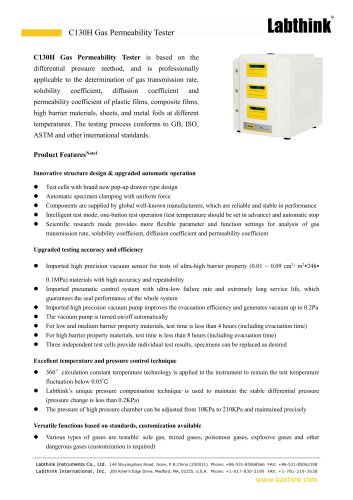 CH130
CH1304 Pages
 Residual oxygen level tester
2 Pages
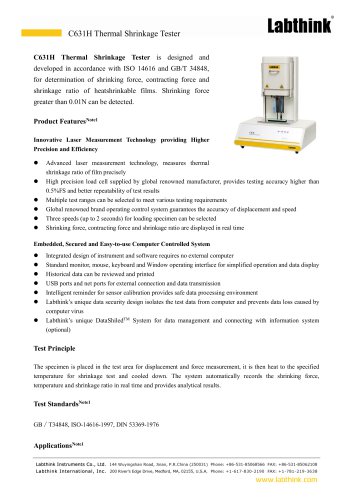 C 631 H
2 Pages
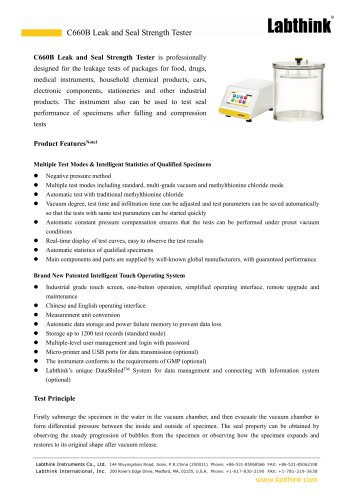 C660 B
3 Pages
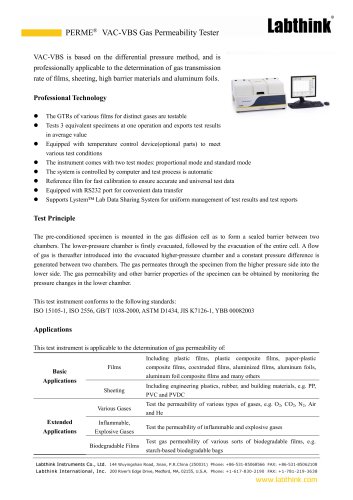 VAC-VBS
3 Pages
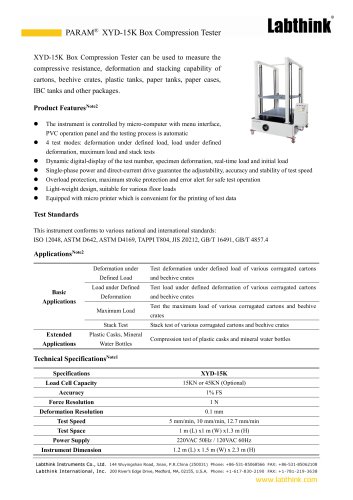 XYD-15K
2 Pages
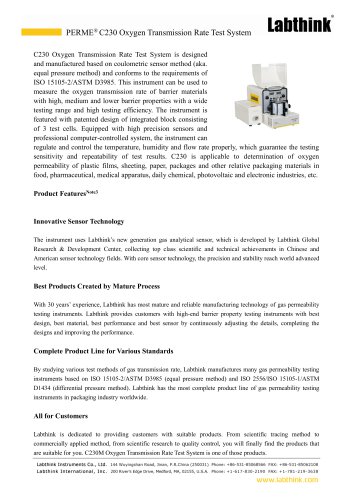 C360
C3604 Pages
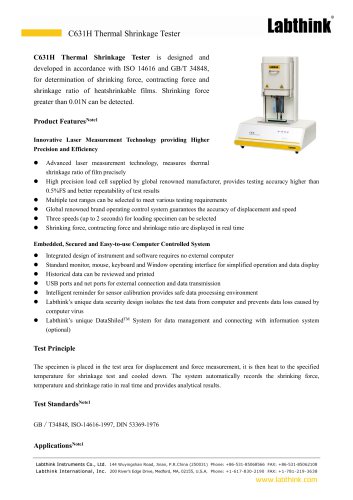 C631 H
2 Pages
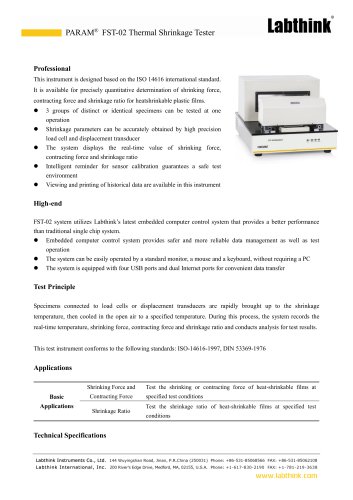 FST-02
2 Pages
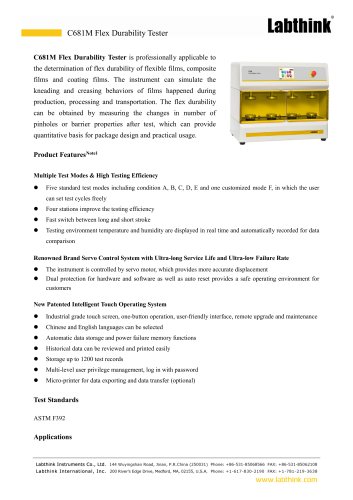 C681 M
2 Pages
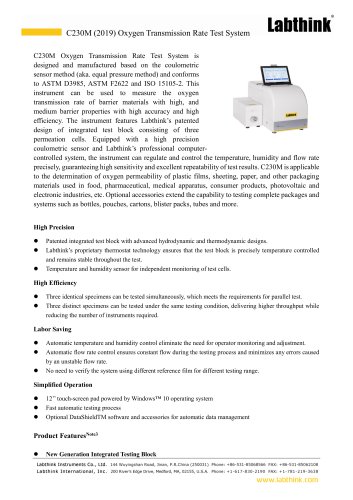
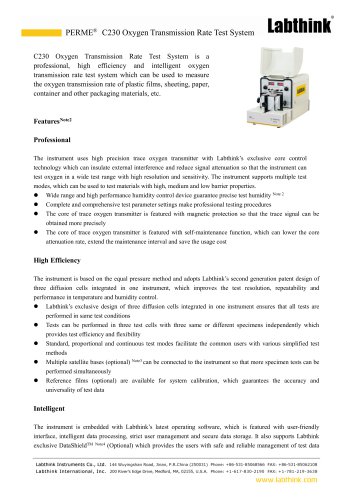 C230
C2304 Pages
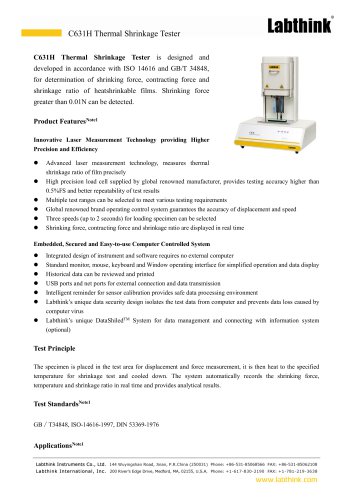 C631H
C631H2 Pages
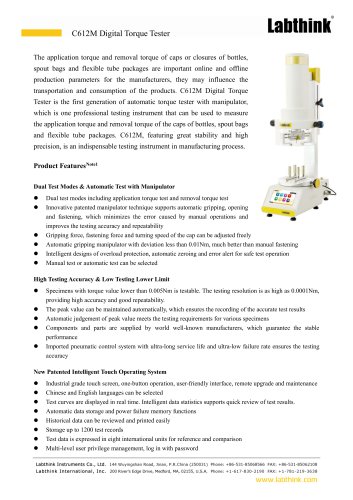 C612M
C612M3 Pages
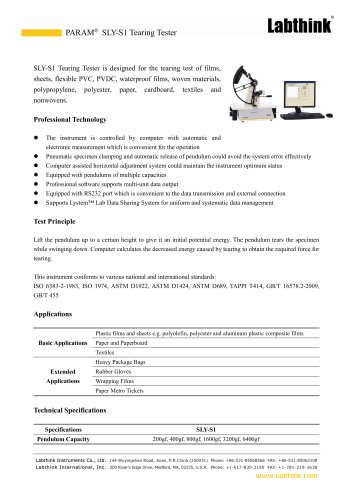 SLY-SI
2 Pages
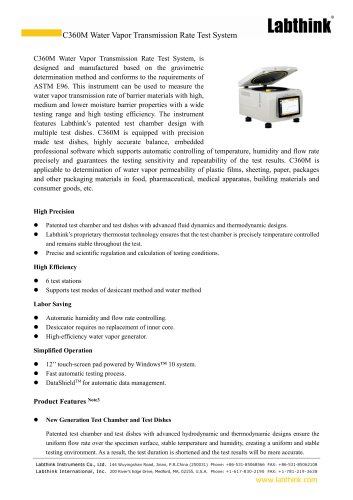 C360 M
4 Pages
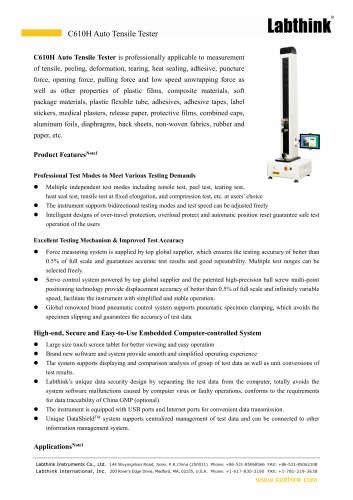 C610H Auto Tensile Tester
3 Pages
 Vacuum Tube Leak Tester
3 Pages
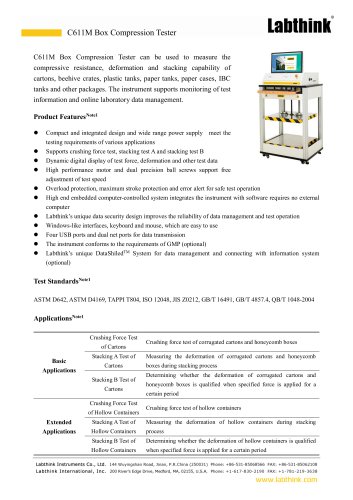 C611M
C611M2 Pages
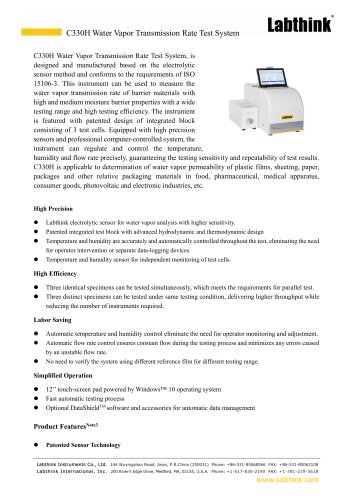
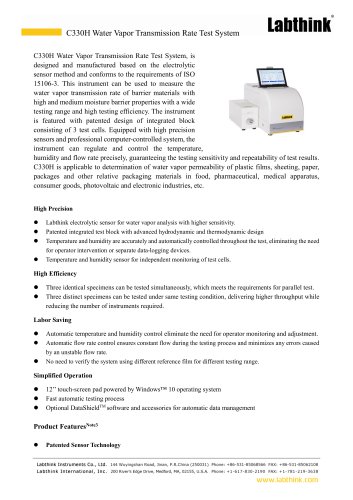 C330H
C330H4 Pages
 leak detector for packaging
3 Pages
 bottle torque tester machine
3 Pages
 micrometer per ASTM D374
4 Pages
 rub tester for wine labels
2 Pages
 LAB THICNESS TESTER
3 Pages
 Peel tester for 180 Degree
5 Pages
 Ball tack tester
5 Pages
 table top thickness gauge
12 Pages
 Tabletop sealing machine
14 Pages
 Film Friction Tester
2 Pages
 Head space Oxygen Analyser
2 Pages
 90 degree peel test Device
3 Pages
 C650M Headspace Gas Analyzer
2 Pages
 C650B Headspace Gas Analyzer
2 Pages
 C620H Friction
3 Pages
 Handheld Headspace Analyzer
2 Pages
 Cap Torque Machine
5 Pages
 Oxygen Permeation Analyser
3 Pages
 Oxygen Permeation Apparatus
3 Pages
 Bottle Cap Leak Tester
4 Pages
 torque meter for PET Bottles
3 Pages
 box compression device
5 Pages
 BLJ-02 Disk Stripping Tester
2 Pages
 RT-01 Rub Tester
2 Pages
 MCJ-01A Rub Tester
2 Pages
 Floor Slip Resistance Tester
5 Pages
 Leak Tester
3 Pages
 Tensile Testers
19 Pages
 Consultative Testing Service
4 Pages
 BOPP Tape Shear Tester
3 Pages
 Bell Jar leak tester
2 Pages
 COF testing of Polymer Films
2 Pages
 labthink MFY-01 Leak Tester
3 Pages
 Tablet Leak Test Apparatus
5 Pages
 Precise Tape Peeling Tester
5 Pages
 BOPP Film Thickness Meter
2 Pages
 Package Headspace Analyzer
5 Pages
 electrical torque meter
5 Pages
 tape peeling tester
5 Pages
 tensile testing instrument
5 Pages
 gas leakage detector LSSD-01
5 Pages
 XLW (G6) Auto Tensile Tester
3 Pages
 XLW (M) Auto Tensile Tester
3 Pages
 XLW (B) Auto Tensile Tester
2 Pages
 XLW Auto Tensile Tester
3 Pages
 CHY-C2 Thickness Tester
2 Pages
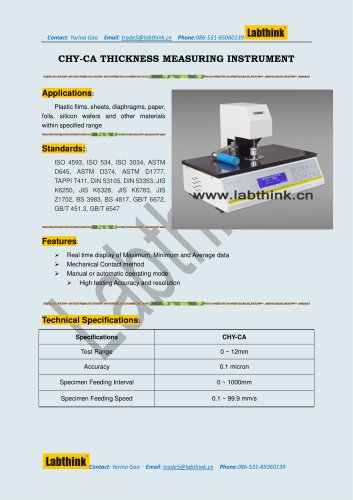
 CHY-CA Thickness Tester
2 Pages
 Plastic Film Thickness Test
2 Pages
 Tensile Strength Machine
5 Pages
 fogging testing machine
5 Pages
 heat sealing testing machine
5 Pages
 shrinkage testing machine
5 Pages
 torque testing machine
5 Pages
 Medical Package leak Tester
5 Pages
 Food Package leak Tester
5 Pages
 ink rubbing test machine
5 Pages
 rolling ball tack tester
5 Pages
 Glebo flex tester
5 Pages
 hot tack tester
5 Pages
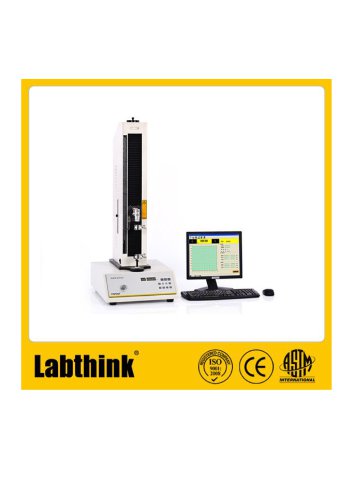 Tensile Strength Tester
5 Pages
 Rolling Ball Tester
5 Pages
 permeability apparatus
5 Pages
 CHY-CB Thickness Tester
2 Pages
 Heat Shrinkage Force Tester
5 Pages
 XLW (EC) Auto Tensile Tester
3 Pages
 gas leakage detector MFY-01
5 Pages
 materials Flex tester
5 Pages
 oxygen headspace analyzer
5 Pages
 cap torque testing machine
5 Pages
 Lasting Ahesion Tester
5 Pages
 Peeling strength tester
5 Pages
 Torque Measurement Equipment
2 Pages
 FDI-01
5 Pages
 Leakage Detector
5 Pages
 film thickness gauge
5 Pages
 rub testing machine
5 Pages
 air leakage tester
5 Pages
 vacuum leak detector
4 Pages
 plastic film testing machine
3 Pages
 carton compression test
5 Pages
 plastic cap torque tester
5 Pages
 manual torque tester
1 Page
 opening torque tester
2 Pages
 Oxygen headspace Analyzer
2 Pages
 Permeability Test System
2 Pages
 DIN 75201
2 Pages
 Tensile strength test bench
5 Pages
 impact testing equipments
2 Pages
 thickness gauge
5 Pages
 vacuum leak testing machine
2 Pages
 paper thickness measurement
5 Pages
 FDT-02 Gelbo Flex Tester
5 Pages
 Friction Coefficient Tester
5 Pages
 Drop Ball Impact Tester
5 Pages
 Dealers wanted
1 Page
 Abrasion Resistance Tester
2 Pages
 FPT-F1 Friction/ Peel Tester
2 Pages
 FT-F1 Fogging Tester
2 Pages
 Material Testing Equipment
2 Pages
 Packaging Testing
2 Pages
 Abrasion Test
2 Pages
 Torque Meter
2 Pages
 pendulum impact tester
2 Pages
 Oxygen Transmission Analyzer
2 Pages
 Friction Tester
2 Pages
 Leak Detector
2 Pages
 Analyzer for MAP
2 Pages
 Adhesive Strength Tester
1 Page
 O2 & CO2 Analyzer
1 Page
 Gas Permeability Tester
2 Pages
 Lasting Adhesive Tester
2 Pages
 Cap Torque Tester
3 Pages
 Lasting Adhesion Tester
2 Pages
 Gradient Heat Seal Tester
4 Pages
 Head space gas Analysis
4 Pages
 Headspace Gas Analyser
3 Pages
 Headspace Gas Analyzer
3 Pages
 Material Tensile Tester
5 Pages
 Ink Rub Tester
2 Pages
 medical packaging tester
3 Pages
 Hot Tack Tester (Data Sheet)
2 Pages
 Heat Sealing tester
2 Pages
 Evaporation Residue Tester
3 Pages
 Blister Package testing
3 Pages
 Gas Permeability Analyzer
3 Pages
 Tensile Testing Machine
2 Pages
 package integrity tester
2 Pages
 Oxygen permeation Analyzer
2 Pages
 Drop Impact Tester
2 Pages
 Torque tester
2 Pages
 Compression Testing Machine
2 Pages
 Material Testing Machine
3 Pages
 Shrink Film testing
2 Pages
 fogging tester
2 Pages
 Impact tester
2 Pages
 Quality Concerns of Doypacks
2 Pages
 Material Testing
2 Pages
 laboratory heat sealer
2 Pages
 Automated Heat Sealer
1 Page
 analog thickness gauge
1 Page
 Residual Gas Analyzer
1 Page
 digital torque gauge
1 Page
 packaging Industry
2 Pages
 Metrology and Test Equipment
2 Pages
 Tensile Tester
2 Pages
 material moisture monitor
2 Pages
 Gas Analyzer
2 Pages
 Headspace Gas Analyzer
1 Page
 FRICTION/PEEL TESTER
1 Page
 HOLDING TACK TESTER
1 Page
 ROLLING BALL TESTER
1 Page
 BOX COMPRESSION TESTER
1 Page
 INK RUB TESTER
1 Page
 FOGGING TESTER
2 Pages
 Film Shrinkage Tester
1 Page
 THICKNESS TESTER
1 Page
 TOQUE TESTER
1 Page
 Tearing Tester
1 Page
 Gas Permeability Tester
1 Page
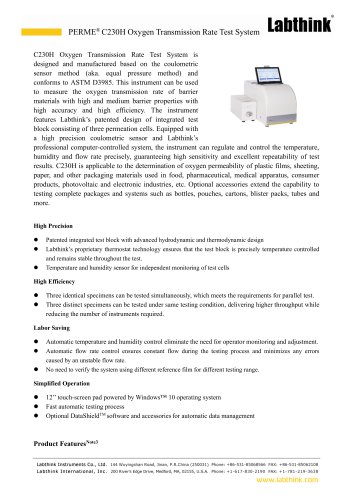
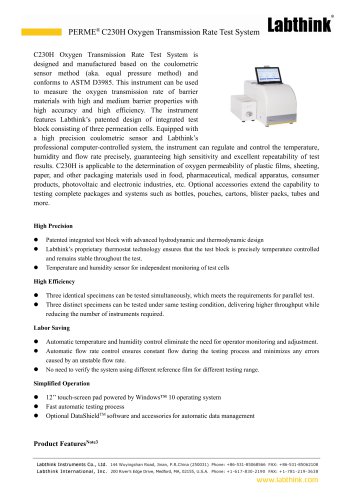
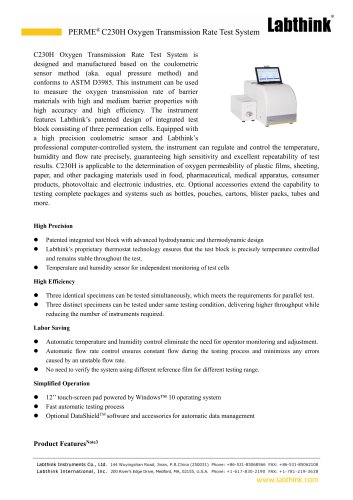
 Oxygen Permeability Tester
2 Pages


























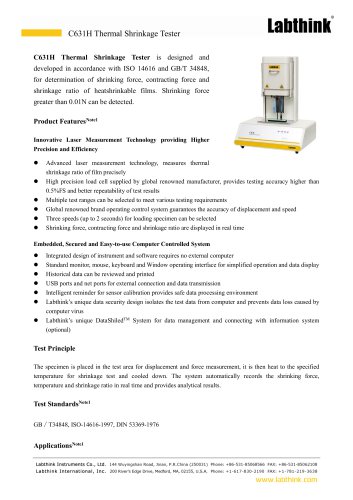
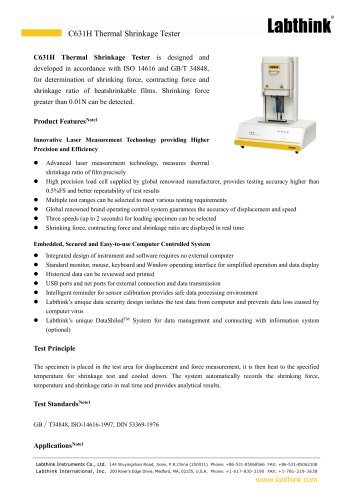
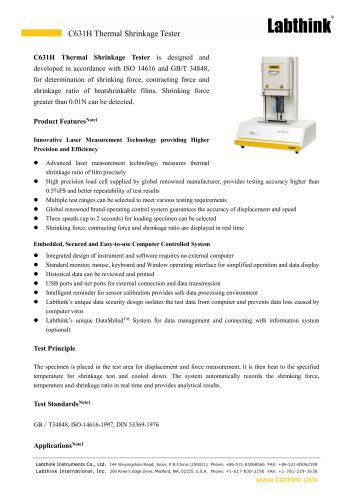
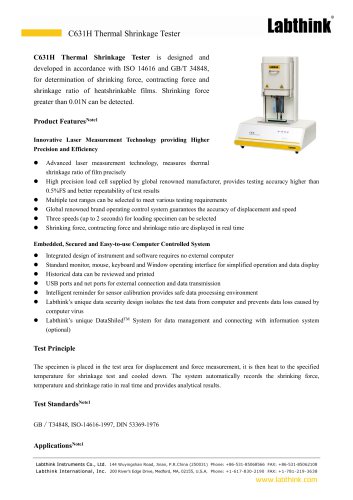
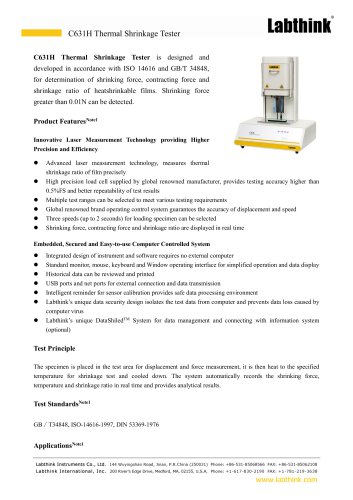
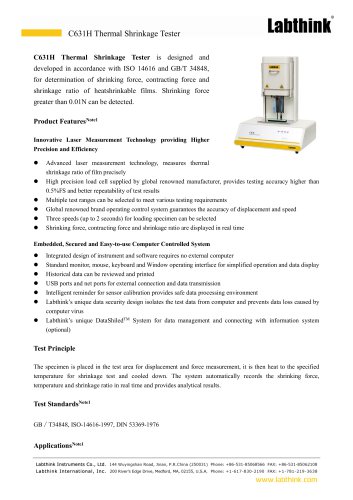
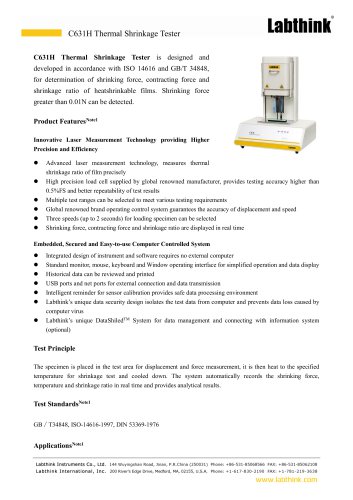
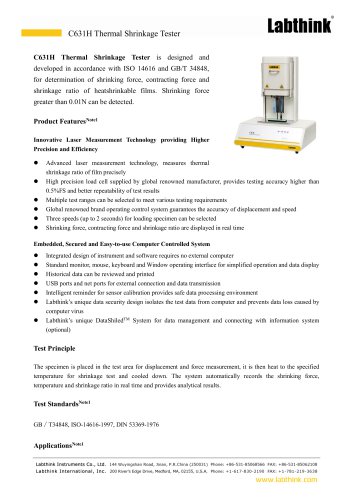
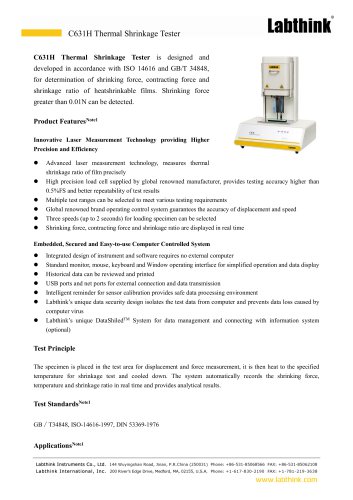
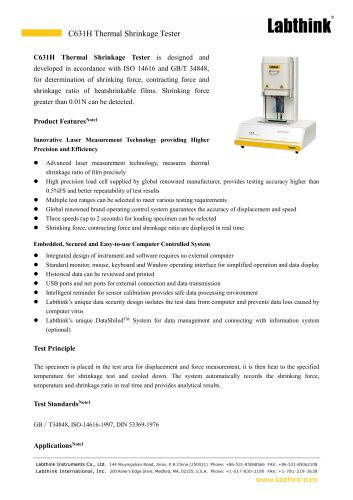
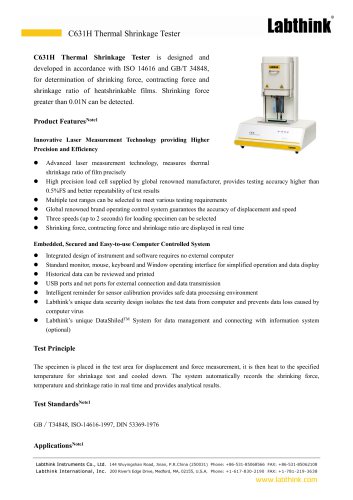
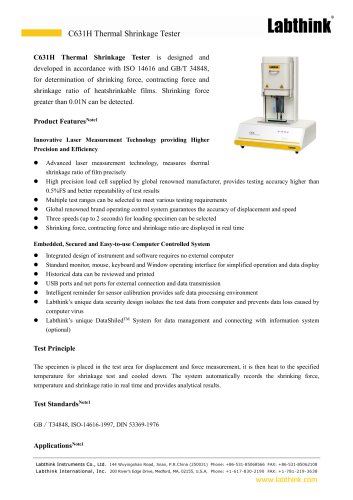
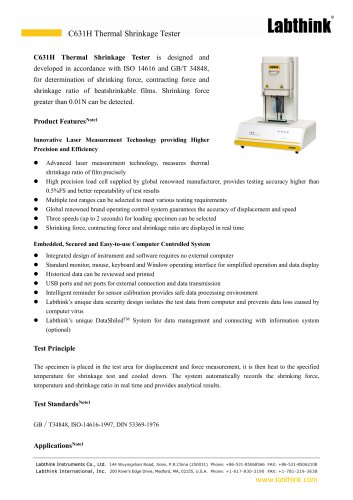
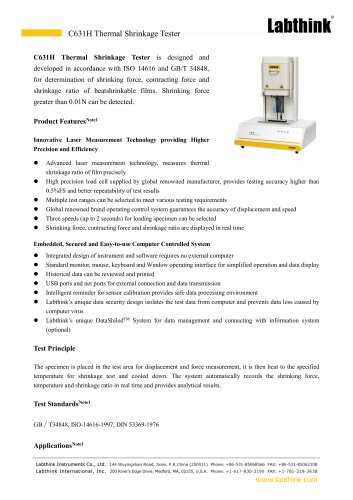
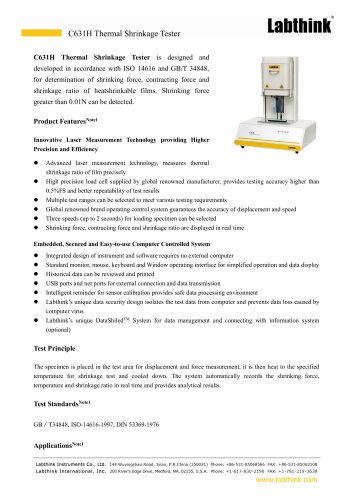
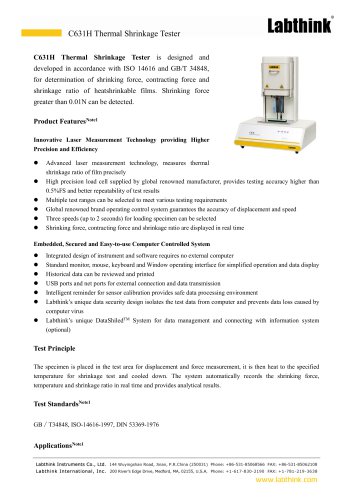
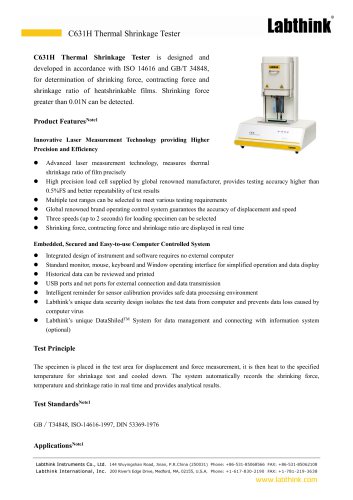
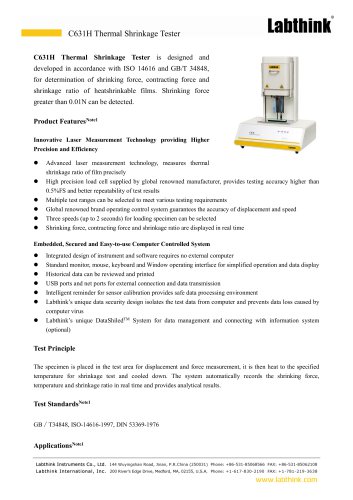
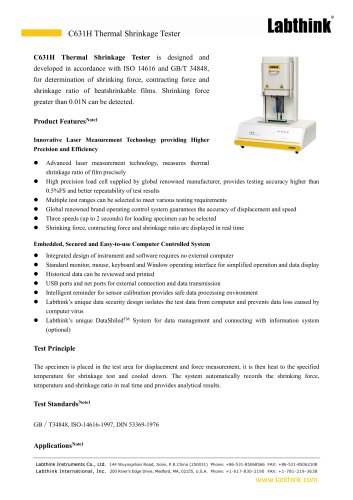
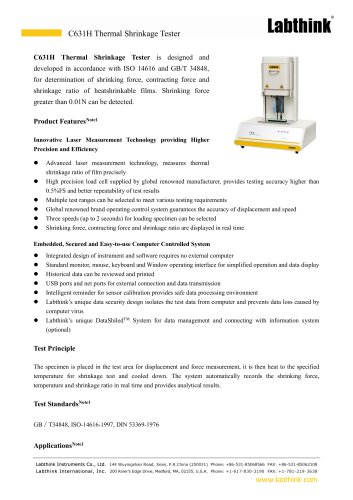
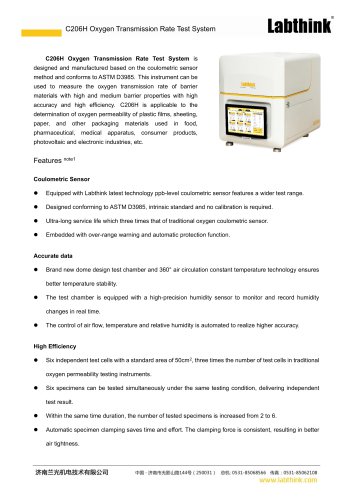
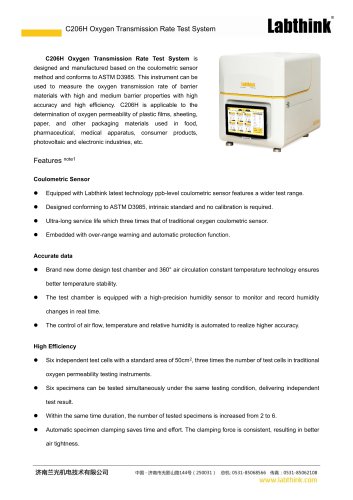
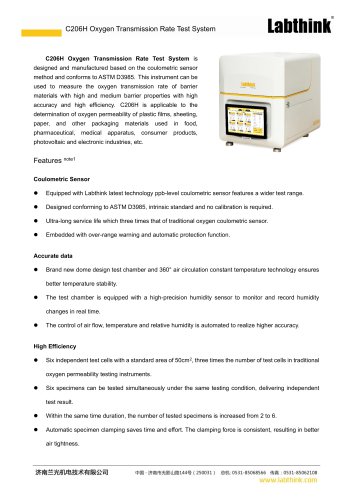
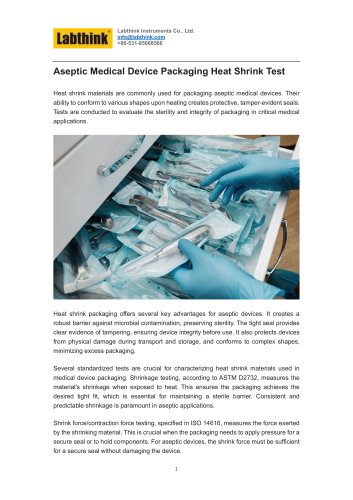
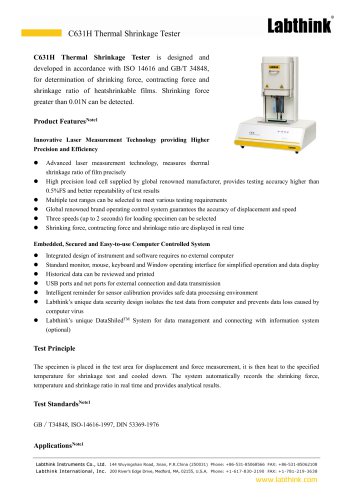
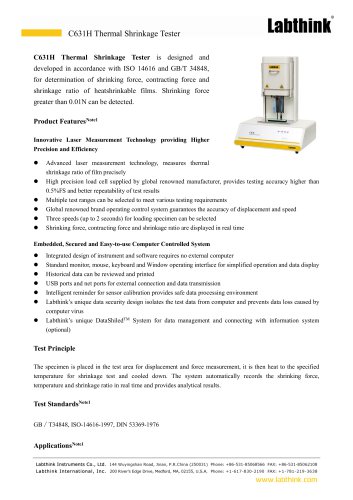
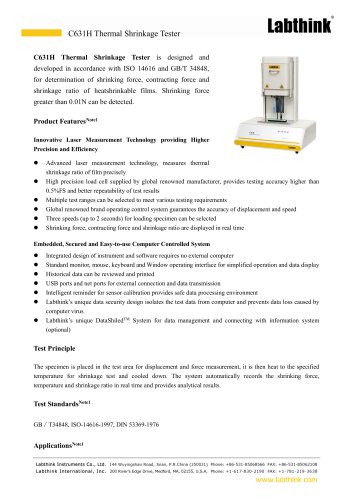
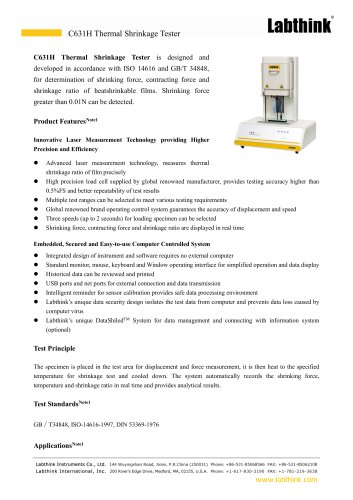


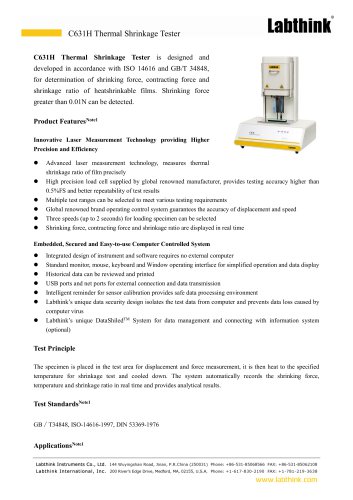
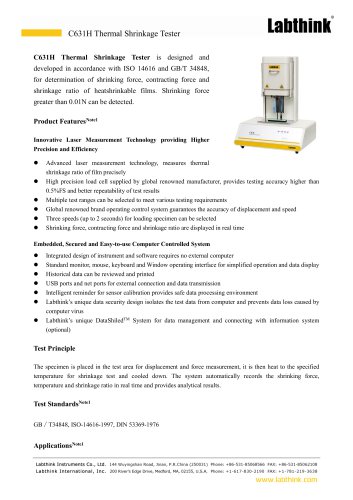
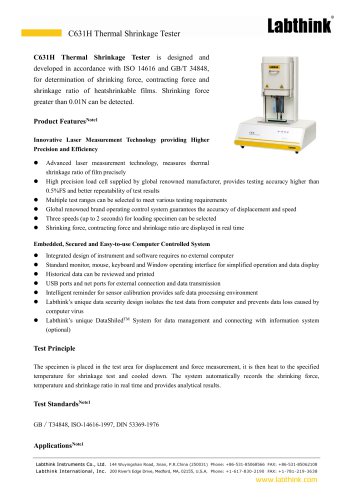
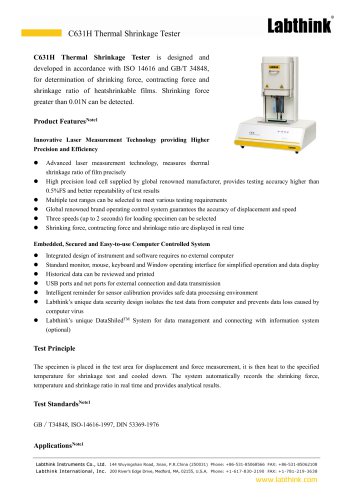


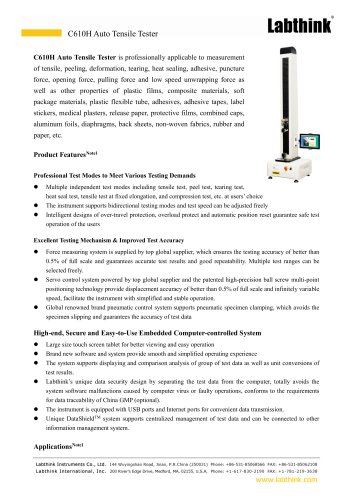
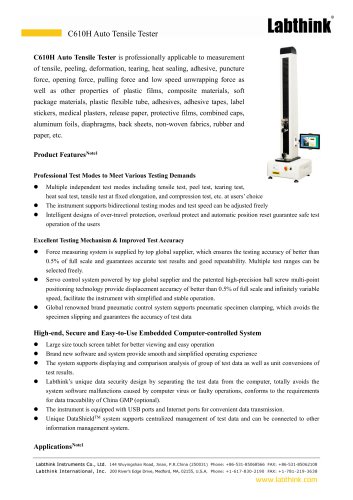
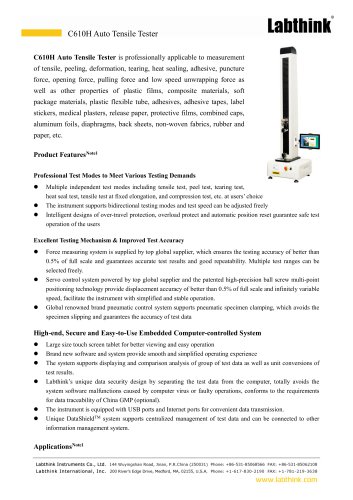
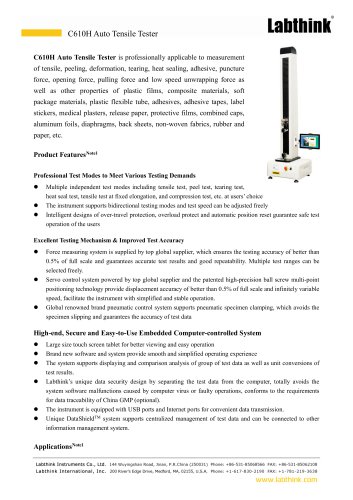













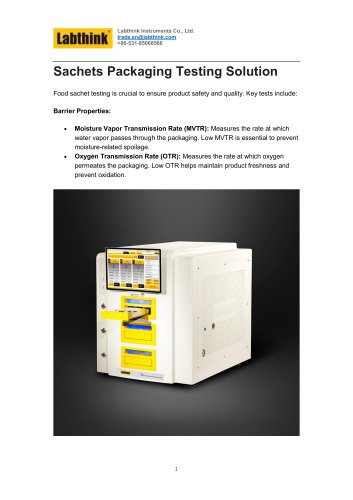

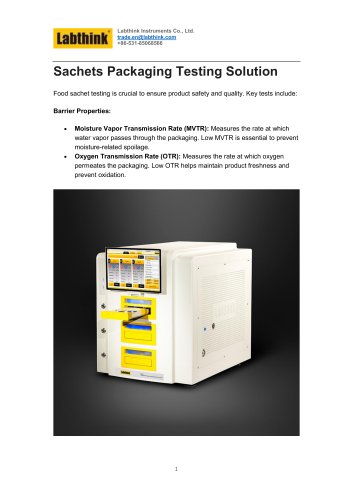
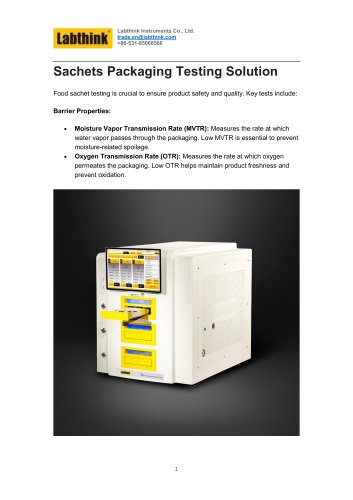

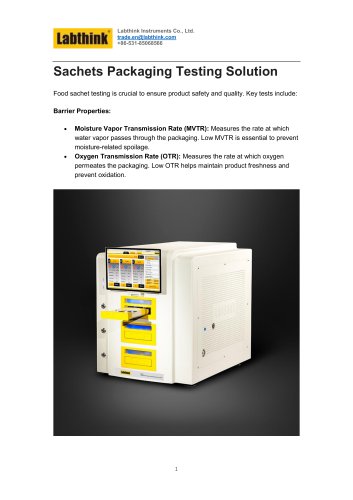





























































Archived catalogs
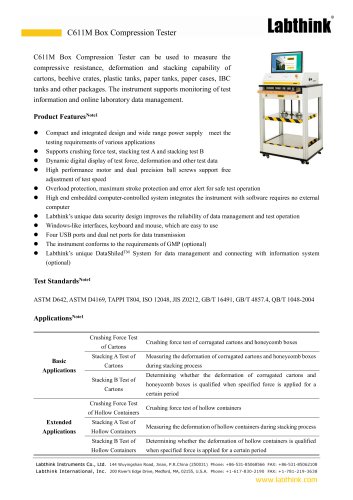
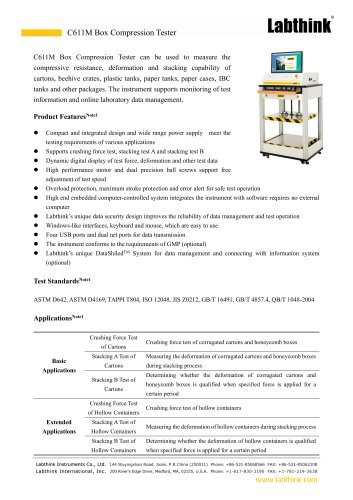
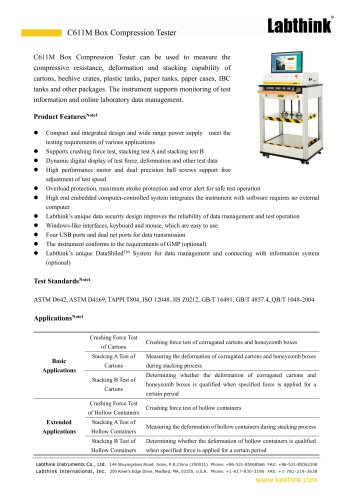
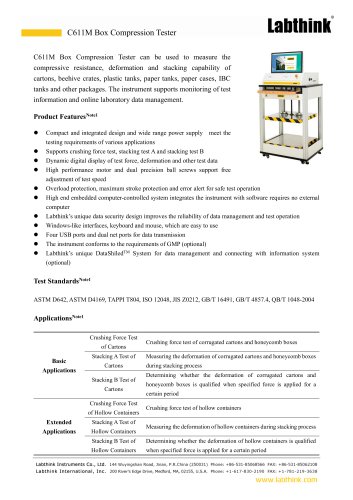 C611M
C611M2 Pages
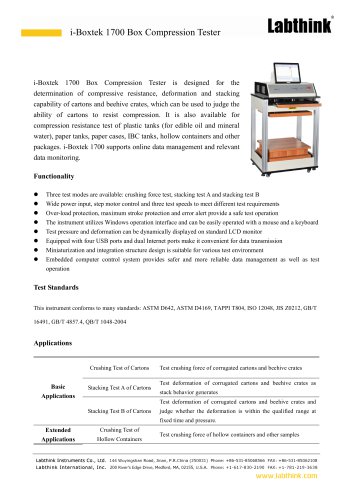
 C611B Box Compression Tester
2 Pages
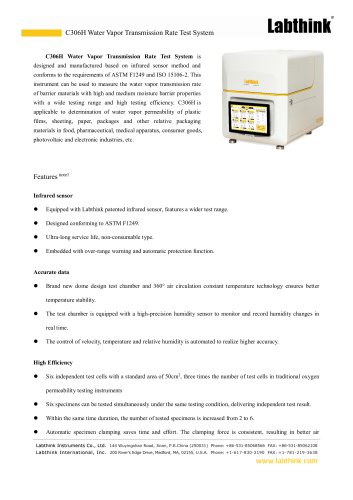
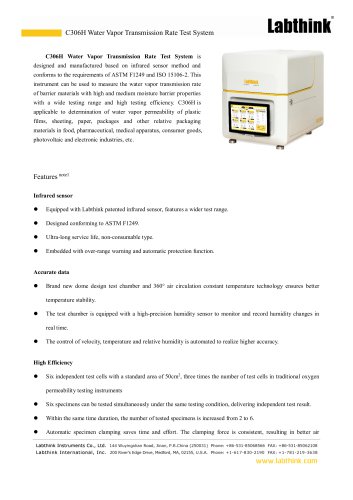
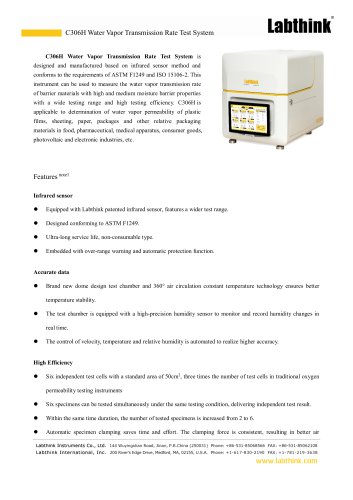
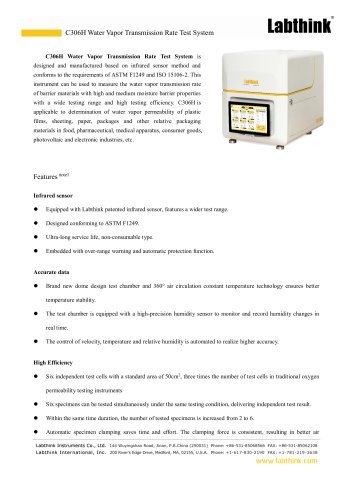
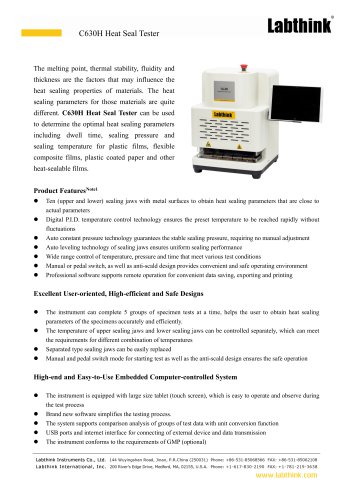 C306H
C306H3 Pages
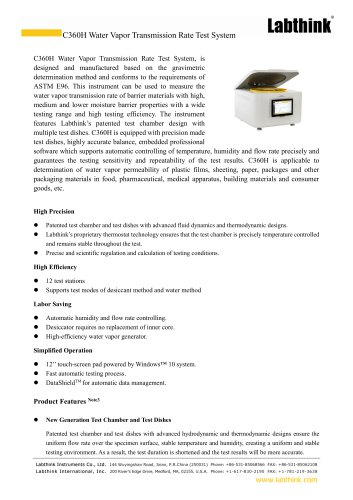
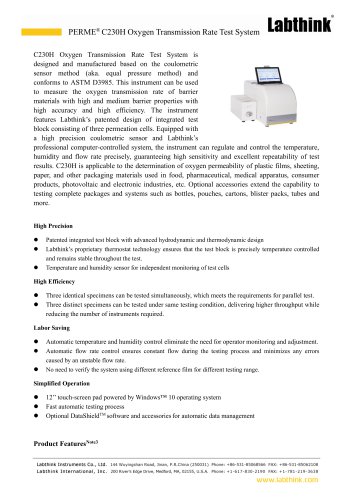 C230H
C230H4 Pages
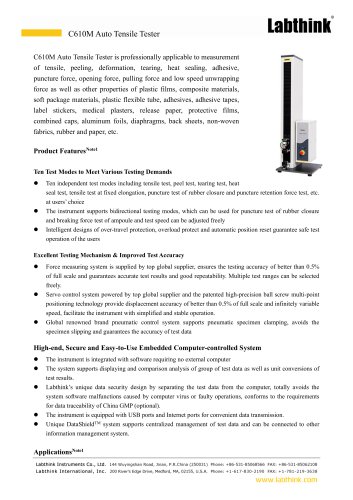
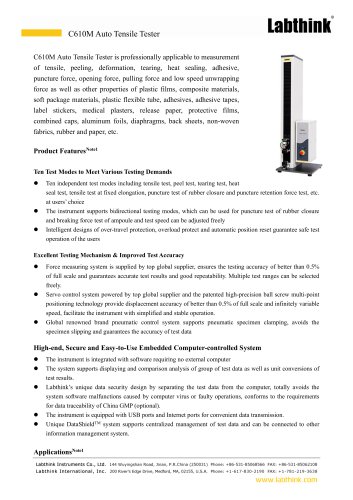
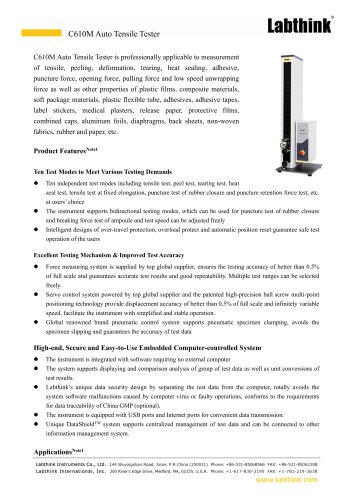
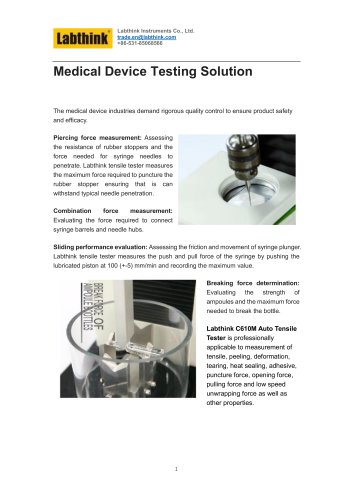
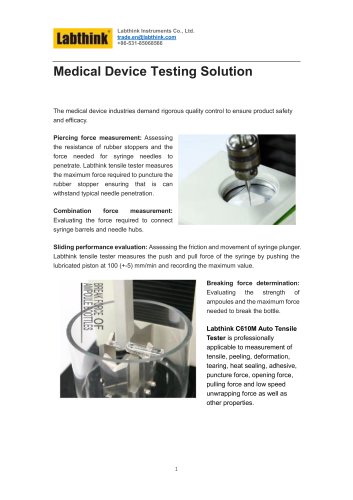
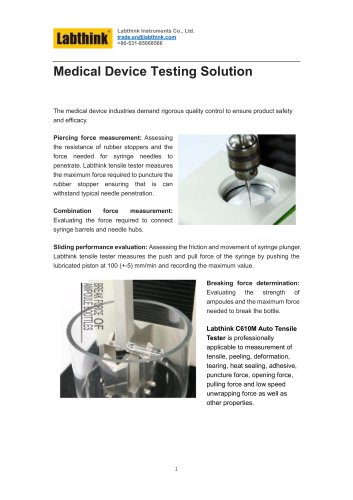
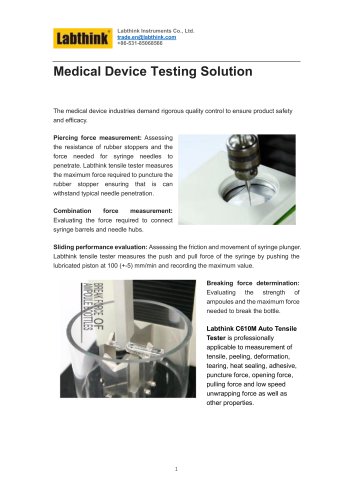
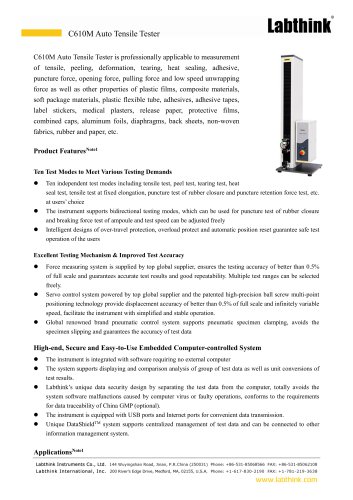
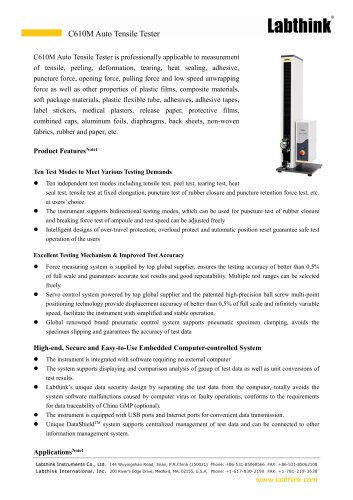 C610M Auto Tensile Tester
3 Pages
 Leak Tester
2 Pages


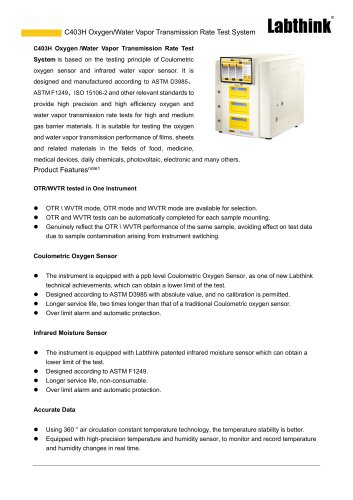




- Labthink Instruments testing machine
- Labthink Instruments gas analyzer
- Measuring device
- Concentration analyzer
- Monitoring analyzer
- Test stand
- Measuring machine
- Automatic analyser
- Labthink Instruments material testing machine
- Automated testing machine
- Benchtop analyser
- Solids analyser
- Computer-controlled test machine
- Process analyzer
- Portable analyzer
- Compression testing machine
- Continuous analyzer
- Labthink Instruments digital tester
- Industrial testing machine
- Labthink Instruments vertical testing machine