
- Catalogs
- Labthink Instruments Co., Ltd.
- The Analysis on Infusion Bag Testing Requirements and Introduction to Relevant Testing Methods


The Analysis on Infusion Bag Testing Requirements and Introduction to Relevant Testing Methods

The Analysis on Infusion Bag Testing Requirements and Introduction to Relevant Testing Methods
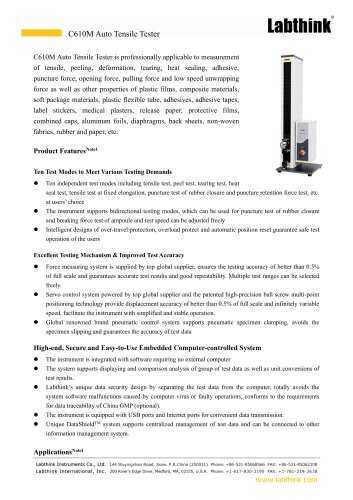
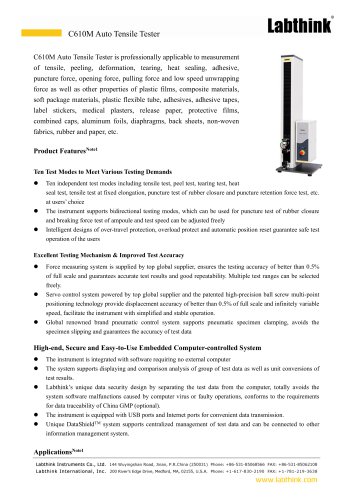
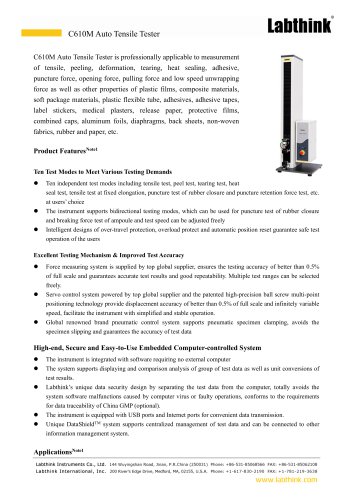
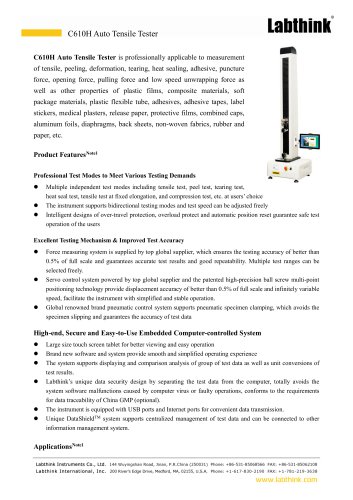
- Heat Seal Strength Testing: Ensures the strength of the heat-sealed areas meets standards.
- Suspension Force Testing: Tests the hanger's ability to support the bag without splitting.
- Pull Open Force Testing: Assesses the ease of opening the cap ring without compromising sealing.
- Piercing Force Testing: Measures the force required to pierce the bag, ensuring it does not exceed specified limits.
Catalog excerpts

The Analysis on Infusion Bag Testing Requirements and Introduction to Relevant Testing Methods Abstract: Infusion bag (or IV bag) is the future trend for the packaging of injection liquid. This article analyses the testing requirements for infusion bags, and introduces the testing methods for specific indexes based on the testing standards for pharmaceutical packaging material. Key Words: infusion bag, oxygen transmission rate (OTR), nitrogen transmission rate, suspension force, piercing force Compared with traditional glass packaging, infusion bag is more environmental-friendly, cost-saving, safe, healthy and convenient. In USA and many European countries, plastic infusion package/container has taken up a great market share. Though fierce competition exists between infusion bag and plastic infusion bottle, the trend of flexible plastic packaging for injection liquid is irresistible. Differing from the traditional glass infusion bottle testing, more specific and appropriate performance testing for infusion bags should be applied so as to guarantee the safety of injection liquid. 1. The Analysis on the Testing Requirements for Infusion Bag Infusion bag is inferior to the glass bottle in the barrier property, sealing property and transparency; among which, barrier property is greatly influenced by material change. Oxygen is the main cause for deterioration of injection liquid. In order to lower the oxygen content inside the infusion bag and postpone/stop the oxidization of the injection liquid, anti-oxidants, metal chelate agents or inert gases are adopted. As to inert gases for this purpose, the most commonly applied inert gas is nitrogen. Water vapor would transmit into the bag and result in concentration change of the injection liquid, whose medicinal safety would be endangered. Therefore, barrier property testing is very important for infusion bag. Besides, the mechanical indexes of film materials and glass materials are fundamentally different. The mechanical testing for infusion bag is, therefore, very important. Meanwhile, the combinational closure used in the infusion bag should also be tested so as to meet the standards and actual application. 2. Barrier Property Testing for Infusion Bag The testing requirements for water vapor transmission rate (WVTR), oxygen transmission rate (OTR) and nitrogen transmission rate are stated in YBB00102005, 3-layer Co-extrusion Films and Bags Used for Infusion, and YBB00112005, 5-layer Co-extrusion Film (I) and Bags Used for Infusion. At present, the technology for whole infusion bag barrier property testing has become mature. Since there is no support from the national standards, the above-stated YBB standards don’t mention barrier property testing. Actually, owing to the evenness of the material, sealing property of the mouth and other factors, the actual gas transmission rate of the whole infusion bag is higher than the calculated value of the film. Thus, gas transmission rate testing of the whole infusion bag is of great need. Oxygen transmission rate (OTR) testing is mainly used for oxygen transmission rate measurement of infusion bag film materials, infusion bags or the whole infusion bottles. Equal pressure method and differential pressure method, the two methods for oxygen transmission rate testing can both test the oxygen transmission rate of films and of the whole infusion bags and bottles. Those two methods have their respective advantages: differential pressure method has no requirements for testing gas, and can be used to test the transmission rate of any gas. Thus, this method can be used to test nitrogen transmission rate without further costs. However, this method is still at the www.labthinkinternational.com.cn
Open the catalog to page 1
initial stage in package testing. On the other hand, equal pressure method has become mature both for film testing and package testing. Yet, there exist limitations for testing gas. Water vapor transmission rate (WVTR) testing is used for water vapor transmission rate measurement of infusion bag film materials, infusion bags or the whole infusion bottles. At present, weighing method and sensor method (including moisture sensor method, IR sensor method and electrolytic sensor method) can both be used to test water vapor transmission rate for films as well as for whole infusion bags and bottles....
Open the catalog to page 2
4.3 Pull Open Force Testing The open easiness of the pull open cap ring would directly influence the operational convenience of the infusion bag and the safety of the injection liquid. This force should be within a specific force range so as to avoid open difficulty, low tensile force and the corresponding leakage caused by decreased sealing performance of the infusion bag. The pull open force can be tested in the following way: sterilize the specimen with wet heating treatment. Then, fix the specimen onto the fixture of the auto tensile tester, and the pull open ring onto the other fixture....
Open the catalog to page 3All Labthink Instruments Co., Ltd. catalogs and technical brochures
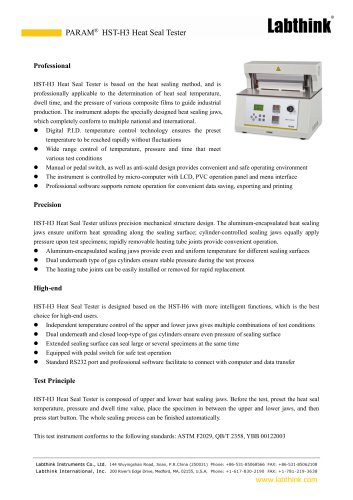 HST-H3 Heat Seal Tester
3 Pages
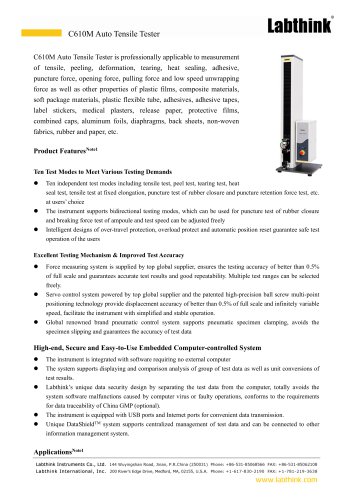 C610M
C610M3 Pages
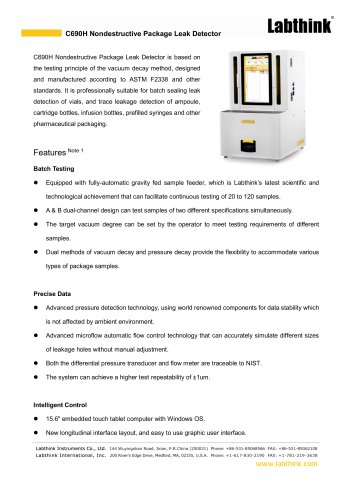 C690H
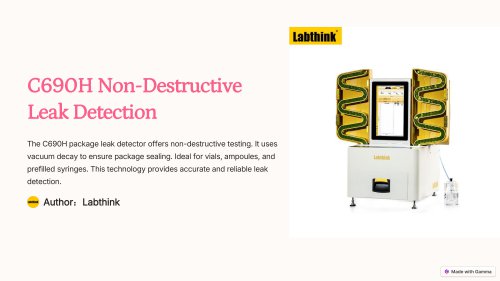
C690H4 Pages
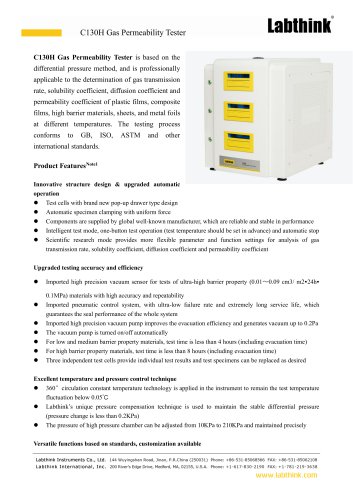 C130H
C130H4 Pages
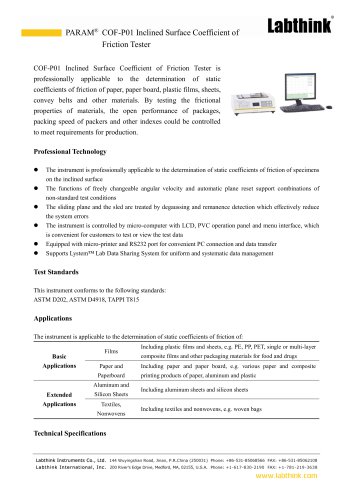 COF-P01
2 Pages
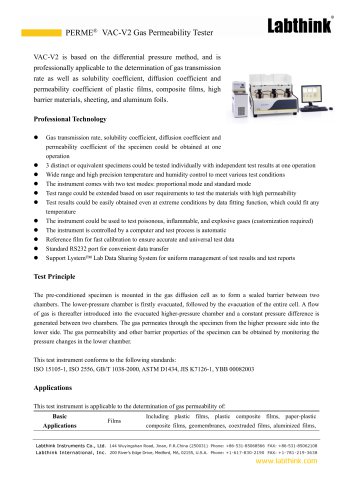 VAC-V2
3 Pages
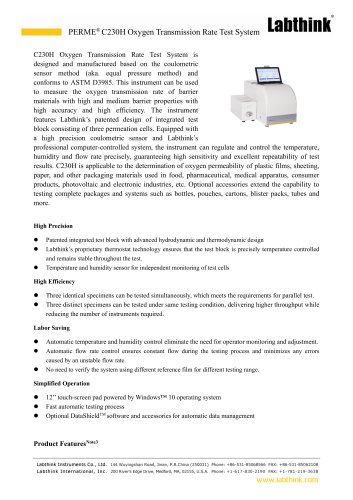 C230H (2025)
4 Pages
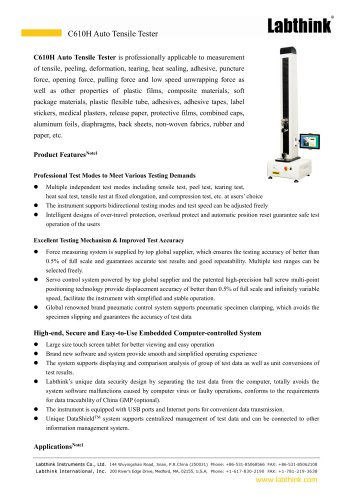 C610H
C610H3 Pages
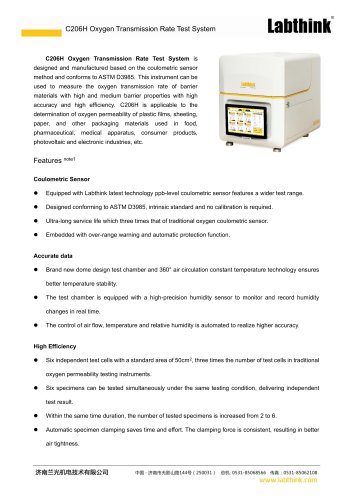 C206H
C206H4 Pages
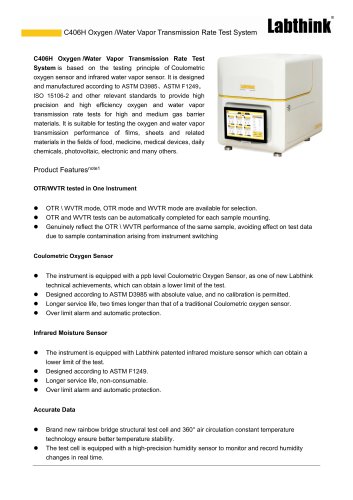
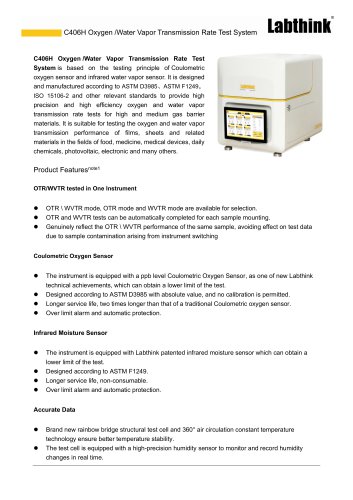
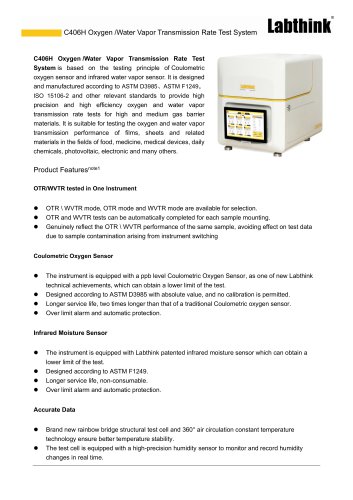
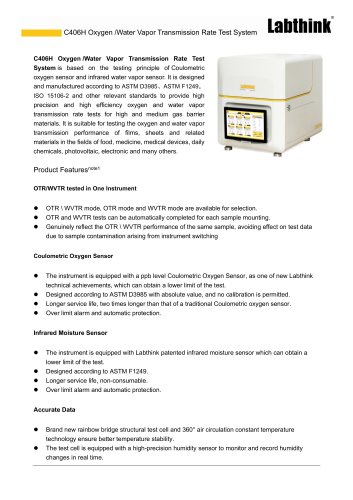 C406H
C406H5 Pages
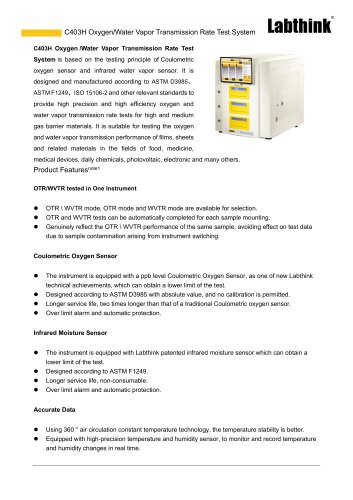 C403H
C403H5 Pages
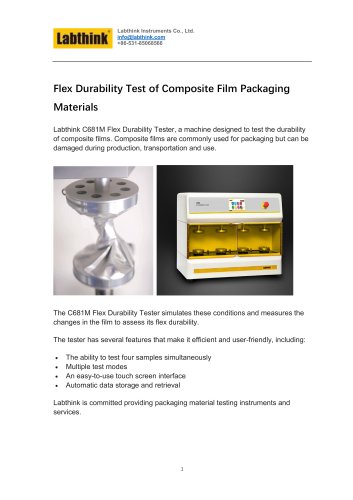 C 681M
1 Page
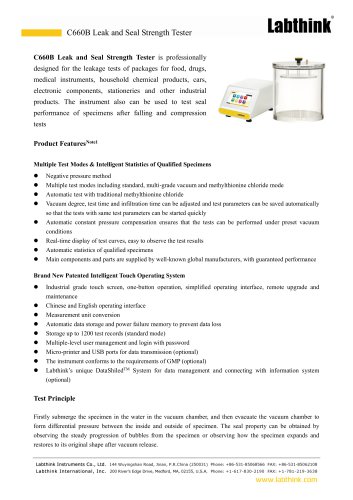 C660B (2025)
3 Pages
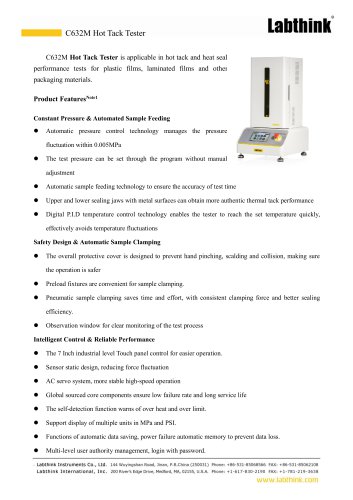 C632M
C632M3 Pages
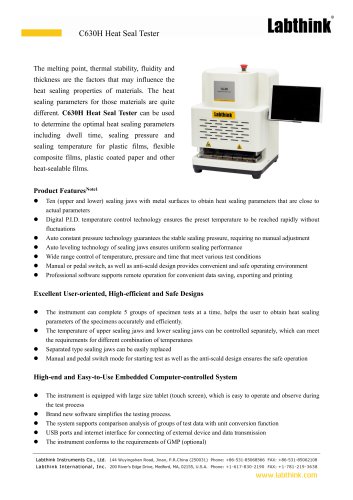 C630H
C630H3 Pages
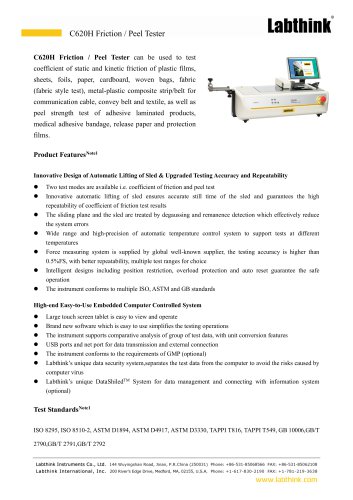 C620H
C620H3 Pages
 C 640
C 6404 Pages
 C 660M
3 Pages
 C306H (2025)
4 Pages
 C203H
C203H4 Pages
 Heat seal testing instrument
3 Pages
 Paper Board Thickness Tester
4 Pages
 Film Thickness Meter
4 Pages
 BTY-B3P
2 Pages
 C360M
C360M4 Pages
 C632B
C632B3 Pages
 C632M Hot tack Tester
3 Pages
 C190H
C190H3 Pages
 C650H Headspace Gas Analyzer
2 Pages
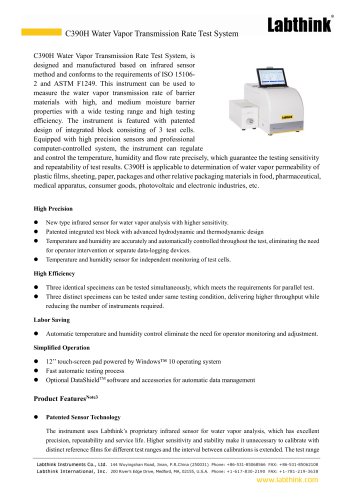 C390H
C390H4 Pages
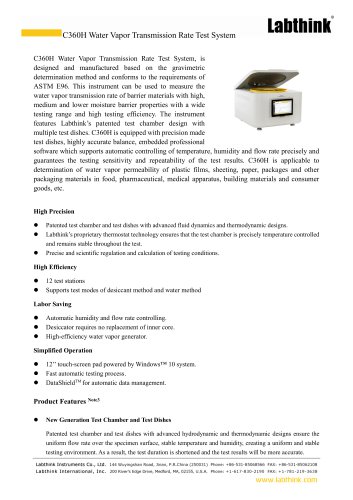 C360H
C360H4 Pages
 C680M Tearing Tester
2 Pages
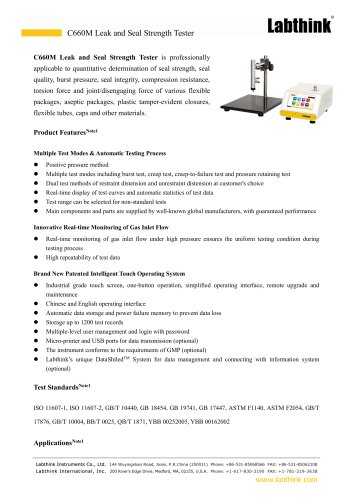 C660M
C660M3 Pages
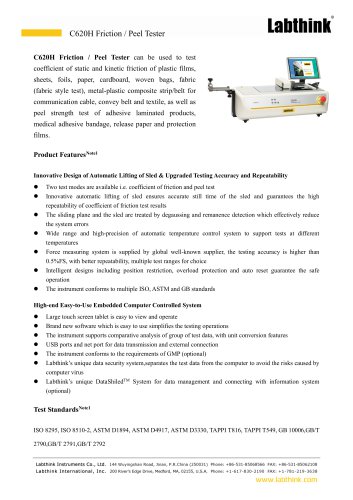 C620H Friction / Peel Tester
3 Pages
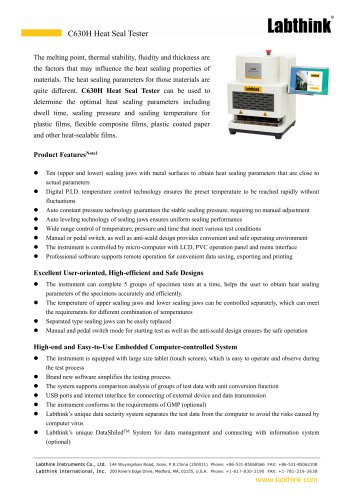 C630H Heat Seal Tester
3 Pages
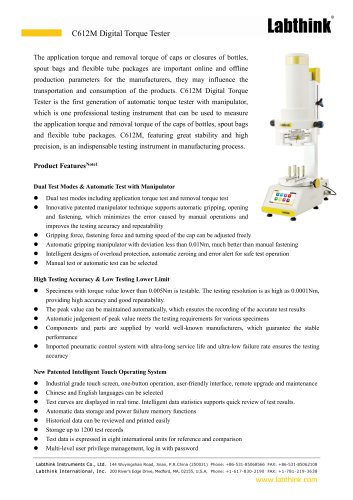 C612M Digitale Torque Tester
3 Pages
 Box Compression Tester
2 Pages
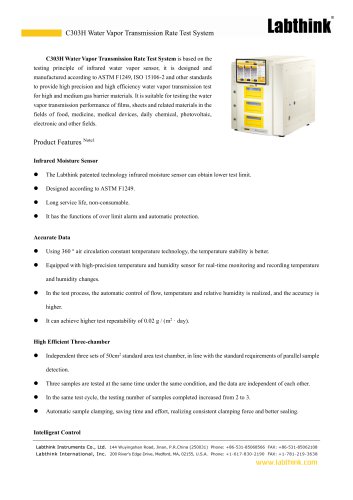 C303H
C303H4 Pages
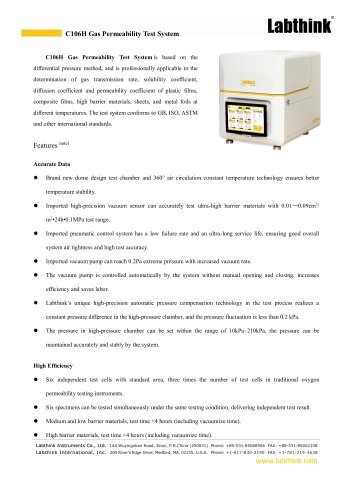 C106H
C106H5 Pages
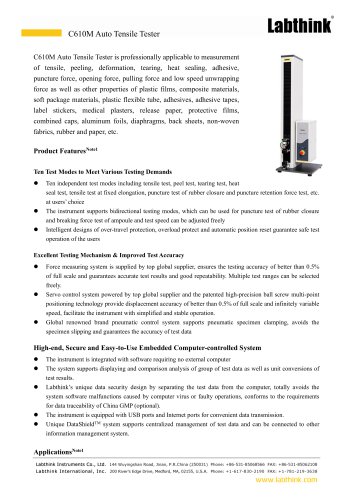 C610M Auto Testing Device
3 Pages
 Bottle Leak Tester Machine
3 Pages
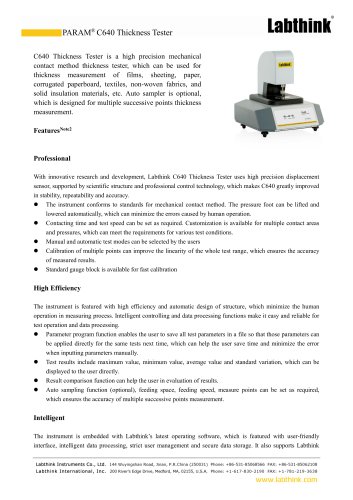 C640 Thickness Tester
4 Pages
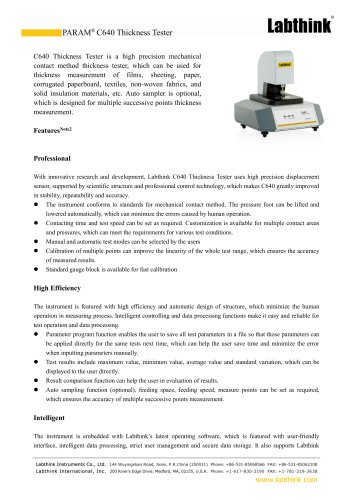 C640
C6404 Pages
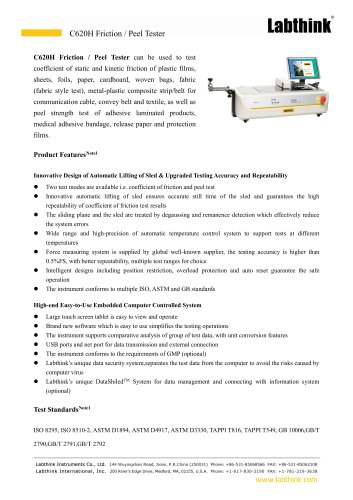 C620H Friction/ Peel Tester
3 Pages
 Pull Off Adhesion Tester
3 Pages
 Torque Measuring Devices
3 Pages
 Bottle Torque Tester
3 Pages
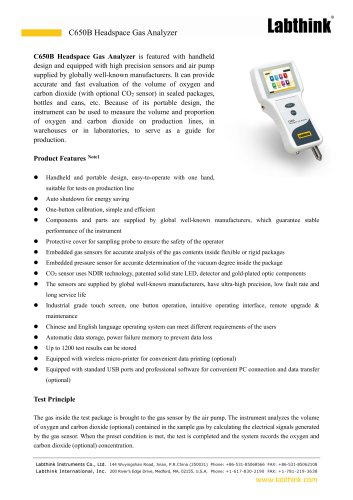 C650B Headspace Gas Analyser
2 Pages
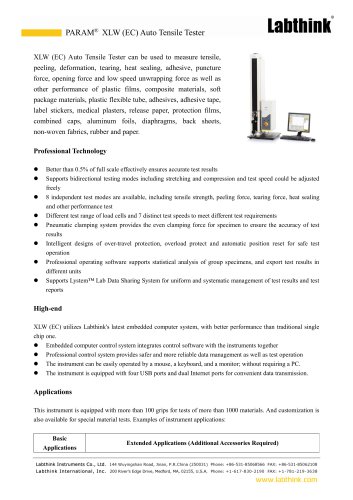 XLW (EC) Auto Tensile Tester
3 Pages
 Torque Strength Measuring
3 Pages
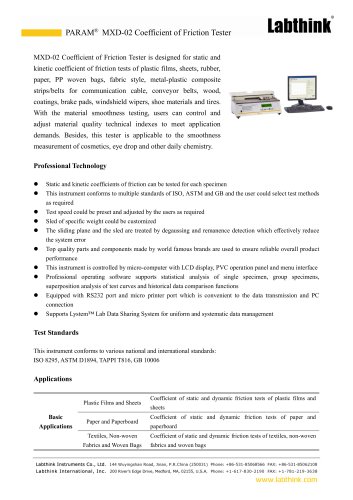 MXD-02
2 Pages
 C612M Digital Torque Tester
3 Pages
 Bag COF Tester
3 Pages
 Labthink Headspace Analyzer
2 Pages
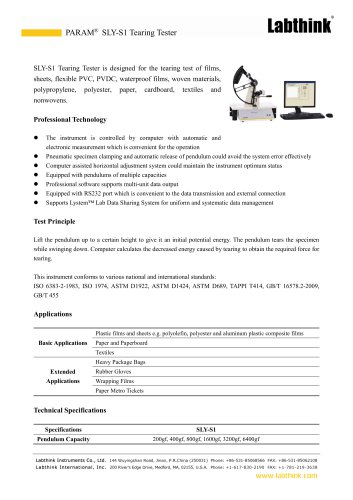 SLY-S1 Tearing Tester
2 Pages
 Sandwich Bag COF Tester
2 Pages
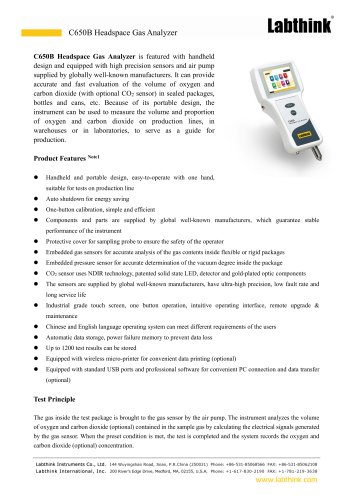 C650B Headspace GAZ Analyzer
2 Pages
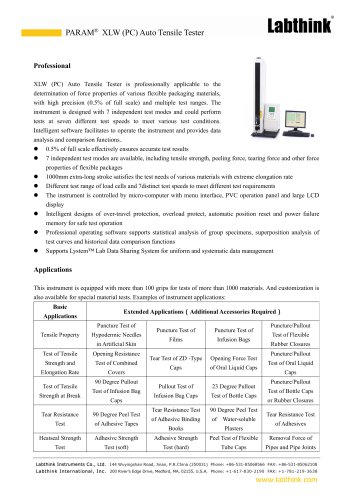 XLW (PC) Auto Tensile Tester
3 Pages
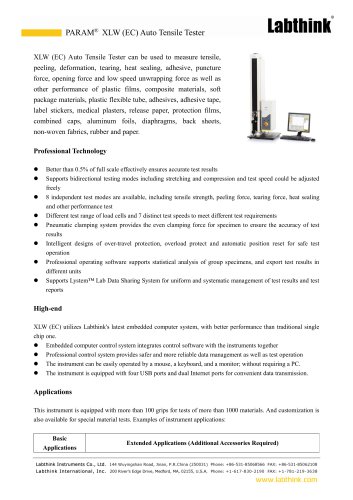 XLW (EC) Auto Testile Tester
3 Pages
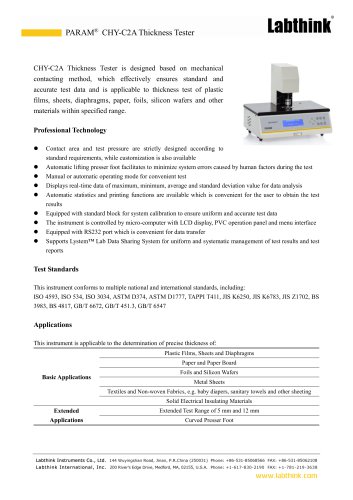 CHY-C2A
2 Pages
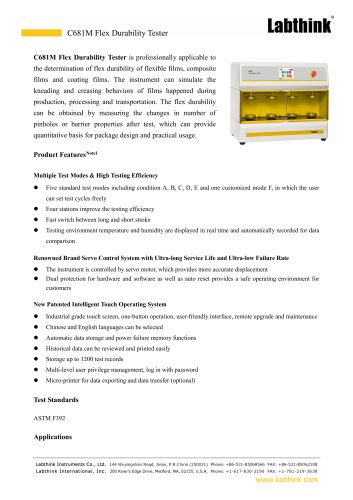 C681M Flex Durability Tester
2 Pages
 Heat Shrink Tester
2 Pages
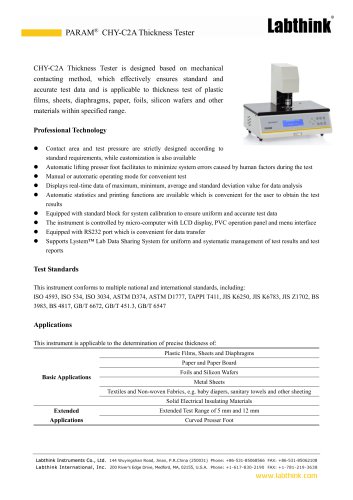 CHY-C2A Thickness Tester
2 Pages
 Tensile Testing Device
3 Pages
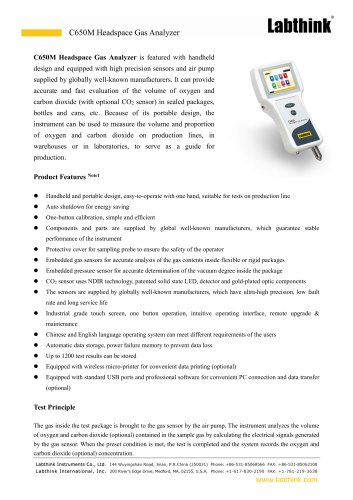 C650m Headspace Gaz Analyser
2 Pages
 MAP Packaging Burst Tester
3 Pages
 MAP Packaging Leak Tester
3 Pages
 Lug Cap Torque Tester
3 Pages
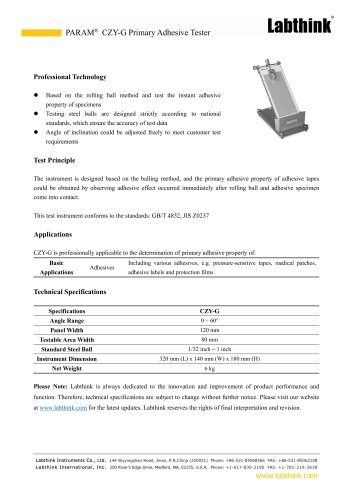 CZY - G Primary Tester
1 Page
 Motorized Pull Test Machine
3 Pages
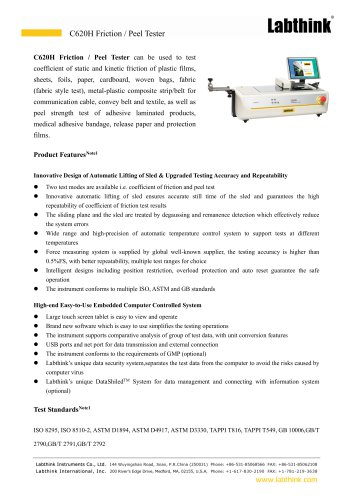 C620H Friction Tester
3 Pages
 Heat Seal Tester
3 Pages
 Roll Tack Tester
1 Page
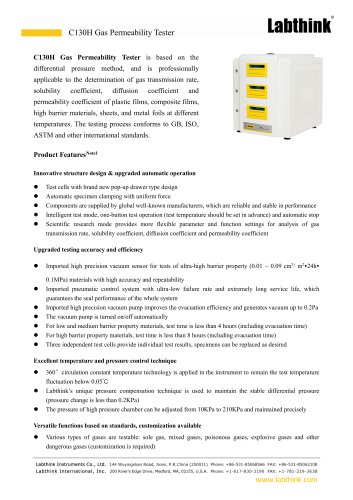 C130 Gas Permeability Tester
4 Pages
 Adhesive Tack Tester
2 Pages
 Vacuum Bag Leak Tester
3 Pages
 Micron Film Thickness Gauge
4 Pages
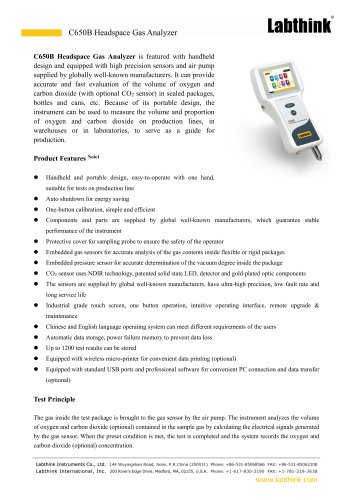 C650B Headspace Gaz Analyser
2 Pages
 Automatic Tube Leak Tester
2 Pages
 Burst Test Equipment
3 Pages
 Elongation Tester
3 Pages
 Box Compression Test Machine
2 Pages
 Adhesion Tester for Sticker
2 Pages
 Ink Rub Lab Equipment
2 Pages
 Friction Testing Machine
3 Pages
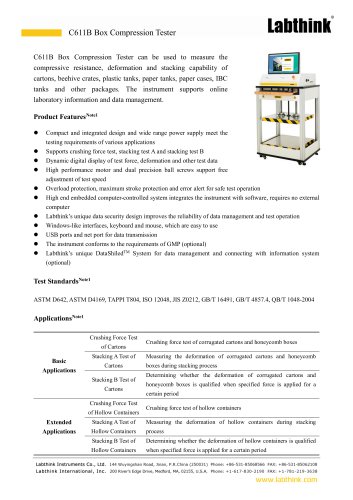 C611B
C611B2 Pages
 Fabric Thickness Measurement
4 Pages
 Snack Bag Leak Detector
3 Pages
 Carton Stacking Test Machine
2 Pages
 Sheet Metal Thickness Gauge
4 Pages
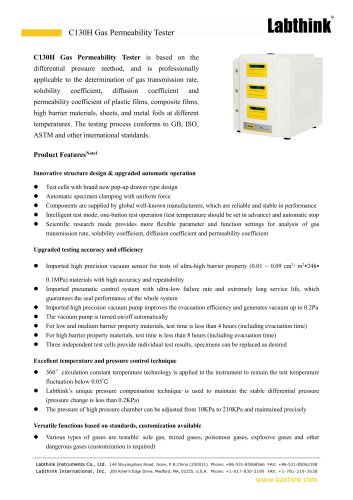 CH130
CH1304 Pages
 Residual oxygen level tester
2 Pages
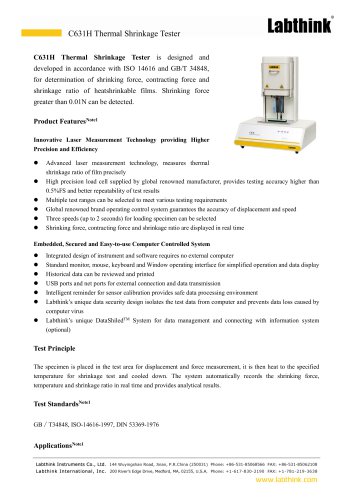 C 631 H
2 Pages
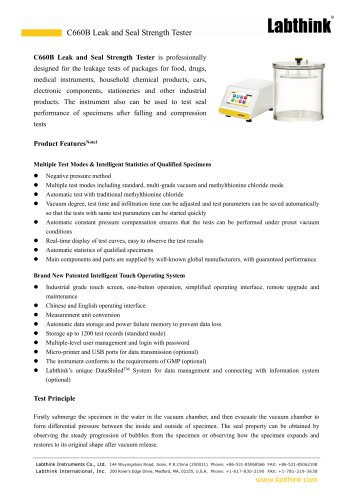 C660 B
3 Pages
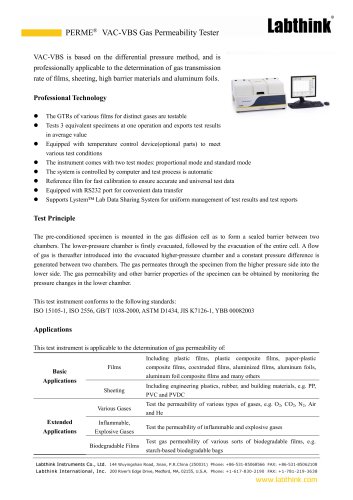 VAC-VBS
3 Pages
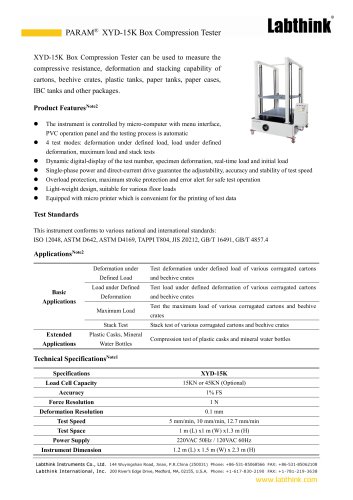 XYD-15K
2 Pages
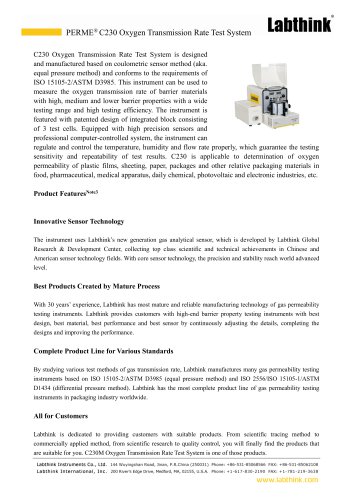 C360
C3604 Pages
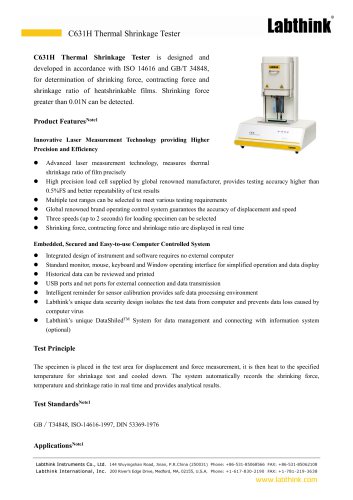 C631 H
2 Pages
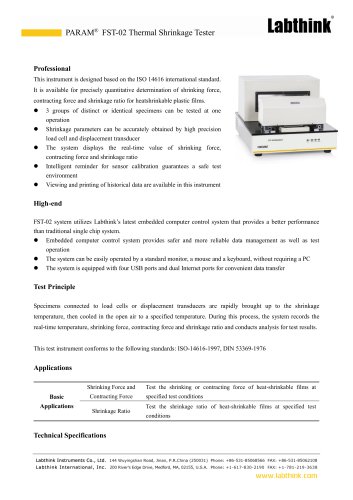 FST-02
2 Pages
 C681 M
2 Pages
 C230
C2304 Pages
 C631H
C631H2 Pages
 C612M
C612M3 Pages
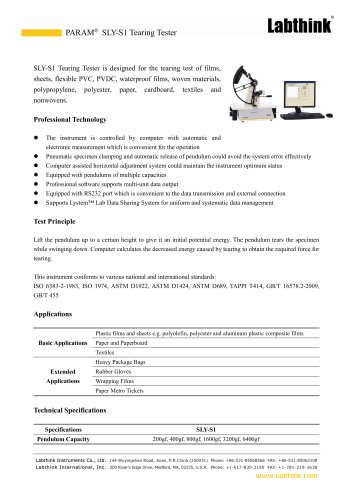 SLY-SI
2 Pages
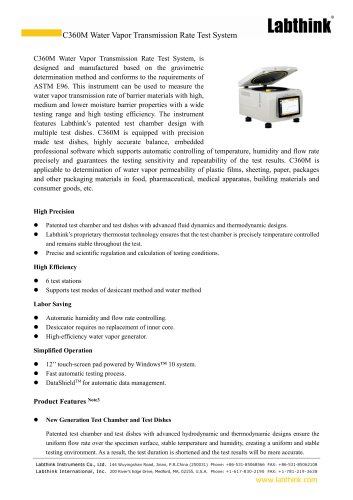 C360 M
4 Pages
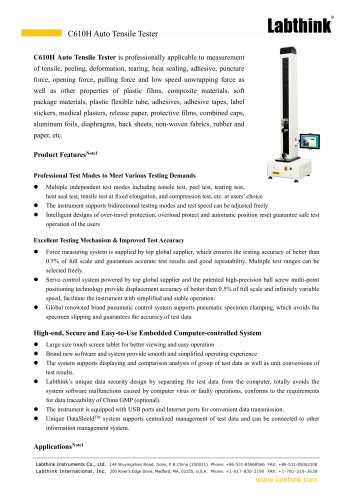
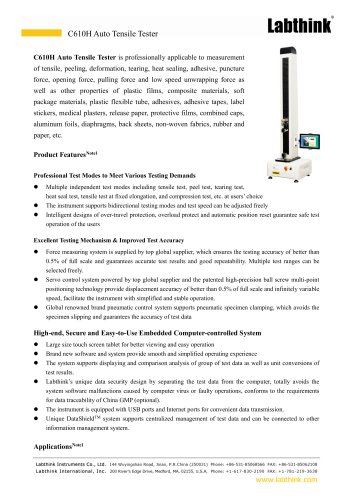
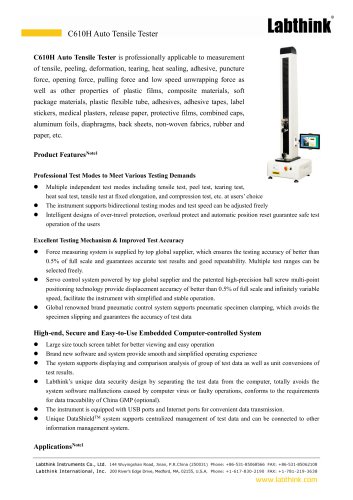
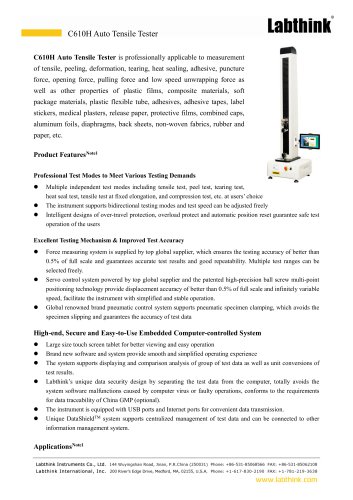
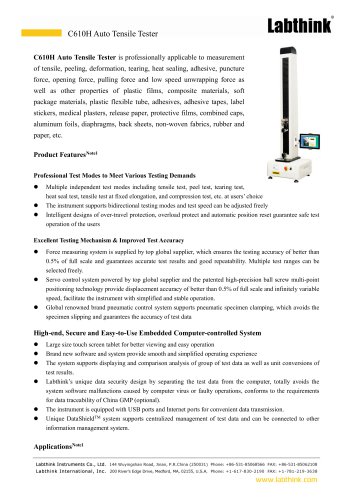
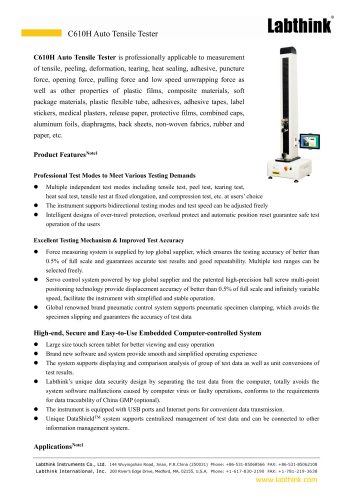
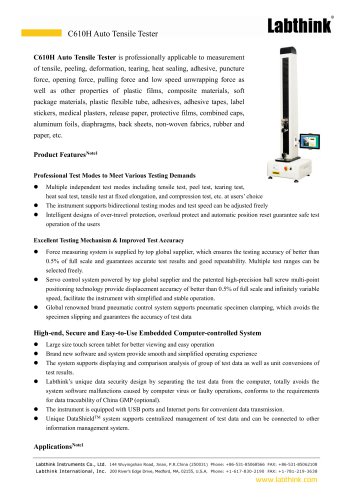
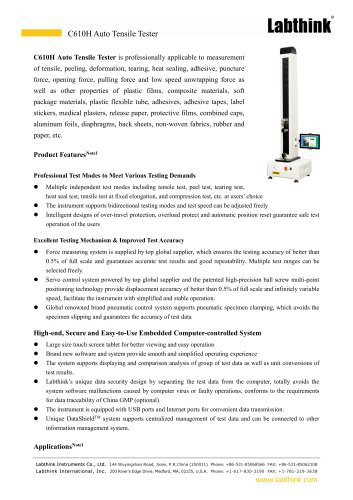
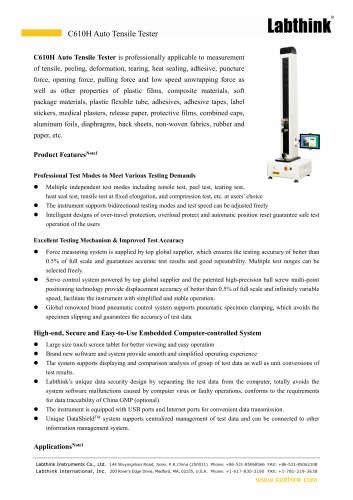 C610H Auto Tensile Tester
3 Pages
 Vacuum Tube Leak Tester
3 Pages
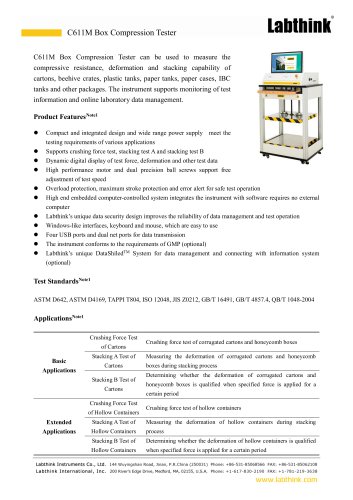 C611M
C611M2 Pages
 C330H
C330H4 Pages
 leak detector for packaging
3 Pages
 bottle torque tester machine
3 Pages
 micrometer per ASTM D374
4 Pages
 rub tester for wine labels
2 Pages
 LAB THICNESS TESTER
3 Pages
 Peel tester for 180 Degree
5 Pages
 Ball tack tester
5 Pages
 table top thickness gauge
12 Pages
 Tabletop sealing machine
14 Pages
 Film Friction Tester
2 Pages
 Head space Oxygen Analyser
2 Pages
 90 degree peel test Device
3 Pages
 C650M Headspace Gas Analyzer
2 Pages
 C650B Headspace Gas Analyzer
2 Pages
 C620H Friction
3 Pages
 Handheld Headspace Analyzer
2 Pages
 Cap Torque Machine
5 Pages
 Oxygen Permeation Analyser
3 Pages
 Oxygen Permeation Apparatus
3 Pages
 Bottle Cap Leak Tester
4 Pages
 torque meter for PET Bottles
3 Pages
 box compression device
5 Pages
 BLJ-02 Disk Stripping Tester
2 Pages
 RT-01 Rub Tester
2 Pages
 MCJ-01A Rub Tester
2 Pages
 Floor Slip Resistance Tester
5 Pages
 Leak Tester
3 Pages
 Tensile Testers
19 Pages
 Consultative Testing Service
4 Pages
 BOPP Tape Shear Tester
3 Pages
 Bell Jar leak tester
2 Pages
 COF testing of Polymer Films
2 Pages
 labthink MFY-01 Leak Tester
3 Pages
 Tablet Leak Test Apparatus
5 Pages
 Precise Tape Peeling Tester
5 Pages
 BOPP Film Thickness Meter
2 Pages
 Package Headspace Analyzer
5 Pages
 electrical torque meter
5 Pages
 tape peeling tester
5 Pages
 tensile testing instrument
5 Pages
 gas leakage detector LSSD-01
5 Pages
 XLW (G6) Auto Tensile Tester
3 Pages
 XLW (M) Auto Tensile Tester
3 Pages
 XLW (B) Auto Tensile Tester
2 Pages
 XLW Auto Tensile Tester
3 Pages
 CHY-C2 Thickness Tester
2 Pages
 CHY-CA Thickness Tester
2 Pages
 Plastic Film Thickness Test
2 Pages
 Tensile Strength Machine
5 Pages
 fogging testing machine
5 Pages
 heat sealing testing machine
5 Pages
 shrinkage testing machine
5 Pages
 torque testing machine
5 Pages
 Medical Package leak Tester
5 Pages
 Food Package leak Tester
5 Pages
 ink rubbing test machine
5 Pages
 rolling ball tack tester
5 Pages
 Glebo flex tester
5 Pages
 hot tack tester
5 Pages
 Tensile Strength Tester
5 Pages
 Rolling Ball Tester
5 Pages
 permeability apparatus
5 Pages
 CHY-CB Thickness Tester
2 Pages
 Heat Shrinkage Force Tester
5 Pages
 XLW (EC) Auto Tensile Tester
3 Pages
 gas leakage detector MFY-01
5 Pages
 materials Flex tester
5 Pages
 oxygen headspace analyzer
5 Pages
 cap torque testing machine
5 Pages
 Lasting Ahesion Tester
5 Pages
 Peeling strength tester
5 Pages
 Torque Measurement Equipment
2 Pages
 FDI-01
5 Pages
 Leakage Detector
5 Pages
 film thickness gauge
5 Pages
 rub testing machine
5 Pages
 air leakage tester
5 Pages
 vacuum leak detector
4 Pages
 plastic film testing machine
3 Pages
 carton compression test
5 Pages
 plastic cap torque tester
5 Pages
 manual torque tester
1 Page
 opening torque tester
2 Pages
 Oxygen headspace Analyzer
2 Pages
 Permeability Test System
2 Pages
 DIN 75201
2 Pages
 Tensile strength test bench
5 Pages
 impact testing equipments
2 Pages
 thickness gauge
5 Pages
 vacuum leak testing machine
2 Pages
 paper thickness measurement
5 Pages
 FDT-02 Gelbo Flex Tester
5 Pages
 Friction Coefficient Tester
5 Pages
 Drop Ball Impact Tester
5 Pages
 Dealers wanted
1 Page
 Abrasion Resistance Tester
2 Pages
 FPT-F1 Friction/ Peel Tester
2 Pages
 FT-F1 Fogging Tester
2 Pages
 Material Testing Equipment
2 Pages
 Packaging Testing
2 Pages
 Abrasion Test
2 Pages
 Torque Meter
2 Pages
 pendulum impact tester
2 Pages
 Oxygen Transmission Analyzer
2 Pages
 Friction Tester
2 Pages
 Leak Detector
2 Pages
 Analyzer for MAP
2 Pages
 Adhesive Strength Tester
1 Page
 O2 & CO2 Analyzer
1 Page
 Gas Permeability Tester
2 Pages
 Lasting Adhesive Tester
2 Pages
 Cap Torque Tester
3 Pages
 Lasting Adhesion Tester
2 Pages
 Gradient Heat Seal Tester
4 Pages
 Head space gas Analysis
4 Pages
 Headspace Gas Analyser
3 Pages
 Headspace Gas Analyzer
3 Pages
 Material Tensile Tester
5 Pages
 Ink Rub Tester
2 Pages
 medical packaging tester
3 Pages
 Hot Tack Tester (Data Sheet)
2 Pages
 Heat Sealing tester
2 Pages
 Evaporation Residue Tester
3 Pages
 Blister Package testing
3 Pages
 Gas Permeability Analyzer
3 Pages
 Tensile Testing Machine
2 Pages
 package integrity tester
2 Pages
 Oxygen permeation Analyzer
2 Pages
 Drop Impact Tester
2 Pages
 Torque tester
2 Pages
 Compression Testing Machine
2 Pages
 Material Testing Machine
3 Pages
 Shrink Film testing
2 Pages
 fogging tester
2 Pages
 Impact tester
2 Pages
 Quality Concerns of Doypacks
2 Pages
 Material Testing
2 Pages
 laboratory heat sealer
2 Pages
 Automated Heat Sealer
1 Page
 analog thickness gauge
1 Page
 Residual Gas Analyzer
1 Page
 digital torque gauge
1 Page
 packaging Industry
2 Pages
 Metrology and Test Equipment
2 Pages
 Tensile Tester
2 Pages
 material moisture monitor
2 Pages
 Gas Analyzer
2 Pages
 Headspace Gas Analyzer
1 Page
 FRICTION/PEEL TESTER
1 Page
 HOLDING TACK TESTER
1 Page
 ROLLING BALL TESTER
1 Page
 BOX COMPRESSION TESTER
1 Page
 INK RUB TESTER
1 Page
 FOGGING TESTER
2 Pages
 Film Shrinkage Tester
1 Page
 THICKNESS TESTER
1 Page
 TOQUE TESTER
1 Page
 Tearing Tester
1 Page
 Gas Permeability Tester
1 Page
 Oxygen Permeability Tester
2 Pages






















































































































Archived catalogs
 C611M
C611M2 Pages
 C611B Box Compression Tester
2 Pages
 C306H
C306H3 Pages
 C230H
C230H4 Pages
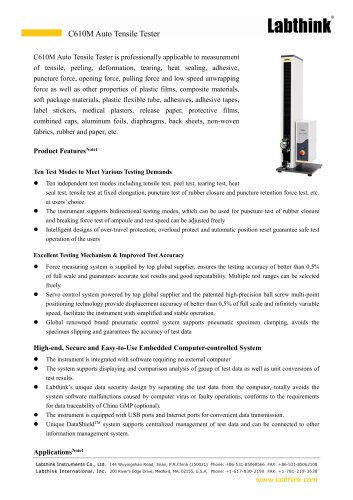 C610M Auto Tensile Tester
3 Pages
 Leak Tester
2 Pages






- Labthink Instruments testing machine
- Labthink Instruments gas analyzer
- Measuring device
- Concentration analyzer
- Monitoring analyzer
- Test stand
- Measuring machine
- Automatic analyser
- Labthink Instruments material testing machine
- Automated testing machine
- Benchtop analyser
- Solids analyser
- Computer-controlled test machine
- Process analyzer
- Portable analyzer
- Compression testing machine
- Continuous analyzer
- Labthink Instruments digital tester
- Industrial testing machine
- Labthink Instruments vertical testing machine