
- Catalogs
- Jinan Saicheng Electronic Technology Co.,LTD
- Why Does the Peel Strength Vary for the Same Type of Adhesive?


- Company
- Products
- Catalogs
- News & Trends
- Exhibitions
Why Does the Peel Strength Vary for the Same Type of Adhesive?
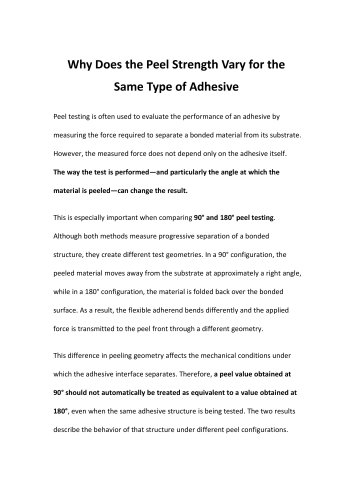
Why Does the Peel Strength Vary for the Same Type of Adhesive?
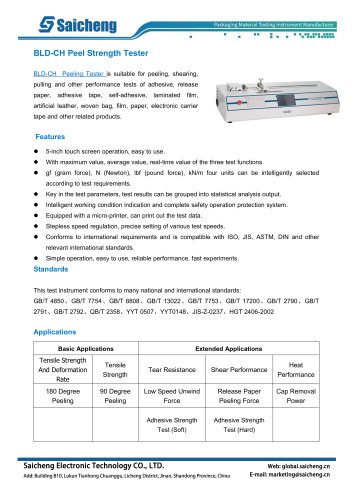
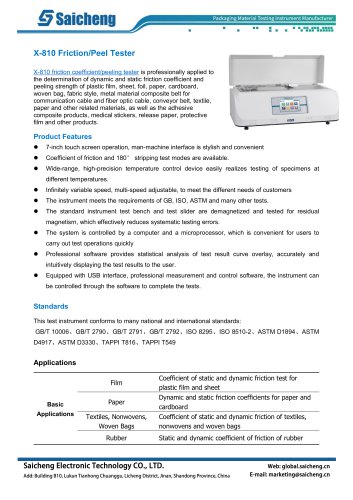
Peel testing is a method used to evaluate the performance of adhesives by measuring the force required to separate a bonded material from its substrate. The results of peel tests can vary significantly based on the test configuration, particularly the angle of peeling.
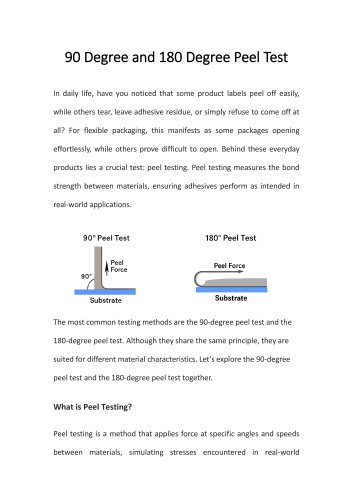
There are two primary configurations for peel testing: 90° and 180°. In a 90° peel test, the material is peeled away from the substrate at a right angle, while in a 180° test, the material is folded back over the bonded surface. These configurations create different test geometries, affecting how the force is applied and transmitted to the peel front.
The angle of peeling influences the mechanical conditions under which the adhesive interface separates. Therefore, results from 90° and 180° tests are not directly interchangeable, even for the same adhesive structure. Each configuration provides insights into the adhesive's behavior under different conditions.
Besides the peel angle, other factors such as peel speed, specimen construction, substrate properties, adhesive characteristics, specimen preparation, temperature, and conditioning can also affect the measured force. Consistency in these parameters is crucial for meaningful comparisons.
The choice between 90° and 180° peel tests should be based on the material structure, test objectives, and applicable testing standards. This guide emphasizes the importance of selecting the appropriate configuration for accurate and relevant results.
Catalog excerpts
Why Does the Peel Strength Vary for the Same Type of Adhesive Peel testing is often used to evaluate the performance of an adhesive by measuring the force required to separate a bonded material from its substrate. However, the measured force does not depend only on the adhesive itself. The way the test is performed—and particularly the angle at which the material is peeled—can change the result. This is especially important when comparing 90° and 180° peel testing. Although both methods measure progressive separation of a bonded structure, they create different test geometries. In a 90° configuration, the peeled material moves away from the substrate at approximately a right angle, while in a 180° configuration, the material is folded back over the bonded surface. As a result, the flexible adherend bends differently and the applied force is transmitted to the peel front through a different geometry. This difference in peeling geometry affects the mechanical conditions under which the adhesive interface separates. Therefore, a peel value obtained at 90° should not automatically be treated as equivalent to a value obtained at 180°, even when the same adhesive structure is being tested. The two results describe the behavior of that structure under different peel configur
Open the catalog to page 1
Peel angle is only one part of a complete peel test. Peel speed, specimen construction, substrate properties, adhesive characteristics, specimen preparation, temperature, and conditioning can also affect the measured force. For this reason, meaningful comparison requires a clearly defined and consistently applied test method. Rather than assuming that 90° or 180° is universally better, the appropriate configuration should be selected according to the material structure, test objective, and applicable testing standard. If you are comparing 90° and 180° peel testing, this guide explains how the...
Open the catalog to page 2All Jinan Saicheng Electronic Technology Co.,LTD catalogs and technical brochures
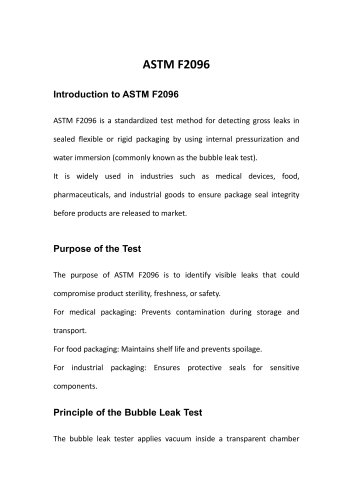 ASTM F2096
4 Pages
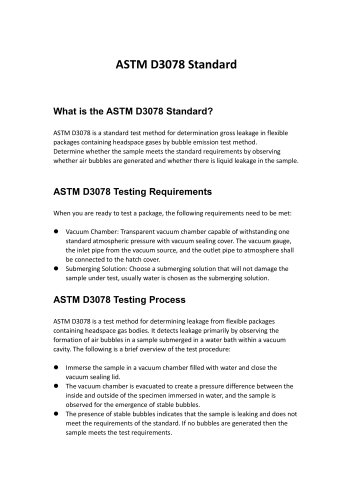 Saicheng ASTM D3078 Standard
3 Pages
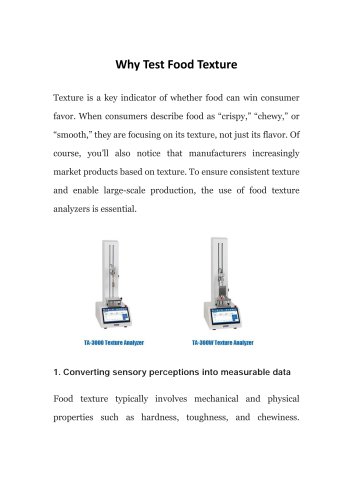 Why Test Food Texture
3 Pages
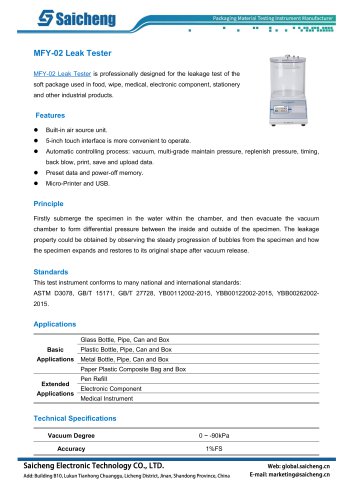 Saicheng Leak Tester MFY-02
2 Pages
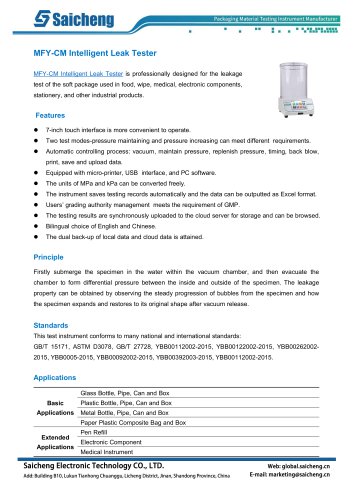 Saicheng Leak Tester MFY-CM
2 Pages
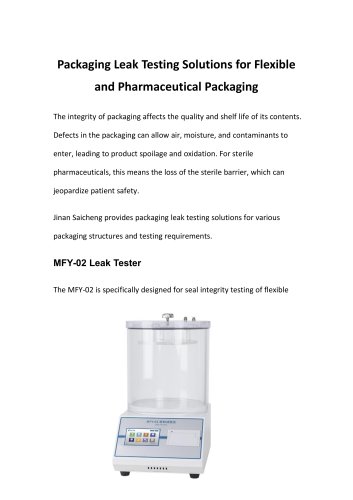





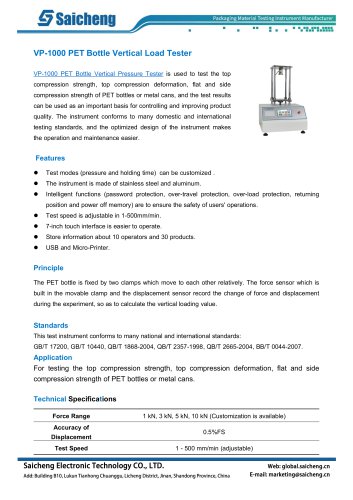
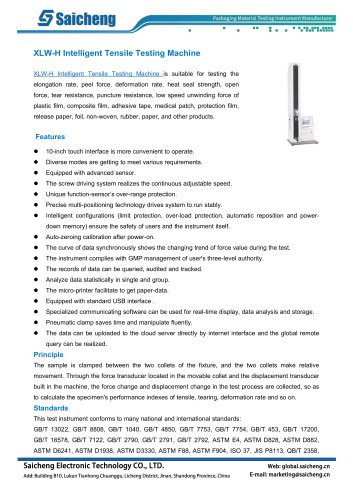
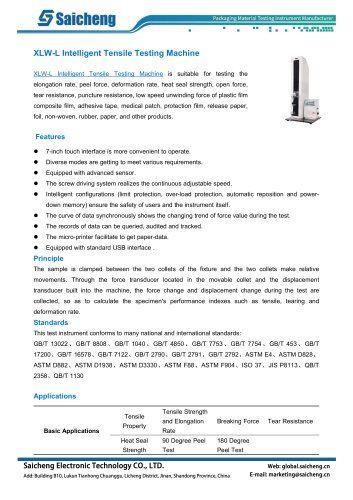
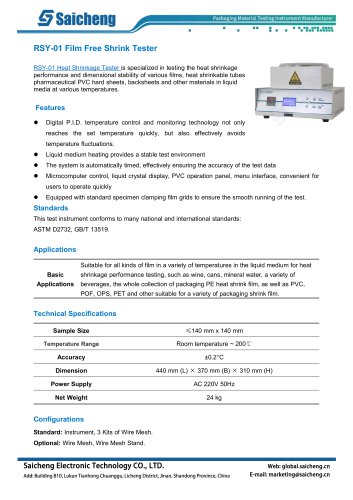
- Test machine
- Gas analyzer
- Concentration analyzer
- Automatic analyser
- Automated testing machine
- Material test machine
- Computer-controlled test machine
- Portable analyzer
- Continuous analyzer
- Digital tester
- Industrial testing machine
- Vertical testing machine
- Automatic tester
- Real-time analyzer
- Industrial tester
- Laboratory analyzer
- Tensile testing machine
- Laboratory testing machine
- Universal testing machine
- Compact analyzer