
- Catalogs
- Jinan Saicheng Electronic Technology Co.,LTD
- What Causes Discrepancies in Gel Strength Test Results for Gelatin


- Company
- Products
- Catalogs
- News & Trends
- Exhibitions
What Causes Discrepancies in Gel Strength Test Results for Gelatin
What Causes Discrepancies in Gel Strength Test Results for Gelatin
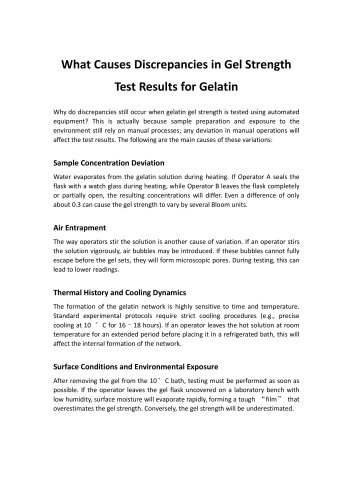
Discrepancies in gelatin gel strength test results often occur despite the use of automated equipment due to manual processes involved in sample preparation and environmental exposure. This summary outlines the main causes of these variations and suggests methods to address them.
- Sample Concentration Deviation: Differences in sealing methods during heating can lead to varying concentrations, affecting gel strength by several Bloom units.
- Air Entrapment: Vigorous stirring can introduce air bubbles, forming pores that lower gel strength readings.
- Thermal History and Cooling Dynamics: Deviations from standard cooling protocols can alter the internal network formation of gelatin.
- Surface Conditions and Environmental Exposure: Delays in testing and exposure to low humidity can lead to inaccurate gel strength readings due to surface moisture evaporation.
- Weigh the flask before and after heating and replenish lost water to maintain consistent sample concentration.
- Use a magnetic stirrer with controlled speed to minimize air entrapment.
- Employ a stopwatch to ensure precise timing between heating and cooling.
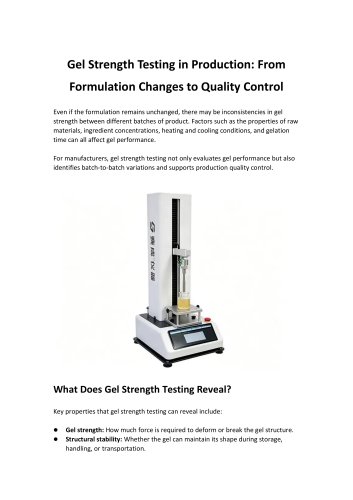
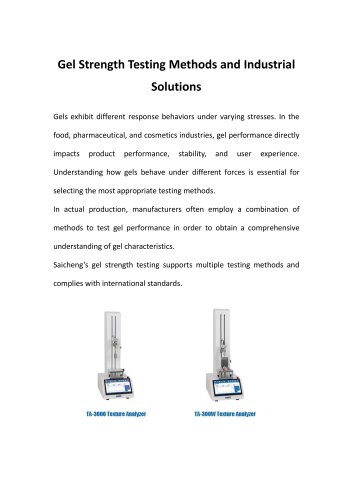
For further information on gel strength testing, the Saicheng Gel Strength Testing Guide offers insights into testing methods, influencing factors, common errors, and equipment selection for quality control.
Catalog excerpts
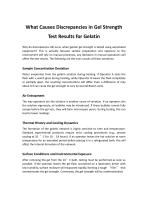
What Causes Discrepancies in Gel Strength Test Results for Gelatin Why do discrepancies still occur when gelatin gel strength is tested using automated equipment? This is actually because sample preparation and exposure to the environment still rely on manual processes; any deviation in manual operations will affect the test results. The following are the main causes of these variations: Sample Concentration Deviation Water evaporates from the gelatin solution during heating. If Operator A seals the flask with a watch glass during heating, while Operator B leaves the flask completely or partially open, the resulting concentrations will differ. Even a difference of only about 0.3 can cause the gel strength to vary by several Bloom units. Air Entrapment The way operators stir the solution is another cause of variation. If an operator stirs the solution vigorously, air bubbles may be introduced. If these bubbles cannot fully escape before the gel sets, they will form microscopic pores. During testing, this can lead to lower readings. Thermal History and Cooling Dynamics The formation of the gelatin network is highly sensitive to time and temperature. Standard experimental protocols require strict cooling procedures (e.g., precise cooling at 10 °C for 16–18 hours). If an operator leaves the hot solution at room temperature for an extended period before placing it in a refrigerated bath, this will affect the internal formation of the network. Surface Conditions and Environmental Exposure After removing the gel from the 10°C bath, testing must be performed as soon as possible. If the operator leaves the gel flask uncovered on a laboratory bench with low humidity, surface moisture will evaporate rapidly, forming a tough “film” that overestimates the gel strength. Conversely, the gel strength will be underestim
Open the catalog to page 1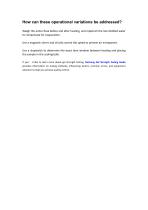
How can these operational variations be addressed? Weigh the entire flask before and after heating, and replenish the lost distilled water to compensate for evaporation. Use a magnetic stirrer and strictly control the speed to prevent air entrapment. Use a stopwatch to determine the exact time window between heating and placing the sample in the cooling bath. If you ’ d like to learn more about gel strength testing, Saicheng Gel Strength Testing Guide provides information on testing methods, influencing factors, common errors, and equipment selection to help you achieve quality control.
Open the catalog to page 2All Jinan Saicheng Electronic Technology Co.,LTD catalogs and technical brochures
 ASTM F2096
4 Pages
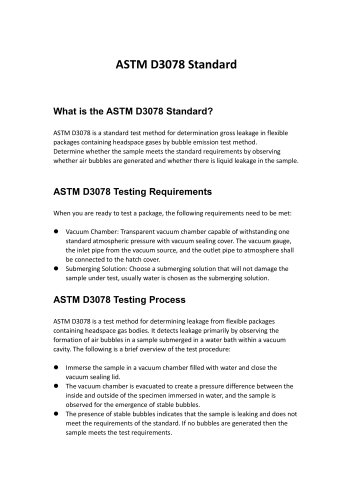 Saicheng ASTM D3078 Standard
3 Pages
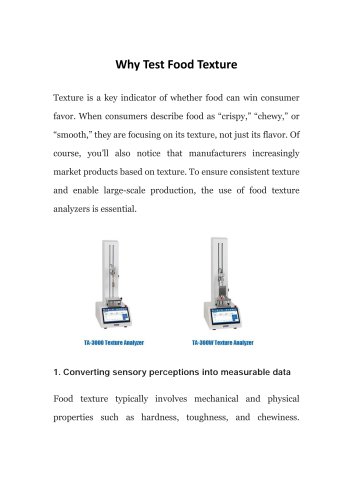 Why Test Food Texture
3 Pages
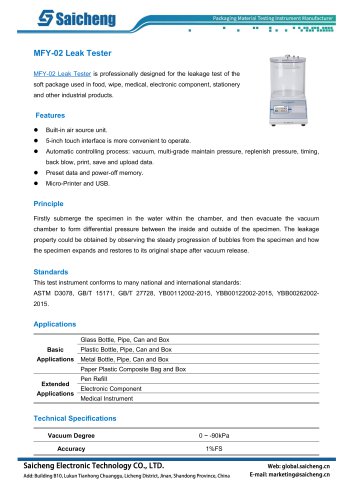 Saicheng Leak Tester MFY-02
2 Pages
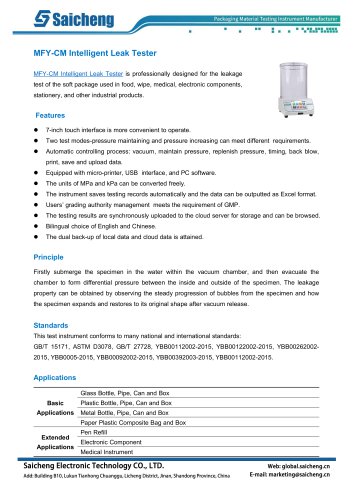 Saicheng Leak Tester MFY-CM
2 Pages



- Test machine
- Gas analyzer
- Concentration analyzer
- Automatic analyser
- Automated testing machine
- Material test machine
- Computer-controlled test machine
- Portable analyzer
- Continuous analyzer
- Digital tester
- Industrial testing machine
- Vertical testing machine
- Automatic tester
- Real-time analyzer
- Industrial tester
- Laboratory analyzer
- Tensile testing machine
- Laboratory testing machine
- Universal testing machine
- Compact analyzer