
- Catalogs
- Jinan Saicheng Electronic Technology Co.,LTD
- Leak Testing Method Trends in Modern


- Company
- Products
- Catalogs
- News & Trends
- Exhibitions
Leak Testing Method Trends in Modern
Leak Testing Method Trends in Modern
The document discusses the evolving trends in leak testing methods within the pharmaceutical, medical device, and high-value food sectors. As market demands increase, traditional leak detection methods are being replaced by more advanced techniques to ensure packaging integrity.
Traditional methods like bubble release and dye penetration rely on visual inspection and subjective judgment, which are not reliable. Advanced Container Closure Integrity Testing (CCIT) methods, such as vacuum decay and pressure decay, use high-precision sensors to provide quantitative and reliable results.
Traditional methods are uncertain and random, while advanced CCIT methods offer non-destructive, repeatable, and consistent assessments based on scientifically established leak thresholds.
- Pharmaceuticals and Biopharmaceuticals: Pre-filled syringes and vials require strict sterility, with standards like USP 1207 advocating deterministic methods.
- Medical Device Packaging: Packaging must maintain sterility and structural integrity as per ISO 11607, which traditional methods fail to ensure.
- High-Value Foods: Modified-atmosphere packaging requires excellent seal integrity to prevent spoilage, driven by extended supply chains and consumer safety awareness.
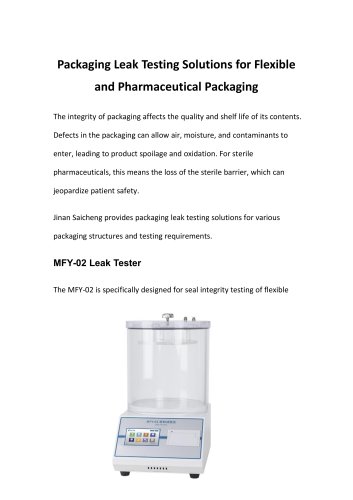
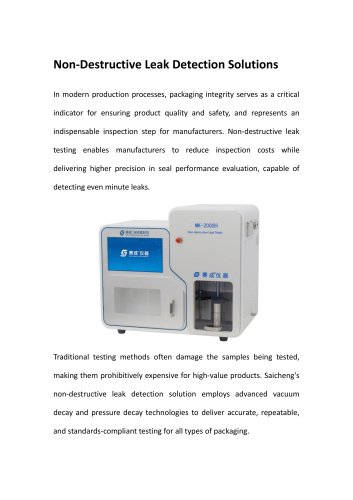
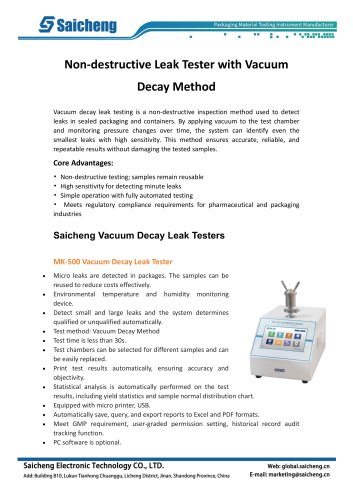
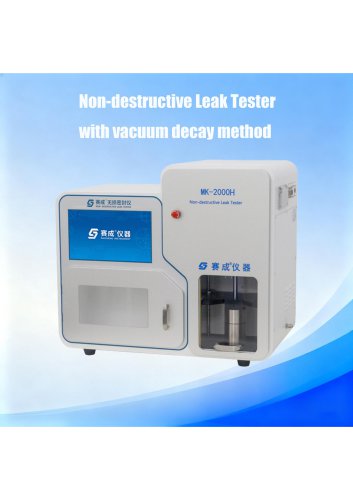
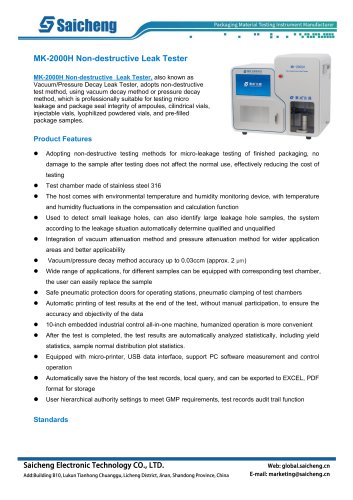
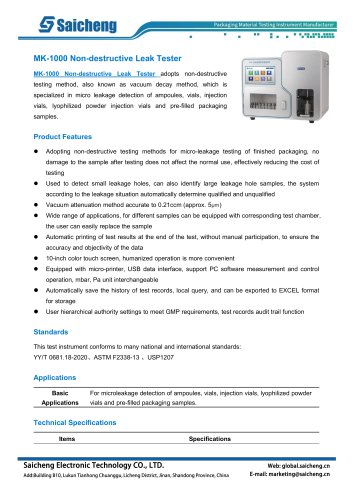
Saicheng offers non-destructive leak testers that comply with international standards, providing high sensitivity and automated features to eliminate subjective influences.
The shift towards advanced CCIT methods aligns with industry trends, optimizing packaging systems to meet market demands and compliance, enhancing brand reputation.
Catalog excerpts
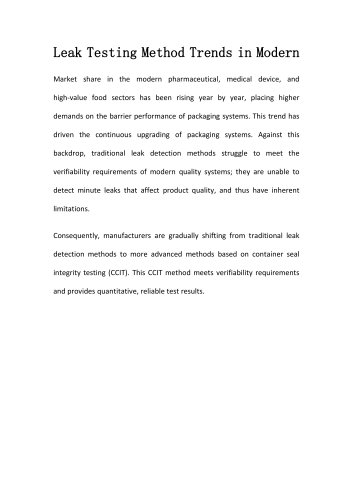
Leak Testing Method Trends in Modern Market share in the modern pharmaceutical, medical device, and high-value food sectors has been rising year by year, placing higher demands on the barrier performance of packaging systems. This trend has driven the continuous upgrading of packaging systems. Against this backdrop, traditional leak detection methods struggle to meet the verifiability requirements of modern quality systems; they are unable to detect minute leaks that affect product quality, and thus have inherent limitations. Consequently, manufacturers are gradually shifting from traditional leak detection methods to more advanced methods based on container seal integrity testing (CCIT). This CCIT method meets verifiability requirements and provides quantitative, reliable test results.
Open the catalog to page 1
From Qualitative Testing to Quantitative Testing Traditional leak testing methods, such as the bubble release method or dye penetration testing, rely on visual inspection of leaks and the subjective judgment of operators, making it difficult to verify the reliability of the results. The two mainstream advanced CCIT methods—vacuum decay and pressure decay—rely on high-precision sensors to monitor pressure changes within the test chamber in real time and identify leaks. During testing, detection sensitivity is quantified using the minimum detectable leak rate; pressure or vacuum decay curves are...
Open the catalog to page 2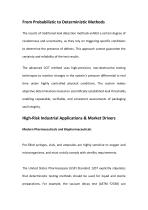
From Probabilistic to Deterministic Methods The results of traditional leak detection methods exhibit a certain degree of randomness and uncertainty, as they rely on triggering specific conditions to determine the presence of defects. This approach cannot guarantee the certainty and reliability of the test results. The advanced CCIT method uses high-precision, non-destructive testing techniques to monitor changes in the system’s pressure differential in real time under highly controlled physical conditions. The system makes objective determinations based on scientifically established leak thresholds,...
Open the catalog to page 3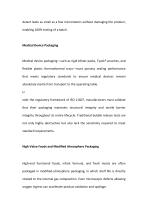
detect leaks as small as a few micrometers without damaging the product, enabling 100% testing of a batch. Medical Device Packaging Medical device packaging—such as rigid blister packs, Tyvek® pouches, and flexible plastic thermoformed trays—must possess sealing performance that meets regulatory standards to ensure medical devices remain absolutely sterile from transport to the operating table. U nder the regulatory framework of ISO 11607, manufacturers must validate that their packaging maintains structural integrity and sterile barrier integrity throughout its entire lifecycle. Traditional...
Open the catalog to page 4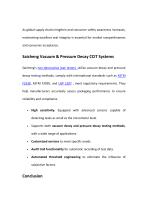
As global supply chains lengthen and consumer safety awareness increases, maintaining excellent seal integrity is essential for market competitiveness and consumer acceptance. Saicheng's non-destructive leak testers utilize vacuum decay and pressure decay testing methods, comply with international standards such as ASTM F2338, ASTM F2095, and USP 1207 , meet regulatory requirements. They help manufacturers accurately assess packaging performance to ensure reliability and compliance. • High sensitivity: Equipped with advanced sensors capable of detecting leaks as small as the micrometer level....
Open the catalog to page 5
As products and packaging systems continue to evolve, the trend in leak detection is shifting toward more advanced container seal integrity testing methods. This aligns with current industry trends. Through these quantitative and reliable testing methods, packaging systems can be optimized and upgraded to meet market demands and compliance requirements, thereby enhancing brand reputation. If you are interested in deterministic leak testing equipment, please contact the professional team at Saicheng Instrument for a customized solution.
Open the catalog to page 6All Jinan Saicheng Electronic Technology Co.,LTD catalogs and technical brochures
 ASTM F2096
4 Pages
 Saicheng ASTM D3078 Standard
3 Pages
 Why Test Food Texture
3 Pages
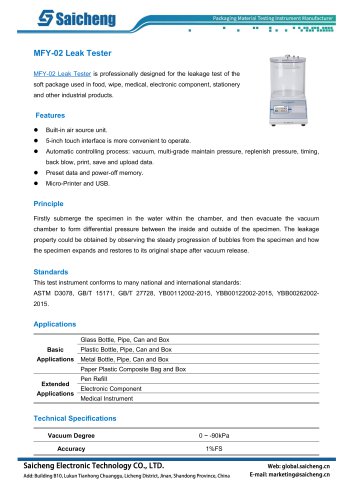 Saicheng Leak Tester MFY-02
2 Pages
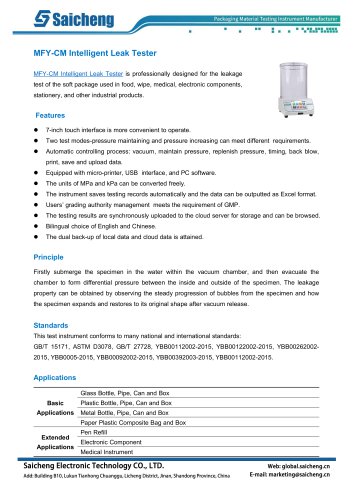 Saicheng Leak Tester MFY-CM
2 Pages






- Test machine
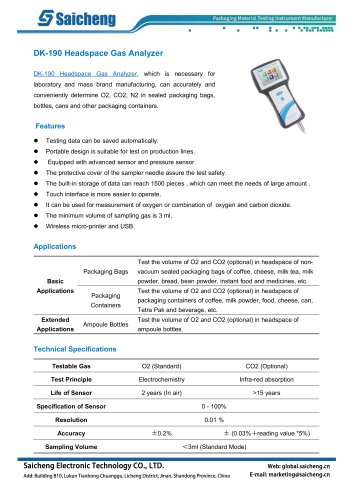
- Gas analyzer
- Concentration analyzer
- Automatic analyser
- Automated testing machine
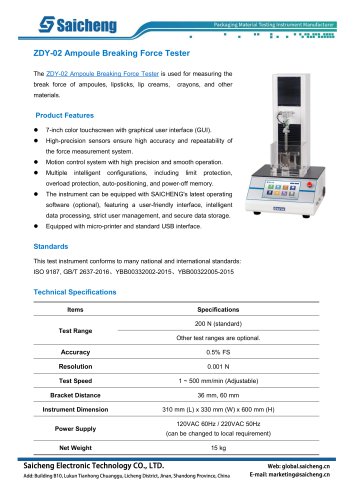
- Material test machine
- Computer-controlled test machine
- Portable analyzer
- Continuous analyzer
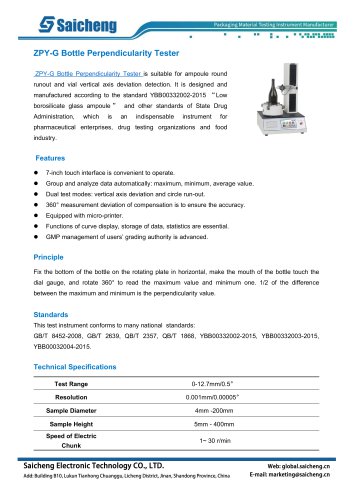
- Digital tester
- Industrial testing machine
- Vertical testing machine
- Automatic tester
- Real-time analyzer
- Industrial tester
- Laboratory analyzer
- Tensile testing machine
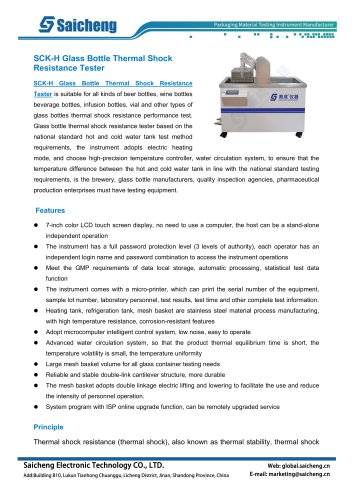
- Laboratory testing machine
- Universal testing machine
- Compact analyzer