
- Catalogs
- HeBei JunTong Machinery
- Belt Conveyor Roller3


Belt Conveyor Roller3

Belt Conveyor Roller3
Belt Conveyor Roller Technical Summary
1. Specifications
Belt conveyor rollers are cylindrical components designed to support and guide conveyor belts in material handling systems. Key specifications include roller diameter, length, material composition (commonly steel or plastic), bearing type, and load capacity. Rollers must be compatible with the belt width and conveyor speed.
2. Design and Construction
Rollers typically consist of a shaft, outer shell, and bearings. The outer shell is often coated or treated to resist wear and corrosion. Bearings can be sealed or open, with sealed bearings preferred for dusty or wet environments to enhance durability.
3. Installation Procedures
Proper installation involves aligning rollers parallel to the conveyor frame to prevent belt misalignment. Rollers should be spaced according to belt weight and load distribution requirements. Regular inspection during installation ensures secure mounting and smooth rotation.
4. Maintenance and Inspection
Routine maintenance includes cleaning rollers to remove debris, lubricating bearings if applicable, and checking for wear or damage. Damaged rollers should be replaced promptly to avoid belt damage or operational downtime.
5. Standards and Recommendations
Manufacturers often adhere to industry standards such as ISO or CEMA guidelines for roller dimensions and performance. Recommendations include selecting rollers based on load, environment, and conveyor speed to optimize lifespan and efficiency.
6. Limitations and Best Practices
Limitations include maximum load capacity and environmental constraints like temperature and exposure to corrosive substances. Best practices involve selecting appropriate roller types for specific applications, ensuring proper alignment, and scheduling regular maintenance to maximize conveyor system reliability.
Catalog excerpts
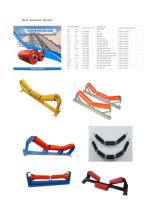
Belt Conveyor Roller
Open the catalog to page 1All HeBei JunTong Machinery catalogs and technical brochures
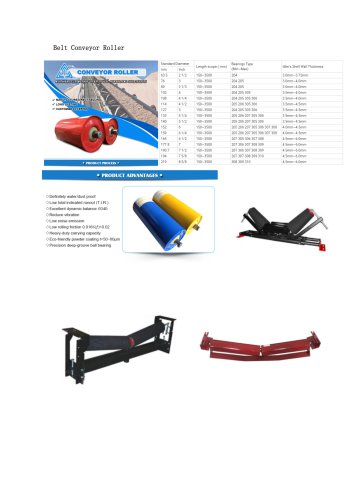 Belt Conveyor Roller 4
1 Page
 Belt Conveyor Roller2
1 Page
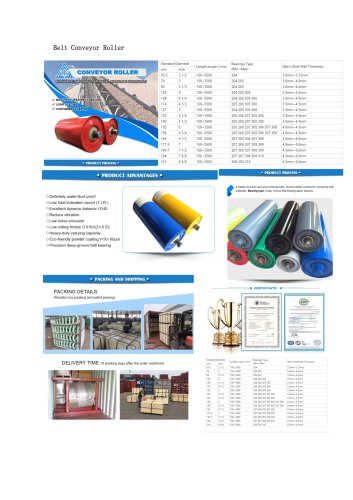 Belt Conveyor Roller1
1 Page
 Belt conveyor sistem
1 Page
 products
4 Pages


- Transport rail conveyor
- Horizontal conveyor
- Conveyor for the food industry
- Roller conveyor
- Plastic conveyor belt
- Inclined conveyor
- Chain conveyor
- Work conveyor
- Industrial conveyor belt
- Food conveyor
- Bulk material conveyor
- Conveyor roller
- Conveyor belt for the food industry
- Metal conveyor roller
- Vertical conveyor
- Heavy load conveyor
- Mobile conveyor