
- Catalogs
- HAIDA EQUIPMENT CO., LTD
- Yellowing Resistance Aging Tester


- Company
- Products
- Catalogs
- News & Trends
- Exhibitions
Yellowing Resistance Aging Tester

Yellowing Resistance Aging Tester
Car headlights often turn yellow over time due to various factors. This document explains the reasons behind this yellowing and provides guidance on selecting appropriate headlights.
Most car lampshades are made from polycarbonate (PC) or polymethyl methacrylate (PMMA) plastics, which age over time. Factors accelerating this process include high temperatures, ultraviolet rays, ozone, exposure to chemicals, and improper cleaning products.
To prevent yellowing, avoid sun exposure, regularly clean the headlights with a soft cloth and alkaline water, and apply a polishing agent followed by waxing.
ABS engineering plastic, a PC/ABS alloy, is recommended for lampshades due to its excellent heat and weather resistance, dimensional stability, and impact resistance.
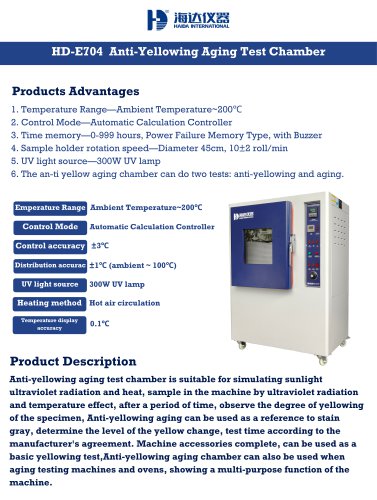
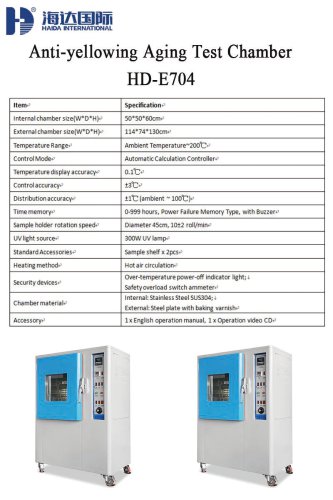
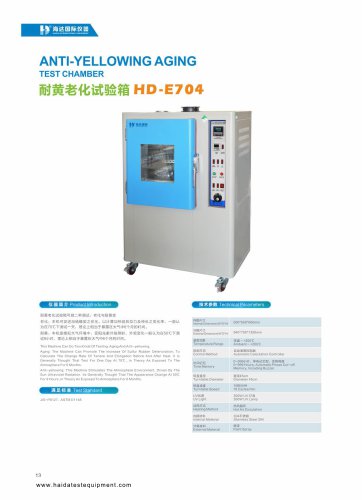
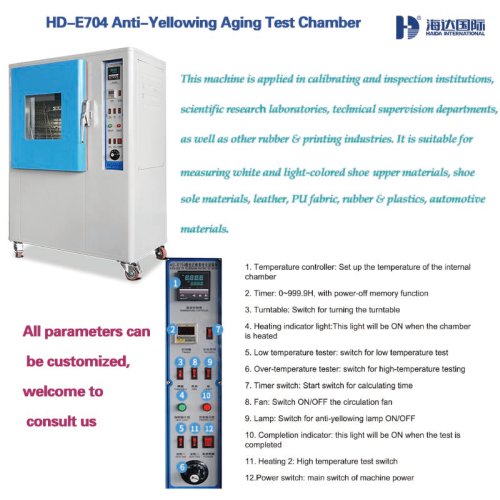
Manufacturers can use the HD-E704 Yellowing Resistance Aging Tester to assess yellowing resistance. This equipment performs aging and yellowing resistance tests, simulating long-term exposure to atmospheric conditions.
The tester is designed for ergonomic use, featuring simple operation, automatic calibration, and data storage. It meets international standards and offers various measurement modes.
Choosing headlights made from engineering plastic alloys is recommended to prevent yellowing, which can reduce visibility and pose safety risks.
Catalog excerpts
In the era of running, have your headlights kept up? Everyone knows that car headlights will turn yellow after being used for a period of time. Today, I will tell you why the headlights turn yellow and how to choose the headlights? At present, most automobile lampshades are injection molded of polycarbonate (PC) or polymethyl methacrylate (PMMA) plastics. Plastic products will gradually age during use. High temperature, ultraviolet rays and ozone will accelerate the aging process. In addition, frequent trips to areas where chemical substances are leaked, or industrial areas where pigment and dye production companies are intensive, or even using the wrong car cleaning and maintenance products, may cause the lampshade to turn yellow.
Open the catalog to page 1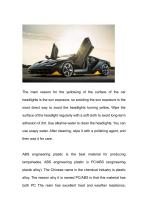
The main reason for the yellowing of the surface of the car headlights is the sun exposure, so avoiding the sun exposure is the most direct way to avoid the headlights turning yellow. Wipe the surface of the headlight regularly with a soft cloth to avoid long-term adhesion of dirt. Use alkaline water to clean the headlights. You can use soapy water. After cleaning, wipe it with a polishing agent, and then wax it for care. ABS engineering plastic is the best material for producing lampshades. ABS engineering plastic is PC/ABS (engineering plastic alloy). The Chinese name in the chemical industry...
Open the catalog to page 2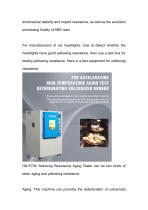
dimensional stability and impact resistance, as well as the excellent processing fluidity of ABS resin. For manufacturers of car headlights, how to detect whether the headlights have good yellowing resistance, then use a test box for testing yellowing resistance. Here is a test equipment for yellowing resistance. . HD-E704 Yellowing Resistance Aging Tester can do two kinds of tests: aging and yellowing resistance. Aging: This machine can promote the deterioration of vulcanized
Open the catalog to page 3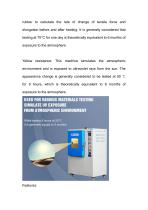
rubber to calculate the rate of change of tensile force and elongation before and after heating. It is generally considered that testing at 70°C for one day is theoretically equivalent to 6 months of exposure to the atmosphere. Yellow resistance: This machine simulates the atmospheric environment and is exposed to ultraviolet rays from the sun. The appearance change is generally considered to be tested at 50 ℃ for 9 hours, which is theoretically equivalent to 6 months of exposure to the atmosphere.
Open the catalog to page 4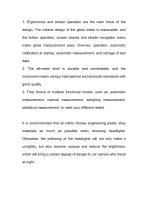
1. Ergonomics and simple operation are the main focus of the design. The volume design of the gloss meter is reasonable, and the button operation, screen display and simple navigation menu make gloss measurement easy. One-key operation, automatic calibration at startup, automatic measurement, and storage of test data. 2. The all-metal shell is durable and comfortable, and the instrument meets various international and domestic standards with good quality. 3. Free choice of multiple functional modes, such as: automatic measurement, manual measurement, sampling measurement, statistical measurement,...
Open the catalog to page 5All HAIDA EQUIPMENT CO., LTD catalogs and technical brochures
 WEPACK ASEAN 2024
1 Page
 No cross colored winter
1 Page
 How's your express?
4 Pages
 Hardness Tester
2 Pages
 How to select chairs
1 Page
 Salt Spray Chamber
5 Pages
 Mid-Autumn Festival
2 Pages
 How to choose summer clothes
3 Pages
 Fabric Breathability Tester
2 Pages
 IP ratings
2 Pages
 Safety shoes
2 Pages
 Battery test UN38.3
1 Page
 Radiation & UV Test Chambers
2 Pages
 Non-stick Coating Tester
2 Pages
 Solar Xenon Aging Test
2 Pages
 Optical instrument
2 Pages
 Sock Test Machines
12 Pages
 furniture testing
2 Pages
 Salt spray test chamber
1 Page
 waterproof level
2 Pages
 carton tester
7 Pages
 Drop Tester
3 Pages
 WHAT IS ISTA
2 Pages
 Car Seat Slide Testing
6 Pages
 Salt Spray Chamber
4 Pages
 Environment test chamber
2 Pages
 Mechanical Transmission
2 Pages
 Packaging test HD-A501-800
2 Pages
 Zero Drop Tester
4 Pages
 stroller handle tester
2 Pages
 Battery Test
6 Pages
 Lighting Test
1 Page
 Office Chair testing machine
3 Pages
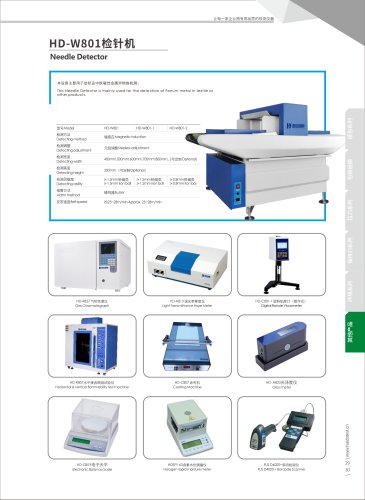 Needle Detector 2022
1 Page
 Image Measuring Machine
1 Page
 HD-E703
1 Page
 Tape Tester
1 Page
 History
1 Page
 Electro-dynamic shaker
1 Page
 Drop Test Machine
1 Page
 HD - A815
1 Page
 HD - A519
1 Page
 Ozone Aging Test Chamber
1 Page
 Dust Test Chamber IP5X6X
1 Page
 Dust Test Chamber
1 Page
 Vehicle Rain Test Rom
1 Page
 Color assessment cabinet
1 Page
 Vibration Tester Machine
1 Page
 Stroller Crash Test
1 Page
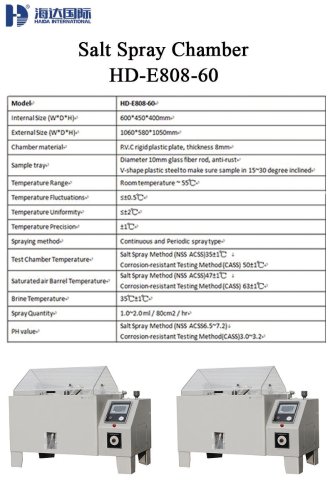 HD-E808-60
1 Page
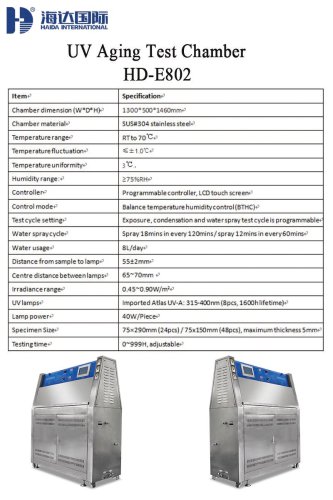 HD-E802
1 Page
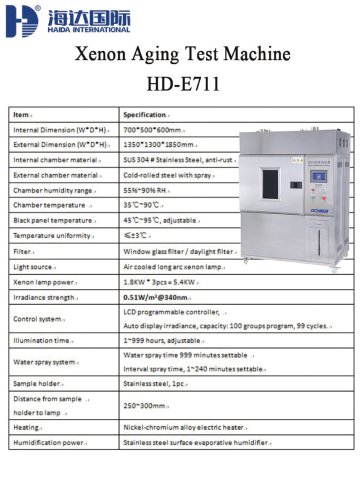 HD-E8711
1 Page
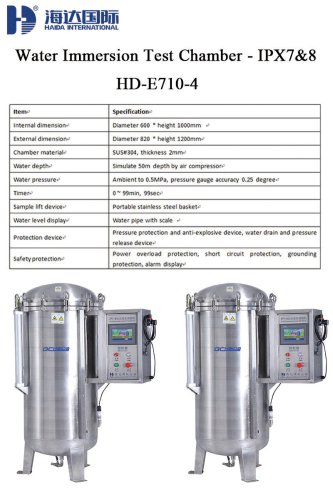 HD-E710-4
1 Page
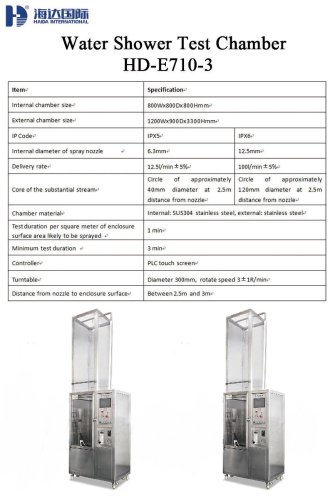 HD-E710-3
1 Page
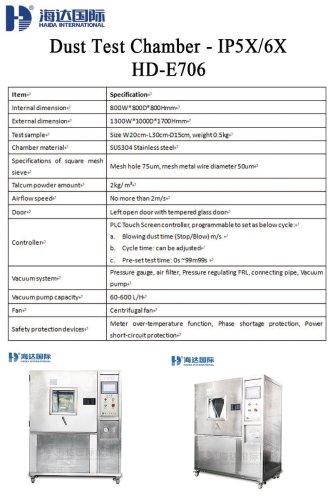 HD-E706
1 Page
 Fabric Tensile Tester
1 Page
 Leather Flexing Tester
1 Page
 Vibration Test Machine
1 Page
 Chair Strength Tester
1 Page
 HD-808-60
1 Page
 Walk-in Chamber
1 Page
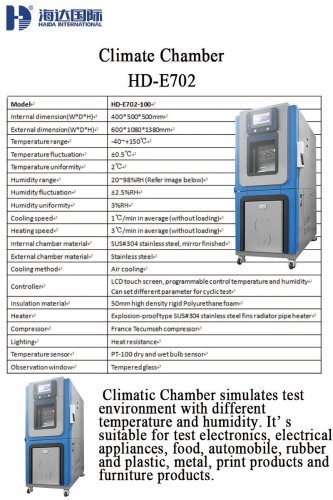 HD-E702_2020
1 Page
 UV Aging Test Chamber
1 Page
 HD-E801
1 Page
 Xenon Aging Test Machine
1 Page
 HD-B607-S
1 Page
 Peel Test Machine
1 Page
 HD -B609B-S
1 Page
 HD-E705 Walk-in Chamber
1 Page
 Handle Fatigue Tester
1 Page
 Eid al Adha
1 Page
 Visting Customers
1 Page
 Furniture Fair
1 Page
 DeliveBest Testing
1 Page
 HD-B616 Tensile Tester
1 Page
 HD-B617-S Tensile Tester
1 Page
 Compression test machine
1 Page
 Mattress Roll Tester
1 Page
 Tape testing machine
1 Page
 HD-E808-200
1 Page
 HAIDA EXHIBITION
1 Page
 What is haida's mission?
1 Page
 China.Shanghai.SNIEC
1 Page
 test equipement
1 Page
 ISTA Products
1 Page
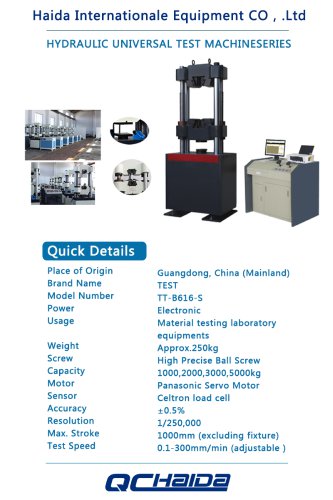 Tensile Test Machine
1 Page
 Caster Durability Tester
1 Page
 TENSILE TESTING MACHIME
1 Page
 TENSILE STRENGTH TESTER
1 Page
 VIBRATION TEST SYSTEM
1 Page
 Altitude Test Chamber
1 Page
 WATER DRIP TEST CHAMBER
1 Page
 BURSTING TEST MACHINE
1 Page
 Water conseryation
1 Page
 2019 ELECTRONICA CHINA
1 Page
 ISTA MEMBER
1 Page
 BOX CPMPRESSION TESTER
1 Page
 Sofa Test Equipment
1 Page
 CLIMATE TEST CHAMBER
1 Page
 merry christmas
1 Page
 Thanksgiving Day
1 Page
 Chair Arm Tester
1 Page
 Chair Drop impact tester
1 Page
 Bursting Strength Tester
1 Page
 Vision Measuring Machine
1 Page
 vacuum drying oven
1 Page
 Product Description
1 Page
 Furniture test machine
1 Page
 force test machine
1 Page
 Catalog
1 Page
 Tensile tester
1 Page
 Chair Swivel Test Rig
5 Pages
 Attitude Test Chamber
3 Pages
 Cyclic Salt Spray Chamber
6 Pages
 Contact angle measurement
3 Pages
 ROHS test machine
4 Pages
 MIT folding endurance tester
2 Pages
 HD-B615
1 Page
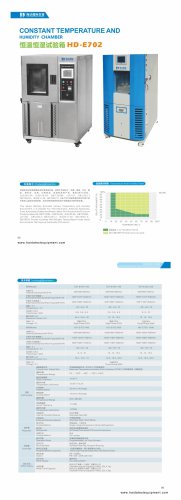 HD-E702_2018
1 Page
 HD-703
1 Page
 Tensile tester's User Manual
49 Pages
 RUBBING FASTNESS TESTER FOR
3 Pages
 ELMENDORF TEARING TESTER
4 Pages
 COLOUR FASTNESS TO WASHING
3 Pages
 IRONING SUBLIMATION COLOR
2 Pages
 AUTOMATIC HYDRAULIC DIAPHRAM
5 Pages
 SPRAY RATE TESTER
3 Pages
 BICYCLE TEST MACHINE
11 Pages
 AIR PERMEABILITY TESTER
5 Pages
 NEEDLE DETECTOR
2 Pages
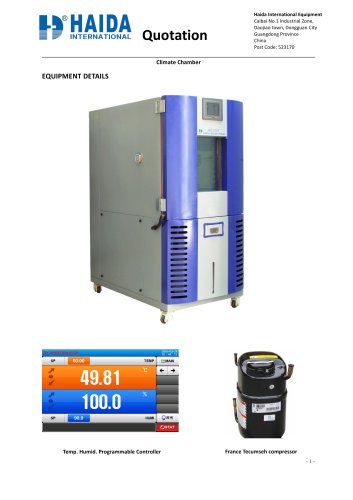 HD-E702-150-7
4 Pages
 pull tensile testing machine
7 Pages
 Thermal Shock Chamber
4 Pages
 HD-J802 Sharp Edge Tester
11 Pages
 ring test machine
9 Pages
 Tensile Testing Machine
12 Pages
 Incline Impact tester
1 Page
 paper testing machine
1 Page
 paper test machine
1 Page
 tensile testing machine
1 Page
 Gas chromatograph
1 Page
 coating machine
1 Page
 heat seal tester
1 Page
 Image measuring machine
1 Page
 chair base static tester
1 Page
 chair stability tester
1 Page
 zigzag spring tester
1 Page
 chair durability tester
1 Page
 tensile tester
13 Pages
 drying oven
1 Page
 paper testing information
12 Pages
 BIFMA Furnitures testing machine
20 Pages
 UV Aging Test Chamber
1 Page
 sand dust proof chamber
1 Page
 Cookware testing proposal
5 Pages






























Archived catalogs
 HD-E704_2020
1 Page
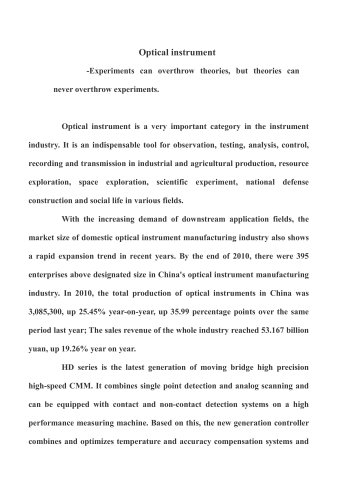 Optical instrument HD SERIES
2 Pages
 Zero Drop Test Machine
1 Page
 Foam Fatigue Tester
1 Page
 Foam rebound tester
2 Pages
 Foam rebound tester 2022
1 Page
 salt spray test HD-E808
9 Pages
 HD-E706 Dust Chamber_2018
3 Pages
 HD -B617S
1 Page
 HD -B617
1 Page
 HD-B615A- S
1 Page
 HB-B609D
1 Page
 HD-B617-S
1 Page
 HB-B616
1 Page
 HB-B615A-S
1 Page
 HD -B617
1 Page
 HB-B607-S
1 Page
 HB-B609B-S
1 Page
 HB-B609A-S
1 Page
 HD -B604 -S
1 Page
 HB-B609
1 Page
 HD-B616-S
1 Page
 HB-B602
1 Page
 HB-B604B-S
1 Page
 HB-B617-S
1 Page
 HD-B601
1 Page
 HD -B617
1 Page
 HD-B615A-S
1 Page
 Clamp Force Test Machine
9 Pages
 biochemical incubator
1 Page
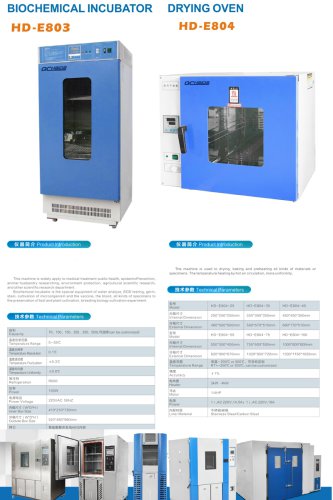

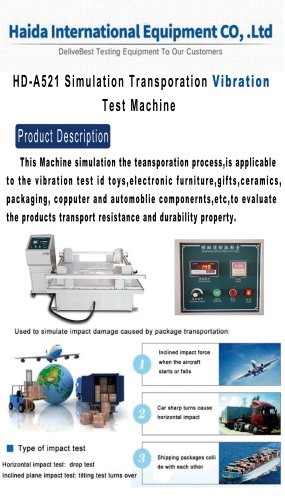











- Kiln
- Haida testing machine
- Chamber kiln
- Measuring device
- Haida test chamber
- Electric furnace
- Heat treatment kiln
- Haida test bench
- Measuring machine
- Haida temperature test chamber
- Microscope
- Fully automatic filling machine
- Haida automatic testing machine
- Haida material testing machine
- Indentation hardness tester
- Haida climate chamber
- Liquids filling line
- Haida quality control test chamber
- Wrapping machine
- Haida computer-controlled testing machine