
- Catalogs
- Guangdong Bell Experiment Equipment Co., Ltd
- Thermal Management For Energy Storage Battery Cluster Liquid Cooling Test cooled water chiller Temperature contorl solution


- Company
- Products
- Catalogs
- News & Trends
- Exhibitions
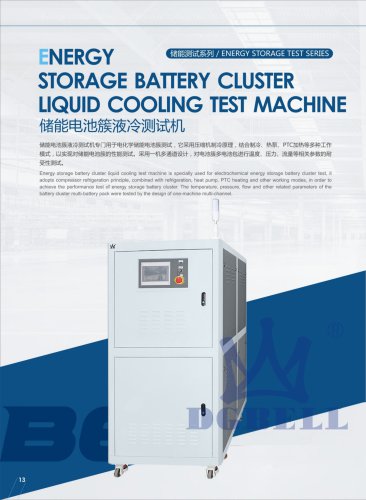
Thermal Management For Energy Storage Battery Cluster Liquid Cooling Test cooled water chiller Temperature contorl solution
1 / 2 PagesView full catalog
Thermal Management For Energy Storage Battery Cluster Liquid Cooling Test cooled water chiller Temperature contorl solution
Product catalog summary
Introduction
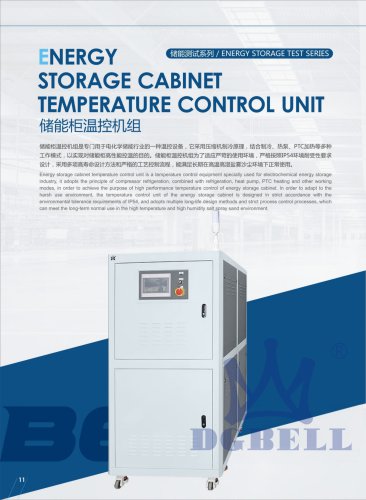
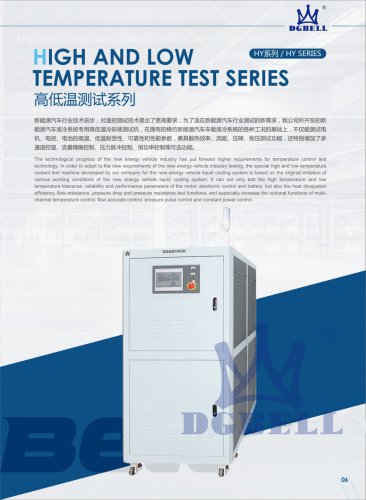
The document outlines the specifications and procedures for testing an energy storage battery cluster using a liquid cooling test machine. The focus is on ensuring optimal performance and safety of battery clusters through effective thermal management.
Specifications
- The test machine is designed to accommodate various sizes of battery clusters, providing flexibility in testing different configurations.
- It includes a precise temperature control system capable of maintaining the liquid coolant within a specified temperature range to ensure consistent testing conditions.
- The machine is equipped with sensors to monitor temperature, pressure, and flow rate, ensuring accurate data collection during tests.
Procedures
- Initial setup involves calibrating the sensors and ensuring the coolant system is free of leaks.
- Battery clusters are installed in the test chamber, and connections are checked for integrity.
- Tests are conducted under various load conditions to simulate real-world usage, with data collected for analysis.
Standards and Norms
- The testing process adheres to international standards for battery safety and performance, ensuring compliance with industry regulations.
- Regular maintenance and calibration of the test machine are recommended to maintain accuracy and reliability.
Recommendations
- Implement a regular testing schedule to monitor battery performance over time.
- Use the data collected to optimize battery design and improve thermal management strategies.
Conclusion
The liquid cooling test machine is a critical tool for evaluating the performance and safety of energy storage battery clusters. By adhering to the outlined procedures and standards, manufacturers can ensure their products meet the necessary safety and performance criteria.
See more
Catalog excerpts
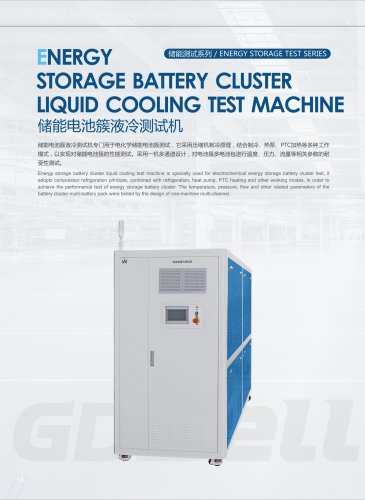
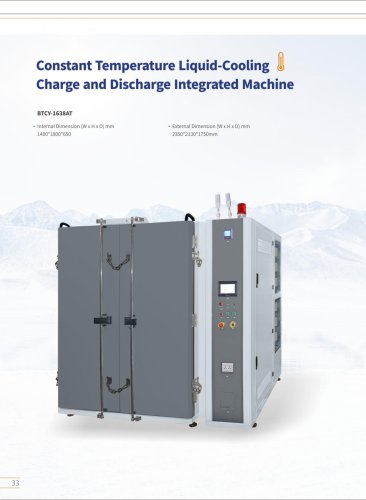
Energy Storage Battery Cluster Liquid Cooling Test Machine
Open the catalog to page 1All Guangdong Bell Experiment Equipment Co., Ltd catalogs and technical brochures
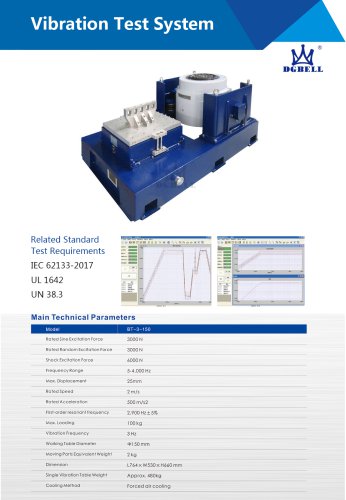
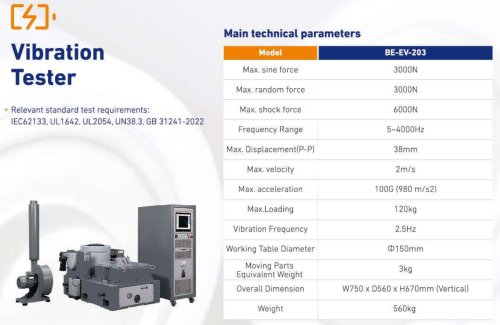 GDBELL Vibration Tester
1 Page
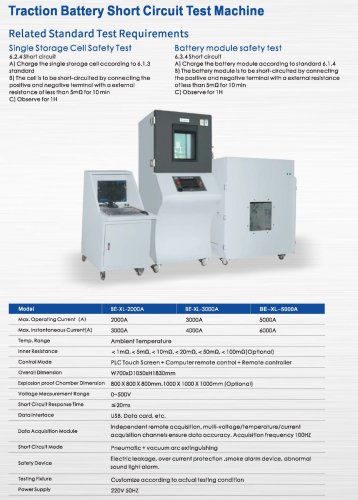
 Battery Safety Test Chamber C
28 Pages
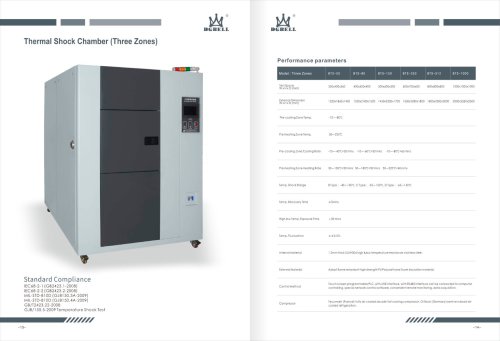
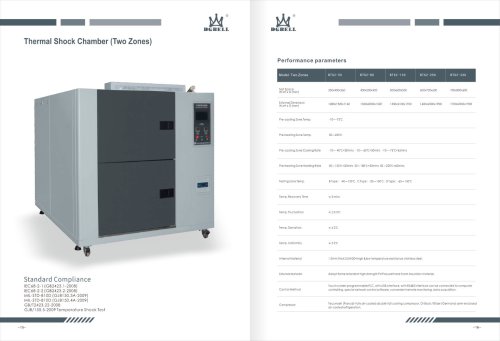
 Environmental Test Chamber C
14 Pages
 climate test chambers
1 Page
 Leak testing machine
1 Page
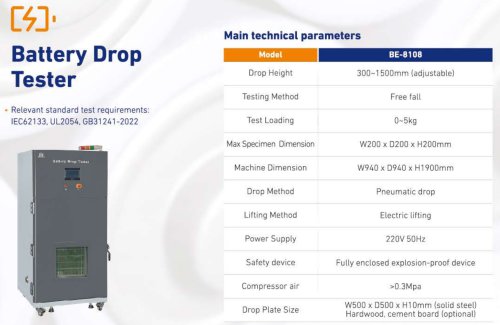
 Drop tester BE-8206-1500
1 Page





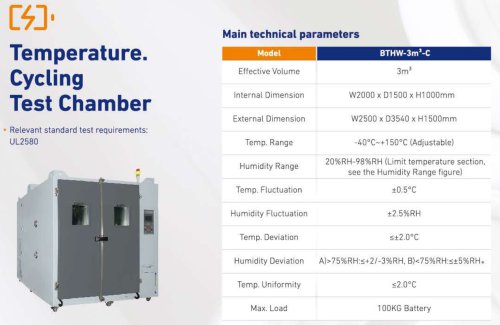
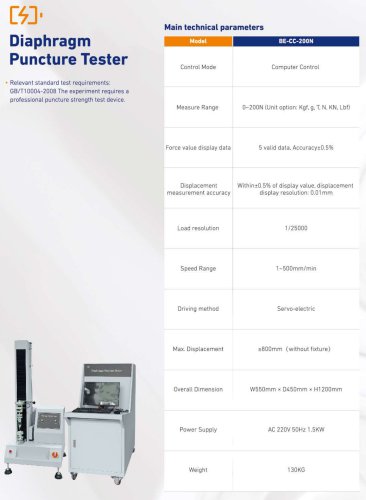
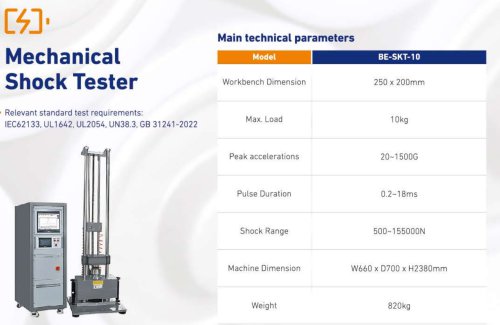
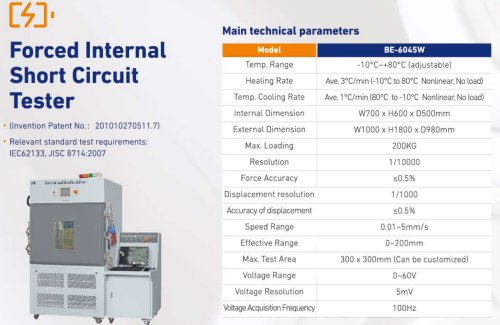










Archived catalogs


Related Searches
- Kiln
- Test machine
- Chamber kiln
- Electric furnace
- Heat treatment kiln
- Chiller
- Temperature test chamber
- Automated testing machine
- Material test machine
- Climatic test cabinet
- Quality control test cell
- Liquid recirculation chiller
- Computer-controlled test machine
- Humidity test cabinet
- Drying kiln
- Environmental test chamber
- Digital tester
- Laboratory kiln
- Industrial testing machine
*Prices are pre-tax. They exclude delivery charges and customs duties and do not include additional charges for installation or activation options. Prices are indicative only and may vary by country, with changes to the cost of raw materials and exchange rates.
About DirectIndustry
DirectIndustry is a marketplace that offers B2B players a complete experience, from product sourcing to purchase. DirectIndustry is an entity of VirtualExpo Group.
Are you a buyer?
Are you a supplier?