
- Catalogs
- Guangdong Bell Experiment Equipment Co., Ltd
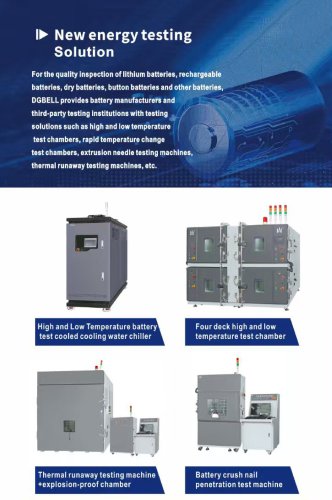
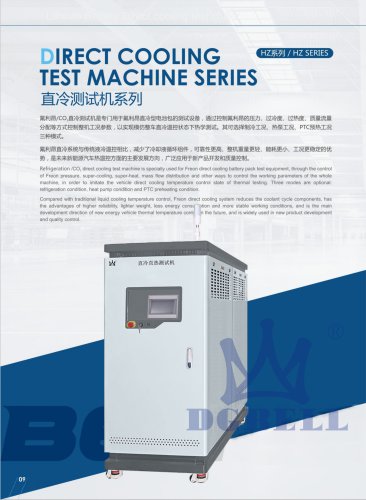
- GBELL Lithium Battery Direct cooling test mahcine


- Company
- Products
- Catalogs
- News & Trends
- Exhibitions
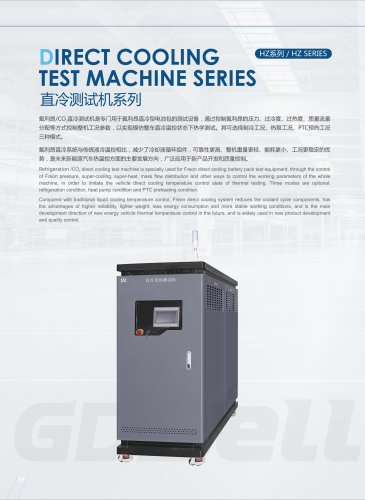
GBELL Lithium Battery Direct cooling test mahcine
1 / 2 PagesView full catalog
GBELL Lithium Battery Direct cooling test mahcine
Product catalog summary
Overview
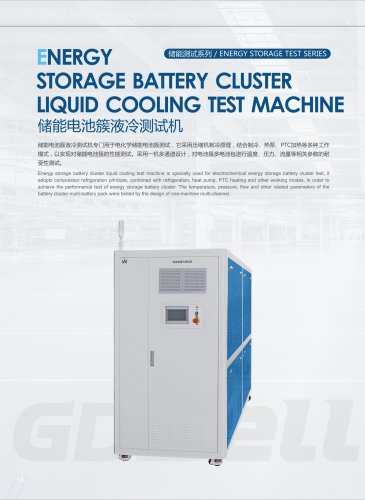
This document details the specifications and operational procedures for a Lithium Battery Direct Cooling Test Machine designed to evaluate the thermal management and performance of lithium batteries under controlled cooling conditions.
Specifications
- Cooling Method: Direct cooling system applied to lithium battery cells to simulate real-world thermal conditions.
- Temperature Range: Precise control typically from -20°C to 60°C to cover various operational scenarios.
- Test Capacity: Supports multiple battery sizes and configurations with adaptable fixtures.
- Measurement Parameters: Voltage, current, temperature, and capacity (mAh) monitored in real-time.
Testing Procedures
- Preparation: Batteries are installed in the cooling chamber with sensors attached for accurate data collection.
- Cooling Cycle: The machine applies direct cooling while cycling the battery through charge and discharge phases.
- Data Acquisition: Continuous monitoring of battery performance metrics to assess thermal effects on capacity and safety.
- Post-Test Analysis: Data is analyzed to identify performance degradation, thermal runaway risks, and efficiency under cooling conditions.
Standards and Compliance
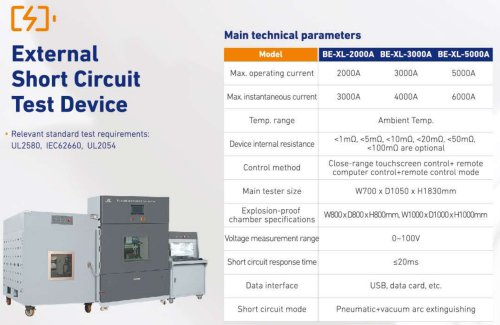
The machine and testing protocols comply with international standards such as IEC 62660 and UL 2580 for lithium battery safety and performance testing.
Recommendations and Best Practices
- Ensure proper calibration of temperature sensors before each test.
- Use batteries within specified size and chemistry limits to avoid damage.
- Maintain consistent environmental conditions to ensure repeatability.
- Regularly inspect cooling system components to prevent leaks or malfunctions.
Summary of Key Data
Test results typically include capacity retention (mAh), temperature profiles during cycling, and voltage stability under cooling. These metrics help in optimizing battery design and cooling strategies for enhanced safety and longevity.
See more
Catalog excerpts
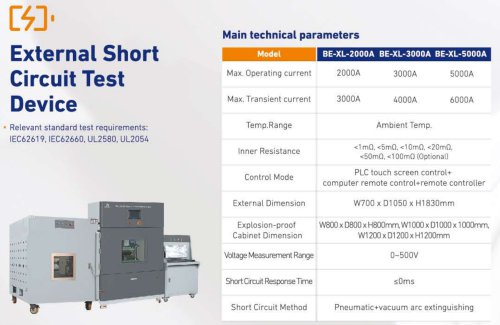
Lithium Battery Direct cooling test mahcine
Open the catalog to page 1All Guangdong Bell Experiment Equipment Co., Ltd catalogs and technical brochures
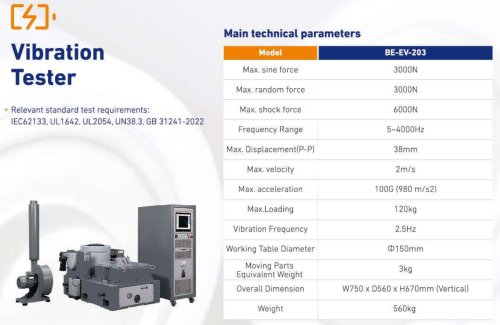 GDBELL Vibration Tester
1 Page
 Battery Safety Test Chamber C
28 Pages
 Environmental Test Chamber C
14 Pages
 climate test chambers
1 Page
 Leak testing machine
1 Page
 Drop tester BE-8206-1500
1 Page






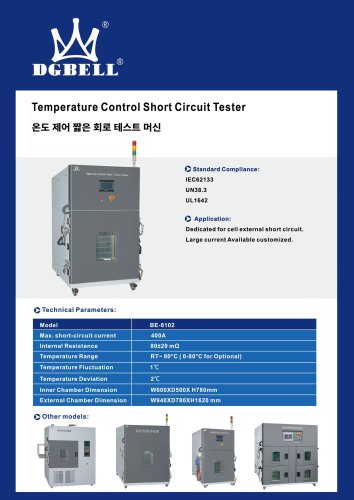
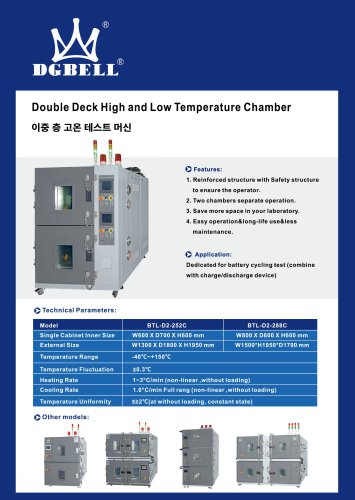
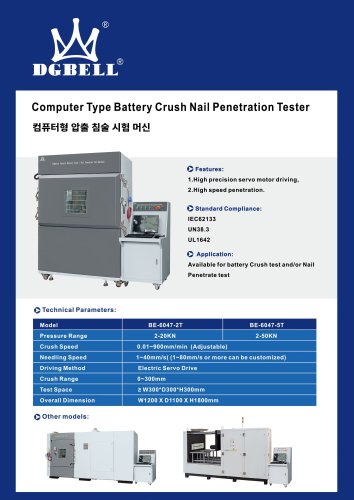
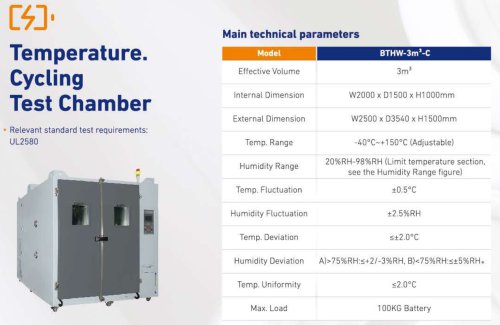
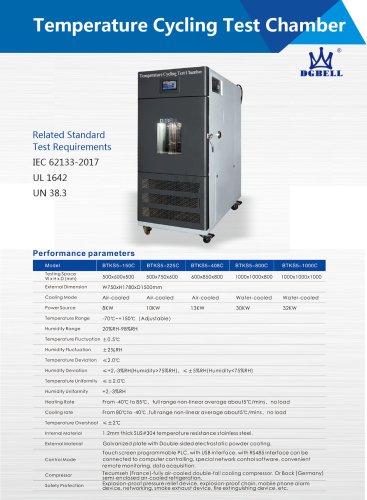
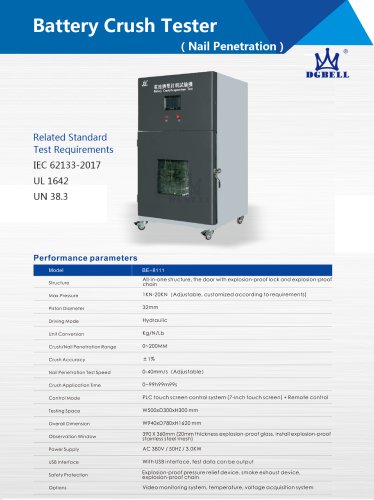
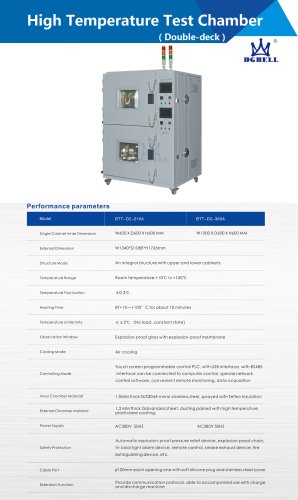
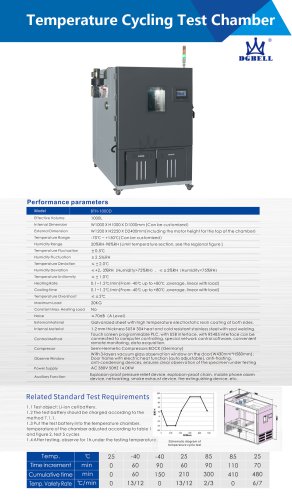










Archived catalogs


Related Searches
- Kiln
- Test machine
- Chamber kiln
- Test cabinet
- Electric furnace
- Heat treatment kiln
- Chiller
- Temperature test chamber
- Automated testing machine
- Material test machine
- Climatic test cabinet
- Quality control test cell
- Liquid recirculation chiller
- Computer-controlled test machine
- Humidity test cabinet
- Drying kiln
- Environmental test chamber
- Digital tester
- Laboratory kiln
- Industrial testing machine
*Prices are pre-tax. They exclude delivery charges and customs duties and do not include additional charges for installation or activation options. Prices are indicative only and may vary by country, with changes to the cost of raw materials and exchange rates.
About DirectIndustry
DirectIndustry is a marketplace that offers B2B players a complete experience, from product sourcing to purchase. DirectIndustry is an entity of VirtualExpo Group.
Are you a buyer?
Are you a supplier?