
- Catalogs
- Guangdong Bell Experiment Equipment Co., Ltd
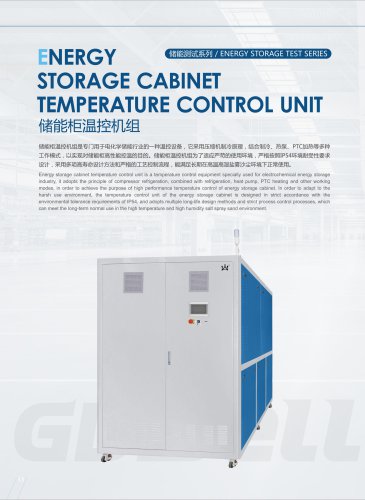
- Energy Storage Cabinet Temperature Control Unit Test Chiller TEST-B-ES


- Company
- Products
- Catalogs
- News & Trends
- Exhibitions
Energy Storage Cabinet Temperature Control Unit Test Chiller TEST-B-ES

1 / 2 PagesView full catalog
Energy Storage Cabinet Temperature Control Unit Test Chiller TEST-B-ES
Product catalog summary
Overview
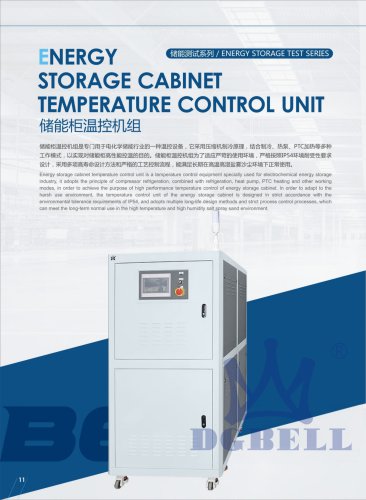
This document details the specifications and operational guidelines for the Energy Storage Cabinet Temperature Control Unit, designed to maintain optimal thermal conditions within energy storage systems.
Specifications
- Temperature Range: The unit regulates temperatures typically between -20°C and 60°C to ensure battery safety and performance.
- Control Accuracy: Maintains temperature within ±1°C of the setpoint.
- Power Supply: Operates on standard industrial power inputs, typically 220-240V AC.
- Cooling and Heating Methods: Incorporates both active cooling (via fans or refrigeration) and heating elements to manage temperature extremes.
Operational Procedures
- Installation: The unit must be installed in a well-ventilated cabinet with proper insulation to maximize efficiency.
- Calibration: Regular calibration of temperature sensors is required to maintain control accuracy.
- Monitoring: Continuous temperature monitoring with alarms for deviations beyond set thresholds.
Standards and Compliance
The unit complies with relevant industry standards for electrical safety, electromagnetic compatibility (EMC), and environmental regulations to ensure safe and reliable operation.
Recommendations and Best Practices
- Ensure periodic maintenance of cooling fans and heating elements to prevent failure.
- Use redundant temperature sensors for critical applications to enhance reliability.
- Implement remote monitoring capabilities for real-time status updates and fault detection.
Summary of Key Parameters
| Parameter | Value | Notes |
|---|---|---|
| Temperature Control Range | -20°C to 60°C | Suitable for most battery chemistries |
| Control Accuracy | ±1°C | Ensures stable operation |
| Power Supply | 220-240V AC | Standard industrial voltage |
| Cooling Method | Active cooling (fans/refrigeration) | Maintains temperature under high load |
| Heating Method | Electric heating elements | Prevents low temperature damage |
See more
Catalog excerpts

Energy Storage Cabinet Temperature Control Unit
Open the catalog to page 1All Guangdong Bell Experiment Equipment Co., Ltd catalogs and technical brochures
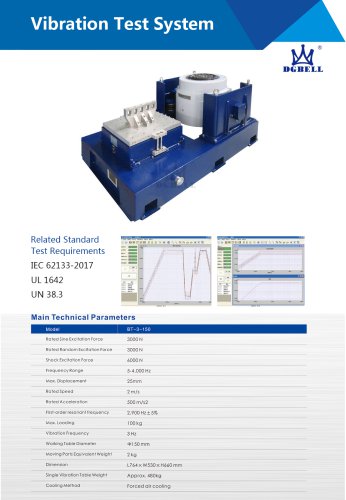
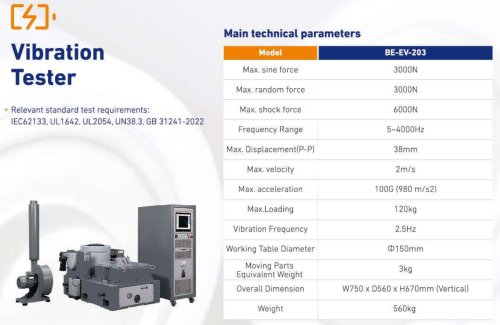 GDBELL Vibration Tester
1 Page
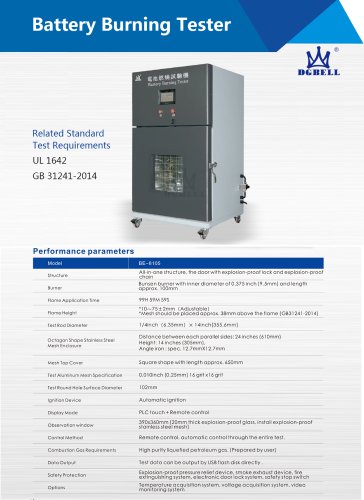
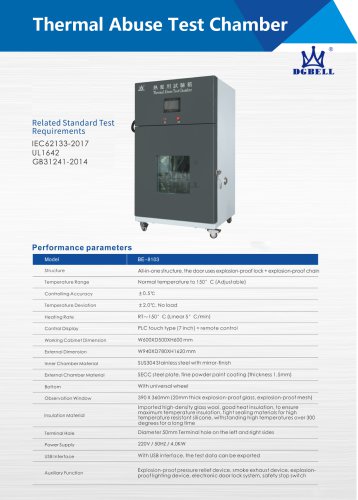
 Battery Safety Test Chamber C
28 Pages
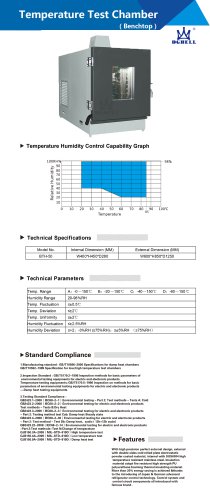
 Environmental Test Chamber C
14 Pages
 climate test chambers
1 Page
 Leak testing machine
1 Page
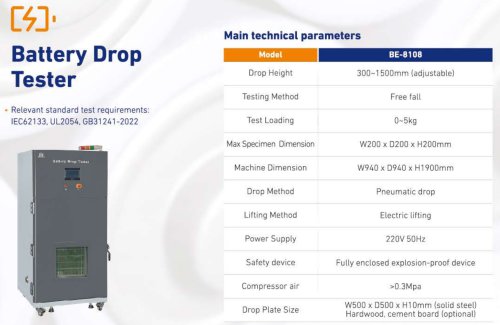
 Drop tester BE-8206-1500
1 Page
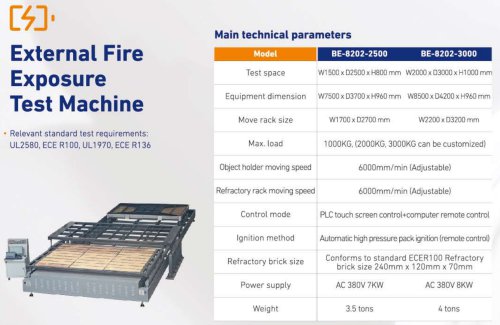
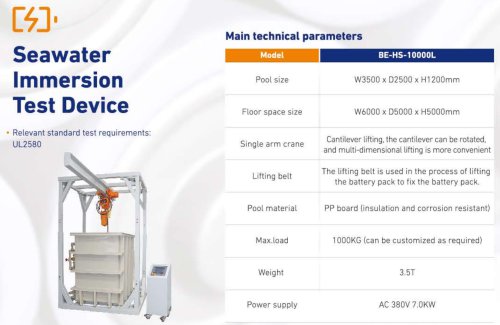
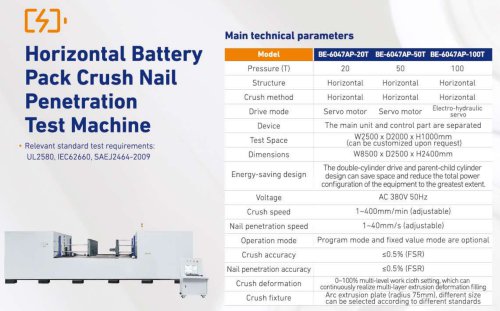















Archived catalogs


Related Searches
- Kiln
- Test machine
- Chamber kiln
- Test cabinet
- Electric furnace
- Heat treatment kiln
- Chiller
- Temperature test chamber
- Automated testing machine
- Material test machine
- Climatic test cabinet
- Quality control test cell
- Liquid recirculation chiller
- Computer-controlled test machine
- Humidity test cabinet
- Drying kiln
- Environmental test chamber
- Digital tester
- Laboratory kiln
- Industrial testing machine
*Prices are pre-tax. They exclude delivery charges and customs duties and do not include additional charges for installation or activation options. Prices are indicative only and may vary by country, with changes to the cost of raw materials and exchange rates.
About DirectIndustry
DirectIndustry is a marketplace that offers B2B players a complete experience, from product sourcing to purchase. DirectIndustry is an entity of VirtualExpo Group.
Are you a buyer?
Are you a supplier?