
- Catalogs
- GEA Breconcherry
- MEMBRANE FILTRATION IN THE FOOD INDUSTRY


MEMBRANE FILTRATION IN THE FOOD INDUSTRY
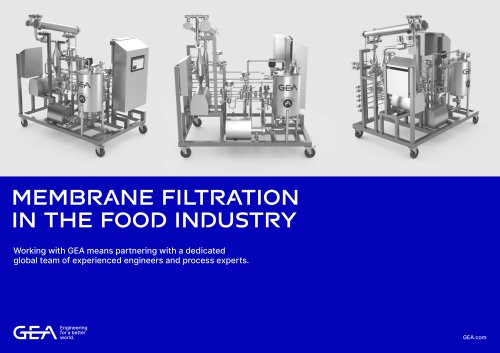
MEMBRANE FILTRATION IN THE FOOD INDUSTRY
GEA is a leader in advanced membrane filtration solutions for the food industry, offering customized plants for microfiltration, ultrafiltration, nanofiltration, and reverse osmosis to meet specific industry requirements.
Membrane filtration is a separation process using a semi-permeable membrane to divide a liquid into two streams, concentrating or removing specific components like proteins and peptides.
- Microfiltration (MF): Uses low pressure and open-structured membranes for clarifying sugar streams, removing fats and oils, controlling bacteria, and separating valuable components from fermentation broths.
- Ultrafiltration (UF): Employs medium pressure to concentrate proteins and special food additives, allowing most dissolved components to pass while rejecting larger ones.
- Nanofiltration (NF): A medium to high pressure process that allows monovalent ions to pass while rejecting divalent ions, used for concentrating peptides, fractionating sugars, and de-ashing products.
- Reverse Osmosis (RO): Uses high pressure and dense membranes to allow only water to pass, used for concentrating sugars and reclaiming water.
Membrane filtration is applied in sugar clarification, hydrolyzed peptide processing, bacteria removal, and the production of special food ingredients, supporting sustainability by reducing carbon footprints and optimizing water usage.
GEA offers tailored membrane filtration units for different applications, leveraging extensive experience and standard modules to meet specific industry needs.
GEA provides membrane filtration solutions for various industries, including food and beverage, dairy, chemical, biotechnology, and fermentation, with systems ranging from pilot units to full-scale production.
- Plug-and-produce units offer space-saving designs, seamless integration, and short installation times.
- Energy-efficient solutions with low noise emissions and reduced waste.
- Compact, hygienic designs ensure easy cleaning and safe product processing.
- Polymeric Membranes: Made from organic materials, including spiral wound, hollow fiber, and flat sheet types, offering high membrane area per element and cost-efficiency.
- Ceramic Membranes: Made from inorganic materials, resistant to temperature and chemicals, easy to clean, and have a longer lifespan, mainly used for microfiltration and ultrafiltration.
- A compact, plug-and-play system for small-to-medium feed rates, capable of concentrating feedstock to a total solids content of up to 25%.
- Utilizes nanofiltration (NF) or reverse osmosis (RO) technology for cost-effective concentration of solids.
- Features automatic control and visualization for easy operation.
- Focus on reducing process wastewater and regenerating cleaning solutions using nanofiltration, saving costs and reducing disposal issues.
- The Add Better ecolabel identifies solutions that reduce greenhouse gas emissions and resource consumption.
- Smart Filtration CIP and Flush systems optimize cleaning efficiency and reduce energy and water consumption.
- InsightPartner Filtration offers real-time monitoring and data visualization for membrane units.
- Membrane replacement service to optimize total cost ownership and prevent breakdowns.
- The Perform’Up program offers regular checks to extend membrane lifespan and improve production performance.
GEA Liquid Technologies A/S provides comprehensive service offerings focusing on membrane filtration in the food industry, supporting clients throughout the entire lifecycle of their plant and equipment.
- Beginning of Life Services: Seamless support for instant productivity and performance as clients start using GEA's solutions.
- Lifetime Services: Maintaining operations to ensure safety and reliability in a cost-efficient manner.
- Extended Life Services: Continuous improvement and knowledge sharing to protect clients' investments.
- Consulting & Enhanced Operations: Enduring commitment to clients and their businesses through consulting and enhanced operational support.
GEA Liquid Technologies A/S is located at Noerskovvej 1B, 8660 Skanderborg, Denmark. Contact via phone at +45 7015 2200 or through their website at gea.com/contact and gea.com/membranefiltration.
Catalog excerpts
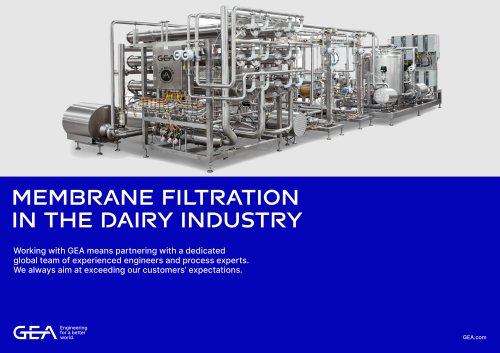
MEMBRANE FILTRATION IN THE FOOD INDUSTRY Working with GEA means partnering with a dedicated global team of experienced engineers and process experts.
Open the catalog to page 1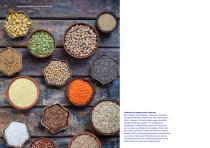
Membrane filtration in the food industry Solutions to support your business GEA designs and engineers customer-orientated membrane filtration solutions for the food industry. GEA is a leader in filtration technology providing membrane filtration plants for microfiltration, ultrafiltration, nanofiltration and reverse osmosis, and is known worldwide for its design of the most advanced cross-flow membrane filtration systems available. GEA is uniquely positioned to provide both customized membrane filtration plants as well as complete process lines, specifically tailored to the food industry to meet...
Open the catalog to page 2
Membrane filtration in the food industry Membrane technology overview 4 Process units for each application 12 GEA EasyCon Filtration Unit 14 Membrane Filtration Pilot Plants 16 Membrane replacement and process performance service 17 Smart Filtration Solutions 19
Open the catalog to page 3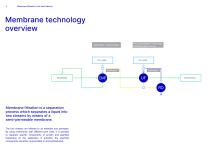
Membrane filtration in the food industry Membrane technology overview Clarification + yield increase Pre-concentration + de-ashing including water recovery Diafiltration Decalcified Membrane filtration is a separation process which separates a liquid into two streams by means of a semi‑permeable membrane. The two streams are referred to as retentate and permeate. By using membranes with different pore sizes, it is possible to separate specific components of protein and peptides Depending on the application in question, the specified components are either concentrated or removed/reduced.
Open the catalog to page 4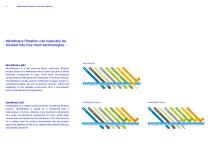
Membrane filtration in the food industry Membrane filtration can basically be divided into four main technologies. Ultrafiltration (open) Ultrafiltration (tight) Ultrafiltration (UF) Ultrafiltration is a medium pressure-driven membrane filtration process. Ultrafiltration is based on a membrane with a mediumopen structure allowing most dissolved components and some non-dissolved components to pass, while larger components are rejected by the membrane. In the food industry UF is widely used for protein concentration like soy protein, egg-white, gelatine as well as for special food additives like...
Open the catalog to page 5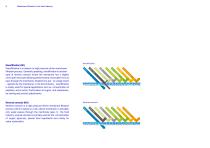
Membrane filtration in the food industry / lltts SSaa Reverse osmosis (RO) Reverse osmosis is a high pressure-driven membrane filtration process which is based on a very dense membrane. In principle, only water passes through the membrane layer. In the food industry, reverse osmosis is normally used for the concentration of sugars (glucose), special food ingredients and mainly for water reclamation. Nanofiltration (NF) Nanofiltration is a medium to high pressure-driven membrane filtration process. Generally speaking, nanofiltration is another type of reverse osmosis where the membrane has a slightly...
Open the catalog to page 6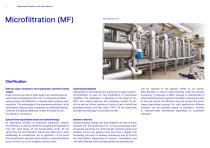
Membrane filtration in the food industry Microfiltration unit Clarification Natural sugar treatment and hydrolysed starched based sugars Sugar sources as cane or beet sugar from natural base as well as dextrose/glucose from corn or wheat are clarified using ceramic microfiltration to remove solids, proteins and impurities. The advantage of the membrane solution is a full automated closed process compared to traditional filtering methods. By adding diafiltration water the yield can be increased to a maximum. Hydrolysed peptides Depending on raw material and extraction process ceramic microfiltration...
Open the catalog to page 7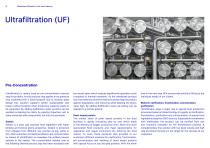
Membrane filtration in the food industry Pre-Concentration Ultrafiltration is mainly used as pre-concentration process step for proteins. As this process step applies a low pressure only combined with a small footprint due to modular plant design this solution supports better sustainability and lowers carbon footprint when production capacity needs to be expanded. By adding diafiltration water proteins can be washed increasing the clarity by passing impurities, ash or other unwanted side components out into the permeate. Gelatin Gelatin is a color and odorless food ingredient with water binding...
Open the catalog to page 8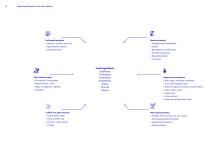
Membrane filtration in the food industry G?GJ • Nutrition, vitamins, enzymes • Special flavors (heme) • Cell-based meat Meat and poultry • Animal protein hydrolysates • Blood plasma, whole blood • Chicken hydrolysate Fish, seafood, algea • Fish protein, fish peptides • Mussel extract, surimi • Algea, carrageenan, alginate Food Ingredients Stabilizers Sugars and sweeteners • Beet sugar, cane sugar, molasses • Corn, wheat based sugars • Dextrose, glucose, fructose and derivatives • Inulin, lysine, xylose • Agave juice • Potato protein • Starch and potato wash water Coffee, tea, plant extracts •...
Open the catalog to page 9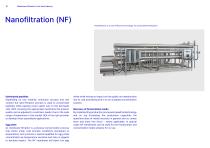
Membrane filtration in the food industry Hydrolysed peptides Depending on raw material, extraction process and ash content the nano-filtration process is used to concentrate peptides while passing mono-valent ions to the permeate side. With choosing the appropriate membrane the product quality can be adjusted to customers needs. Due to the wide range of experience in this market GEA is the right provider to develop these specialized applications. Egg white As membrane filtration is a physical concentration process that works under cold process conditions (compared to evaporation) such process...
Open the catalog to page 10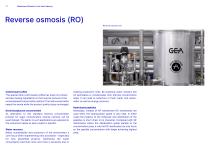
Membrane filtration in the food industry Cold brewed coffee The special drink cold brewed coffee has lower oil content and less fouling ingredients so that reverse osmosis is the recommended concentration method. The cold concentration keeps the aroma while the product quality stays unchanged. Dextrose/glucose concentration As alternative to the standard thermal concentration process for sugar concentration reverse osmosis can be used instead. The plants in such applications are adjusted to the customers needs as each project is specific. Water recovery Better sustainability and protection of...
Open the catalog to page 11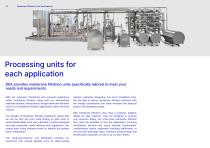
Membrane filtration in the food industry Processing units for each application GEA provides membrane filtration units specifically tailored to meet your needs and requirements. With our extensive theoretical and practical experience within membrane filtration along with our well-defined standard modules, we are able to design membrane filtration units for all membrane filtration applications within the food industry. Our breadth of membrane filtration equipment means that we can be with you from initial testing on pilot units to small standardized units and, ultimately, custom-designed full-scale...
Open the catalog to page 12All GEA Breconcherry catalogs and technical brochures
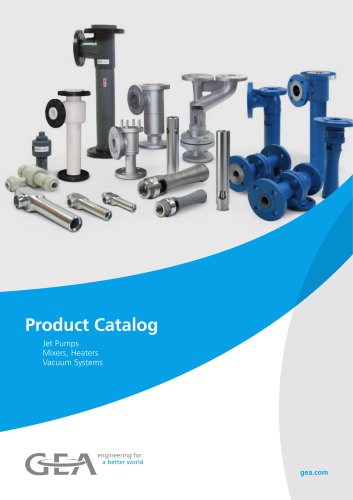 Ejector and Vacuum Systems Product
142 Pages
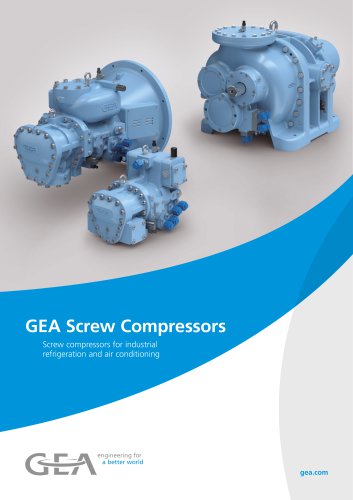 GEA Screw Compressors
12 Pages
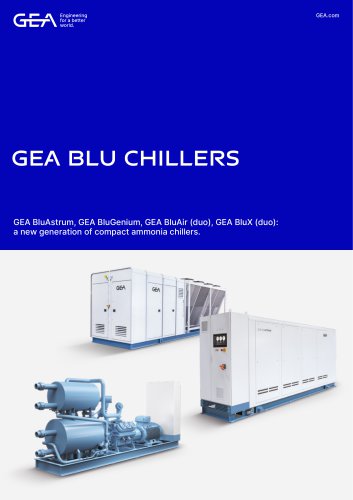 GEA BLU CHILLERS
9 Pages
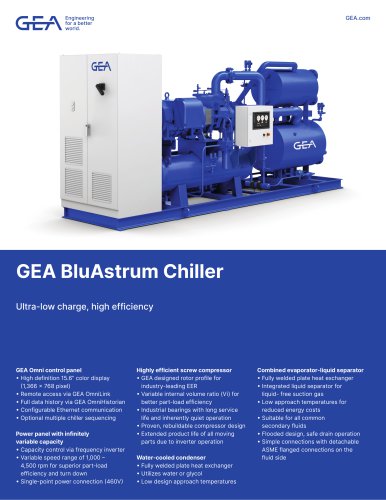 GEA BluAstrum Chiller
2 Pages
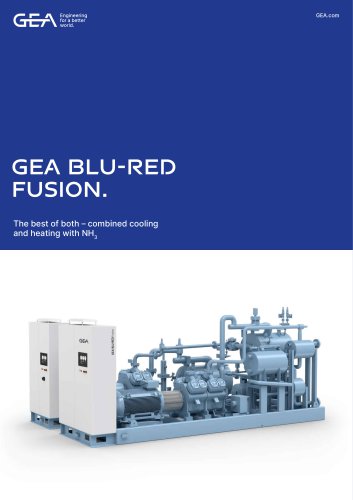 GEA BLU-RED FUSION
12 Pages
 Multiblock VHP
4 Pages
 OpenXFLO
4 Pages
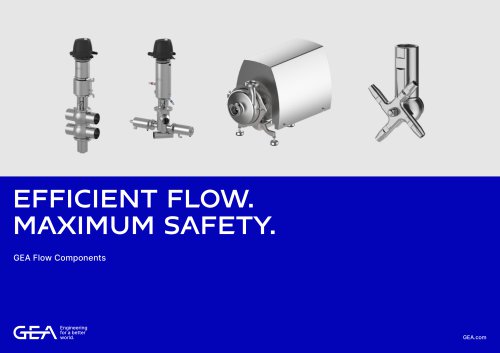 GEA Flow Components
36 Pages
 GEA CLEANING TECHNOLOGY
14 Pages
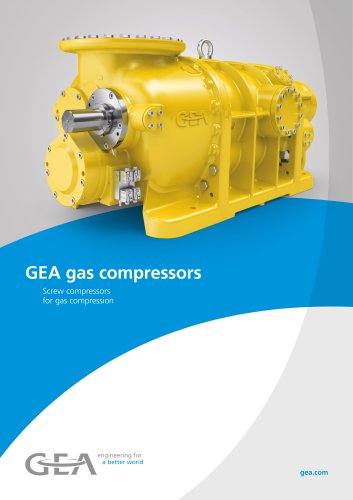 GEA gas compressors
12 Pages
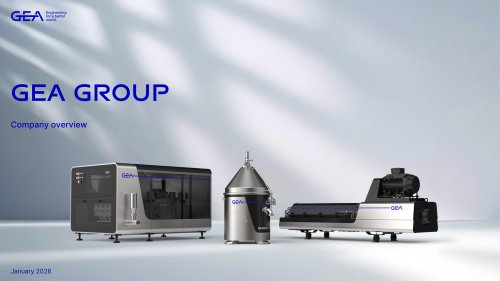 GEA company presentation
22 Pages
 GEA company brochure
20 Pages
 Cyclone leaflet
2 Pages
 Twister Leaflet
1 Page
 catalog 2013
74 Pages
 Troll Ball
2 Pages
 VARIPURE Orbital Cleaner
9 Pages
 Tornado 4
1 Page
 Turbo SSB 125
2 Pages
 Turbo SSB 75
2 Pages
 VARIPURE Rotating Cleaner
24 Pages
 Rotating Cleaner
16 Pages
 Accessories
7 Pages
 Turbo SSB 40
2 Pages
 Jumbo 6 Technical Data Sheet
2 Pages
 Tornado Technical Data Sheet
2 Pages
 Tempest Technical Data Sheet
2 Pages
 Typhoon Technical Data Sheet
2 Pages
 Sanitor Technical Data Sheet
2 Pages




- Proximity switch
- Cylindrical proximity sensor
- Mobile high-pressure cleaner
- Electric high-pressure cleaner
- PNP proximity sensor
- Hot water high-pressure cleaner
- Stainless steel high-pressure cleaner
- Capacitive proximity sensor
- Stationary high-pressure cleaner
- Clean-in-place unit
- Brewhouse System
- Compact proximity sensor
- Stainless steel Brewhouse System
- Sprayer
- Sterilization unit
- Electric sprayer
- Sterilization unit for the food industry
- Hydraulic high-pressure cleaner
- Clean-in-place unit for the pharmaceutical industry
- Water sprayer