
- Catalogs
- Emdoor Information Co., Ltd.
- EM-Q115M Rugged Tablet PC user manual


- Company
- Products
- Catalogs
- News & Trends
- Exhibitions
EM-Q115M Rugged Tablet PC user manual
EM-Q115M Rugged Tablet PC user manual
This user manual provides an overview of the EM-Q115M Android Tablet PC, including key layout, definitions, and basic operating functions.
File Version Information
The manual is identified as File No 0001, first published on 2022-8-30, with version V1.0.
Device Performance Structure
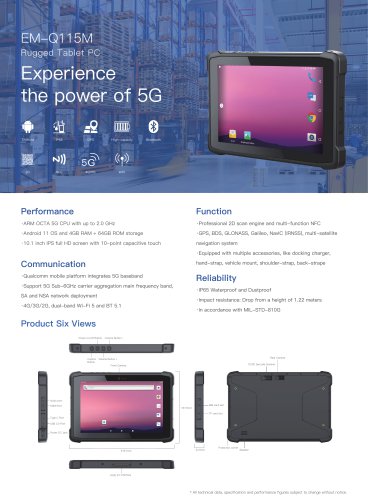
The tablet features various components including a power button, scanning button, volume controls, headphone jack, HDMI port, Type C charging port, USB3.0 interface, power input jack, pogo pin, front and rear cameras, SIM and TF card slots, barcode scanner, anti-wrestling feature, and speaker.
Desktop Layout
The desktop layout includes a menu for all applications, allowing quick access and operation of installed apps.
System Settings
- Network & Internet: Configure WLAN, mobile networks, VPN, and more.
- Connected Devices: Manage Bluetooth, NFC, and other connections.
- Apps & Notifications: View and manage applications and notifications.
- Battery: Monitor battery usage and set power-saving options.
- Display: Adjust brightness, wallpaper, and screen settings.
- Sound: Set volume levels and notification tones.
- Storage: View storage usage by applications.
- Privacy: Manage password display and notification settings.
- Location: Control GPS and location permissions.
- Security: Set screen lock modes and manage device security.
- Accounts: Add and sync accounts.
- Accessibility: Adjust display and audio settings for accessibility.
- System: Configure language, input methods, and backup options.
- About Tablet: View device information such as model, IMEI, and Android version.
APP
The manual details the use of a hard decoding scanning tool app, which includes settings for prompt tones, vibration, input modes, and barcode data management. It also covers scanning modes, data broadcasting, and brightness settings.
Conclusion
For further assistance, users are encouraged to contact customer support.
Catalog excerpts
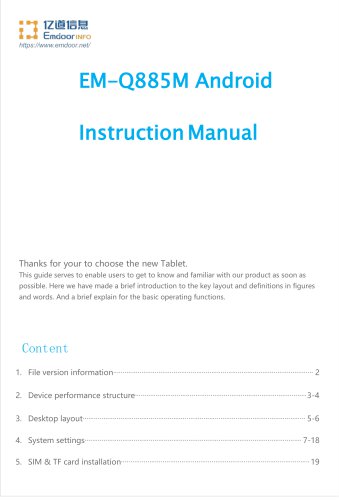
EM-Q115M Android system user manual Thanks for your to choose the new Tablet PC. This guide serves to enable users to get to know and familiar with our product as soon as possible. Here we have made a brief introduction to the key layout and definitions in figures and words. And a brief explain for the basic operating functions.
Open the catalog to page 1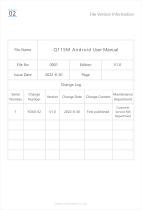
File Version Information File Name
Open the catalog to page 2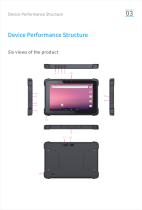
Device Performance Structure Device Performance Structure Six views of the product
Open the catalog to page 3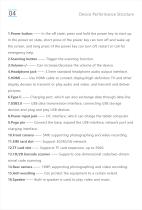
Device Performance Structure 1.Power button —— In the off state, press and hold the power key to start up. In the power on state, short press of the power key can turn off and wake up the screen, and long press of the power key can turn off, restart or call for emergency help. 2.Scanning button —— Trigger the scanning function. 3.Volume+/- —— Can increase/decrease the volume of the device. 4.Headphone jack —— 3.5mm standard headphone audio output interface. 5.HDMI —— Use HDMI cable to connect display/high-definition TV and other display devices to transmit or play audio and video, and transmit...
Open the catalog to page 4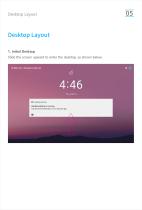
Desktop Layout Desktop Layout 1. Initial Desktop Slide the screen upward to enter the desktop, as shown below.
Open the catalog to page 5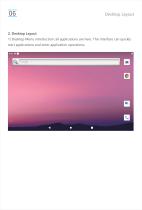
Desktop Layout 2. Desktop Layout 1) Desktop Menu introduction: all applications are here. This interface can quickly start applications and enter application operations.
Open the catalog to page 6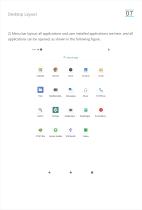
Desktop Layout 2) Menu bar layout: all applications and user installed applications are here, and all applications can be opened, as shown in the following figure.
Open the catalog to page 7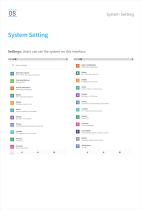
08 System Setting Settings: Users can set the system on this interface. System Setting
Open the catalog to page 8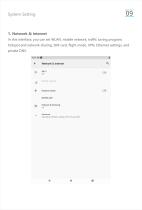
System Setting1. Network & internet In this interface, you can set WLAN, mobile network, traffic saving program, hotspot and network sharing, SIM card, flight mode, VPN, Ethernet settings, and private DNS. Mobile network Airplane mode Mobile plan Hotspot & tethering Data Saver, Ethernet setting, VPN, Private DNS
Open the catalog to page 9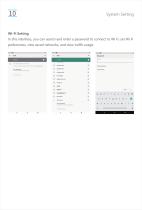
System Setting Wi-Fi Setting In this interface, you can search and enter a password to connect to Wi Fi, set Wi Fi preferences, view saved networks, and view traffic usage.
Open the catalog to page 10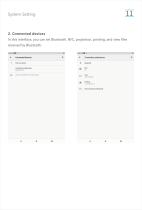
System Setting 2. Connected devices In this interface, you can set Bluetooth, NFC, projection, printing, and view files received by Bluetooth.
Open the catalog to page 11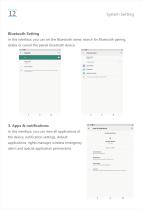
System SettingBluetooth Setting In this interface, you can set the Bluetooth name, search for Bluetooth pairing, delete or cancel the paired bluetooth device. 3. Apps & notifications In this interface, you can view all applications of the device, notification settings, default applications, rights manager, wireless emergency alarm and special application permissions. Recently opened apps Conversations No priority conversations Notification history, bubbles, recently sent Default apps Chrome. QTI Phone, and Messaging Permission manager. Wireless emergency alerts, Special app access
Open the catalog to page 12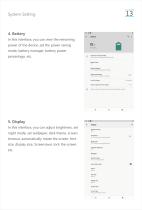
In this interface, you can view the remaining power of the device, set the power saving mode, battery manager, battery power percentage, etc. Battery Saver Battery Manager On / Detecting when apps drain battery Show battery percentage in status bar Last full charge Screen usage since full charge Q Battery usage data is approximate and can change based on usage 5. Display In this interface, you can adjust brightness, set night mode, set wallpaper, dark theme, screen timeout, automatically rotate the screen, font size, display size, Screensaver, lock the screen, etc. Brightness level Dark theme...
Open the catalog to page 13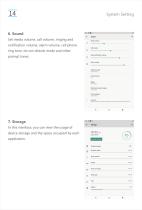
System Setting 6. Sound Set media volume, call volume, ringing and notification volume, alarm volume, cell phone ring tone, do not disturb mode and other prompt tones. Media volume Call volume Ring & notification volume Never vibrate Show player Shortcut to prevent ringing Phone ringtone Flutey Phone 7. Storage In this interface, you can view the usage of device storage and the space occupied by each application.
Open the catalog to page 14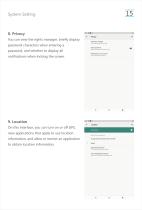
8. Privacy You can view the rights manager, briefly display password characters when entering a password, and whether to display all notifications when locking the screen. Permission manager Control app access to your data Show passwords Display characters briefly as you type Notifications on lock screen Show all notification content 9. Location On this interface, you can turn on or off GPS, view applications that apply to use location information, and allow or restrict an application to obtain location information.
Open the catalog to page 15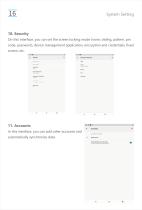
System Setting 10. Security On this interface, you can set the screen locking mode (none, sliding, pattern, pin code, password), device management application, encryption and credentials, fixed screen, etc. 11. Accounts In this interface, you can add other accounts and automatically synchronize data.
Open the catalog to page 16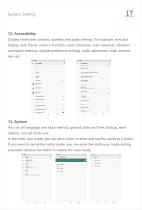
System Setting 12. Accessibility Display, interactive controls, subtitles and audio settings. For example: font and display, dark theme, zoom in function, color correction, color inversion, vibration and tactile intensity, subtitle preference settings, audio adjustment, high contrast text, etc. 13. System You can set language and input method, gesture, date and time, backup, reset options, and set multi-user. In the multi-user mode, you can set a visitor to enter and use the tablet as a visitor. If you want to cancel the visitor mode, you can enter the multi-user mode setting and select remove...
Open the catalog to page 17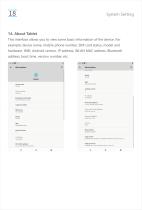
System Setting 14. About Tablet This interface allows you to view some basic information of the device. For example: device name, mobile phone number, SIM card status, model and hardware, IMEI, Android version, IP address, WLAN MAC address, Bluetooth address, boot time, version number, etc.
Open the catalog to page 18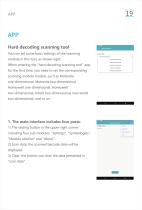
You can set some basic settings of the scanning module in this tool, as shown right. When entering the "hard decoding scanning tool" app for the first time, you need to set the corresponding scanning module models, such as Motorola one-dimensional, Motorola two-dimensional, Honeywell one-dimensional, Honeywell two-dimensional, totem two-dimensional, new world two-dimensional, and so on. 1. The main interface includes four parts: 1) The setting button in the upper right corner: including four sub modules: "Settings", "Symbologies", "Module seletion" and "About". 2) Scan data: the scanned barcode...
Open the catalog to page 19All Emdoor Information Co., Ltd. catalogs and technical brochures
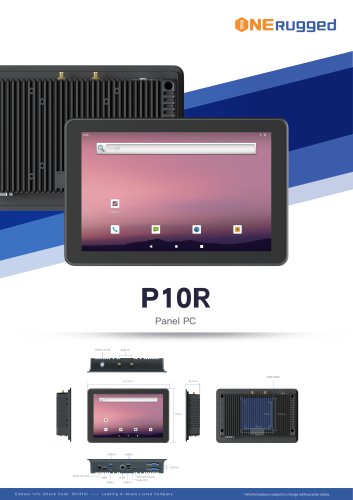 EM-P10R Specification
3 Pages
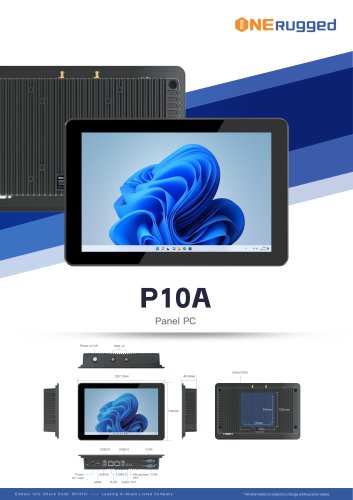 EM-P10A Specification
3 Pages
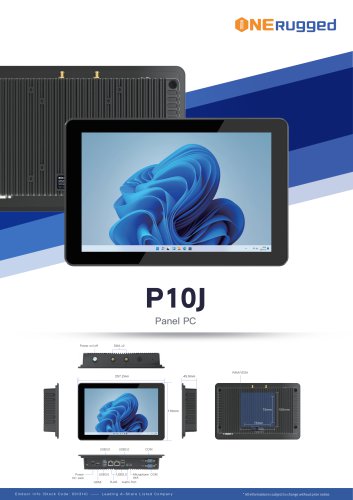 EM-P10J Specification
3 Pages
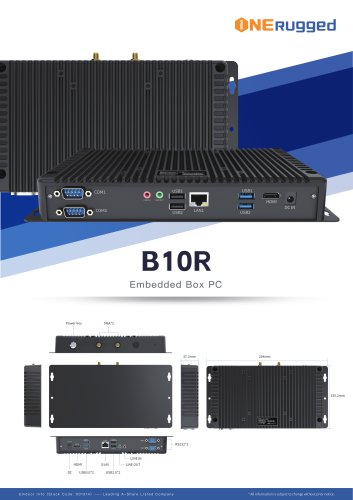 EM-B10R Specification
3 Pages
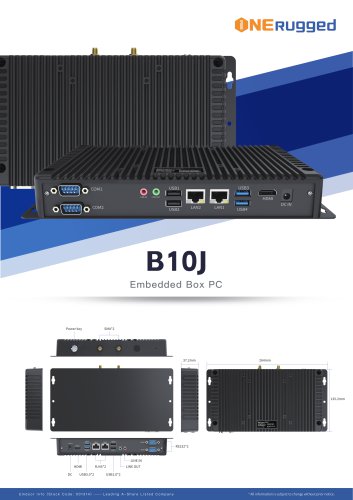 EM-B10J Specification
3 Pages
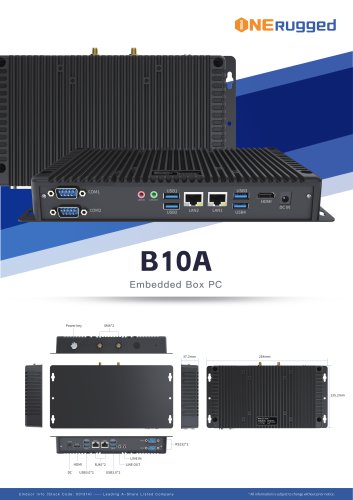 EM-B10A Specification
3 Pages
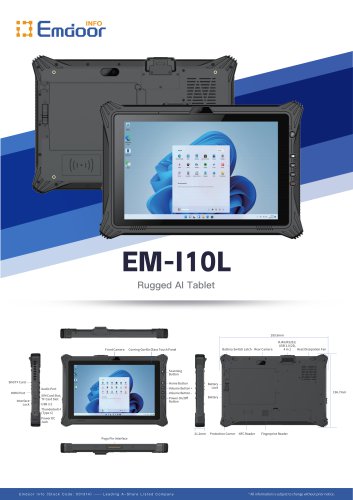 EM-I10L Specification
3 Pages
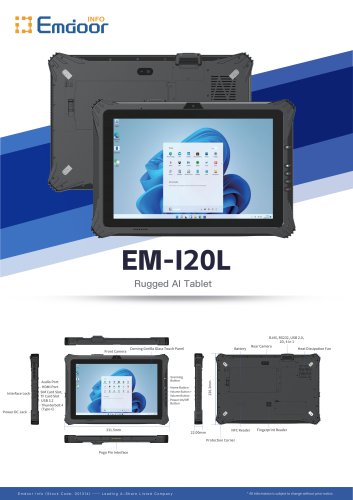 EM-I20L Specification
3 Pages
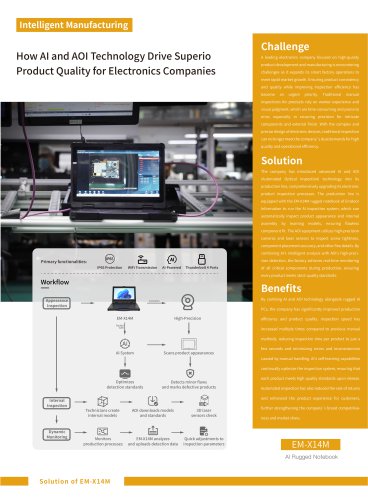
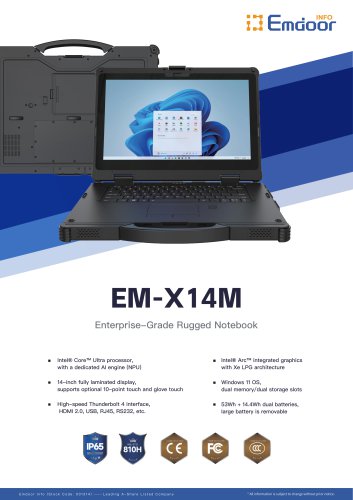 EM-X14M Specification
2 Pages
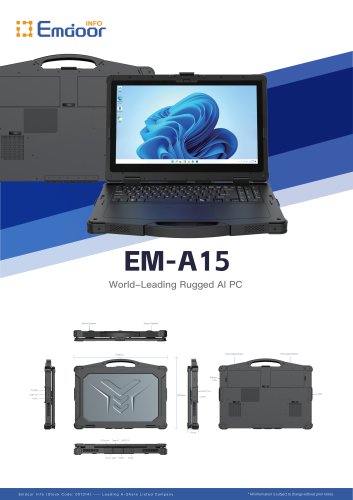 EM-A15 Specification
3 Pages
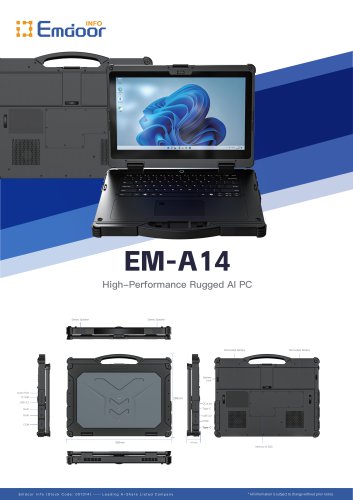 EM-A14 Specification
3 Pages
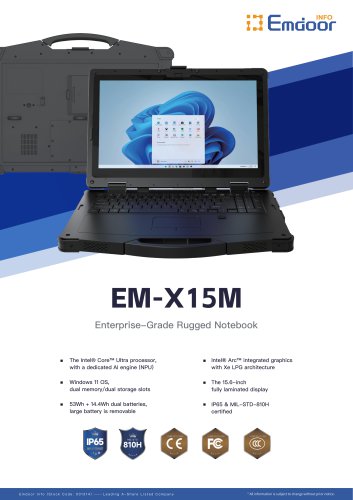 EM-X15M Specification
2 Pages
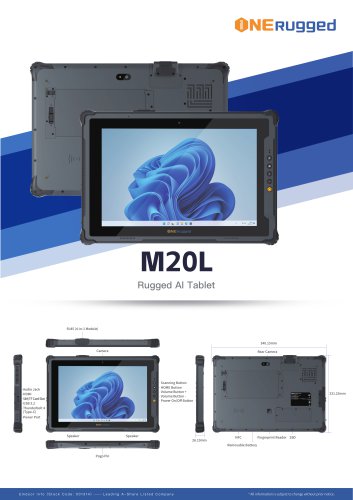 M20L-specification
3 Pages
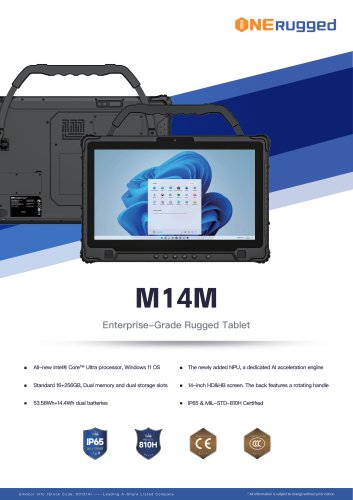 M14M-specification
2 Pages
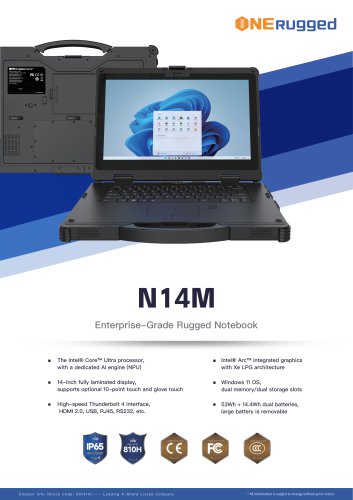 N14M-specification
2 Pages
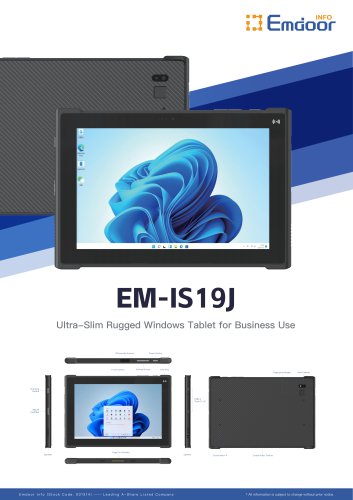 EM-IS19J specification
3 Pages
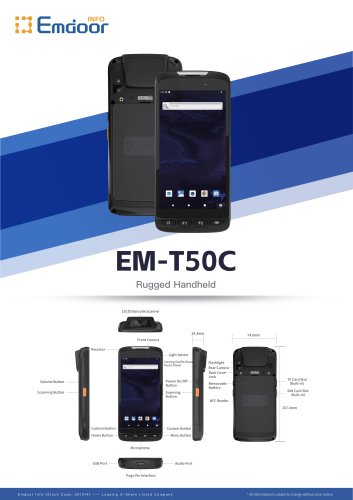 EM-T50C
3 Pages
 EM-D10R successful case
3 Pages
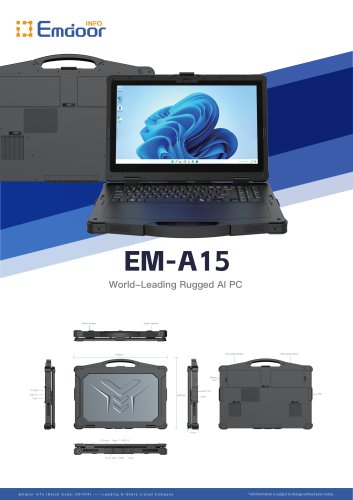 EM-A15
3 Pages
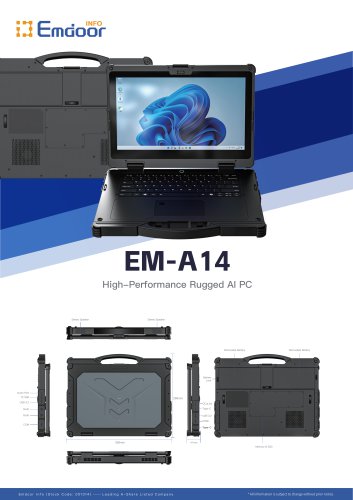 EM-A14
3 Pages
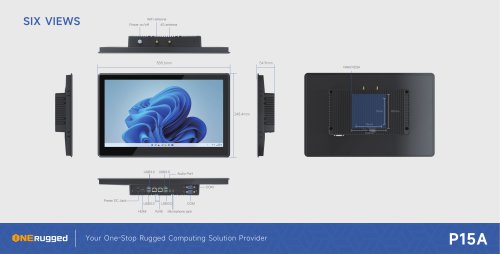 EM-P15A six views
1 Page
 EM-V12R USER MANUAL
2 Pages
 EM-P15A USER
2 Pages
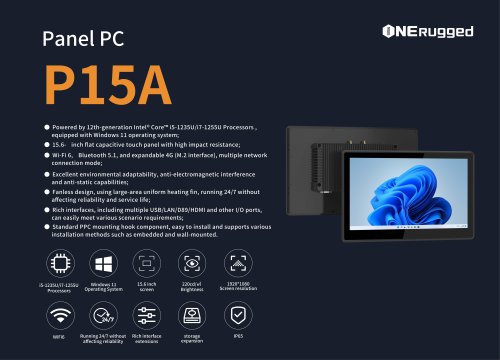 EM-P15A SPE
2 Pages
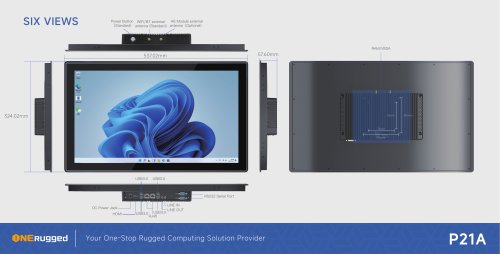 EM-P21A six views
1 Page
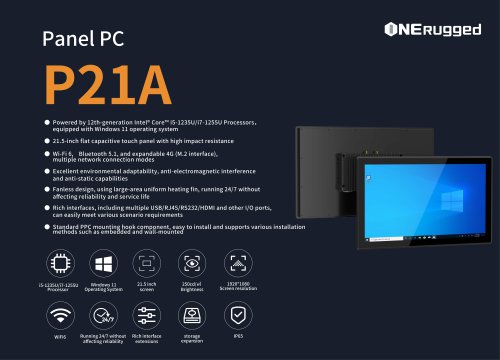 EM-P21A SPE
2 Pages
 EM-P21A user
2 Pages
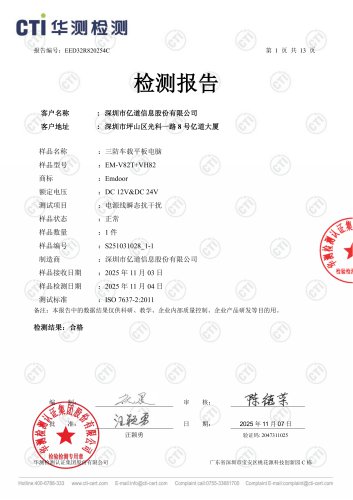 EM-V82T-EMC
13 Pages
 EM-V82T spe
4 Pages
 P2 PRO
2 Pages
 P2 PRO-SPE
2 Pages
 M82A- USER MANUAL
60 Pages
 M82A-spe
2 Pages
 EM-X15A User Manual
76 Pages
 EM-X15M Rugged AI PC uesr manual
76 Pages
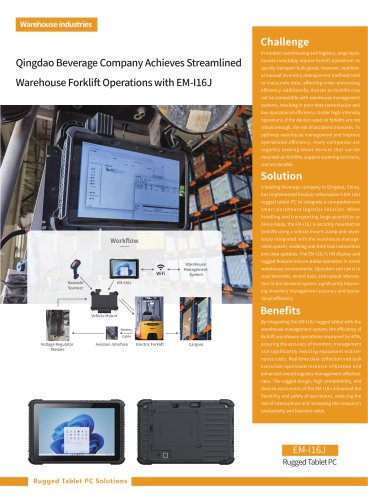
 Emdoor Info. EM-I16J User Manual
57 Pages
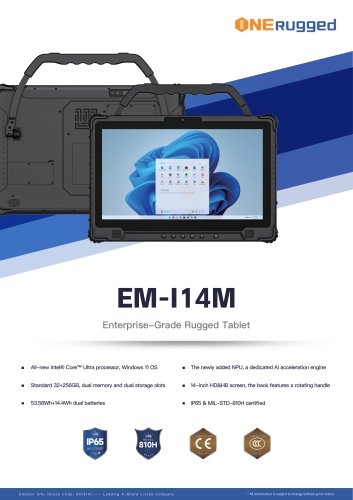 EM-I14M 14Inch Rugged AI PC
2 Pages
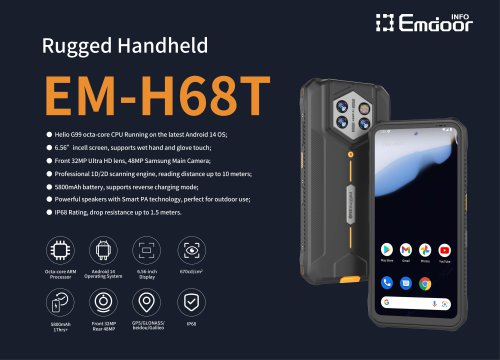
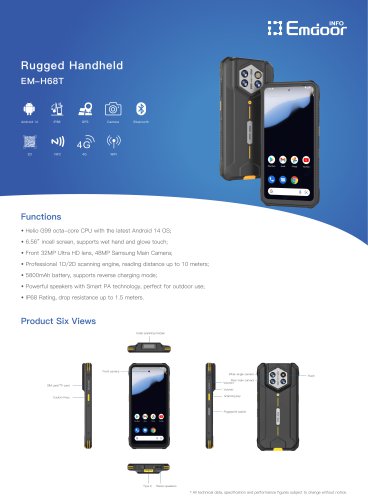 EM-H68T: Android 14 rugged PDA
2 Pages
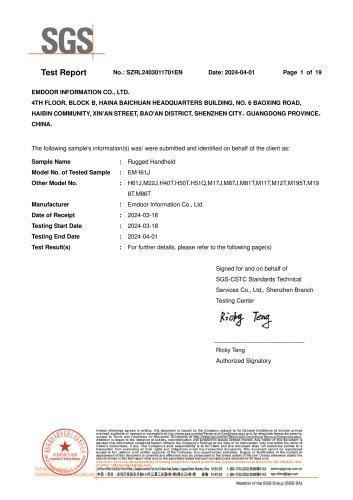 EM -I61J Rugged Handheld
19 Pages
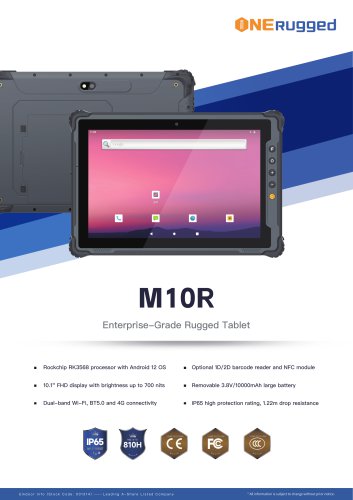 M10R Rugged Tablet RK3588
2 Pages
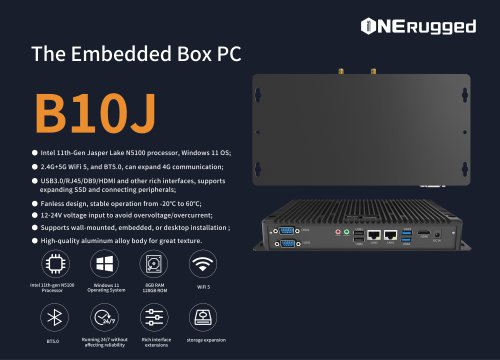 EM-B10J embedded box PC
3 Pages
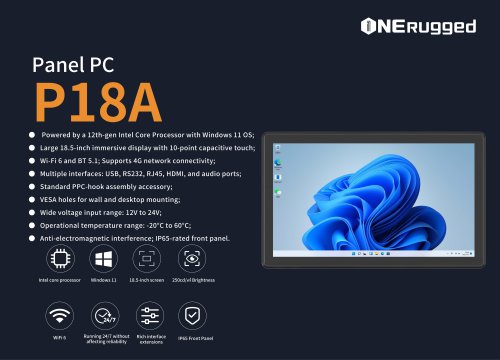
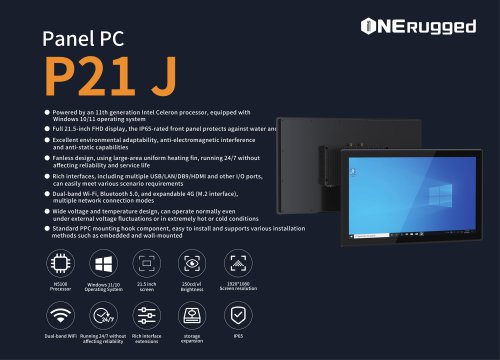
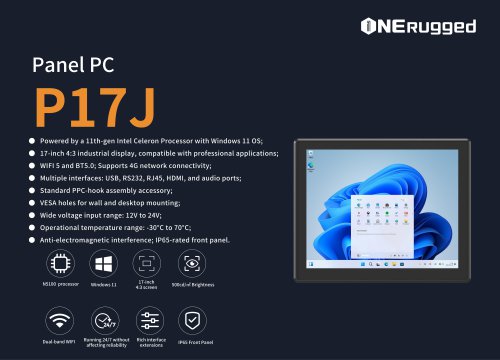 EM-P17J Panel PC
3 Pages
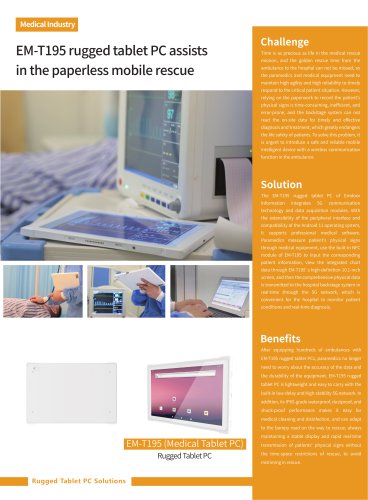
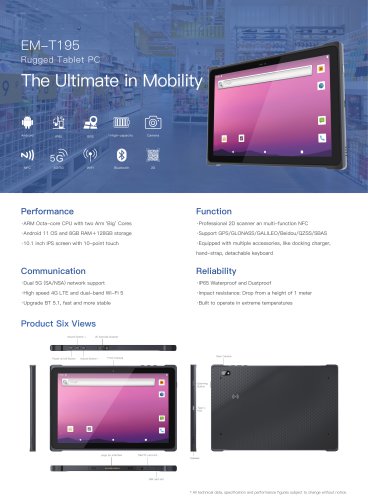 EM-T195 5G Rugged Tablet
2 Pages
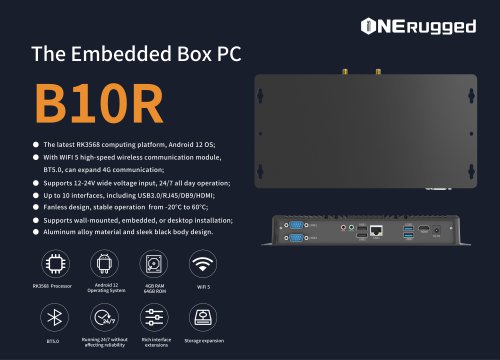
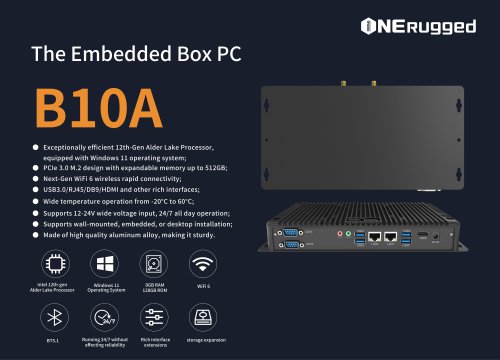 The Embedded Box PC-B10A
3 Pages
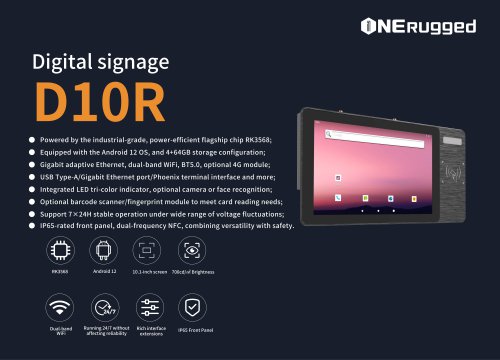 EM-D10R Digital signage
3 Pages
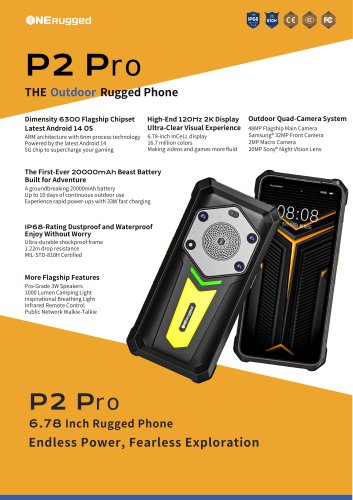
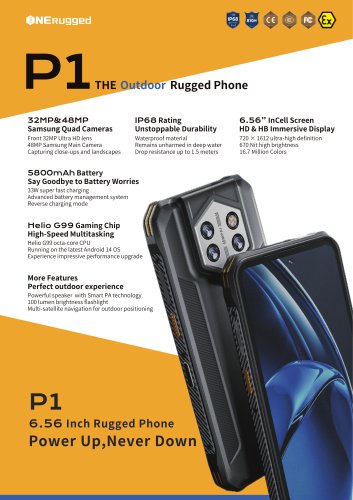 EM-P1The Outdoor Rugged Phone
2 Pages
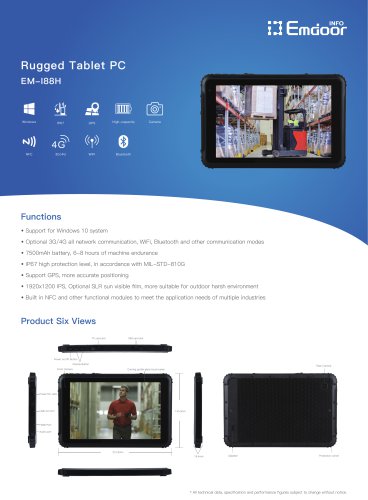
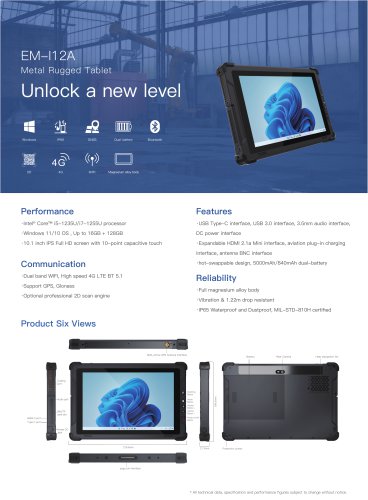
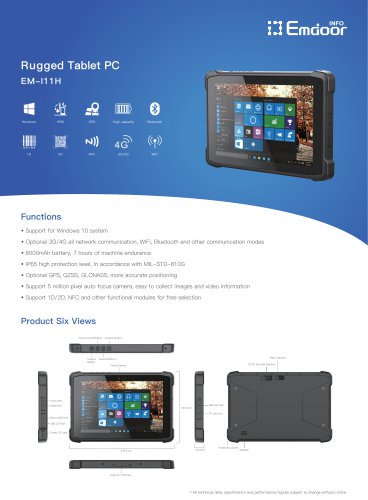 EM-I11H Rugged Tablet PC
2 Pages
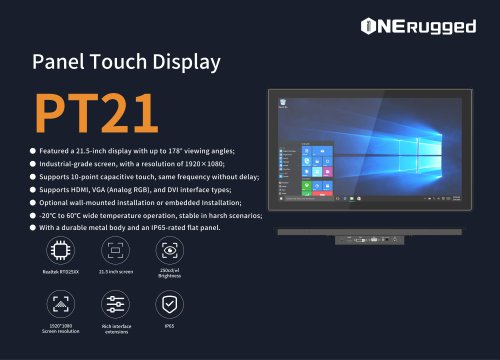 EM-PT21 Panel Touch Display
3 Pages
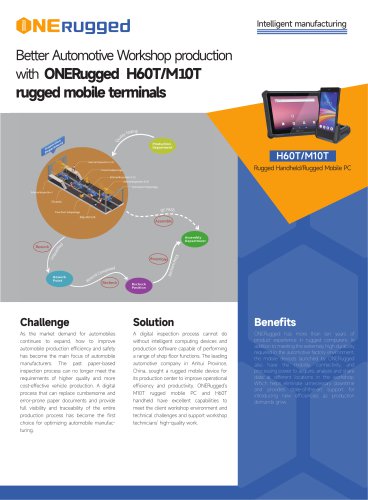
 Rugged Handheld H60T
2 Pages
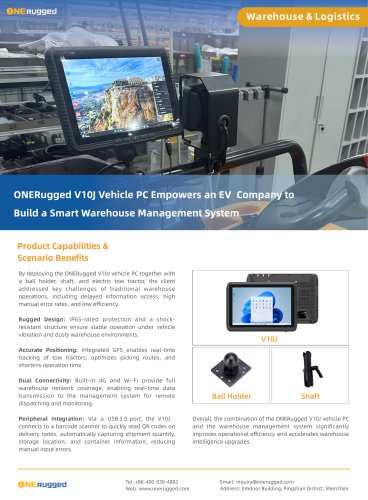



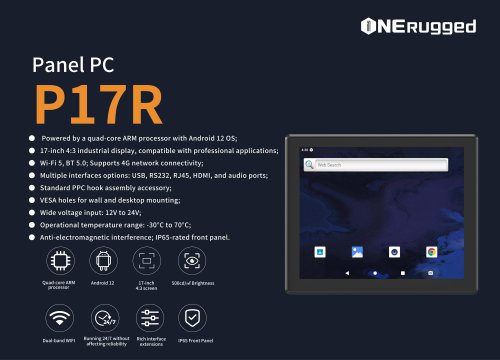
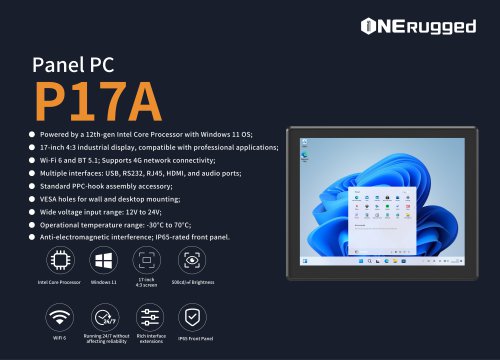


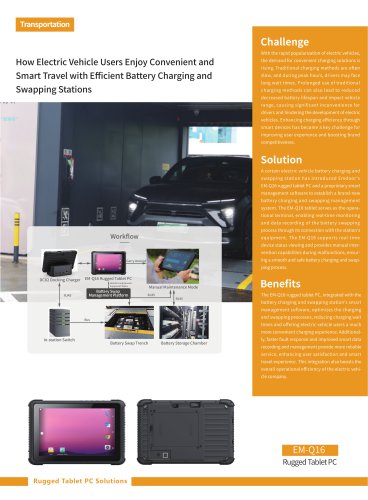
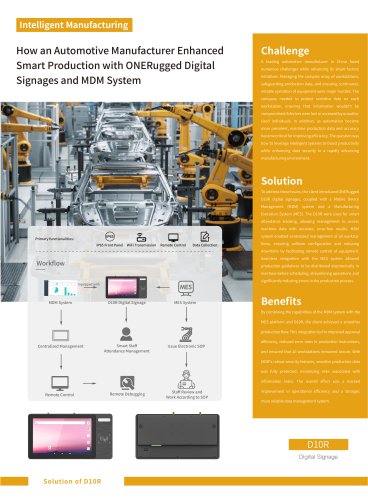

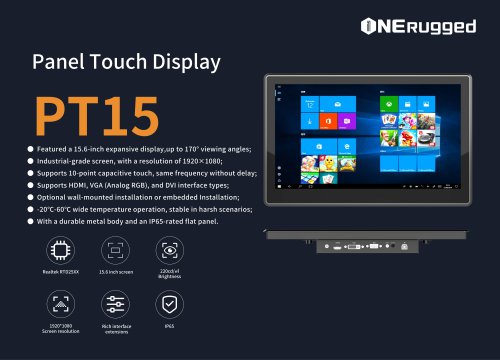
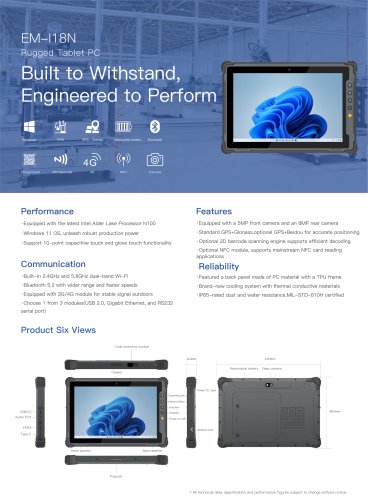
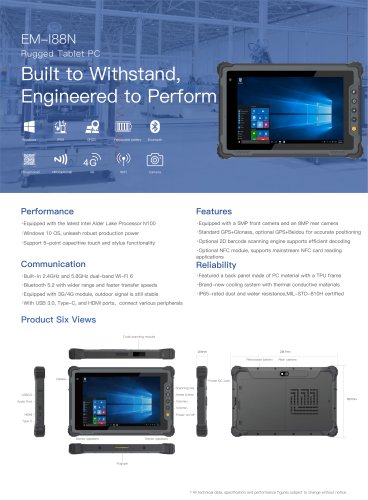
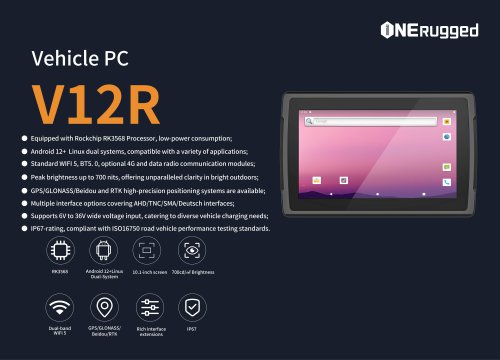






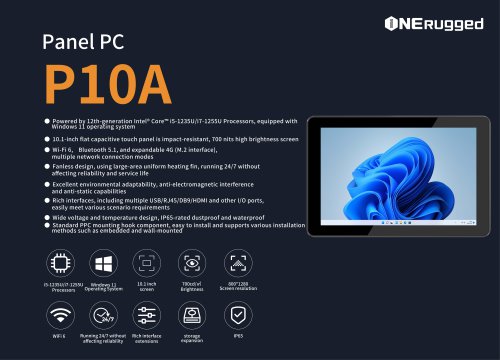
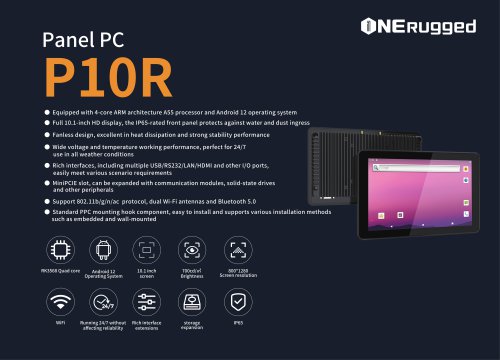

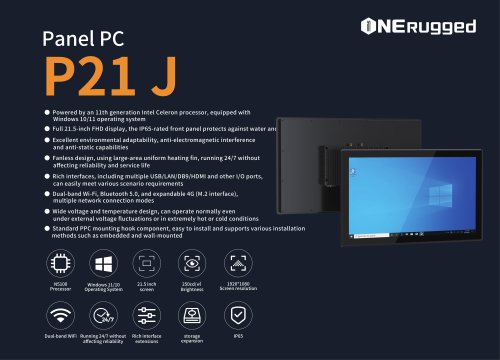
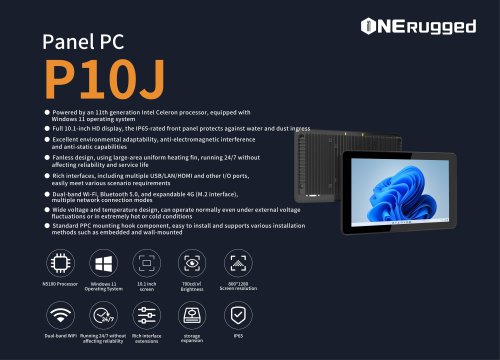
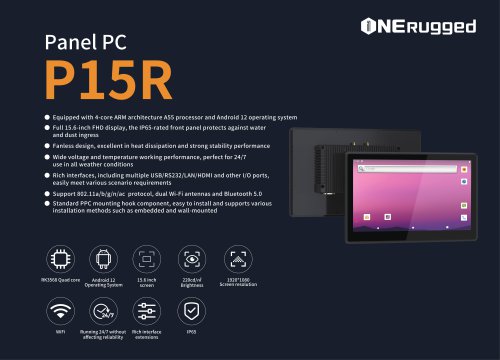
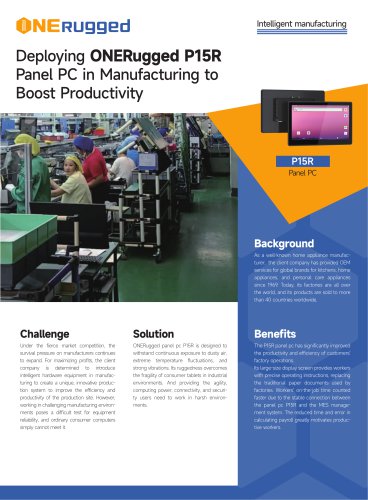
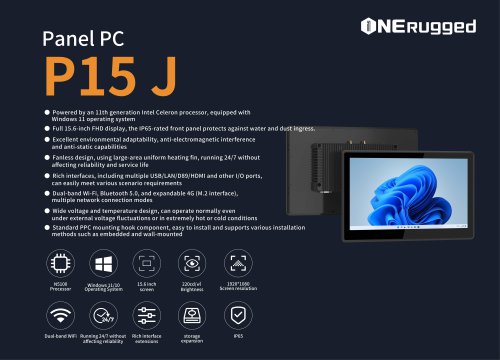
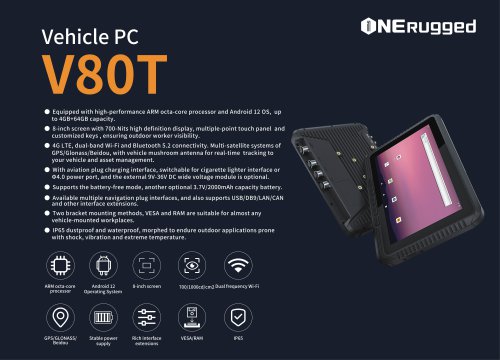






































- Emdoor panel PC
- Emdoor industrial panel PC
- Emdoor panel PC with touch screen
- Emdoor fanless panel PC
- LCD display panel
- Emdoor LCD panel PC
- Industrial display panel
- Intel® Core™ PC
- Emdoor IP65 panel PC
- Fanless PC
- VESA mounting panel PC
- Intel® Core™ panel PC
- Housed panel PC
- HDMI PC
- Embedded PC
- Box PC
- RS-232 PC
- USB 2.0 PC
- Windows PC