- Catalogs
- Coilhose Pneumatics
- Air Tool Lubricant Wintergr ade Safety Data Sheet

Air Tool Lubricant Wintergr ade Safety Data Sheet

Air Tool Lubricant Wintergr ade Safety Data Sheet
Catalog excerpts
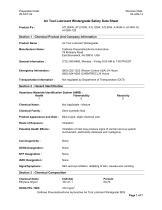
Air Tool Lubricant Wintergrade Safety Data Sheet ATL004W, ATL016W, ATL128W, ATL55W, A145W-4, A145W-16, A145W-128 Section 1 : Chemical Product And Company Information Product Name : Air Tool Lubricant Wintergrade Manufacturer Name : Coilhose Pneumatics/Acme Automotive 19 Kimberly Road East Brunswick, NJ 08816 USA General Information : Emergency Information : (800) 222-1222 (Poison Control USA) 24 Hours (800) 424-9300 (CHEMTREC) 24 Hours Transportation Information : Not regulated by Department of Transportation (DOT) Section 2 : Hazard Identification Hazardous Materials Identification System (HMIS) : Health Flammability 1 0 Chemical Name : Chemical Family : Semi-synthetic fluid Product Appearance and Odor : Blue Liquid, slight chemical odor Potential Health Effects : Inhalation of mist may produce signs of central nervous system involvement, particularly dizziness and nystagmus OSHA Designation : IARC Designation : Skin and eye irritation, defatting of skin, nausea and vomiting. Section 3 : Chemical Composition Chemical Name Ethylene Glycol Coilhose Pneumatics/Acme Automotive Air Tool Lubricant Wintegrade SDS Page 1 of 7
Open the catalog to page 1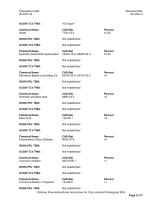
Chemical Name Water Chemical Name Synthetic Sulfonated Hydrocarbon Chemical Name Petroleum Based Lubricating Oil Chemical Name Synthetic alkylated aryls Chemical Name Oleic Acid Chemical Name Polyethylene Glycol Dioleate Chemical Name Corrosion Inhibitor Coilhose Pneumatics/Acme Automotive Air Tool Lubricant Wintegrade SDS Page 2 of 7
Open the catalog to page 2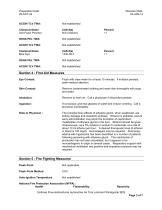
Chemical Name Anti-Foam Polymer Chemical Name Blue Dye Section 4 : First Aid Measures Eye Contact: Flush with clear water for at least 15 minutes. If irritation persists, seek medical attention. Skin Contact: Remove contaminated clothing and wash skin thoroughly with soap and water. Remove to fresh air. Call a physiciam if discomfort persists If conscious, give two glasses of water and induce vomiting. Call a physician immediately. The principal toxic effects of ethylene glycol, when swallowed, are kidney damage and metabolic acidosis. Ethanol is antidotal, and its early administration may block...
Open the catalog to page 3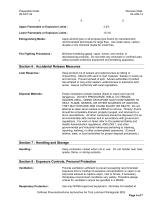
Upper Flammable or Explosive Limits : Lower Flammable or Explosive Limits : Extinguishing Media : Apply alcohol type or all-purpose type foams by manufacturers' recommended techniques for large fires. Use water spray, carbon dioxide or dry chemical media for small fires. Fire Fighting Procedures : Minimize breathing gases, vapor, fumes, and smoke, or decomposing products. Do not enter any enclosed or confined area without proper protective equipment and breathing apparatus. Section 6 : Accidental Release Measures Leak Response : Keep product out of sewers and watercourses by diking or impounding....
Open the catalog to page 4
Revision Date: 24-JAN-14 ambient temperatures. Use supplied air respiratory protection in confined or enclosed spaces, if needed. Use filter, dust, fume, or vapor respirator type under misting conditions. Use can or cartridge, gas or vapor respirator type under conditions exceeding TWA standard. Protective Gloves : Use chemical-resistant gloves, if needed, to avoid prolonged or repeated skin contact. Use splash goggles or face shield when eye contact may occur due to splashing or spraying of material. Other Protective Equipment : Use chemical-resistant apron or other impervious clothing, if needed,...
Open the catalog to page 5
Specific Gravity (25 °C/25 °C) (Water = 1) : Section 10 : Stability and Reactivity Chemical Stability : Open flames Incompatibilities with Other Materials : Strong oxidizers, concentrated oxygen, sodium or calcium hypochlorite for explosion hazard Hazardous Polymerization : Hazardous Decomposition Products : (Under fire conditions) Smoke, fumes, carbon monoxide, and other decomposition products in case of incomplete combustion. Section 11 : Toxicological Information Oral (Acute) : Dermal (Acute) : Inhalation (Acute) : Medical Conditions Aggravated by Exposure : Toxicological Paragraph : This...
Open the catalog to page 6
Preparation Date: 29-OCT-04 Ecological Paragraph : Revision Date: 24-JAN-14 Not established Section 13 : Disposal Considerations Waste Disposal : Consult federal, state, or local authorities for proper disposal procedures. Assure conformity with applicable disposal regulations. Dispose of absorbed material at an approved waste site or facility. Section 14 : Transportation Information Transportation Information : Not regulated by Department of Transportation (DOT) Section 15 : Regulatory Information SARA : This product contains the following reportable ingredients: Chemical Name Ethylene Glycol...
Open the catalog to page 7All Coilhose Pneumatics catalogs and technical brochures
 WATER HOSE
1 Page
 COILHOSE PRODUCTS
2 Pages
 Coilhose Pneumatics Global
24 Pages
 Radiator Cleaning Kit
1 Page
 Typhoon Blow Gun
1 Page
 Coilhose 29 Series FRL Catalog
16 Pages
 Flexeel Max
1 Page
 Flexeel
1 Page
 Flexeel Curly Pigtail
1 Page
 Couplers & Connectors
2 Pages
 COILED HOSE
2 Pages
 CEG-1 Blow Gun
1 Page
 Cannon High Volume Blow Gun
2 Pages
 Blow Guns
2 Pages
 Air Tool Lubricant
1 Page
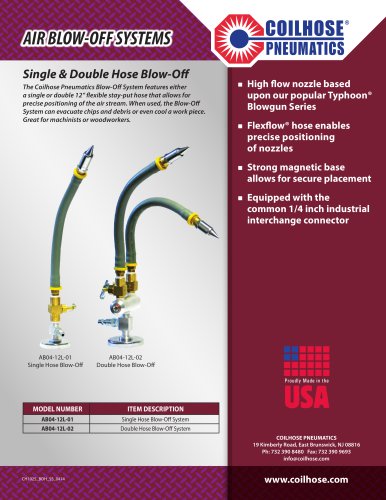 Air Blow-Off Systems
1 Page
 5 in 1 Display
1 Page
 5 in 1 Coupler
2 Pages
 Rubber hose
1 Page
 MAster Catalogue
94 Pages
 PE tube
1 Page
 770 series
1 Page
 600 series
1 Page
 Coilhose Cannon
1 Page
 Slide Valves
1 Page
 Blow Guns & Tips
1 Page
 Ball Swivel Fittings
1 Page
 Straight Hose
2 Pages