
- Catalogs
- BENDER GmbH & Co KG
- Data Centers


- Company
- Products
- Catalogs
- News & Trends
- Exhibitions
Data Centers
Data Centers
Catalog excerpts
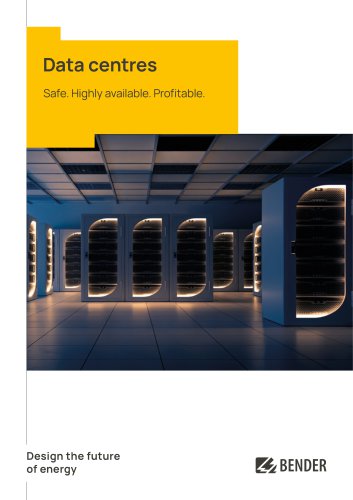
Data centres Safe. Highly available. Profitable. Design the future of energy
Open the catalog to page 1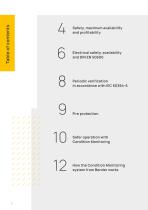
Safety, maximum availability and profitability Electrical safety, availability and DIN EN 50600 Periodic verification in accordance with IEC 60364-6 Fire protection Safer operation with Condition Monitoring How the Condition Monitoring system from Bender works
Open the catalog to page 2
Intelligent planning for small and large data centres
Open the catalog to page 3
Safety, maximum availability and profitability Protect data Data protection is one of the most important requirements for data centres. Great efforts are therefore being made to ensure that servers are not compromised. But when it comes to protecting data, it is not enough to focus solely on the IT infrastructure. Many other aspects have to be considered. Above all, a reliable power supply is important. To be prepared for power failures, data centres have an alternative power supply (e. g. diesel generators). This should guarantee uninterrupted operation of servers and other important components....
Open the catalog to page 4
Prevent failures Ensure safe operation Data centres are highly complex systems. They consist of the IT components and other electrically operated system parts that ensure that the IT components can run smoothly. These include the cooling system as well as the power supply with all the components required to provide electricity. If even just one of the components fails, other parts of the system or even the entire data centre can fail, which is associated with considerable costs and possibly also data loss. Fewer and fewer staff are required to monitor and maintain the highly complex operation...
Open the catalog to page 5
Electrical safety, availability and DIN EN 50600 The DIN EN 50600 or ISO / IEC TS 22237 standard (often referred to as the data centre standard) specifies how a data centre must be structured in order to ensure safe and efficient operation. It specifies requirements for the building construction, power supply, air conditioning, cabling and safety systems and describes requirements for operation. DIN EN 50600 distinguishes between four availability classes for data centres. Depending on the availability class, different measures must be taken to maintain operations.
Open the catalog to page 6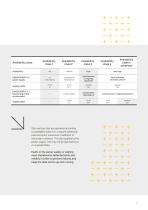
Data centres that are operated according to availability class 3 or 4 require additional precautionary measures in addition to redundant systems. This also applies to the power supply. This may not be spontaneous or unpredictable. Faults in the power supply or cabling must therefore be detected early and reliably in order to prevent failures and keep the data centre up and running.
Open the catalog to page 7
Periodic verification in accordance with IEC 60364-6 No electrical system runs permanently without faults. Faulty electrical devices or installations constitute a danger to human beings. To prevent accidents due to electric shock, electrical installations shall be checked regularly, and detected defects shall be corrected immediately. If there is an imminent danger that cannot be eliminated, operators shall ensure that the respective electrical installation or equipment will not be used in its defective condition. The timelines for the periodic verification of the electrical installations shall...
Open the catalog to page 8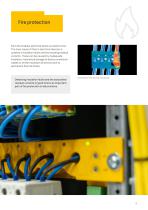
Fire protection Even the smallest electrical faults can lead to fires. The main cause of fires in electrical devices or systems is insulation faults and the resulting residual currents. These can be caused by inadequate insulation, mechanical damage to device connection cables or brittle insulation of devices due to permanent thermal stress. Detecting insulation faults and the associated residual currents in good time is an important part of fire protection in data centres. Overload of the neutral conductor
Open the catalog to page 9
Continuous monitoring of the entire electrical system (server, air conditioning, infrastructure), including power supply and cabling, is essential in order to meet the requirements for safe operation. If data centres are to be operated in accordance with availability class 3 or 4, measures must also be taken to prevent interruptions to operations due to maintenance or faults. The use of a Condition Monitoring System with residual current monitoring is recommended here. This system continuously monitors the condition of the entire electrical system and detects faults quickly and reliably before...
Open the catalog to page 10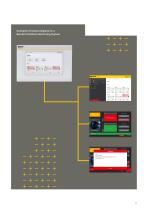
Examples of status displays for a Bender Condition Monitoring System aktive Alarme Externe Akustik aus Fehler Differenzstrom Fehlerspeicher reset aktive Alarme Externe Akustik aus OK Fehlerspeicher reset aktive Alarme Fehler Differenzstrom Fehlerspeicher reset ! Stromkreis DC 2F13 DC Differenzstrom 50,4 mA Stromkreis DC 2F13 aktive Alarme Externe Akustik aus Fehlerspeicher reset Quittung Ok
Open the catalog to page 11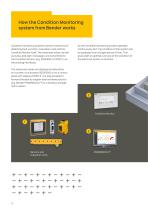
Condition Monitoring systems consist of sensors for detecting fault currents, evaluation units and the Condition Monitor itself. The measured values, as well as status and alarm messages, are transmitted to the Condition Monitor (e.g. EDGE500 or CP907-I) via the existing interfaces. As the Condition Monitoring system operates continuously 24/7, the condition of the system can be assessed over a longer period of time. This gives staff an optimal overview of the condition of the electrical system at all times. The measured values are displayed locally either on a screen via a browser (EDGE500)...
Open the catalog to page 12
Intelligent planning for small and large data centres The larger a data centre is, the larger and more complex the entire electrical system is. The more parts of the system that are monitored, the better the overview of energy consumption and system statuses and the more precisely any faults that occur can be quickly localised and rectified. When planning a data centre, it is important to consider how detailed a monitoring system should be designed in order to meet the operational and normative requirements, in particular those from DIN EN 50600 or ISO/IEC TS 22237 and their availability classes...
Open the catalog to page 14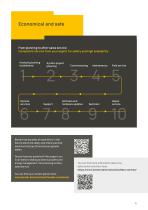
From planning to after-sales service Competent service from your expert for safety and high availability Analysing building installations Remote services System project planning Software and hardware updates Field service Repair service Bender has decades of experience in the field of electrical safety and offers practical solutions that pay off and ensure greater safety. Do you have any questions? We support you in all matters relating to electrical safety and energy management, from planning to aftersales service. You can find more information about our data centre solutions here: https://www.bender.de/en/solutions/data-centres/...
Open the catalog to page 15All BENDER GmbH & Co KG catalogs and technical brochures
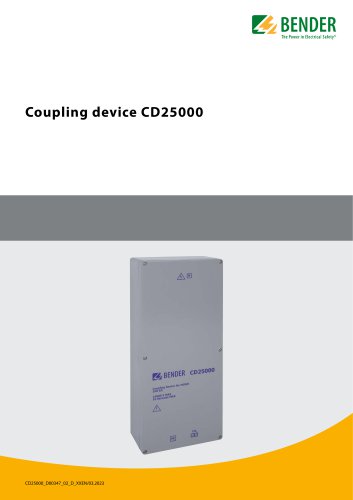 CD25000
4 Pages
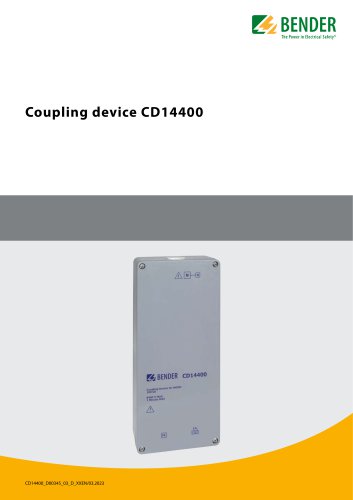 CD14400
4 Pages
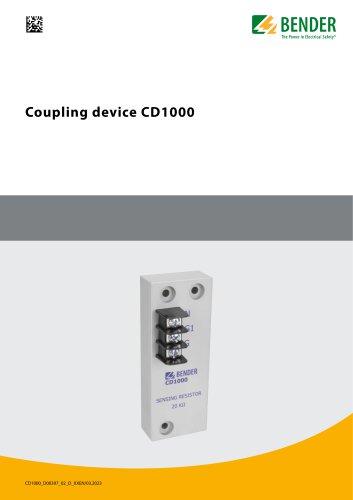 CD1000
4 Pages
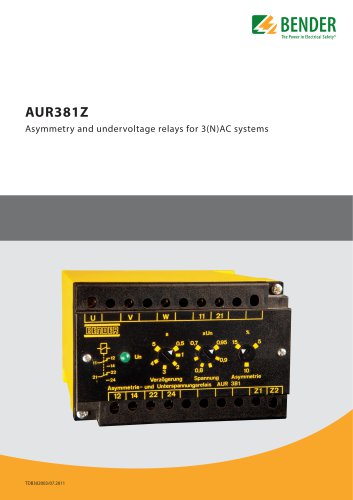 AUR381Z
4 Pages
 AN110
AN1104 Pages
 AGH575S-6
4 Pages
 CD1000-2
4 Pages
 MRCDB300 series
12 Pages
 COMTRAXX® COM465IP/COM465DP
10 Pages
 ISOMETER® iso1685DP
10 Pages
 LINETRAXX® VMD420
6 Pages
 LINETRAXX® VMD423/VMD423H
6 Pages
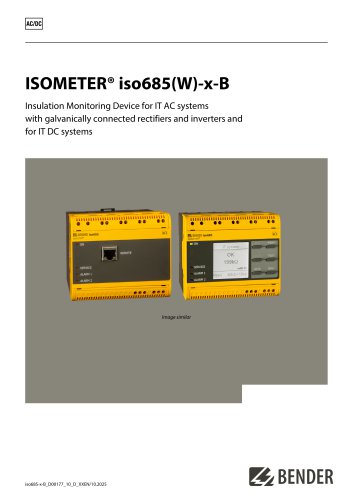 ISOMETER® iso685(W)-x-B
12 Pages
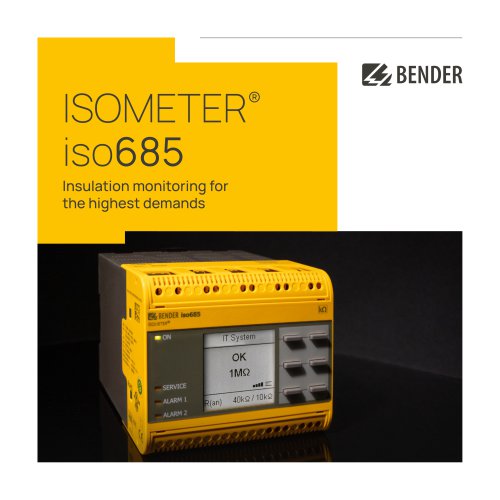 ISOMETER® iso685
12 Pages
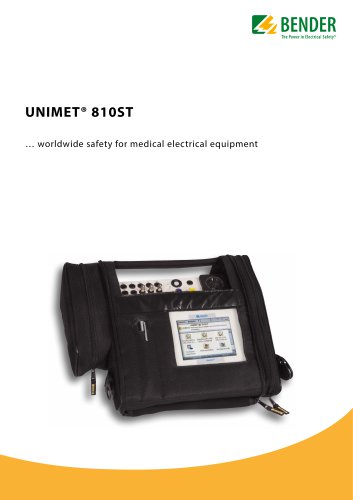 UNIMET® 810ST
4 Pages
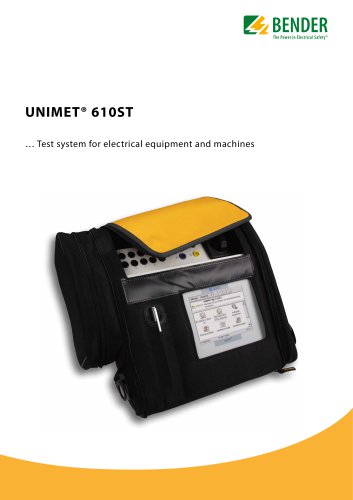 UNIMET® 610ST
4 Pages
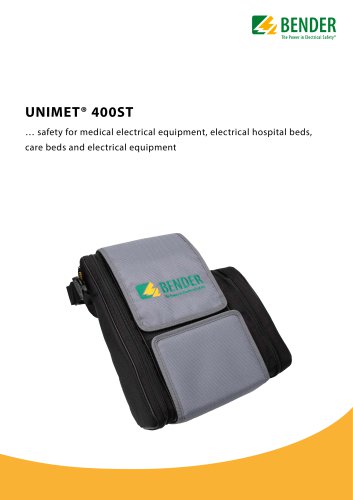 UNIMET® 400ST
4 Pages
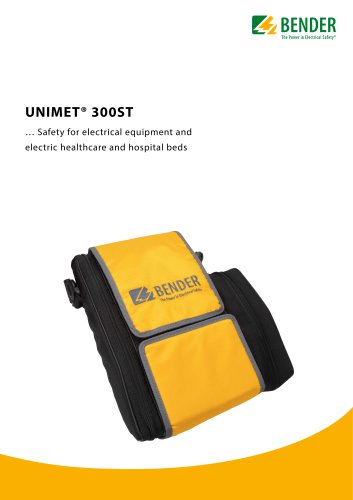 UNIMET® 300ST
4 Pages
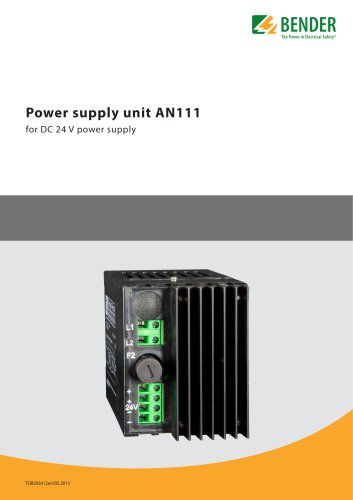 AN111
AN1114 Pages
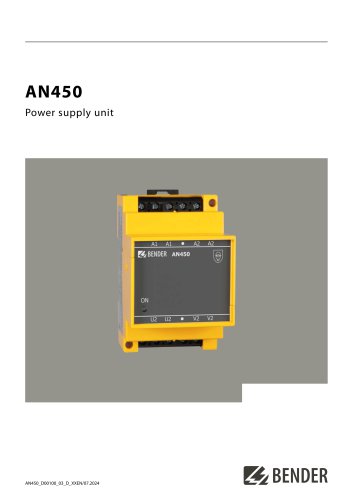 AN450
AN4504 Pages
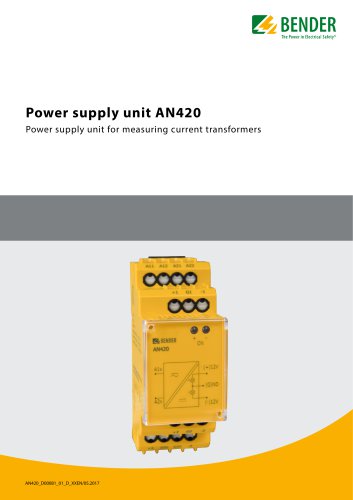 AN420
AN4204 Pages
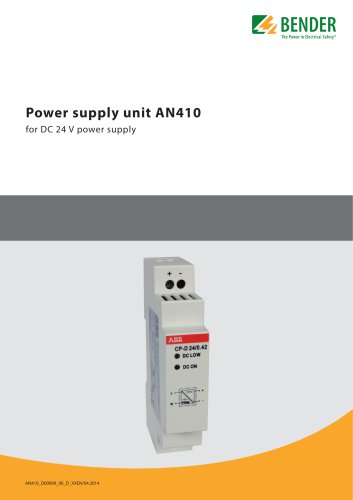 AN410
AN4104 Pages
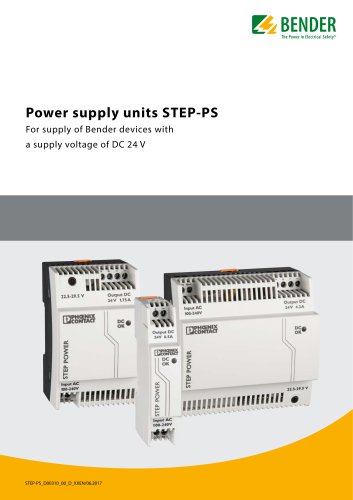 STEP-PS
8 Pages
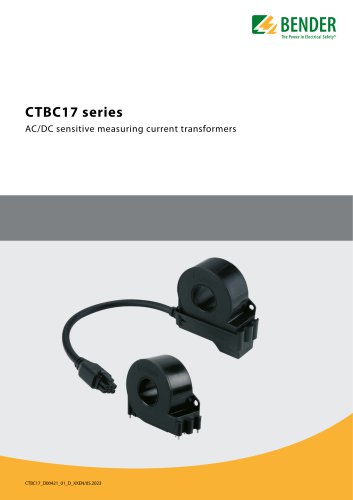 CTBC17 series
8 Pages
 HMI140 / HMI145 / HMI150
6 Pages
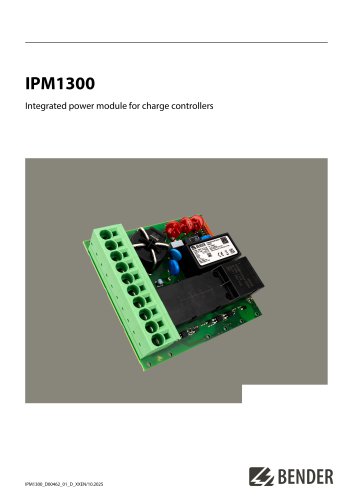 IPM1300
8 Pages
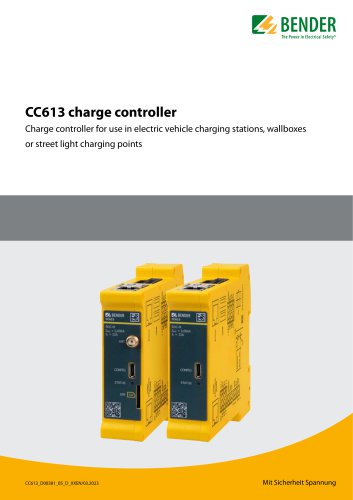 CC613
CC6136 Pages
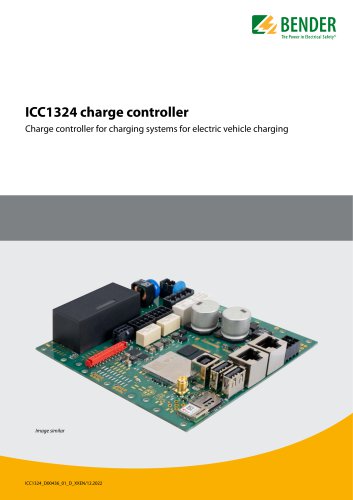 ICC1324
8 Pages
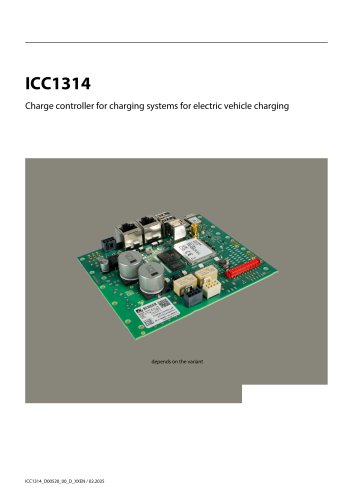 ICC1314
8 Pages
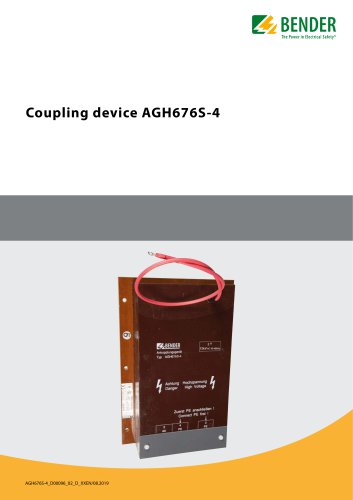 AGH676S-4
4 Pages
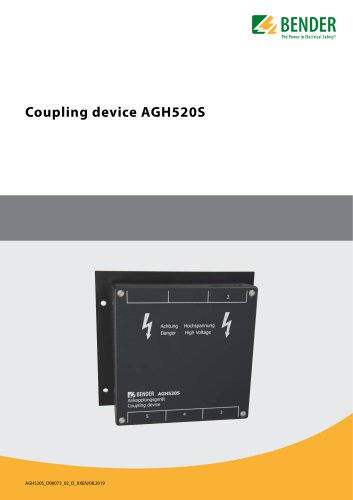 AGH520S
4 Pages
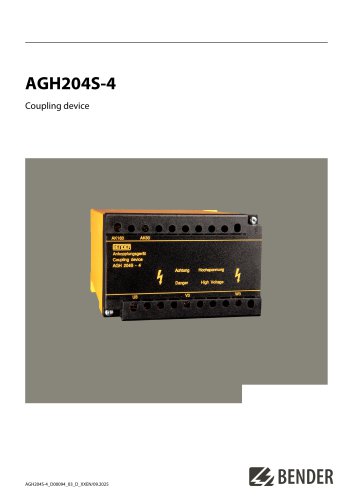 AGH204S-4
4 Pages
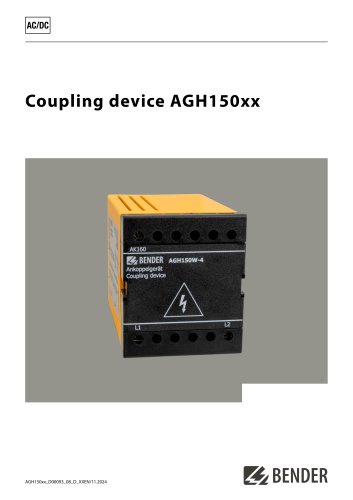 AGH150xx
4 Pages
 LINETRAXX® WF… series
4 Pages
 WS…, WS…-8000 series
4 Pages
 WR70x175S(P)…WR200x500S(P)
4 Pages
 WS50x80S…WS80x160S
4 Pages
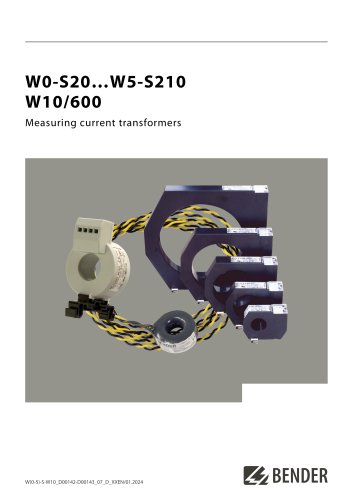 W0-S20…W5-S210 W10/600
4 Pages
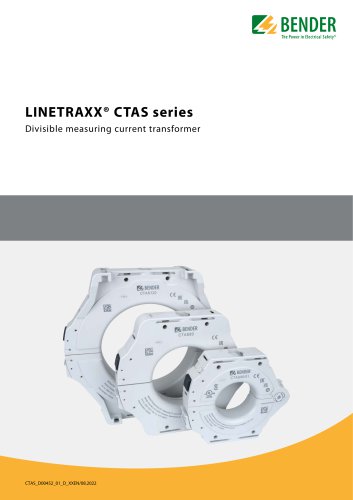 LINETRAXX® CTAS series
8 Pages
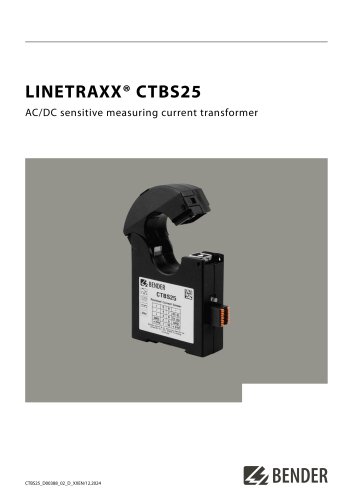 LINETRAXX® CTBS25
4 Pages
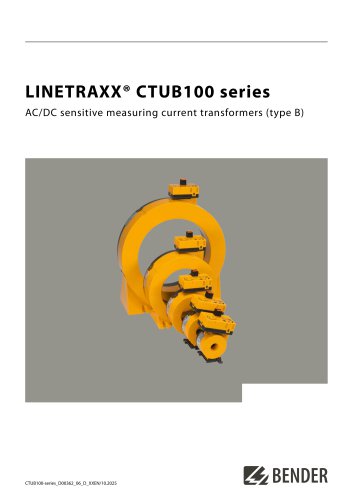 LINETRAXX® CTUB100 series
10 Pages
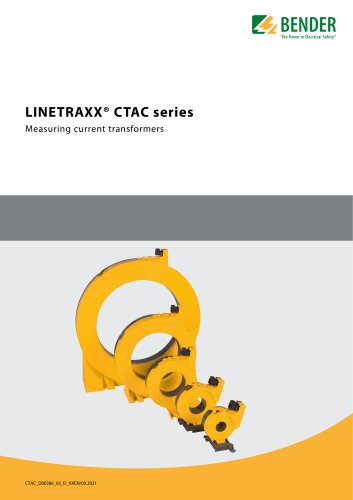 LINETRAXX® CTAC series
6 Pages
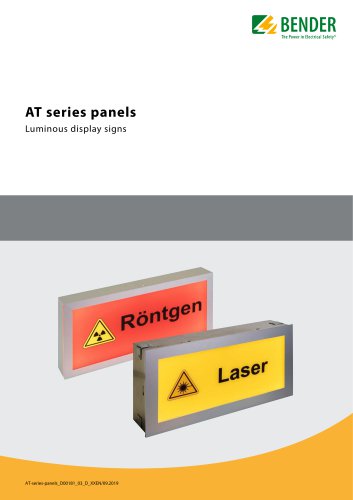 AT series
6 Pages
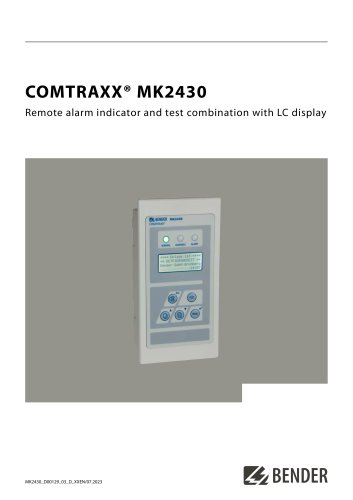 COMTRAXX® MK2430
6 Pages
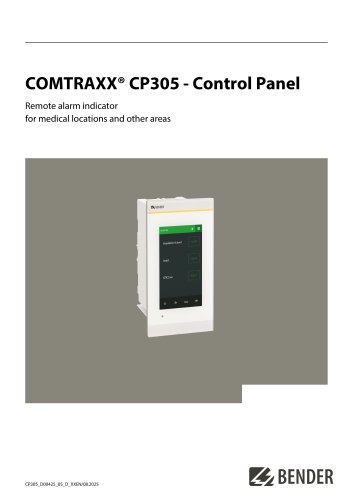 COMTRAXX® CP305
12 Pages
 COMTRAXX® CP9xx
8 Pages
 DI-1DL
4 Pages
 SMO482P-12
4 Pages
 Signal converter SMI473
4 Pages
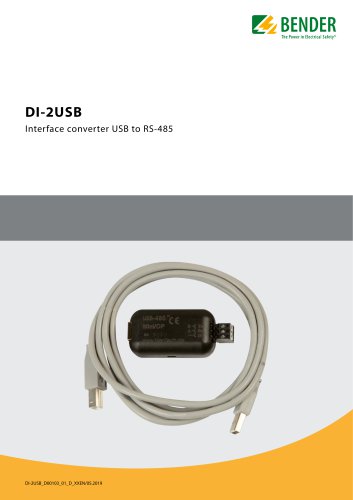 DI-2USB
4 Pages
 COMTRAXX® COM463BC
7 Pages
 COMTRAXX® COM465ID
8 Pages
 COMTRAXX® EDGE500
12 Pages
 COMTRAXX® CP9…-I Series
10 Pages
 POWERSCOUT®
8 Pages
 LINETRAXX® GM420
6 Pages
 LINETRAXX® CMS460-D
10 Pages
 LINETRAXX® CMD420/CMD421
6 Pages
 LINETRAXX® CME420
6 Pages
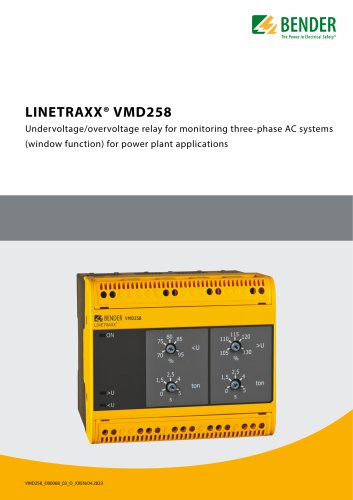 LINETRAXX® VMD258
6 Pages
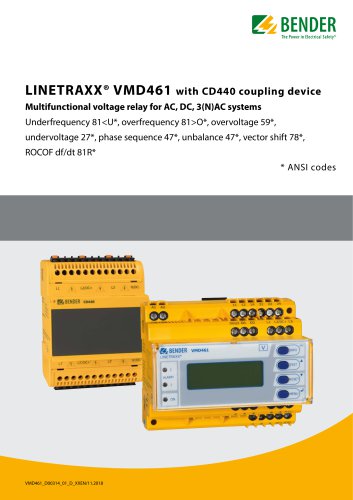 LINETRAXX® VMD461
10 Pages
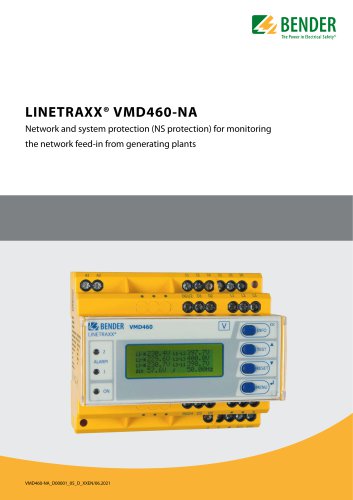 LINETRAXX® VMD460-NA
8 Pages
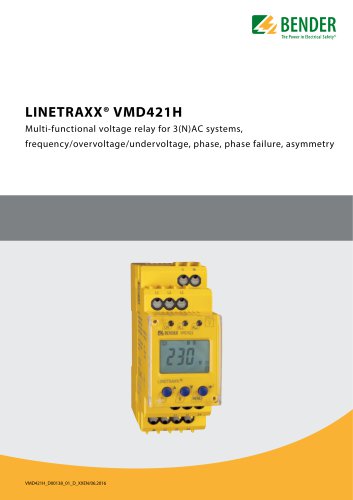 LINETRAXX® VMD421H
6 Pages
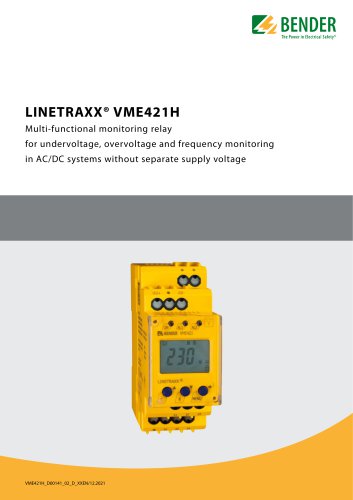 LINETRAXX® VME421H
6 Pages
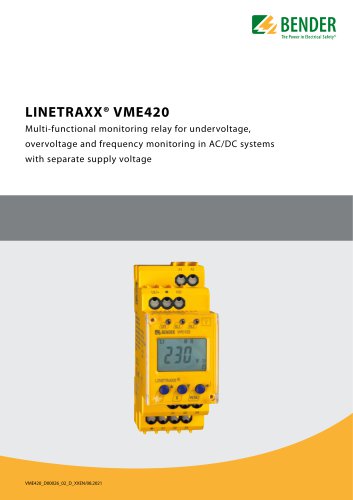 LINETRAXX® VME420
6 Pages
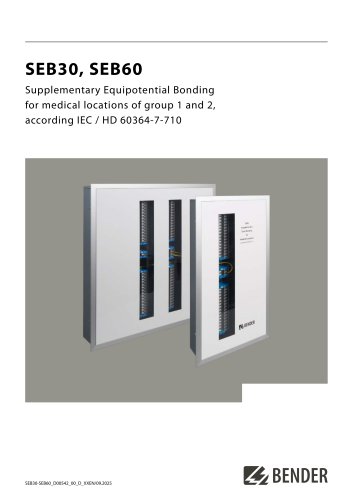 SEB30, SEB60
8 Pages
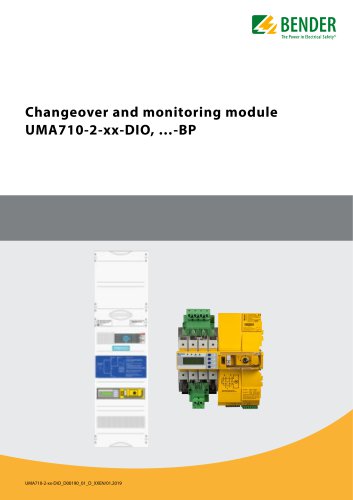 UMA710-2-xx-DIO, …-BP
6 Pages
 UMA710-2-…-ISO…
6 Pages
 VIT-AFSBY
6 Pages
 VIT-A
VIT-A6 Pages
 ATICS-2-…-DIO, ATICS-4-…-DIO
8 Pages
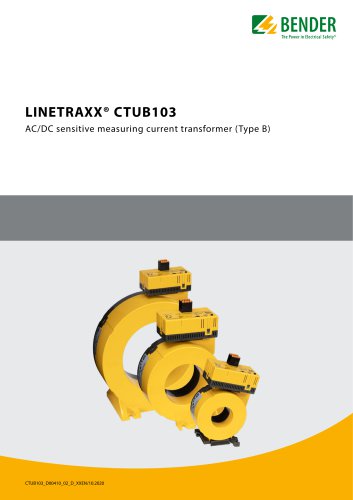 LINETRAXX® CTUB103
6 Pages
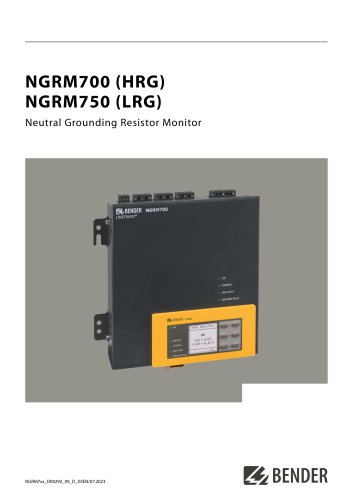 NGRM700 (HRG)/NGRM750 (LRG)
12 Pages
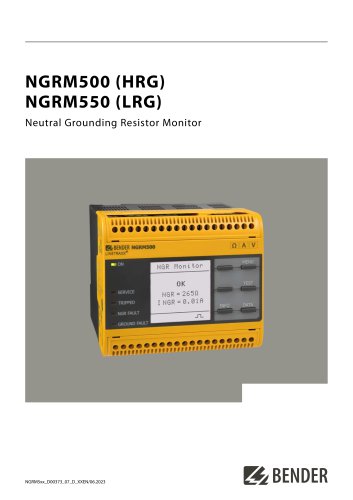 NGRM500 (HRG)/NGRM550 (LRG)
12 Pages
 RDC125-5S
12 Pages
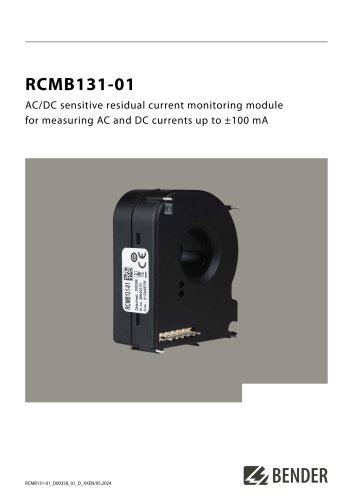 RCMB131-01
4 Pages
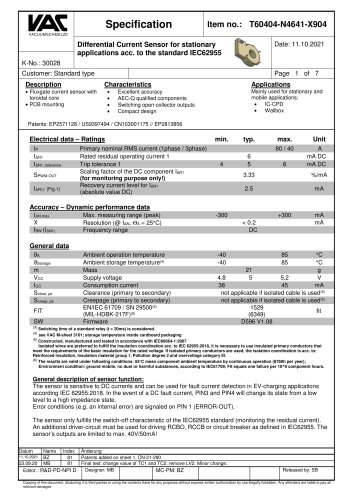 RDC121
7 Pages
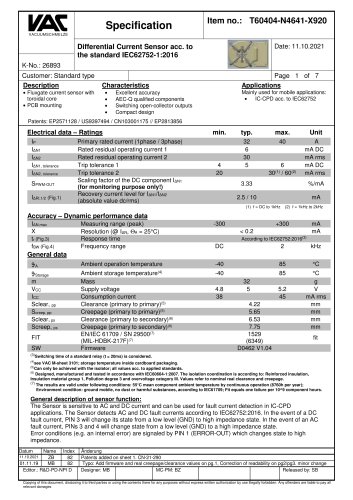 RCMB123
7 Pages
 Residual current sensors
2 Pages
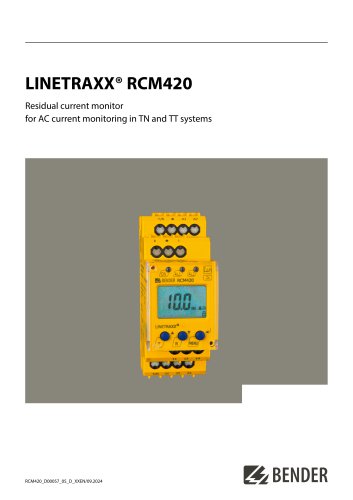 LINETRAXX® RCM420
6 Pages
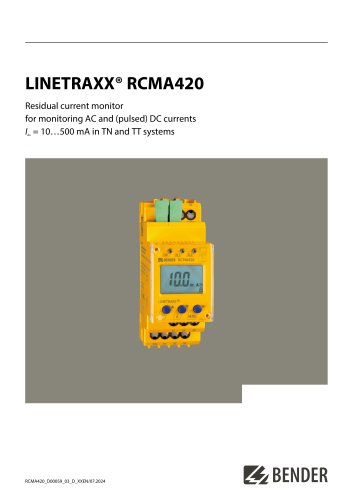 LINETRAXX® RCMA420
6 Pages
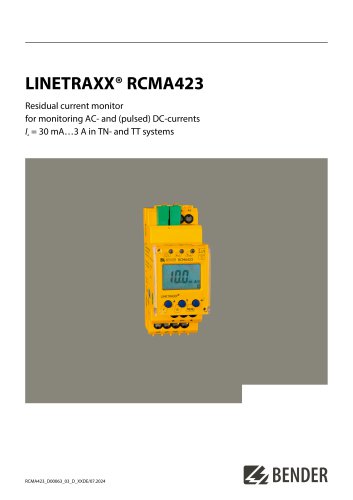 LINETRAXX® RCMA423
6 Pages
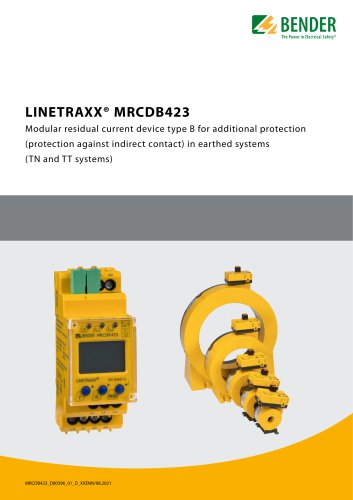 LINETRAXX® MRCDB423
6 Pages
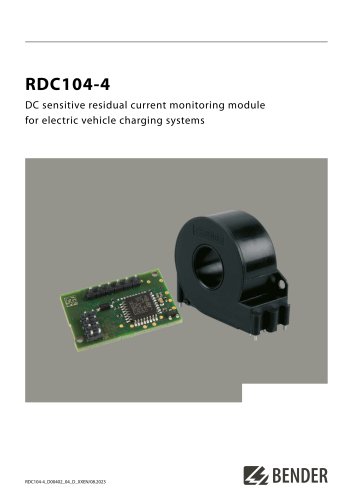 RDC104-4
6 Pages
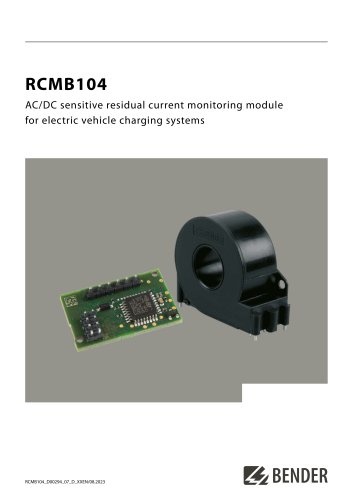 RCMB104
6 Pages
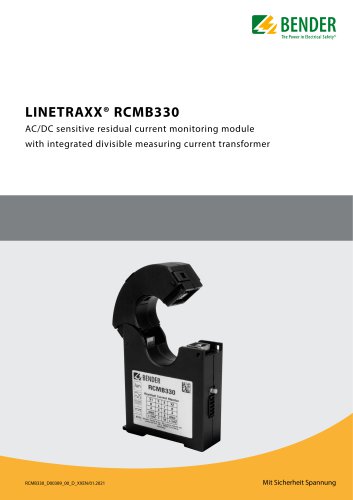 LINETRAXX® RCMB330
4 Pages
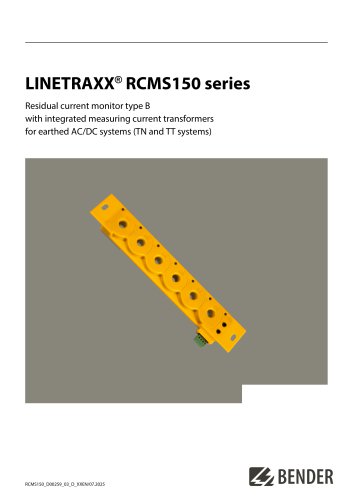 LINETRAXX® RCMS150 series
8 Pages
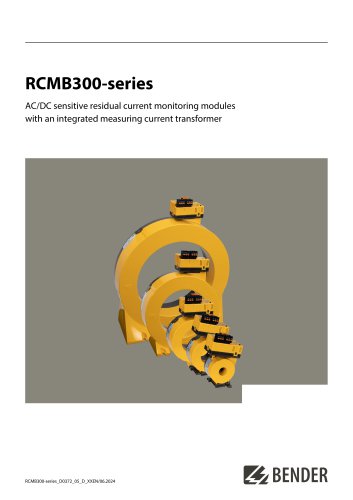 RCMB300-series
12 Pages
 LINETRAXX® RCMS460/RCMS490
14 Pages
 LINETRAXX® SmartDetect RCMS410
10 Pages
 IOM441-S / IOM441W-S
4 Pages
 EDS3090/-91/-92/-96
14 Pages
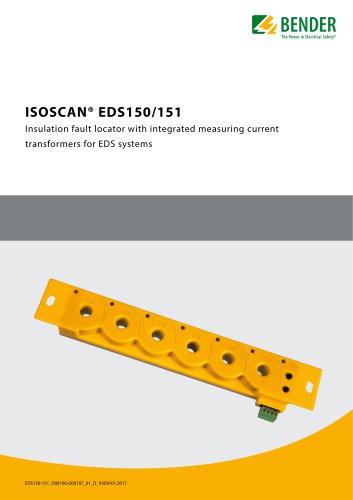 ISOSCAN® EDS150/151
6 Pages
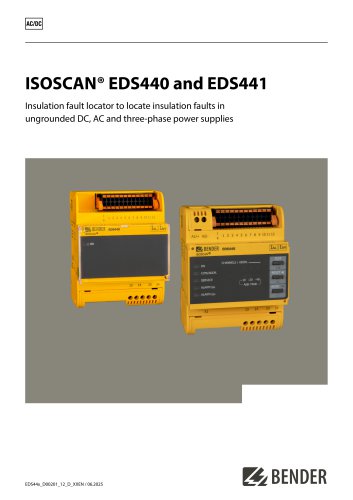 ISOSCAN® EDS440/EDS441
16 Pages
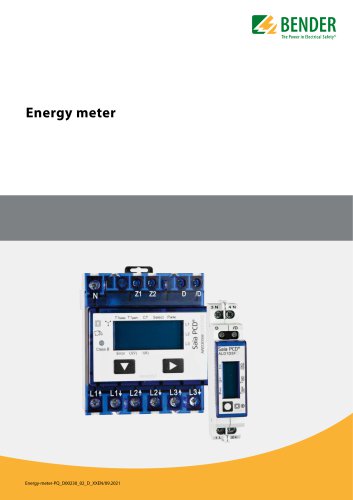 Energy meter
6 Pages
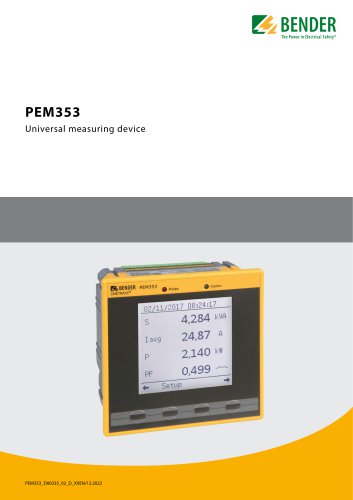 PEM353
8 Pages
 DS0107
6 Pages
 ESL0107
4 Pages
 ES710
ES7108 Pages
 7204/7220/9604/9620
4 Pages
 ISOMETER® iso175
8 Pages
 ISOMETER® isoCHA425
8 Pages
 ISOMETER® isoHV425 with AGH422
10 Pages
 ISOMETER® isoES425
8 Pages
 ISOMETER® isoBAT425
8 Pages
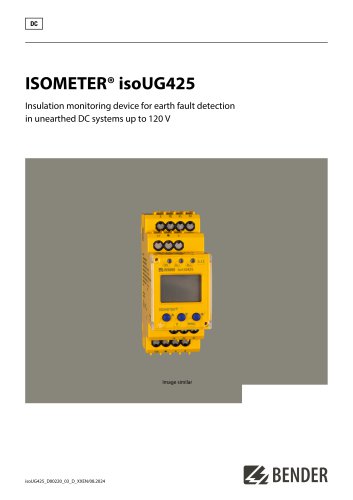 ISOMETER® isoUG425
6 Pages
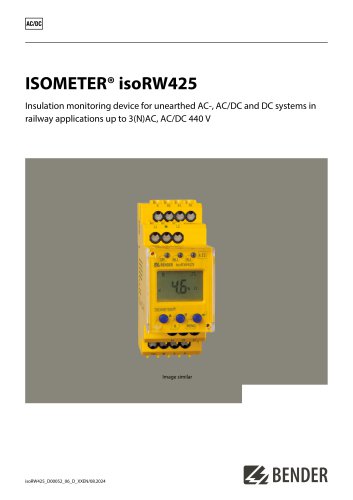 ISOMETER® isoRW425
8 Pages
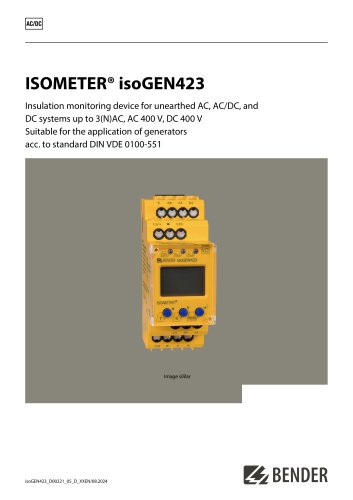 ISOMETER® isoGEN423
6 Pages
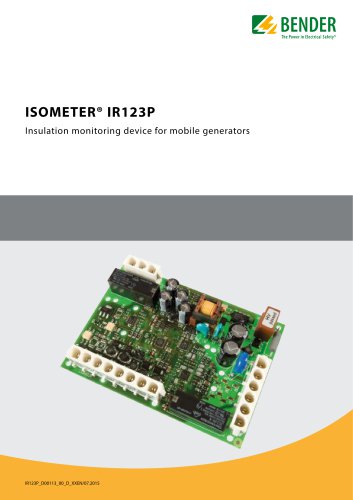 ISOMETER® IR123P
4 Pages
 ISOMETER® IR423
6 Pages
 ISOMETER® IR420-D6
6 Pages
 ISOMETER® isoPV1685DP
10 Pages
 ISOMETER® isoPV1685RTU
8 Pages
 ISOMETER® isoPV
8 Pages
 ISOMETER® isoLR275
6 Pages
 ISOMETER® isoMED427x-(PT)
6 Pages
 ISOMETER® IR427
8 Pages
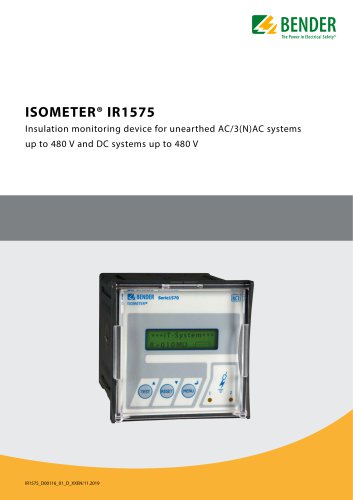 ISOMETER® IR1575
6 Pages
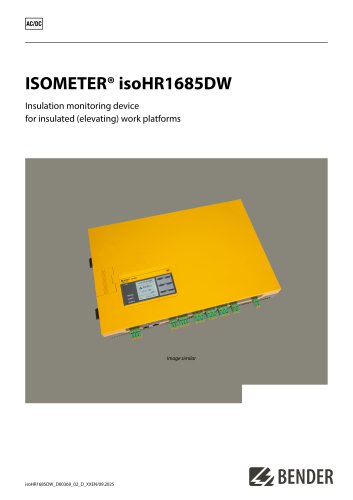 ISOMETER® isoHR1685DW
10 Pages
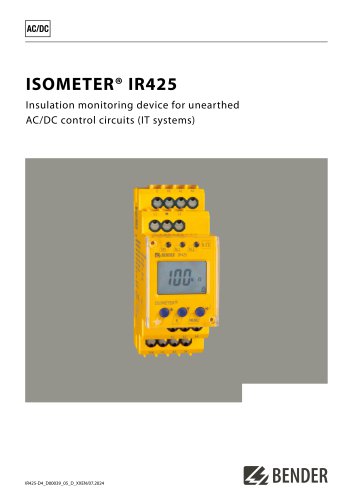 ISOMETER® IR425-D4
6 Pages
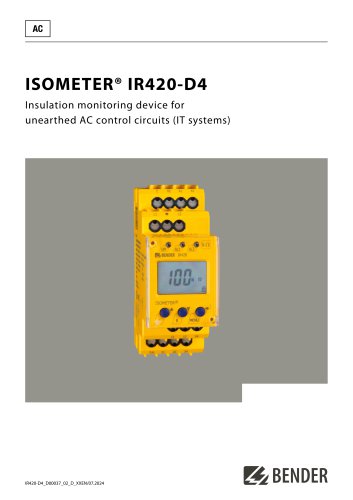 ISOMETER® IR420-D4
6 Pages
 ISOMETER® iso415R
2 Pages
 ISOMETER® IRDH275BM-7
6 Pages
 ISOMETER® isoRW685W-D-B
10 Pages
 ISOMETER® isoRW685W-D
10 Pages
 ISOMETER® isoHR685W-x-I-B
10 Pages
 ISOMETER® isoNAV685-D-B
8 Pages
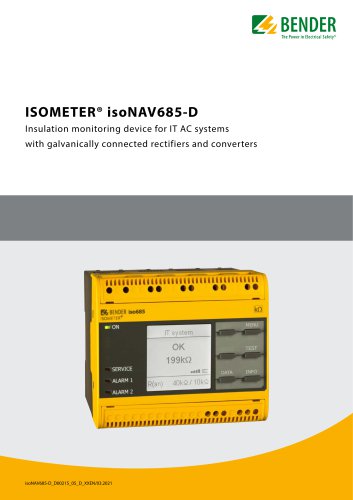 ISOMETER® isoNAV685-D
8 Pages
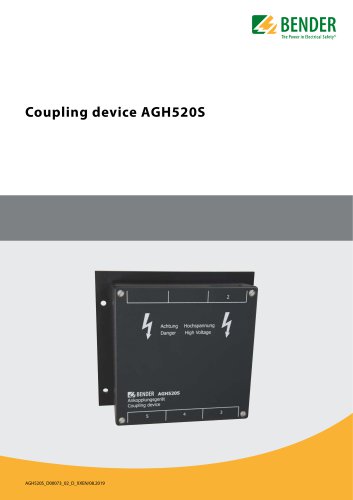 AGH520S
4 Pages
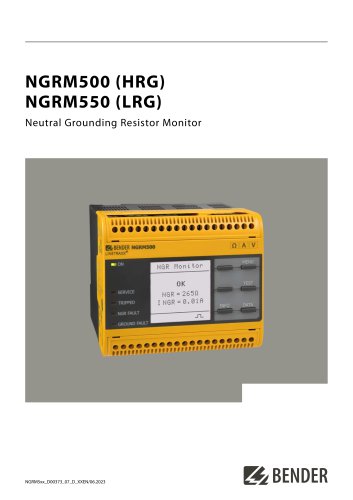 NGRM500 et NGRM550
12 Pages
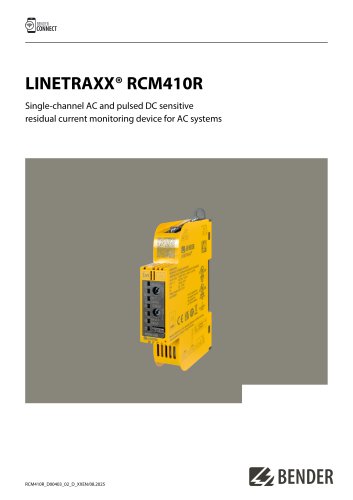 RCM410R
8 Pages
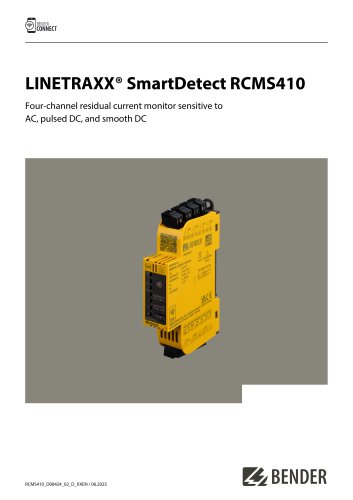 RCMS410
10 Pages
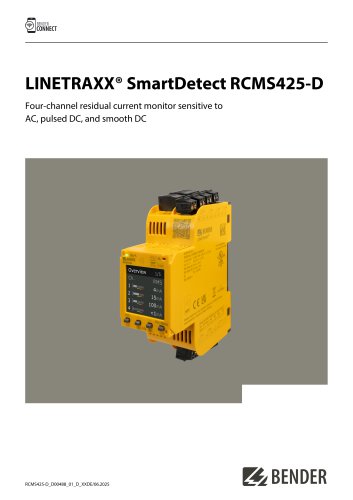 RCMS425-D
10 Pages
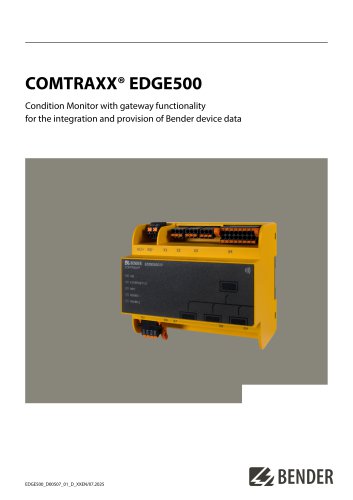 EDGE500
12 Pages
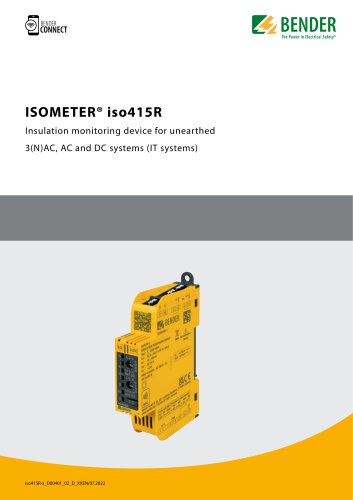 Iso415R
4 Pages
 Iso685-x-B
12 Pages
 Iso685-x-P
14 Pages
 Iso685-x
12 Pages
 RCMB104
6 Pages
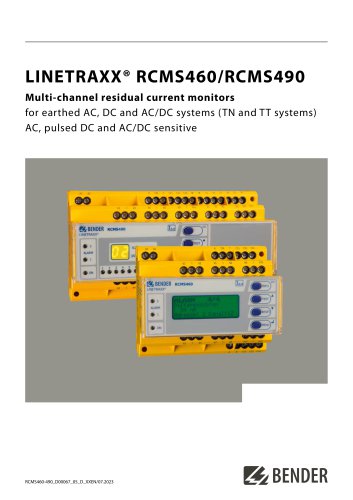 LINETRAXX® RCMS460 / RCMS490
14 Pages
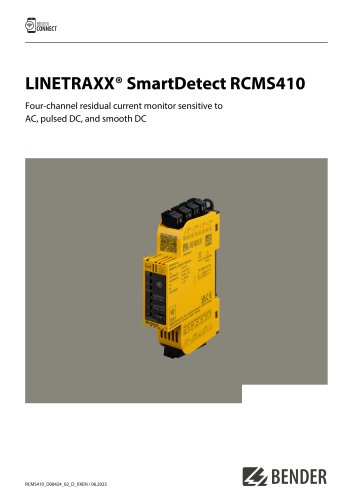 LINETRAXX® SmartDetect RCMS410
10 Pages
 Main Catalogue
486 Pages
- DC power supply
- AC/DC power supply
- BENDER transformer
- Measuring device
- BENDER dry transformer
- Junction block
- CE power supply
- Cloud-based software
- Single-output power supply
- Portable tester
- Power supply for industrial applications
- Monitoring software solution
- LED display panel
- Communication gateway
- BENDER IEC transformer
- BENDER current transformer
- Compact power supply
- Automatic tester