


- Products
- Catalogs
- News & Trends
- Exhibitions
AutoCAD Civil 3D 2013 API Developer's Guide
1 /419Pages

AutoCAD Civil 3D 2013 API Developer's Guide
1 /419Pages
Catalog excerpts

API Deve per’s Guide A elop i
Open the catalog to page 1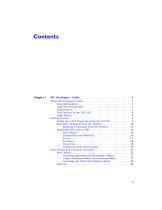
API Developer's Guide . . . . . . . . . . . . . . . . . . . . . . . 1 About the Developer's Guide . . . . . . . . . . . . . . . . . . . . . . . . 1 Intended Audience . . . . . . . . . . . . . . . . . . . . . . . . . . 1 AutoCAD Civil 3D APIs . . . . . . . . . . . . . . . . . . . . . . . . 1 Organization . . . . . . . . . . . . . . . . . . . . . . . . . . . . . 2 New Features in the .NET API . . . . . . . . . . . . . . . . . . . . 4 Legal Notices . . . . . . . . . . . . . . . . . . . . . . . . . . . . . 8 Getting Started . . . . . . . . . . . . . . . . . . . . . . . . . . . . . . . 9 Setting up...
Open the catalog to page 2
Accessing Drawing, Feature, and Command Settings . Label Styles . . . . . . . . . . . . . . . . . . . . . . . . . . Creating a Label Style Object . . . . . . . . . . . . . . Defining a Label Style . . . . . . . . . . . . . . . . . . Using Property Fields in Label Style Text . . . . . . . . Sharing Styles Between Drawings . . . . . . . . . . . . Sample Programs . . . . . . . . . . . . . . . . . . . . . . . Surfaces . . . . . . . . . . . . . . . . . . . . . . . . . . . . . . . Accessing Surfaces . . . . . . . . . . . . . . . . . . . . . . . Surface Properties . . . . . . . . . . . . . . . . . ....
Open the catalog to page 3
Superelevation . . . . . . . . . . . . . . . . . . . . . . . . . 72 Alignment Style . . . . . . . . . . . . . . . . . . . . . . . . . . . 74 Creating an Alignment Style . . . . . . . . . . . . . . . . . 74 Alignment Label Styles . . . . . . . . . . . . . . . . . . . . 76 Sample Programs . . . . . . . . . . . . . . . . . . . . . . . . . . 78 Profiles . . . . . . . . . . . . . . . . . . . . . . . . . . . . . . . . . . . 78 Profiles . . . . . . . . . . . . . . . . . . . . . . . . . . . . . . . . 79 Creating a Profile From a Surface . . . . . . . . . . . . . . . 79 Creating a Profile Using Entities...
Open the catalog to page 4
Baselines . . . . . . . . . . . . . . . . . . . . . . . . . Listing Baselines in a Corridor . . . . . . . . . . . Adding a Baseline to a Corridor . . . . . . . . . . Listing Baseline Regions . . . . . . . . . . . . . . Accessing and Modifying Baseline Stations . . . . Listing Offset Baselines . . . . . . . . . . . . . . Assemblies and Subassemblies . . . . . . . . . . . . . . Listing Applied Assemblies in a Baseline Region . Getting Applied Subassembly Information . . . . Feature Lines . . . . . . . . . . . . . . . . . . . . . . . Listing Feature Lines Along a Baseline . . . . . . Listing Feature...
Open the catalog to page 5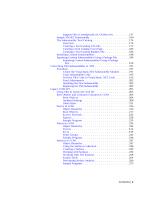
Support Files (CodesSpecific.vb, Utilities.vb) . . . . Sample VB.NET Subassembly . . . . . . . . . . . . . . . The Subassembly Tool Catalog . . . . . . . . . . . . . . Overview . . . . . . . . . . . . . . . . . . . . . . . Creating a Tool Catalog ATC File . . . . . . . . . . Creating a Tool Catalog Cover Page . . . . . . . . . Creating a Tool Catalog Registry File . . . . . . . . Installing Custom Subassemblies . . . . . . . . . . . . . Exporting Custom Subassemblies Using a Package File . . Exporting Custom Subassemblies Using a Package File . . . . . . . . . . . . . . . . . . . . . . . . ....
Open the catalog to page 6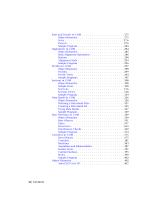
Sites and Parcels in COM . . . . . . . . . . . . . . . . . . . . . 275 Object Hierarchy . . . . . . . . . . . . . . . . . . . . . . . 275 Sites . . . . . . . . . . . . . . . . . . . . . . . . . . . . . 276 Parcels . . . . . . . . . . . . . . . . . . . . . . . . . . . . 276 Sample Program . . . . . . . . . . . . . . . . . . . . . . . 284 Alignments in COM . . . . . . . . . . . . . . . . . . . . . . . . 284 Object Hierarchy . . . . . . . . . . . . . . . . . . . . . . . 285 Basic Alignment Operations . . . . . . . . . . . . . . . . . 286 Stations . . . . . . . . . . . . . . . . . . . . . . . . ....
Open the catalog to page 7
Creating Client Applications . . . . . . . . . . . . . . . . . . . 404 Overview . . . . . . . . . . . . . . . . . . . . . . . . . . . 404 Samples . . . . . . . . . . . . . . . . . . . . . . . . . . . 404
Open the catalog to page 8
About the Developer's Guide Intended Audience The is designed for developers who want to customize AutoCAD® Civil 3D® or create applications using the underlying APIs. It can also be used for creating macros to automate repetitive tasks for AutoCAD Civil 3D users and for developers of custom subassemblies. AutoCAD Civil 3D APIs There are three APIs available for customizing AutoCAD Civil 3D: ■ .NET API — allows you to write extensions to AutoCAD Civil 3D in any .NET language. In general, the AutoCAD Civil 3D.NET API performs significantly faster than the COM API. Development requires Microsoft...
Open the catalog to page 10
The COM and .NET APIs are described in this guide. For more information about the Custom Draw API, see the Custom Draw API Reference (civildraw-reference.chm). In addition, an API is provided for creating custom subassemblies in .NET. See Creating Custom Subassemblies Using .NET (page 143). Which API you choose to use depends on what you want to do: If you want to: Customize the way objects are rendered in AutoCAD Civil 3D the Custom Draw API. The Custom Draw API is an extension of the AutoCAD ObjectARX API. For example, if you wanted to number the triangles on a TIN surface, you could create...
Open the catalog to page 11
Chapter 1: Getting Started (page 9) Explains how to set up a COM and .NET project. Also discusses porting COM to .NET code, limitations of the .NET API, and how to use interop to access COM objects. Chapter 2: Root Objects and Common Concepts (page 21) Explains how to obtain the base .NET objects representing the documents and databases, which are required for all subsequent chapters. Also discussed are objects common to many features, such as ambient settings and label styles. Chapter 3: Surfaces (page 32) Explains how to import surfaces from files, manipulate point data directly, insert breaklines,...
Open the catalog to page 12
Chapter 9: Creating Custom Subassemblies (page 143) Explains how to create and install custom subassemblies using Visual Basic .NET and the creation of catalog files which enables users to access custom subassemblies. You can also convert subassemblies written in VBA to .NET (see the Appendix Converting VBA Subassemblies to .NET (page 191) for more information). Appendix A: Converting VBA Subassemblies to .NET (page 191) Explains how to convert legacy custom subassemblies written in Visual Basic for Applications (VBA) to .NET. Appendix B: COM API (page 203) Covers the Legacy COM API. New Features...
Open the catalog to page 13All AUTODESK catalogs and technical brochures
 Autodesk ® Flame®
2576 Pages
 Autodesk® In Games
7 Pages
 Autodesk® DirectConnect
80 Pages
 AUTODESK ® 3DS MAX
1358 Pages
 CEIT-KE
2 Pages
 Novax DMA
2 Pages
 autocad_civil3d
6 Pages
 building_design_suite_2013
4 Pages
 autocad_design_suite_2013
2 Pages
 autocad_mep_brochure
4 Pages
 acade_jic_overview_broch_us
4 Pages
 alias_2013_
10 Pages
 Autodesk Utility Design
2 Pages
 Autodesk Toxik
4 Pages
 Autodesk Subcontractor
4 Pages
 Autodesk Smoke
2 Pages
 Autodesk Mudbox
4 Pages
 Autodesk MotionBuilder
4 Pages
 Autodesk Moldflow Adviser
4 Pages
 Autodesk Maya
4 Pages
 Autodesk Lustre
6 Pages
 Autodesk LandXplorer
4 Pages
 Autodesk Inferno
1 Page
 Autodesk Flare
1 Page
 Autodesk Flint
1 Page
 Autodesk Cleaner XL
2 Pages
 Autodesk Cleaner
2 Pages
 Autodesk Buzzsaw
4 Pages
 Autodesk Backdraft Conform
6 Pages
 AutoCAD Revit MEP Suite
4 Pages
 AutoCAD P&ID
4 Pages
 AutoCAD Inventor Suites
32 Pages
 AutoCAD Electrical
4 Pages
 Autodesk Quantity Takeoff
4 Pages
 Autodesk Revit Structure
8 Pages
 AutoCAD Civil
6 Pages


Archived catalogs
 AutoCAD Raster Design
2 Pages
 AutoCAD MEP
6 Pages
 Autodesk Navisworks Review
4 Pages
 AutoCAD Civil 3D
2 Pages
 factory_design_suite_2013
4 Pages
 Autodesk 3ds Max Design
4 Pages
 AutoCAD Map 3D
4 Pages
 AutoCAD Mechanical
4 Pages
 AutoCAD Structural Detailing
6 Pages
 Autodesk Alias Design
4 Pages
 Autodesk Alias Surface
4 Pages
 Autodesk Revit Structure
8 Pages
 AutoCAD LT
2 Pages
 Autodesk MapGuide Enterprise
4 Pages
 Autodesk Topobase
2 Pages
 Autodesk Ecotect Analysis
4 Pages
 AutoCAD Architecture
4 Pages
 acade_jic
4 Pages
 autocad_lt_2013
2 Pages
 3DS
3DS8 Pages
 map3D_2013
2 Pages
 BIM and Visualization
11 Pages


- AUTODESK automation software
- AUTODESK management software
- AUTODESK analysis software
- AUTODESK process software
- Real-time software
- Windows software
- AUTODESK CAD software
- AUTODESK cloud software
- AUTODESK control software
- AUTODESK design software
- Industrial software
- AUTODESK 3D software
- Measurement software
- Interface software
- AUTODESK visualization software
- AUTODESK quality software
- AUTODESK simulation software
- AUTODESK programming software
- AUTODESK automated software
- AUTODESK development software