
- Catalogs
- Ahlborn Mess- und Regelungstechnik GmbH
- Equilibrium moisture

- Company
- Products
- Catalogs
- News & Trends
- Exhibitions
Equilibrium moisture
1 /1Page
Equilibrium moisture
1 /1Page
Catalog excerpts
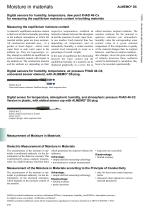
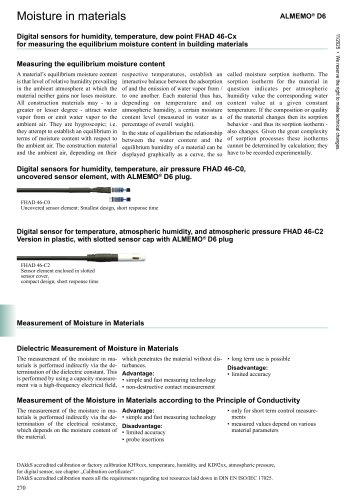
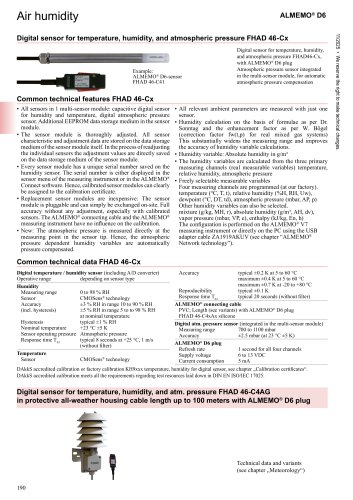
Measuring the equilibrium moisture content A material’s equilibrium moisture content is that level of relative humidity prevailing in the ambient atmosphere at which the material neither gains nor loses moisture. All construction materials may - to a greater or lesser degree - attract water vapor from or emit water vapor to the ambient air. They are hygroscopic; i.e. they attempt to establish an equilibrium in terms of moisture content with respect to the ambient air. The construction material and the ambient air, depending on their respective temperatures, establish an interactive balance between the adsorption of and the emission of water vapor from / to one another. Each material thus has, depending on temperature and on atmospheric humidity, a certain moisture content level (measured in water as a percentage of overall weight). In the state of equilibrium the relationship between the water content and the equilibrium humidity of a material can be displayed graphically as a curve, the so called moisture sorption isotherm. The sorption isotherm for the material in question indicates per atmospheric humidity value the corresponding water content value at a given constant temperature. If the composition or quality of the material changes then its sorption behavior - and thus its sorption isotherm also changes. Given the great complexity of sorption processes these isotherms cannot be determined by calculation; they have to be recorded experimentally. Digital sensors for humidity, temperature, air pressure FHAD 46-C0, uncovered sensor element, with ALMEMO® D6 plug. FHAD 46-C0 Uncovered sensor element: Smallest design, short response time Digital sensor for temperature, atmospheric humidity, and atmospheric pressure FHAD 46-C2 Version in plastic, with slotted sensor cap with ALMEMO® D6 plug FHAD 46-C2 Sensor element enclosed in slotted sensor cover, compact design, short response time Measurement of Moisture in Materials Dielectric Measurement of Moisture in Materials The measurement of the moisture in materials is performed indirectly via the determination of the dielectric constant. This is performed by using a capacity measurement via a high-frequency electrical field, which penetrates the material without dis- • long term use is possible turbances. Disadvantage: Advantage: • limited accuracy • simple and fast measuring technology • non-destructive contact measurement Measurement of the Moisture in Materials according to the Principle of Conductivity The measurement of the moisture in materials is performed indirectly via the determination of the electrical resistance, which depends on the moisture content of the material. Advantage: • simple and fast measuring technology Disadvantage: • limited accuracy • probe insertions • only for short term control measurements • measured values depend on various material parameters DAkkS accredited calibration or factory calibration KH9xxx, temperature, humidity, and KD92xx, atmospheric pressure, for digital sensor, see chapter „Calibration certificates“. DAkkS accredited calibration meets all the requirements regarding test resources laid down in DIN EN ISO/IEC 17025. 11/2025 • We reserve the right to make technical changes. Digital sensors for humidity, temperature, dew point FHAD 46-Cx for measuring the equilibrium moisture con
Open the catalog to page 1All Ahlborn Mess- und Regelungstechnik GmbH catalogs and technical brochures
 Ahlborn Product Catalog 2026
324 Pages
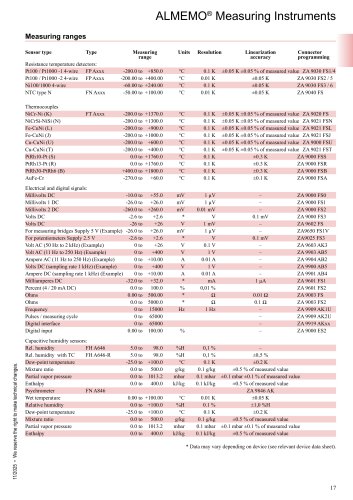 Measuring ranges
2 Pages
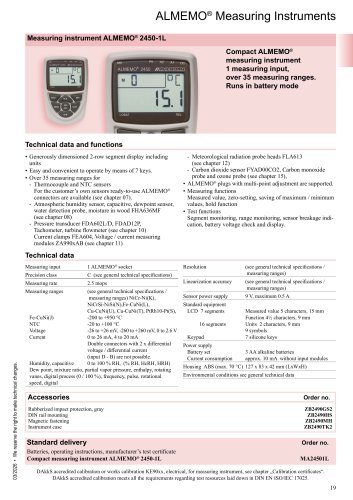 ALMEMO® 2450-L
1 Page
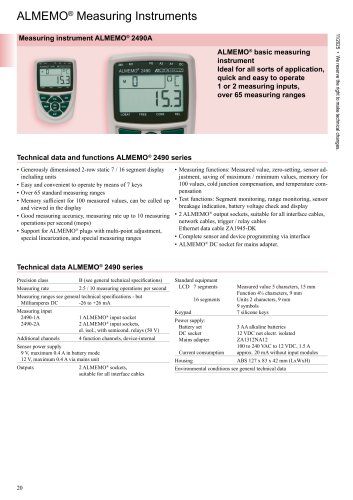 ALMEMO® 2490A
2 Pages
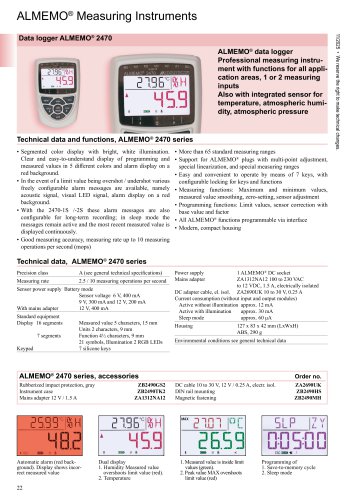 ALMEMO® 2470
3 Pages
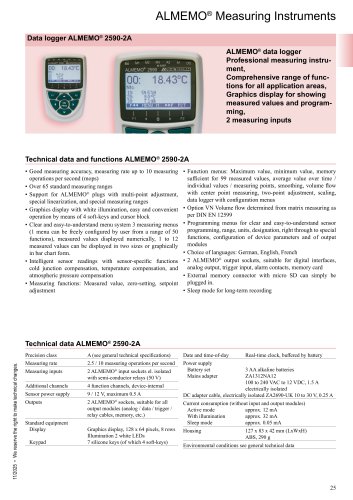 ALMEMO® 2590-2A
2 Pages
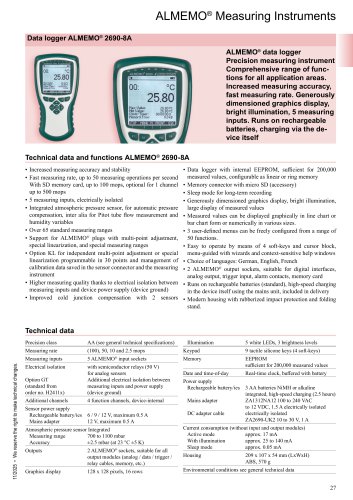 ALMEMO® 2690-8A
2 Pages
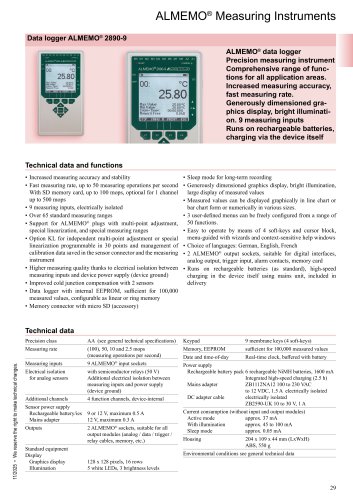 ALMEMO® 2890
2 Pages
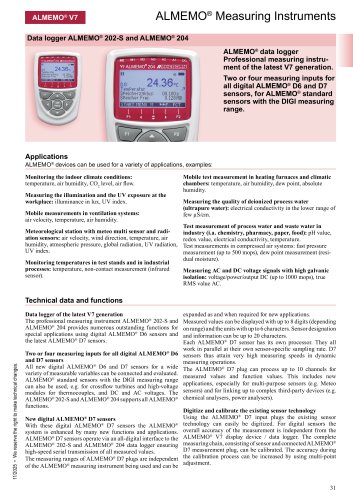 ALMEMO® 202-S and ALMEMO® 204
3 Pages
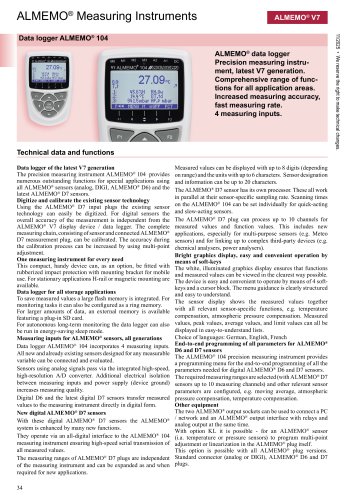 ALMEMO® 104
3 Pages
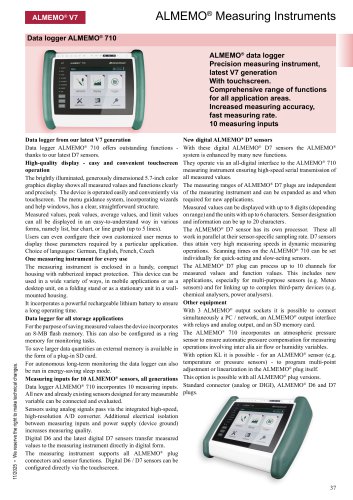 ALMEMO® 710
3 Pages
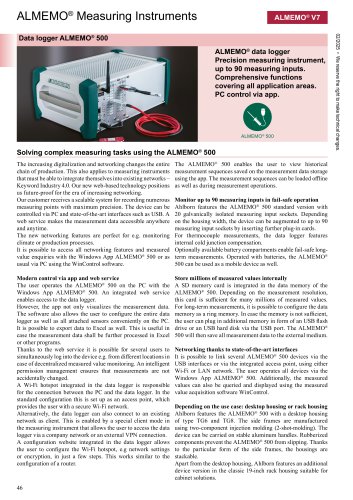 ALMEMO® 500
4 Pages
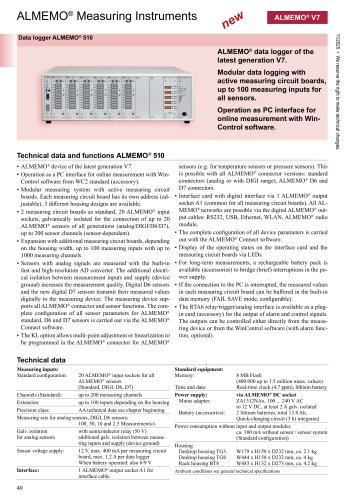 ALMEMO® 510
3 Pages
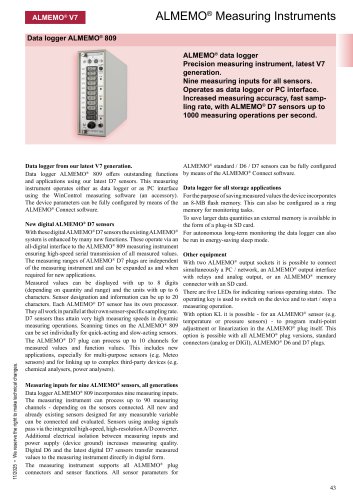 ALMEMO® 809
2 Pages
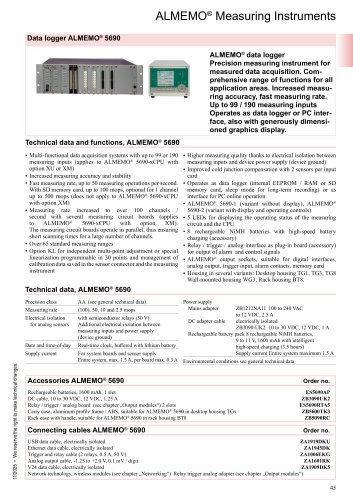 ALMEMO® 5690
8 Pages
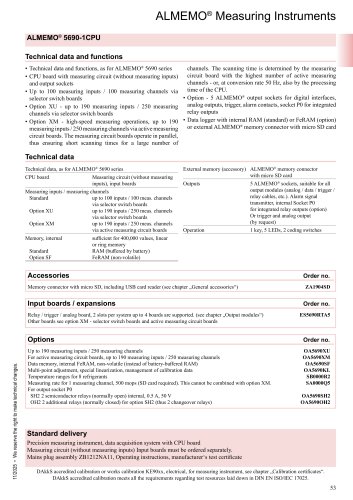 ALMEMO® 5690 CPU
6 Pages
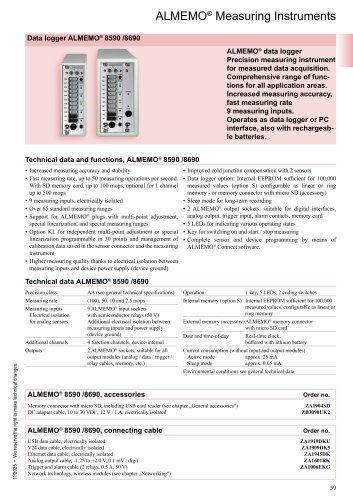 ALMEMO® 8590/8690
2 Pages
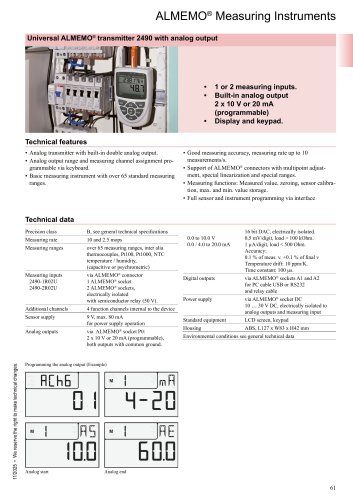 Transmitter ALMEMO® 2490
2 Pages
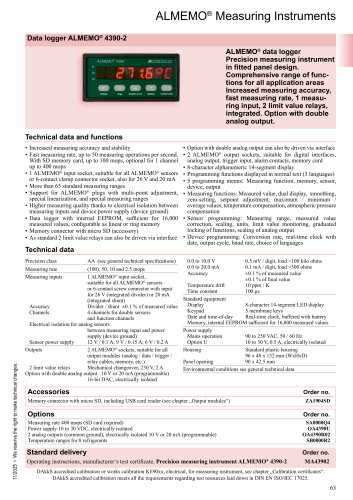 ALMEMO® 4390-2
1 Page
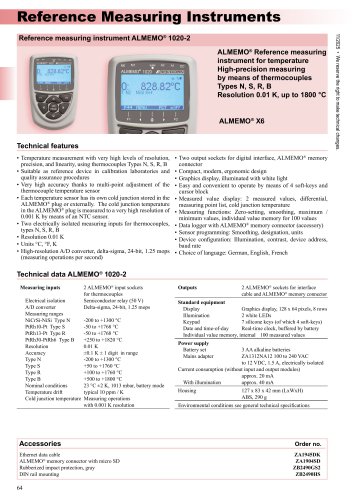 ALMEMO® 1020
2 Pages
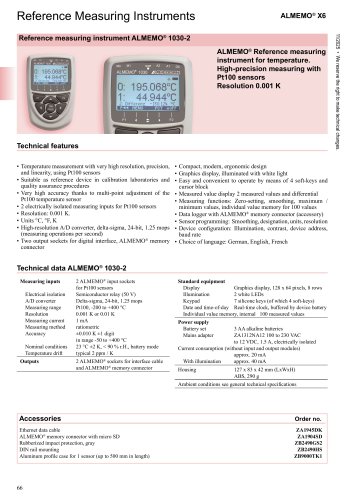 ALMEMO® 1030
2 Pages
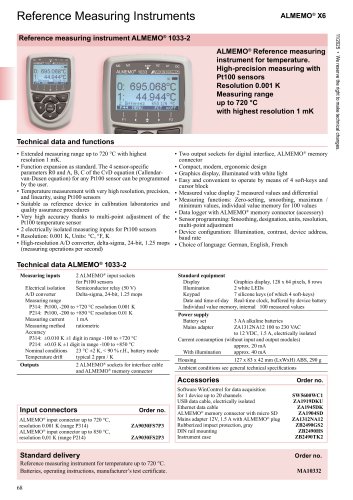 ALMEMO® 1033
2 Pages
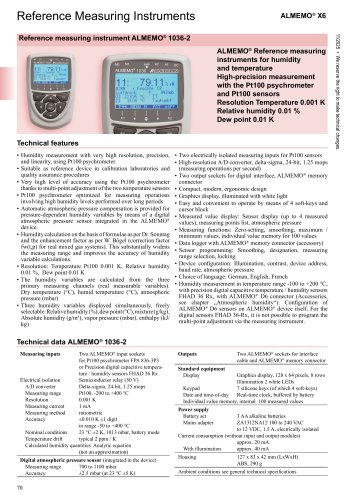 ALMEMO® 1036
2 Pages
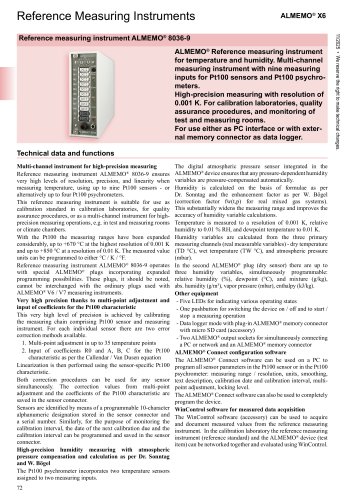 ALMEMO® 8036
3 Pages
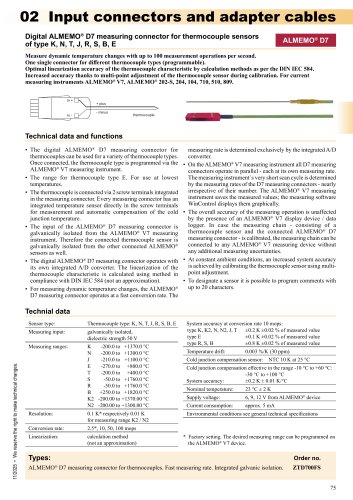 Digital ALMEMO® connectors
14 Pages
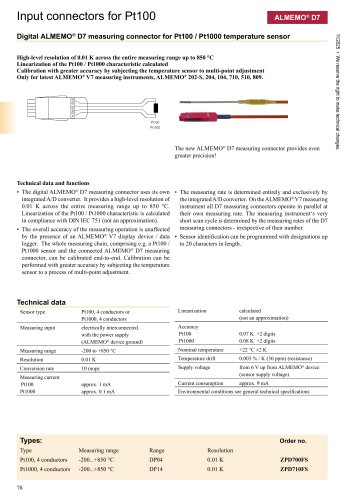 ALMEMO® Connector for Pt100
5 Pages
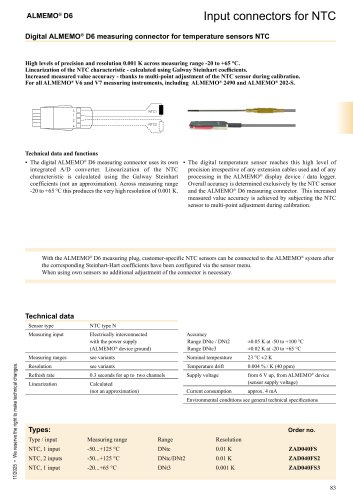 ALMEMO® Connectors for NTC
2 Pages
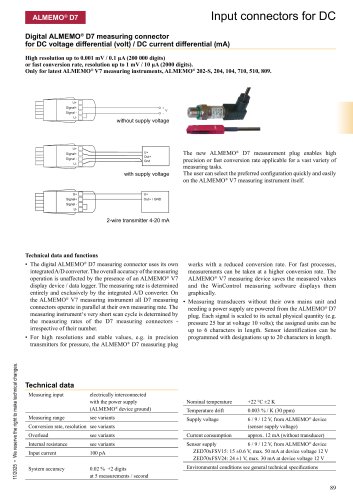 ALMEMO® Connector for DC
5 Pages
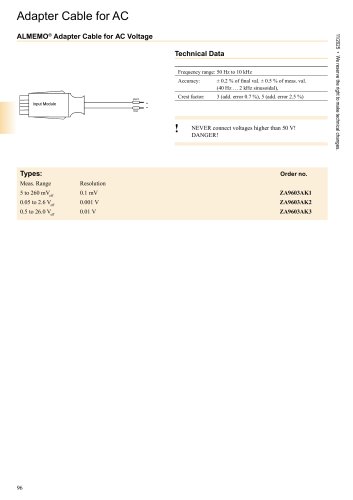 ALMEMO® Connector for AC
1 Page
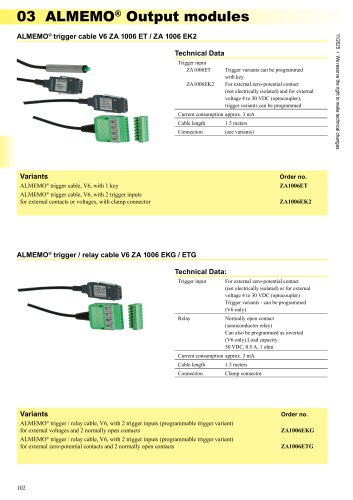 Trigger cable
3 Pages
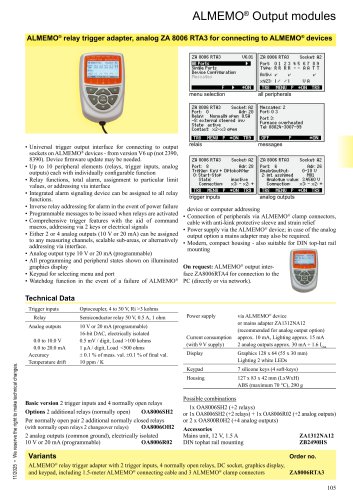 ALMEMO® 8006-RTA3
1 Page
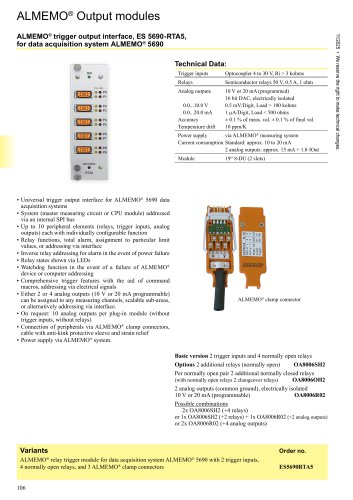 RTA5
RTA51 Page
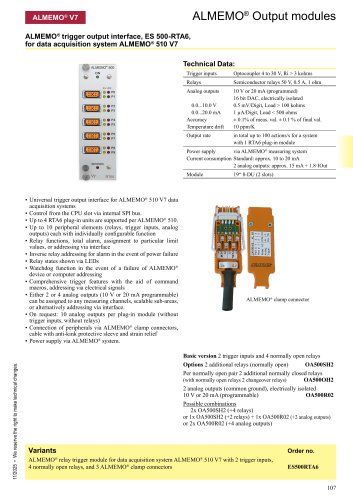 RTA6
RTA61 Page
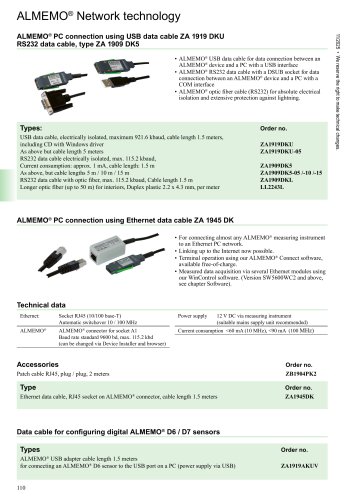 Network Cables
2 Pages
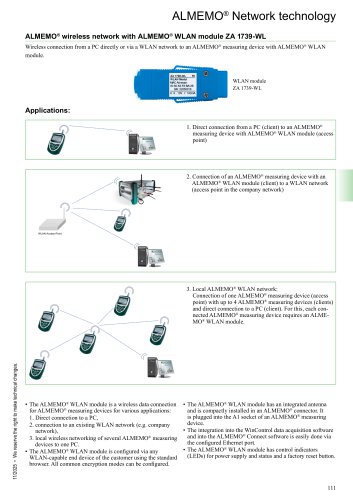 WLAN module ZA 1739-WL
2 Pages
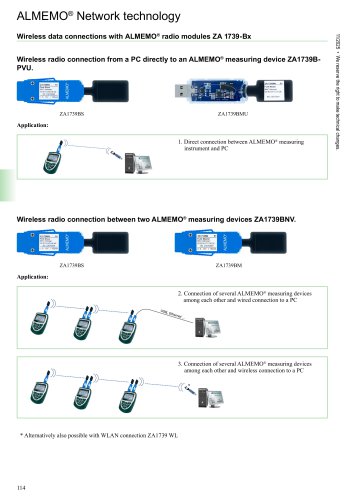 The ALMEMO® wireless System
3 Pages
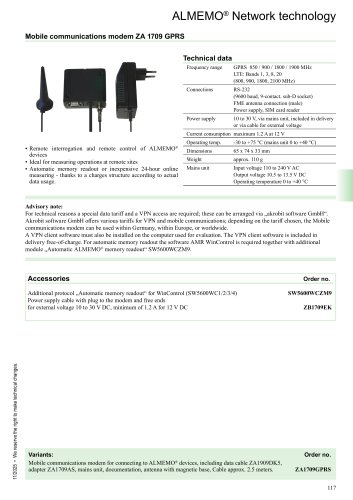 Mobile Internet and Cloud
4 Pages
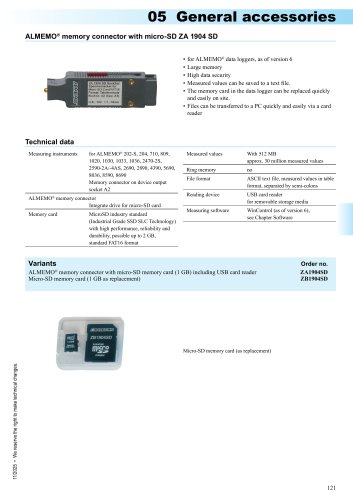 Memory connector
1 Page
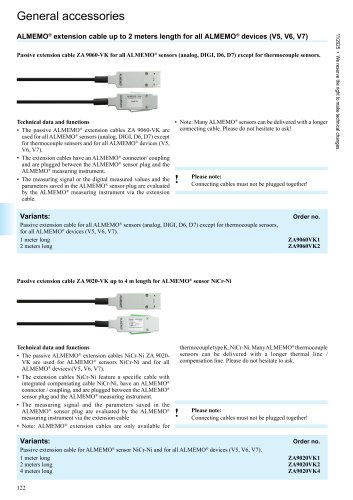 Extension cable
3 Pages
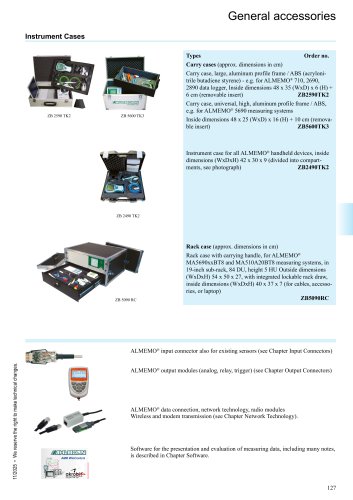 Cases
Cases1 Page
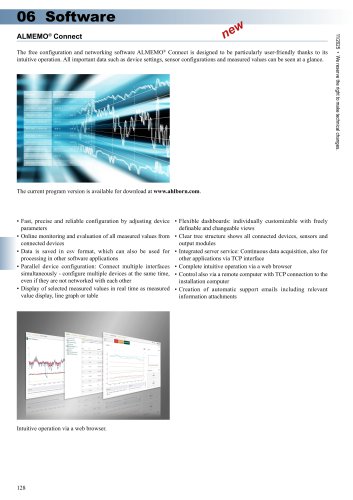 ALMEMO® Connect
1 Page
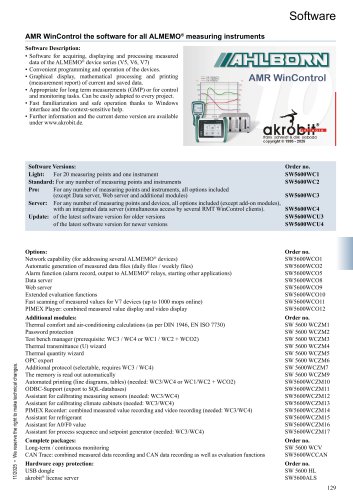 WinControl
13 Pages
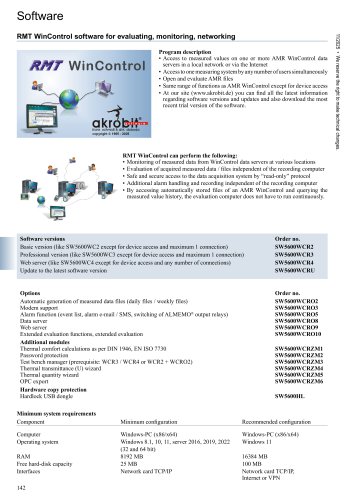 RMT WinControl
1 Page
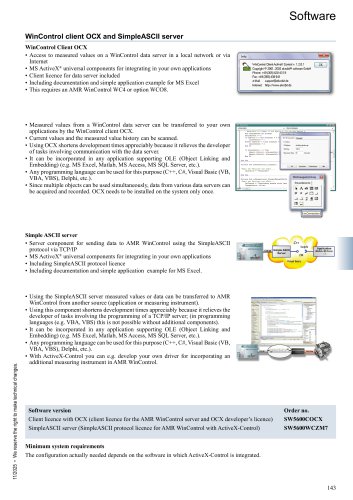 OCX WinControl
1 Page
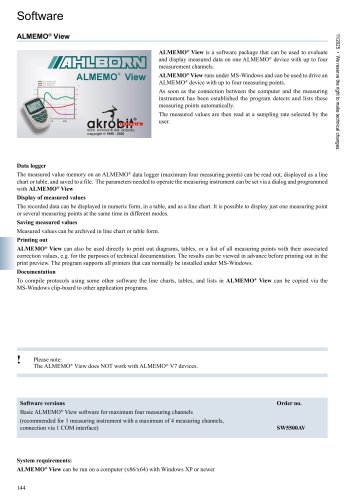 ALMEMO® View
1 Page
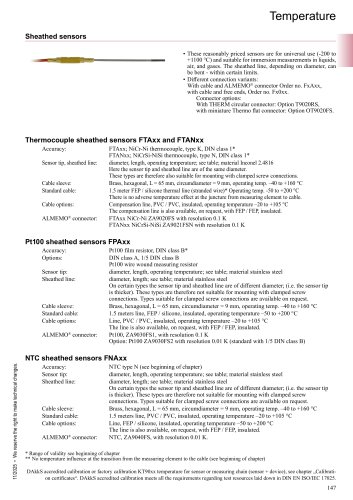 Sheathed sensors
5 Pages
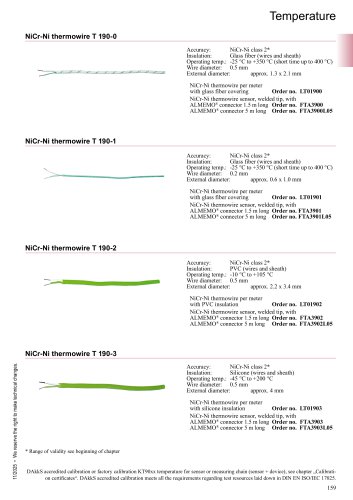 Thermo-wires
3 Pages
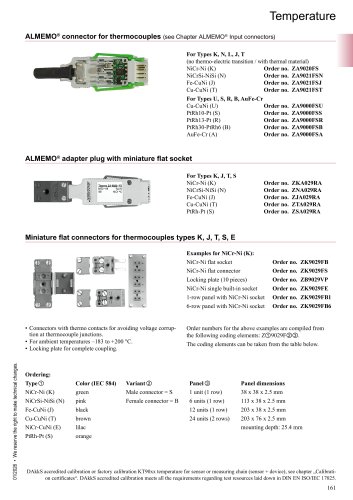 Connectors for thermocouples
1 Page
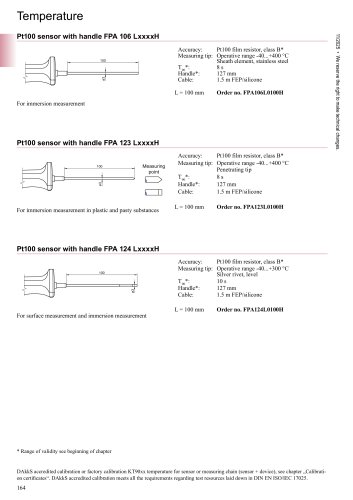 Various designs
4 Pages
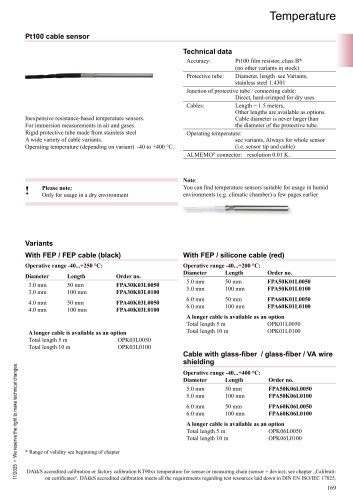 Pt100 cable sensor
1 Page
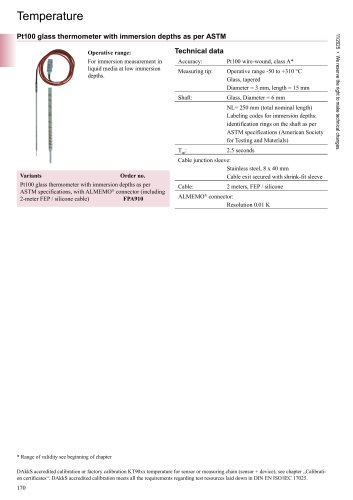 Glass thermometer
1 Page
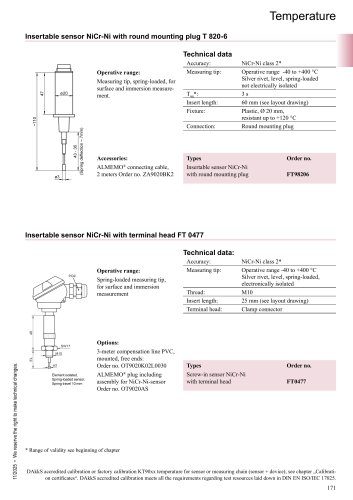 Insertable sensor
3 Pages
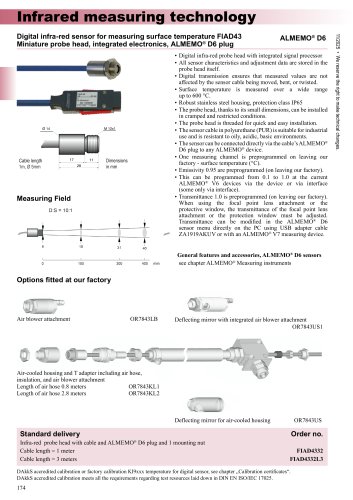 FIAD43
2 Pages
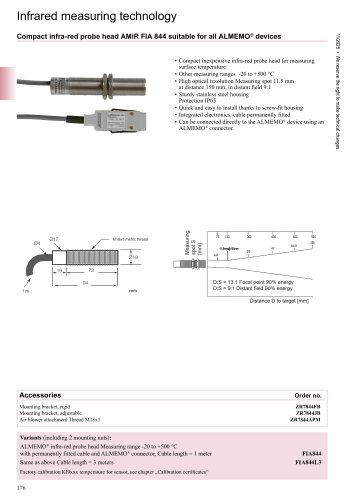 FIA844
2 Pages
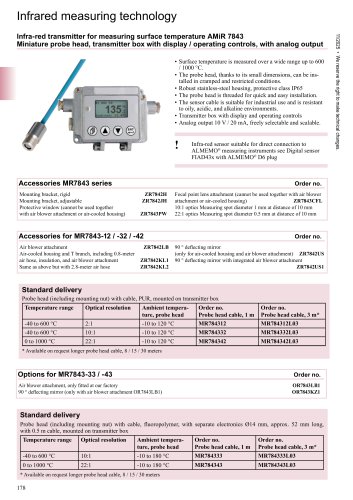 AMiR 7843
2 Pages
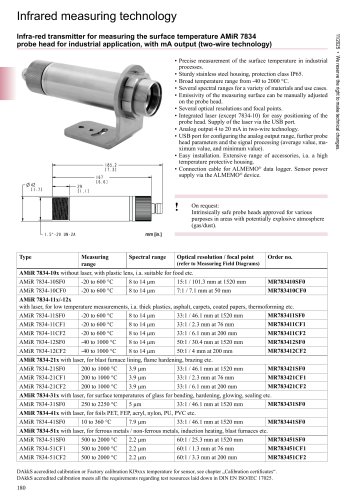 AMiR 7834
6 Pages
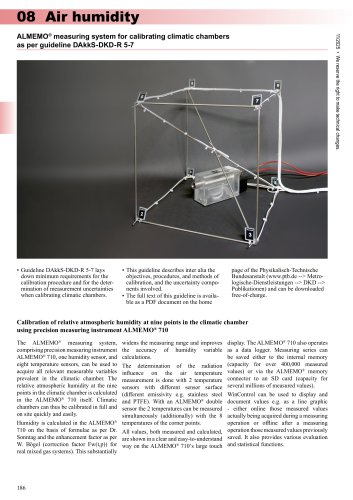 Calibrating climatic chambers
4 Pages
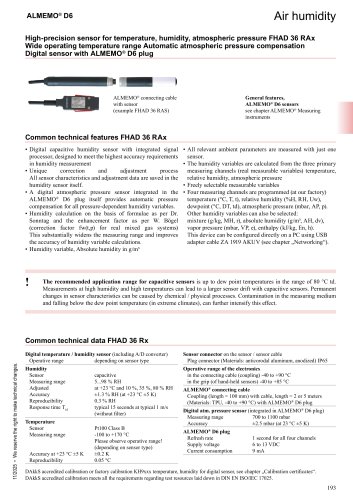 FHAD 36 Rx
4 Pages
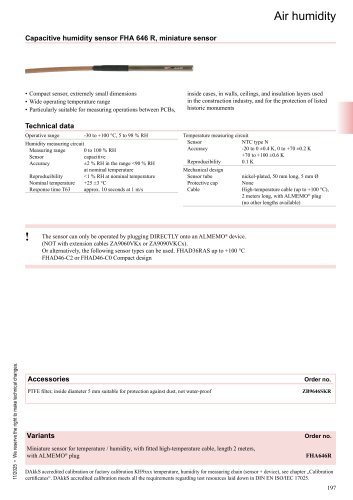 FHA 646 R
1 Page
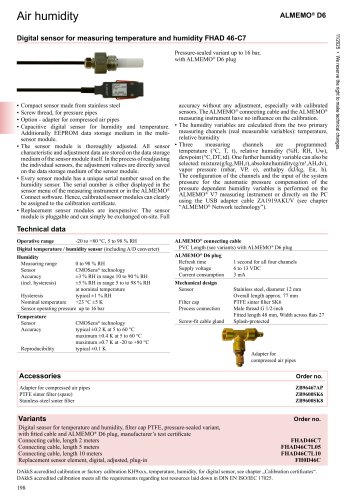 FHAD46-7
1 Page
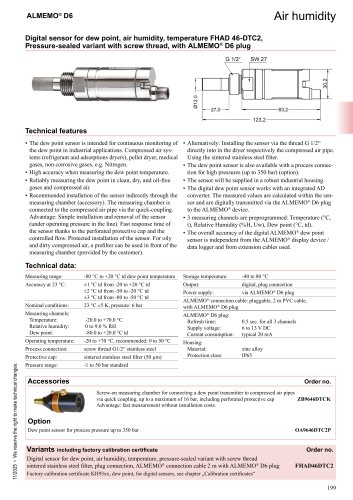 Dewpoint sensor
1 Page
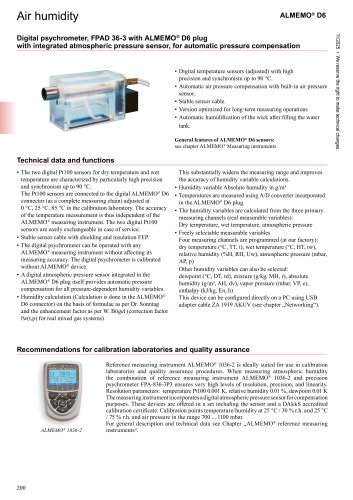 Digital psychrometer
2 Pages
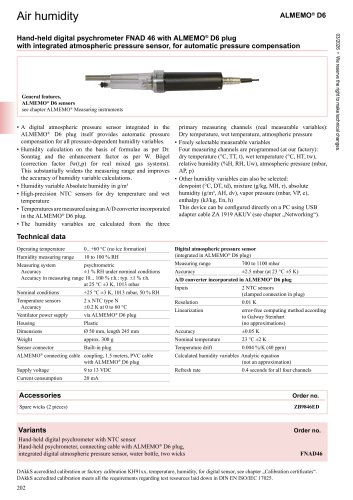 Psychrometer
1 Page
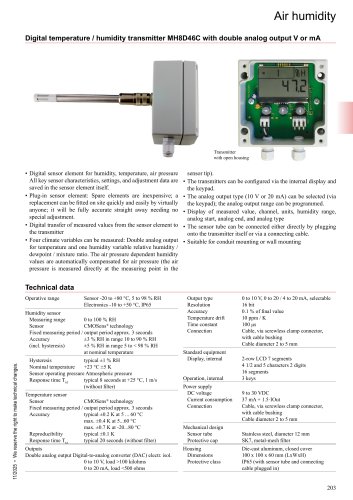 MH8D46
2 Pages
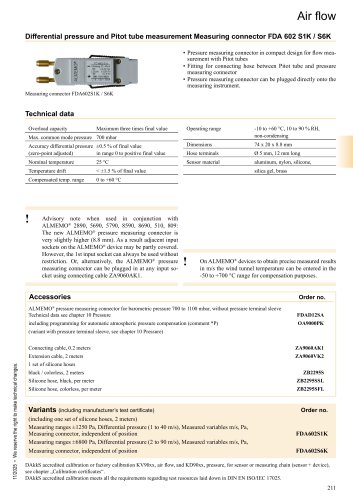 Pitot Tubes
2 Pages
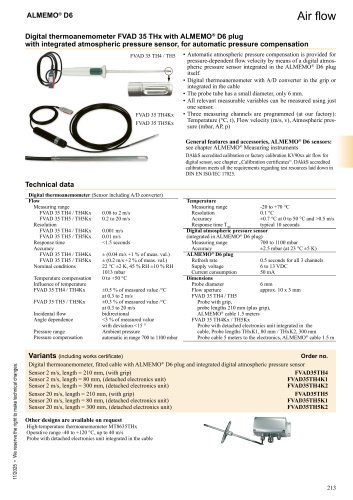 D6 Anemometer
1 Page
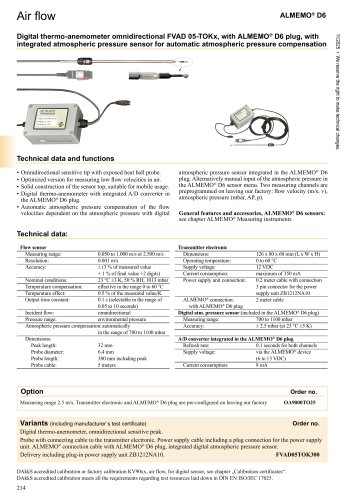 Digital thermo-anemometer
1 Page
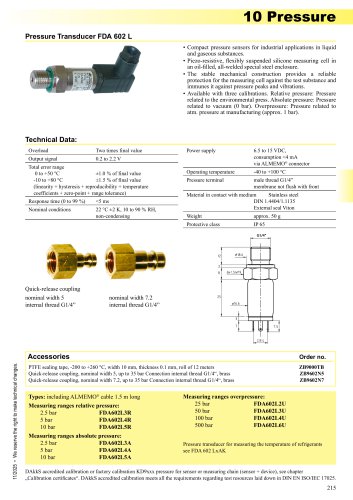 Pressure sensors FDA602L
1 Page
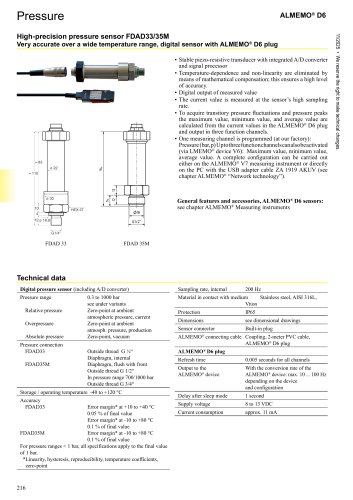 High-precision pressure sensor
2 Pages
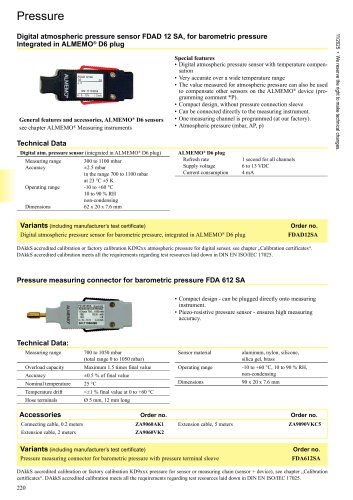 Pressure connector
1 Page
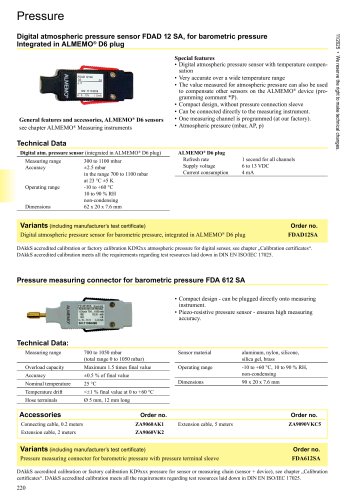 Pressure measuring connector
2 Pages
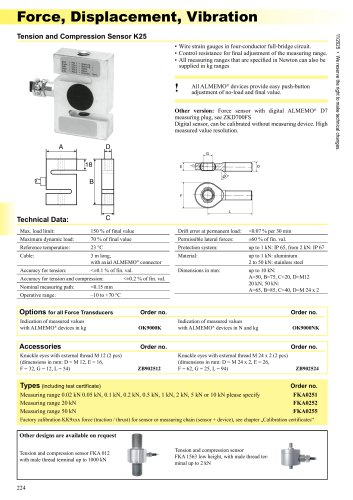 Force
Force3 Pages
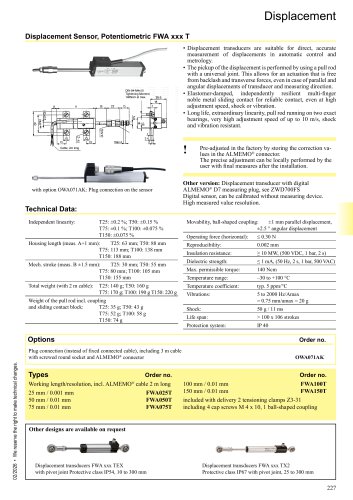 Displacement
2 Pages
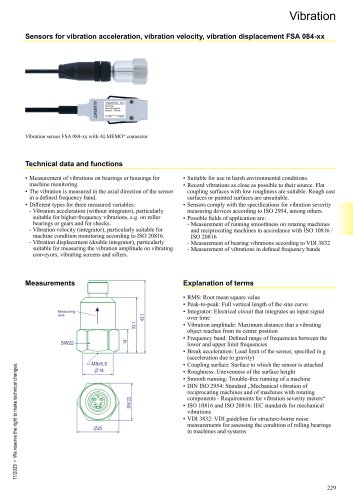 Vibration
2 Pages
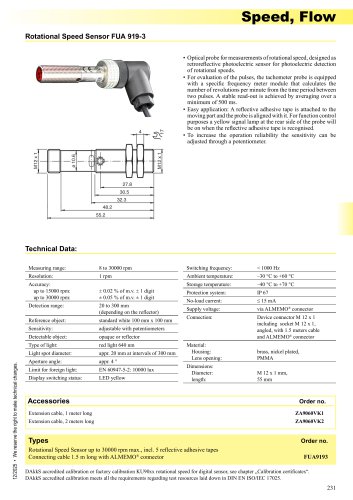 Speed
Speed1 Page
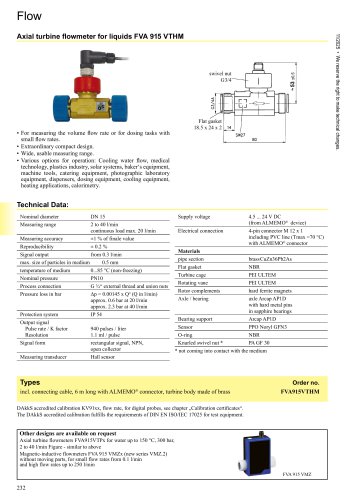 Flow
Flow2 Pages
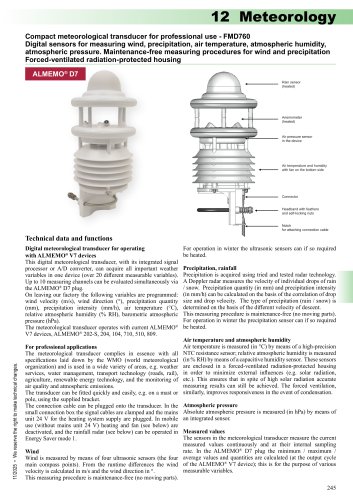 Meteorological transducer
3 Pages
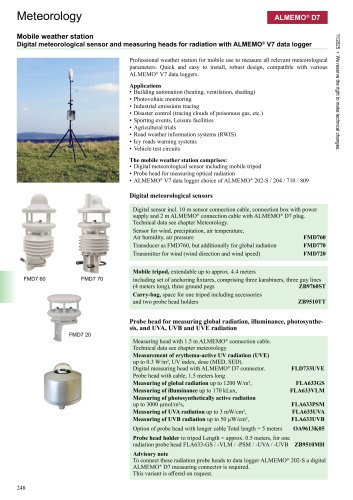 Weather station
3 Pages
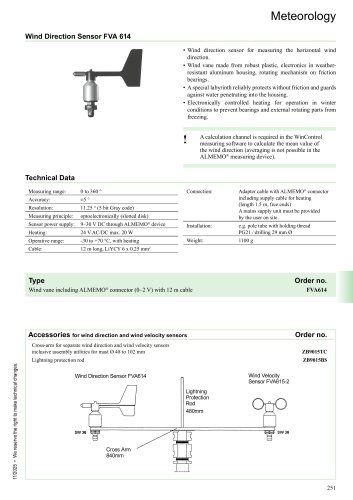 Wind sensor
2 Pages
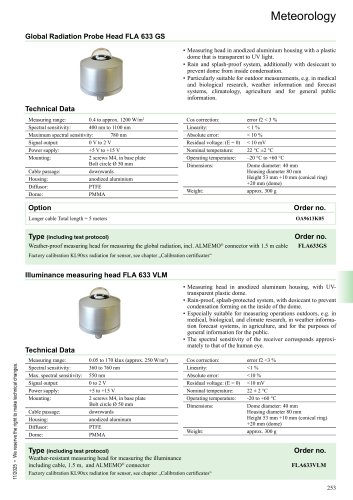 Optical radiation
3 Pages
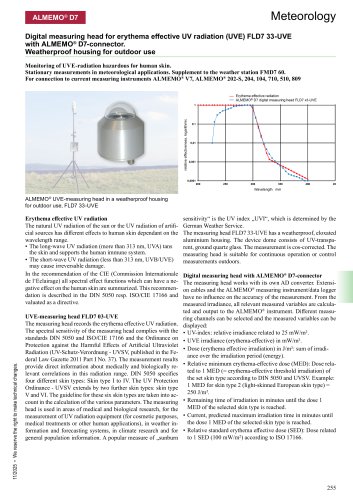 FLD733UVE
2 Pages
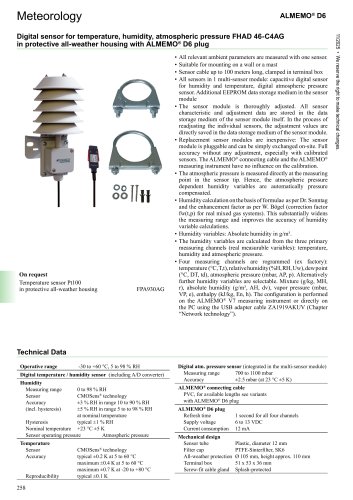 All-weather housing
2 Pages
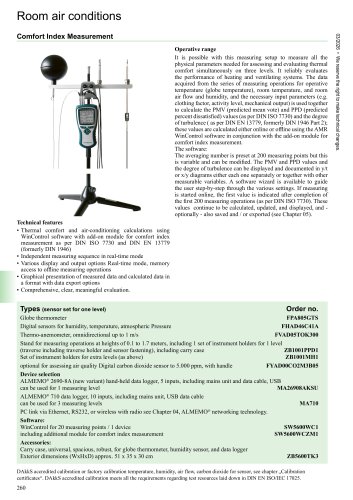 Comfort Index
2 Pages
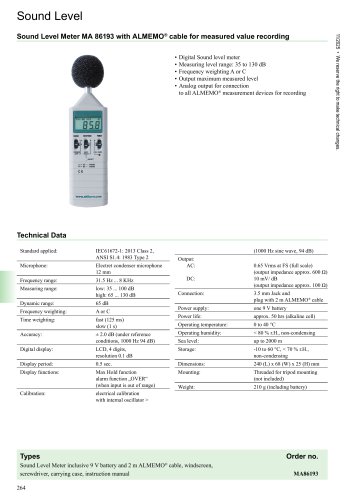 Sound Level
1 Page
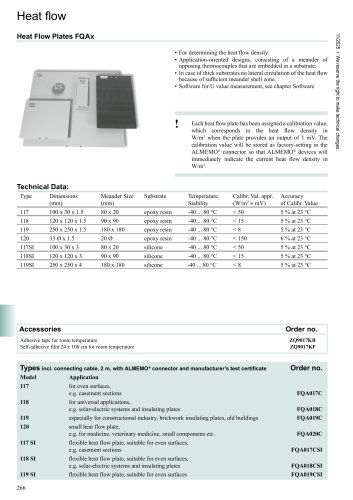 Heat Flow Plates
2 Pages
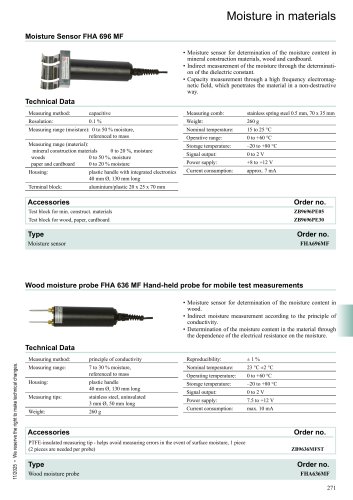 Moisture
5 Pages
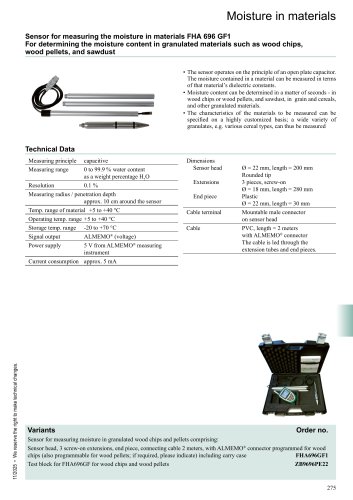 Granulate humidity
1 Page
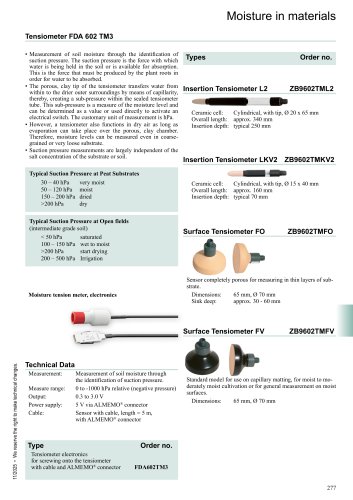 Tensiometer
1 Page
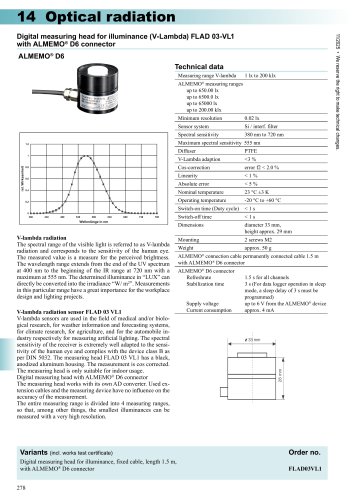 FLAD03VL1
1 Page
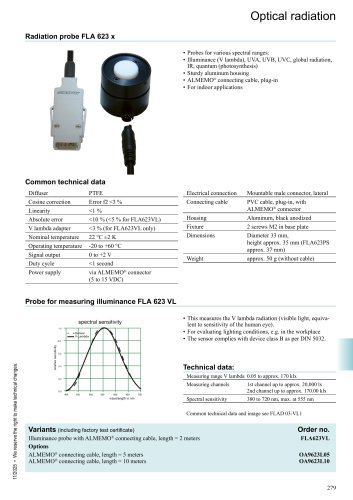 FLA623
3 Pages
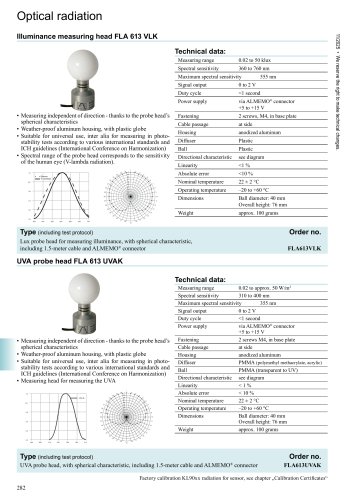 VLambda
1 Page
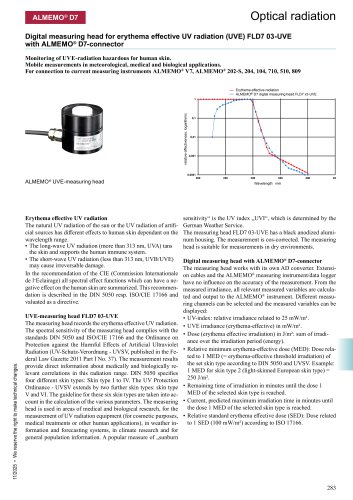 FLD703UVE
2 Pages
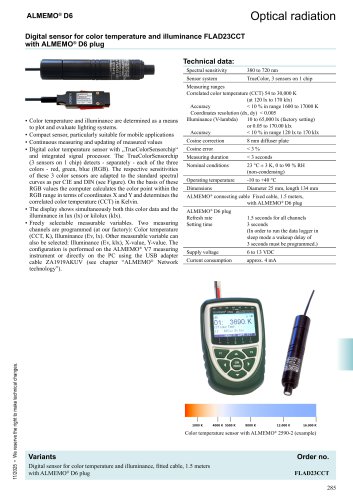 Color temperature
2 Pages
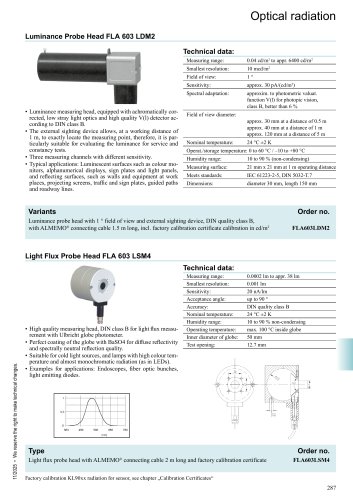 Luminance
1 Page
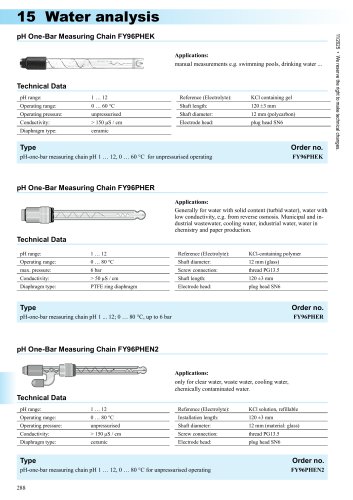 pH
pH4 Pages
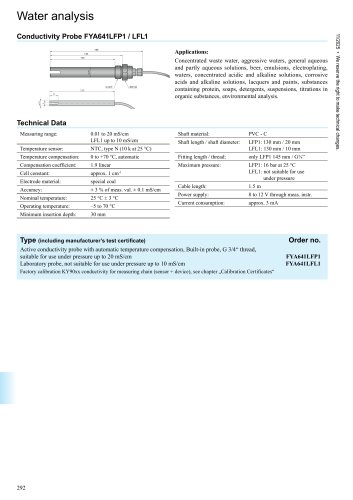 Conductivity
2 Pages
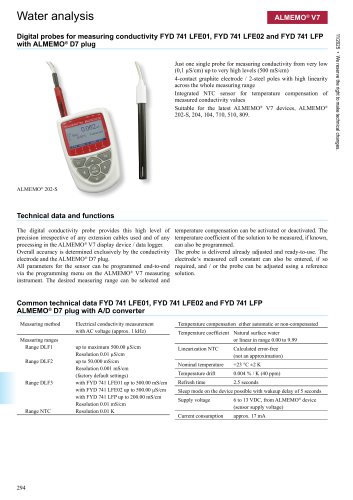 Conductivity D7
3 Pages
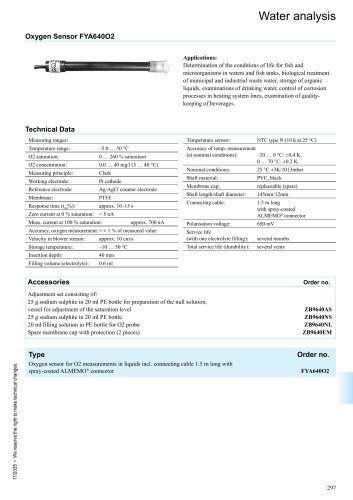 Oxygen Sensor
1 Page
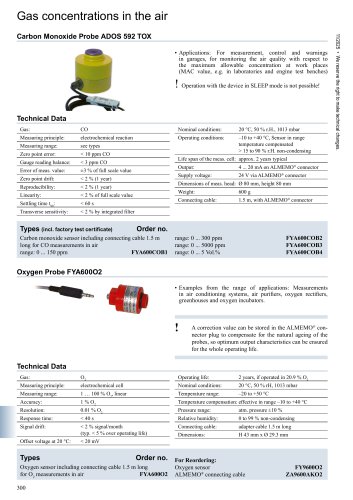 CO sensor
1 Page
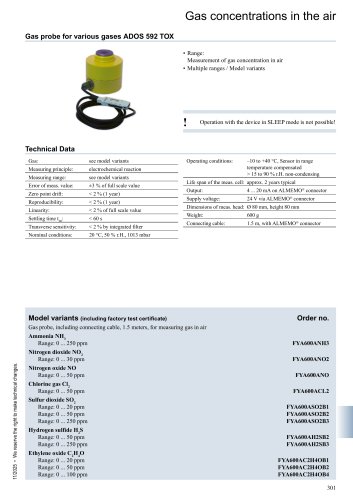 Various gases
1 Page
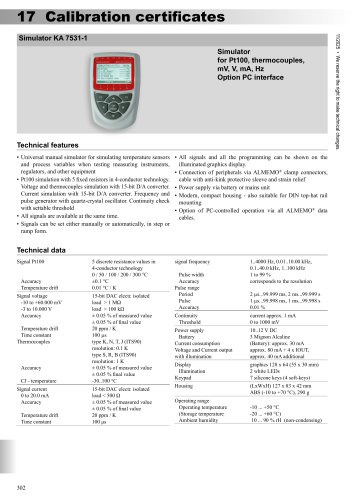 Simulator KA 7531
2 Pages
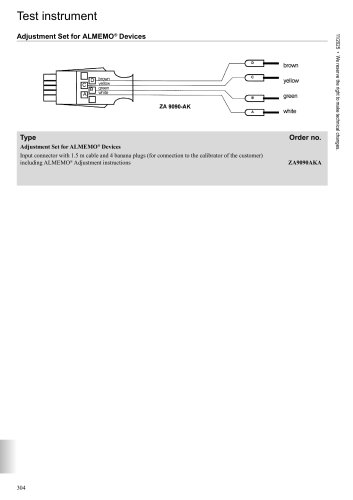 Adjustment cable
1 Page
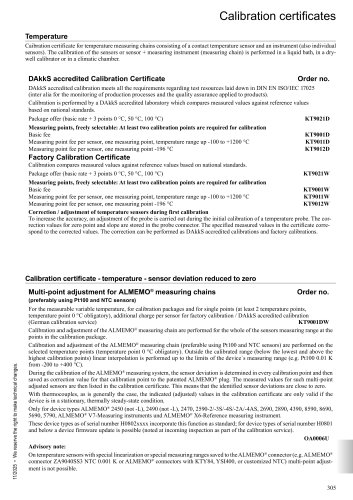 Certificates
7 Pages
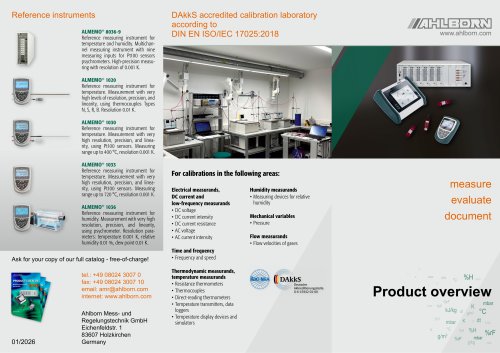 Product overview
2 Pages
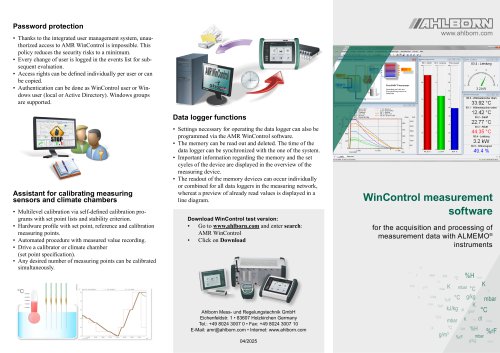 WinControl
2 Pages
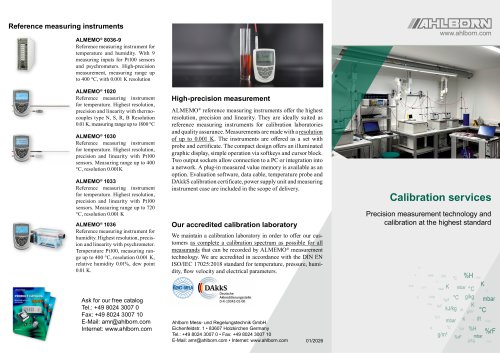 Calibration laboratory
2 Pages
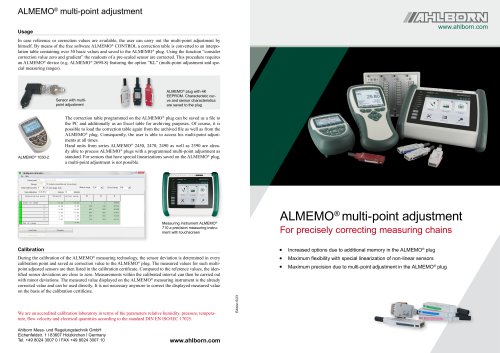 Multi-point adjustment
2 Pages

- Ahlborn connector
- Flowmeter
- Ahlborn data connector
- Ahlborn temperature sensor
- Volume flow monitor
- Liquid flow monitor
- Force sensor
- Electrical power supply connector
- Ahlborn measuring instrument
- Metal connector
- Automation software solution
- Data logger
- Ahlborn resistance temperature sensor
- Analysis software solution
- Pressure transmitter
- Circular connector
- Polymer connector
- Tension/compression force transducer
- Windows software
- Steel load cell