
- Catalogs
- Ahlborn Mess- und Regelungstechnik GmbH
- Displacement

- Company
- Products
- Catalogs
- News & Trends
- Exhibitions
Displacement
1 /2Pages
Displacement
1 /2Pages
Catalog excerpts
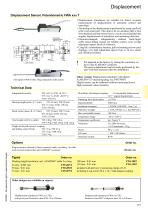
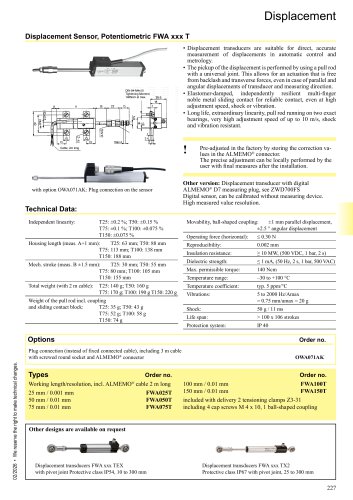
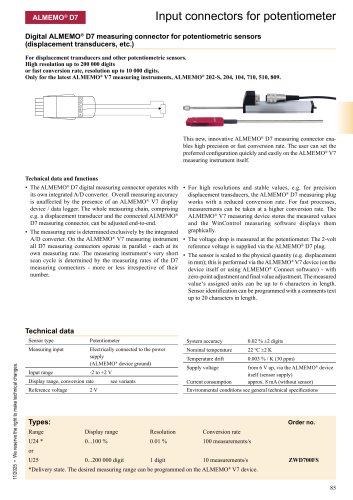
Displacement Sensor, Potentiometric FWA xxx T Technical Data: Independent linearity: T25: ±0.2 %; T50: ±0.15 % Housing length (meas. A+1 mm): T25: 63 mm; T50: 88 mm Mech. stroke (meas. B ±1.5 mm): T25: 30 mm; T50: 55 mm Weight of the pull rod incl. coupling and sliding contact block: T25: 35 g; T50: 43 g • Displacement transducers are suitable for direct, accurate measurement of displacements in automatic control and metrology. • The pickup of the displacement is performed by using a pull rod with a universal joint. This allows for an actuation that is free from backlash and transverse forces, even in case of parallel and angular displacements of transducer and measuring direction. • Elastomer-damped, independently resilient multi-finger noble metal sliding contact for reliable contact, even at high adjustment speed, shock or vibration. • Long life, extraordinary linearity, pull rod running on two exact bearings, very high adjustment speed of up to 10 m/s, shock and vibration resistant. ! Pre-adjusted in the factory by storing the correction va* lues in the ALMEMO® connector. The precise adjustment can be locally performed by the user with final measures after the installation. Other version: Displacement transducer with digital ALMEMO® D7 measuring plug, see ZWD700FS Digital sensor, can be calibrated without measuring device. High measured value resolution. Movability, ball-shaped coupling: ±1 mm parallel displacement, Operating force (horizontal): < 0.30 N Temperature coefficient: typ. 5 ppm/°C Life span: > 100 x 106 strokes Options Plug connection (instead of fixed connected cable), including 3 m cable with screwed round socket and ALMEMO® connector 02/2026 • We reserve the right to make technical changes. Types Order no. Working length/resolution, incl. ALMEMO® cable 2 m long included with delivery 2 tensioning clamps Z3-31 including 4 cap screws M 4 x 10, 1 ball-shaped coupling Other designs are available on request
Open the catalog to page 1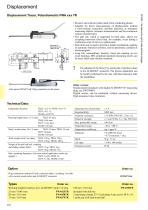
• Resistor and collector paths made from conducting plastic. • Suitable for direct measurements of displacement without a form-locking connection, position detection at stationary measuring objects, tolerance measurements and for continuous contour measurement. • The pull rod, which is supported on both sides, allows for accepting transverse forces that, for example, occur during a continuous scan of curves or spline parts. • Rear limit stop is used to provide a simple mechanical coupling of automatic retraction systems, such as pneumatic cylinders or electromagnets. • Long life, extraordinary...
Open the catalog to page 2All Ahlborn Mess- und Regelungstechnik GmbH catalogs and technical brochures
 Ahlborn Product Catalog 2026
324 Pages
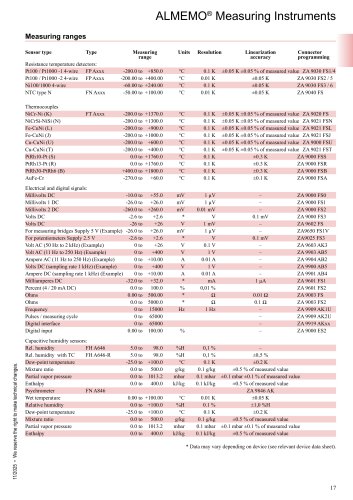 Measuring ranges
2 Pages
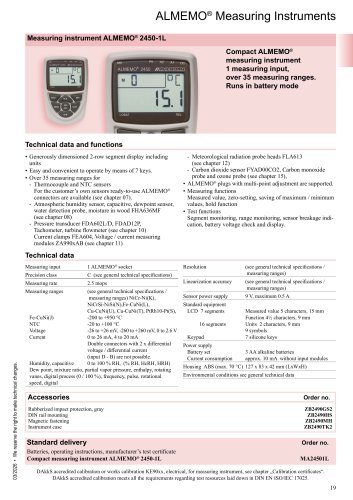 ALMEMO® 2450-L
1 Page
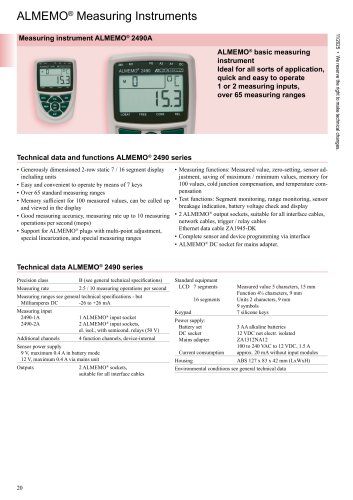 ALMEMO® 2490A
2 Pages
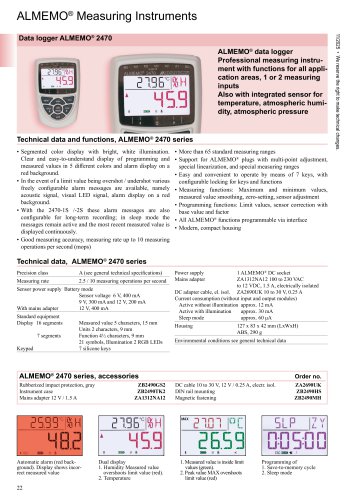 ALMEMO® 2470
3 Pages
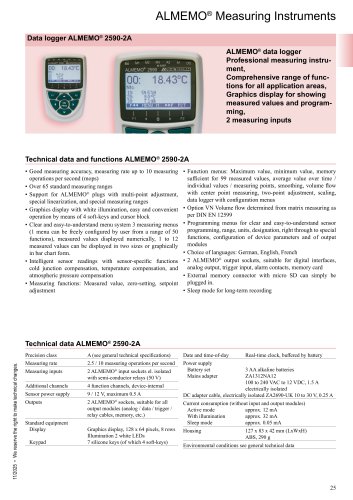 ALMEMO® 2590-2A
2 Pages
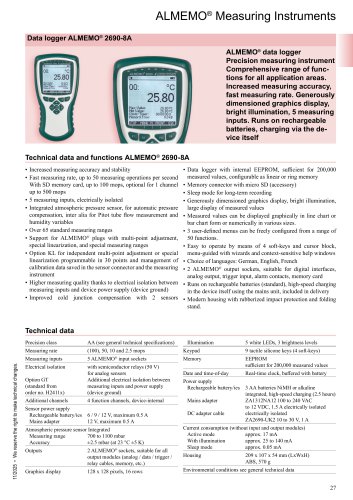 ALMEMO® 2690-8A
2 Pages
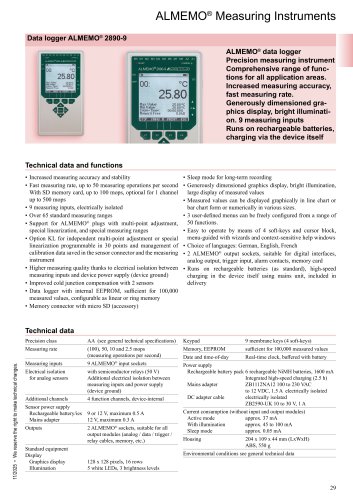 ALMEMO® 2890
2 Pages
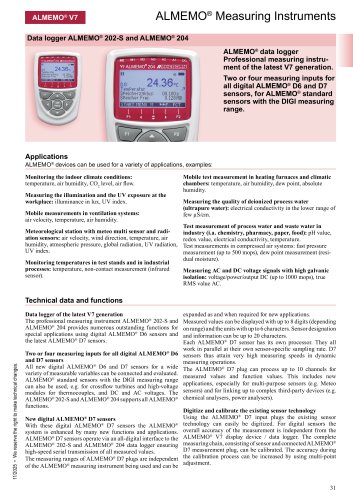 ALMEMO® 202-S and ALMEMO® 204
3 Pages
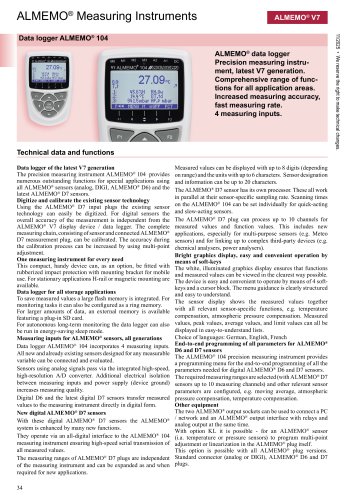 ALMEMO® 104
3 Pages
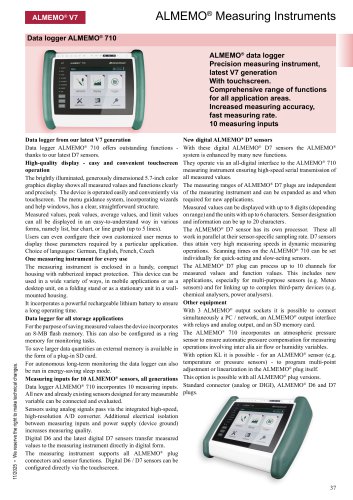 ALMEMO® 710
3 Pages
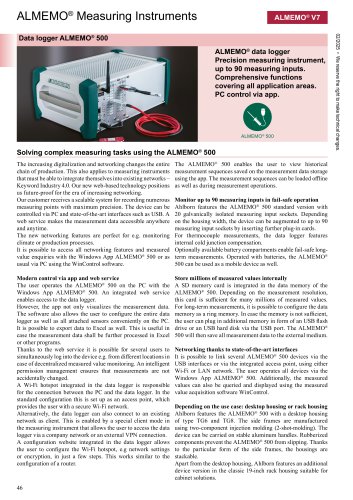 ALMEMO® 500
4 Pages
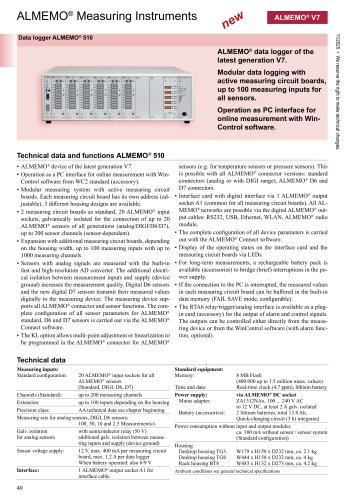 ALMEMO® 510
3 Pages
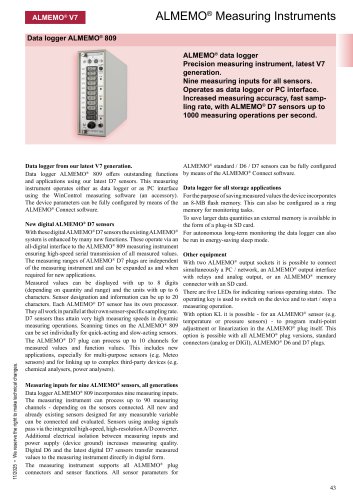 ALMEMO® 809
2 Pages
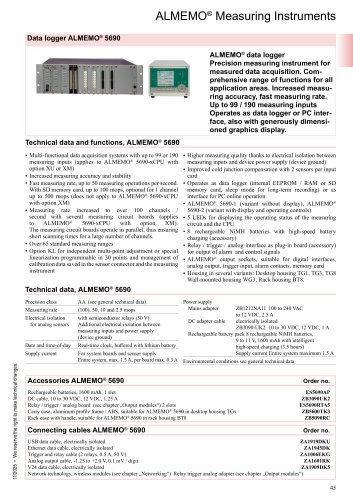 ALMEMO® 5690
8 Pages
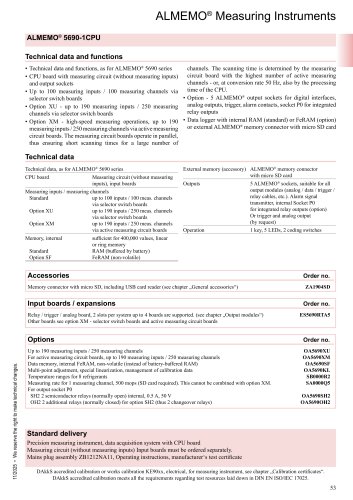 ALMEMO® 5690 CPU
6 Pages
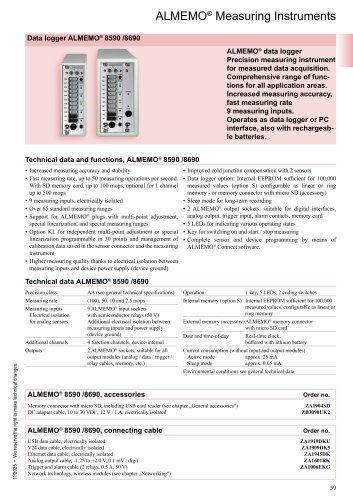 ALMEMO® 8590/8690
2 Pages
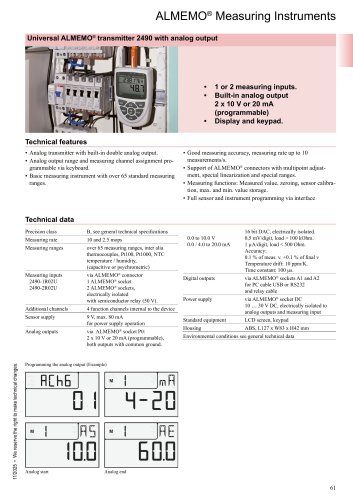 Transmitter ALMEMO® 2490
2 Pages
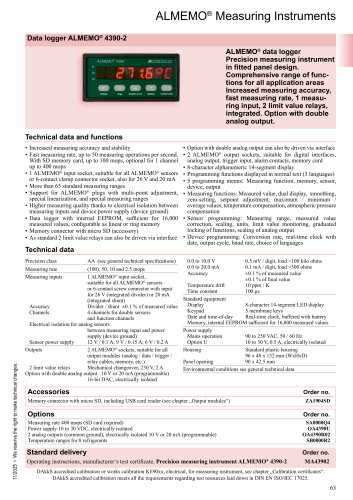 ALMEMO® 4390-2
1 Page
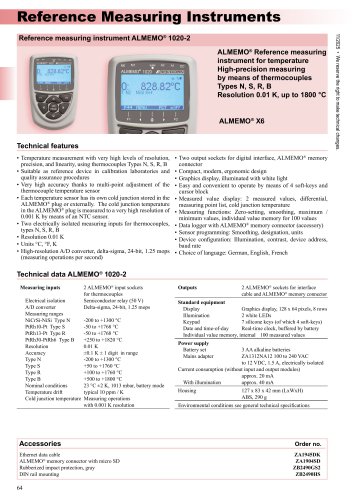 ALMEMO® 1020
2 Pages
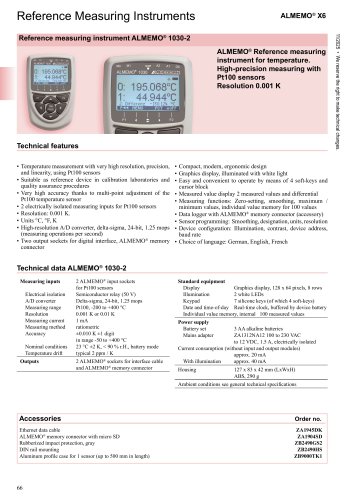 ALMEMO® 1030
2 Pages
 ALMEMO® 1033
2 Pages
 ALMEMO® 1036
2 Pages
 ALMEMO® 8036
3 Pages
 Digital ALMEMO® connectors
14 Pages
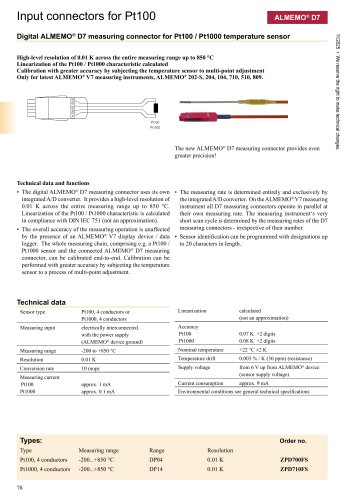 ALMEMO® Connector for Pt100
5 Pages
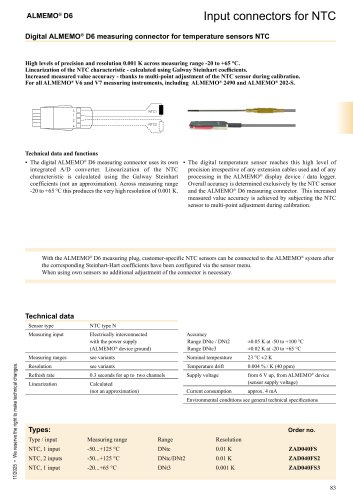 ALMEMO® Connectors for NTC
2 Pages
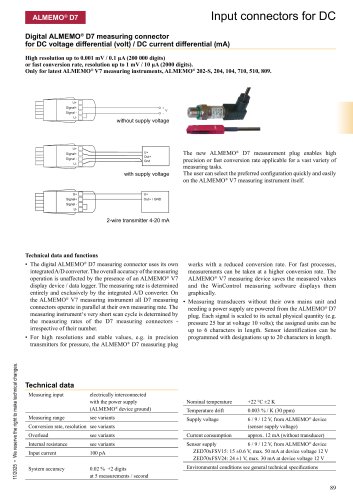 ALMEMO® Connector for DC
5 Pages
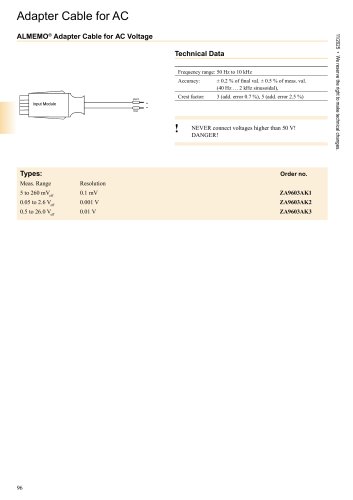 ALMEMO® Connector for AC
1 Page
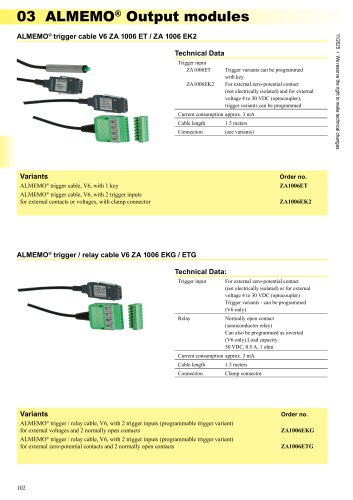 Trigger cable
3 Pages
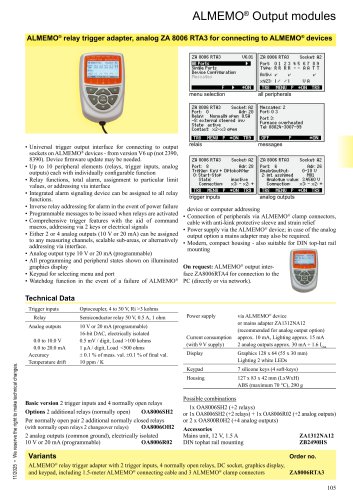 ALMEMO® 8006-RTA3
1 Page
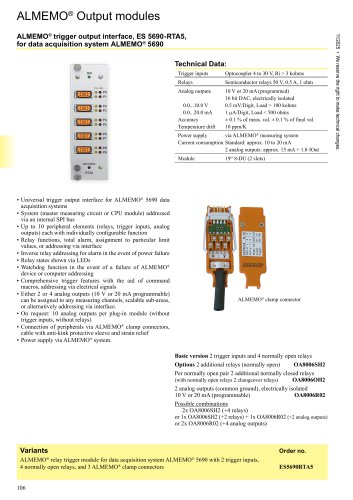 RTA5
RTA51 Page
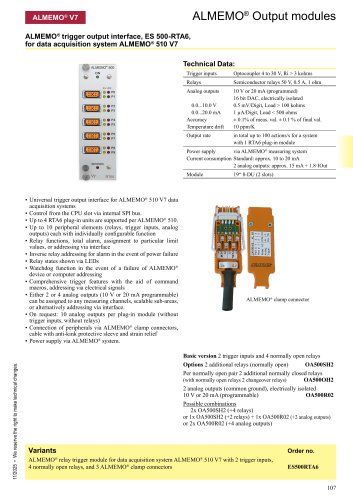 RTA6
RTA61 Page
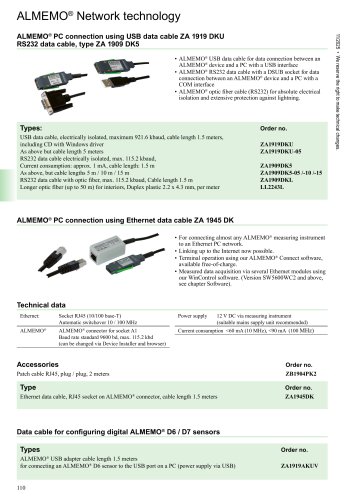 Network Cables
2 Pages
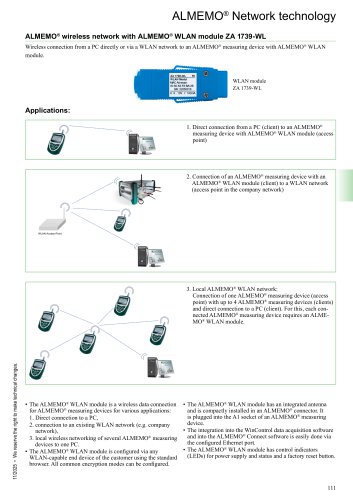 WLAN module ZA 1739-WL
2 Pages
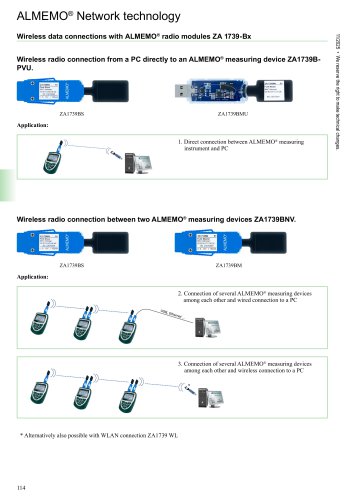 The ALMEMO® wireless System
3 Pages
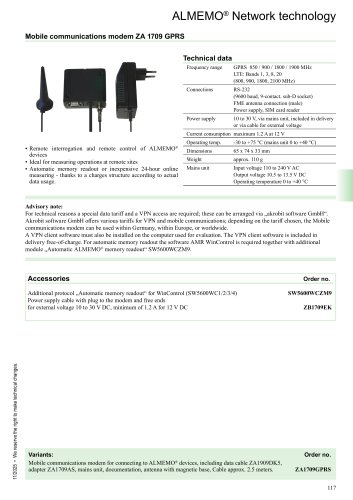 Mobile Internet and Cloud
4 Pages
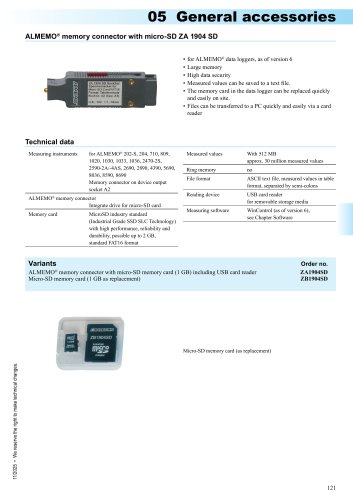 Memory connector
1 Page
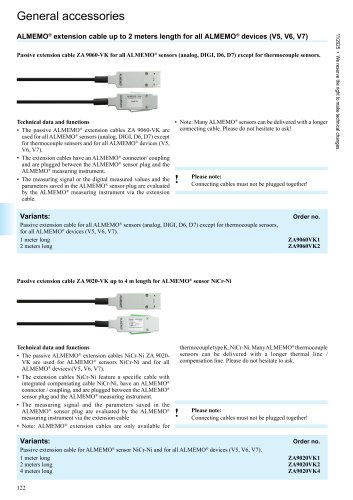 Extension cable
3 Pages
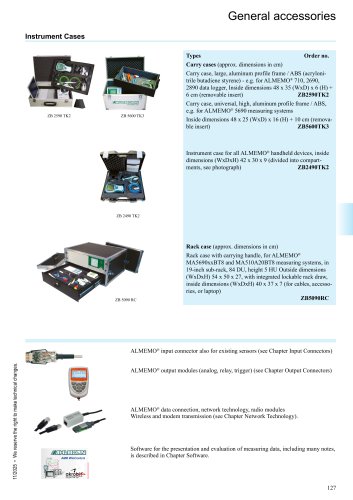 Cases
Cases1 Page
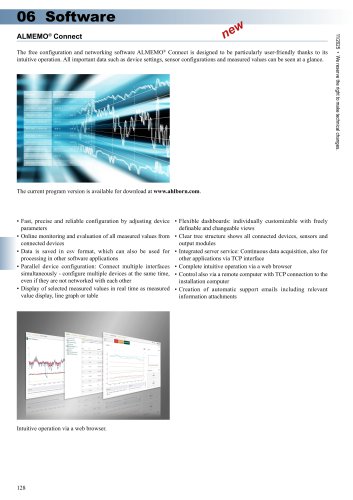 ALMEMO® Connect
1 Page
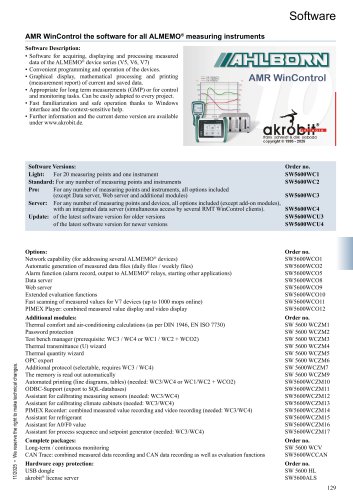 WinControl
13 Pages
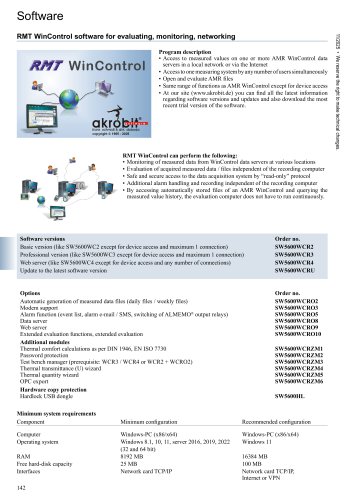 RMT WinControl
1 Page
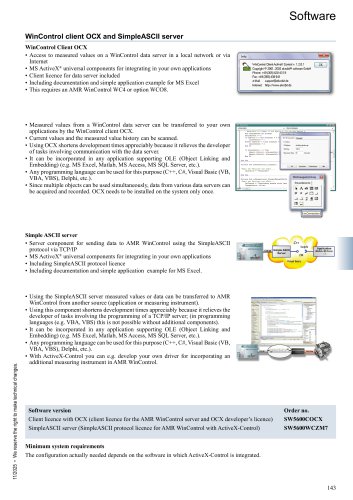 OCX WinControl
1 Page
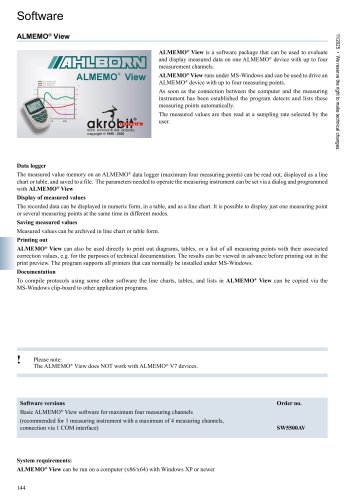 ALMEMO® View
1 Page
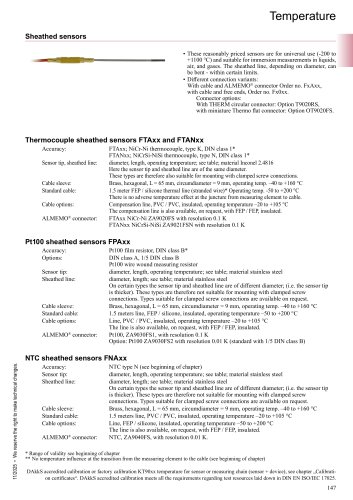 Sheathed sensors
5 Pages
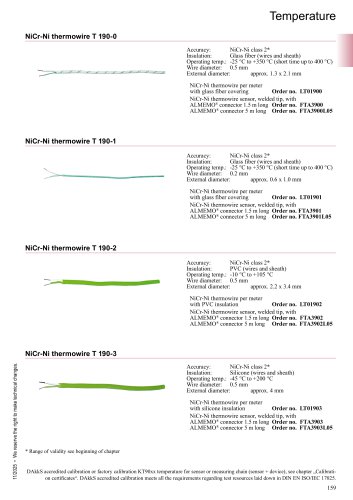 Thermo-wires
3 Pages
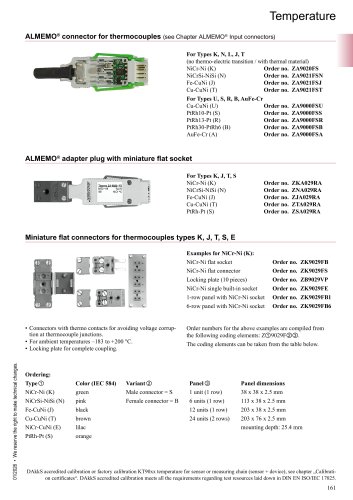 Connectors for thermocouples
1 Page
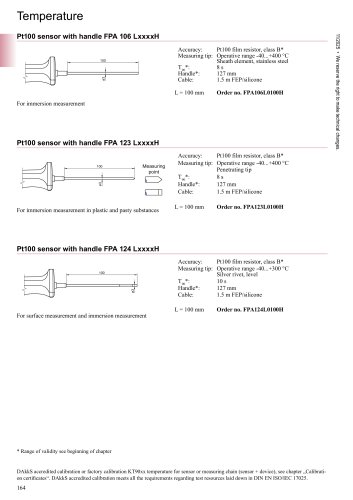 Various designs
4 Pages
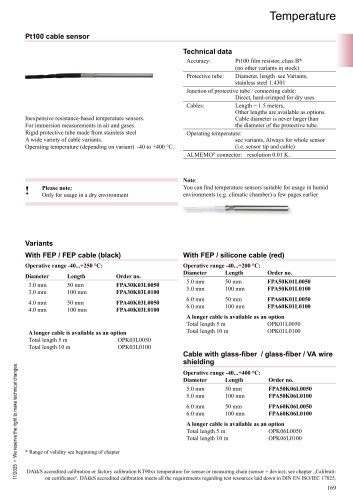 Pt100 cable sensor
1 Page
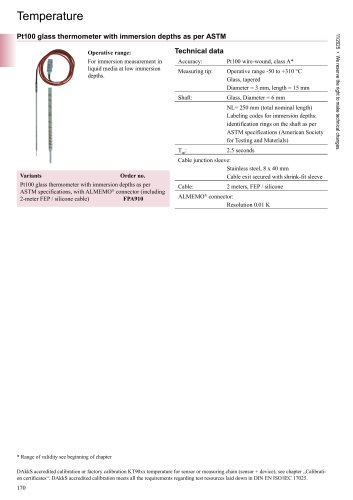 Glass thermometer
1 Page
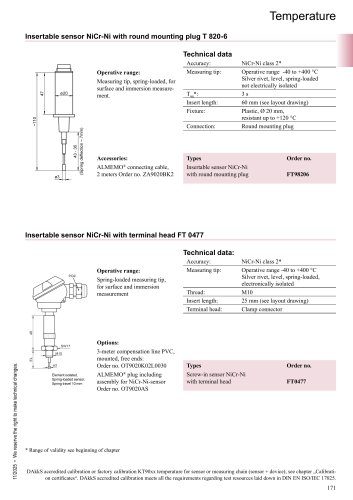 Insertable sensor
3 Pages
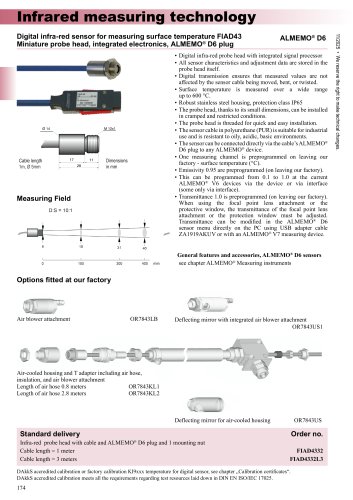 FIAD43
2 Pages
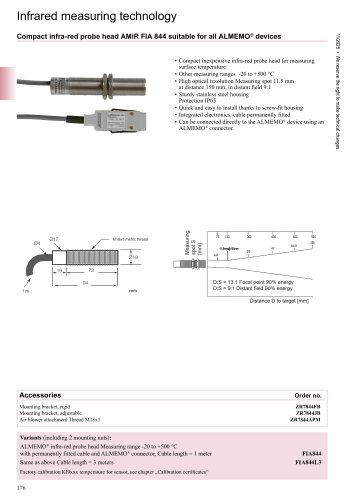 FIA844
2 Pages
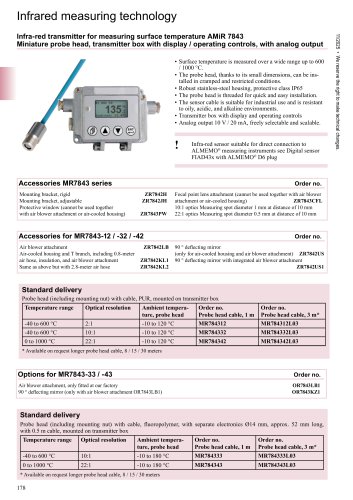 AMiR 7843
2 Pages
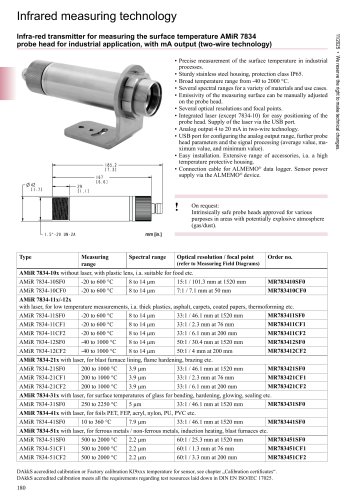 AMiR 7834
6 Pages
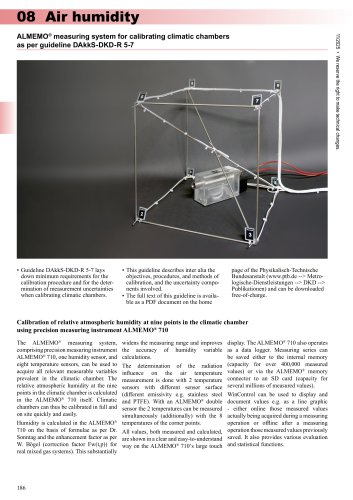 Calibrating climatic chambers
4 Pages
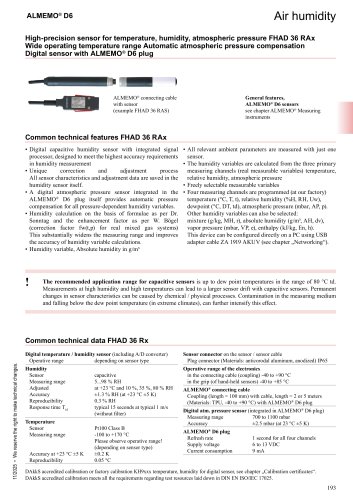 FHAD 36 Rx
4 Pages
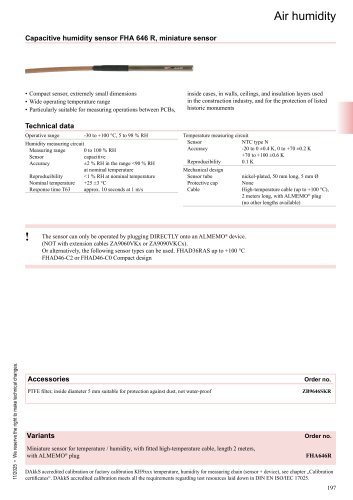 FHA 646 R
1 Page
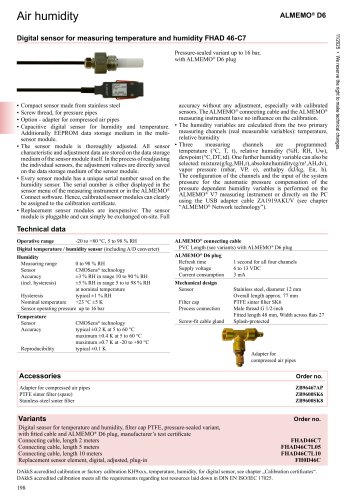 FHAD46-7
1 Page
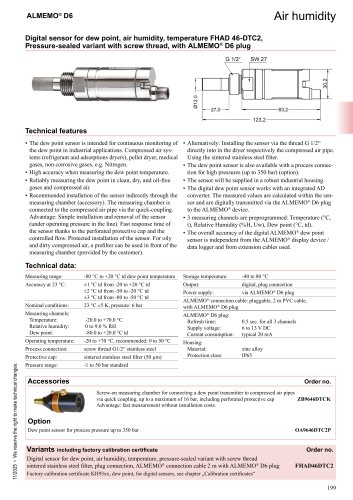 Dewpoint sensor
1 Page
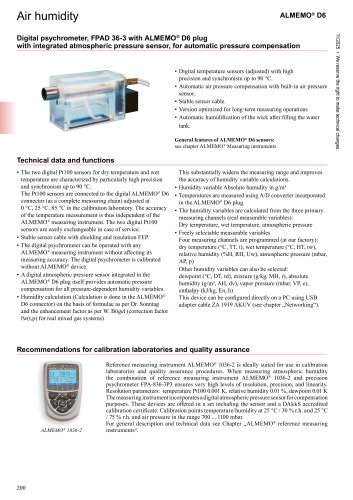 Digital psychrometer
2 Pages
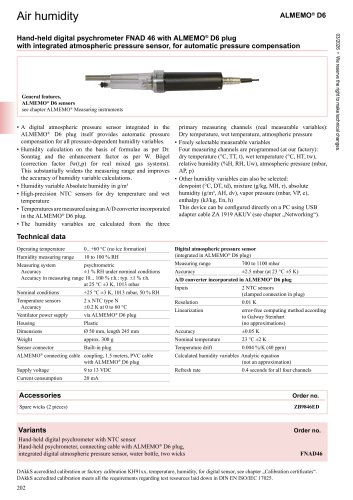 Psychrometer
1 Page
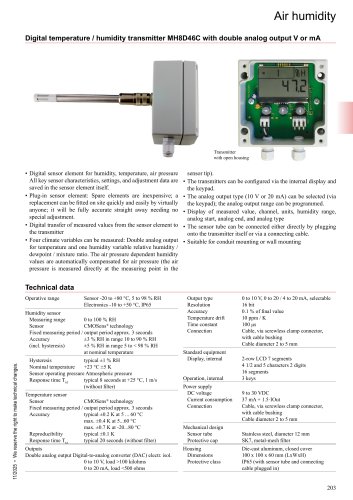 MH8D46
2 Pages
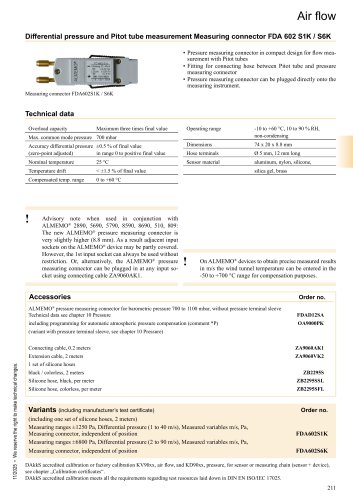 Pitot Tubes
2 Pages
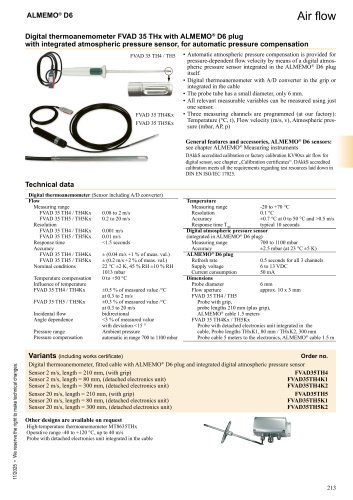 D6 Anemometer
1 Page
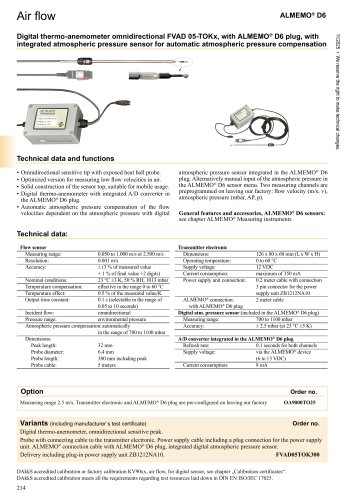 Digital thermo-anemometer
1 Page
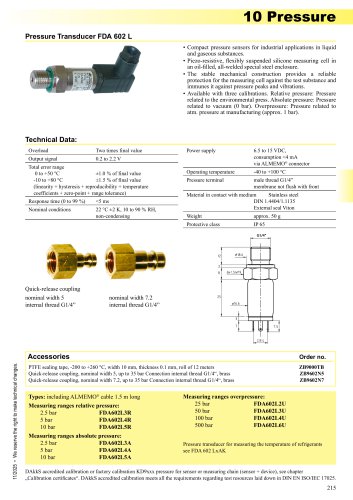 Pressure sensors FDA602L
1 Page
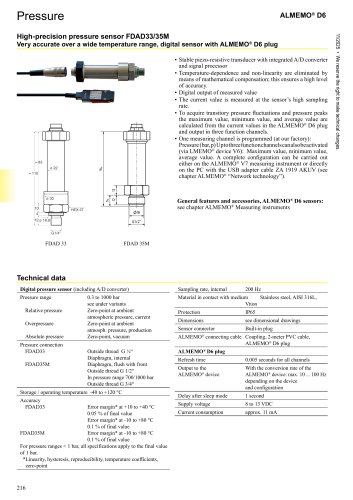 High-precision pressure sensor
2 Pages
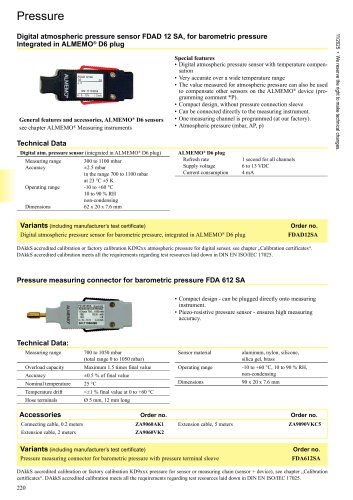 Pressure connector
1 Page
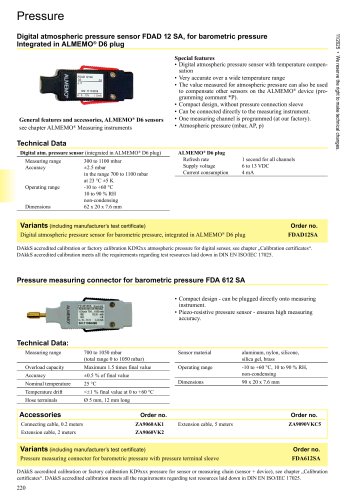 Pressure measuring connector
2 Pages
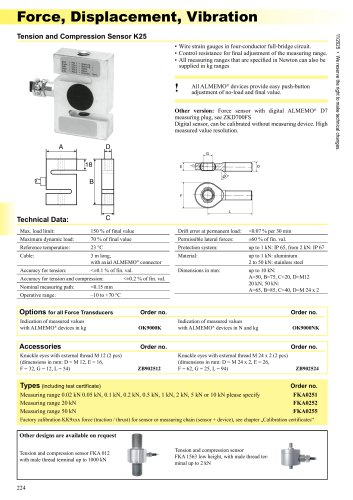 Force
Force3 Pages
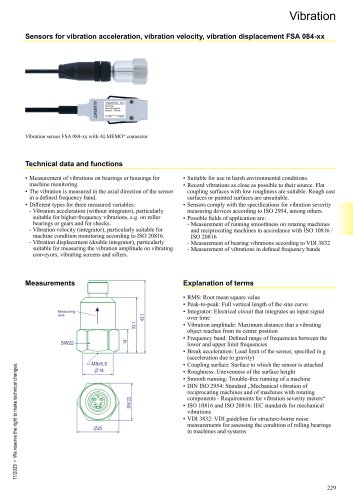 Vibration
2 Pages
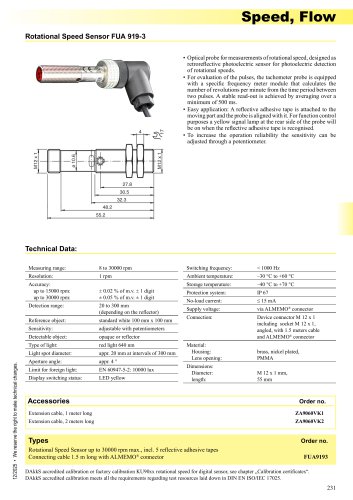 Speed
Speed1 Page
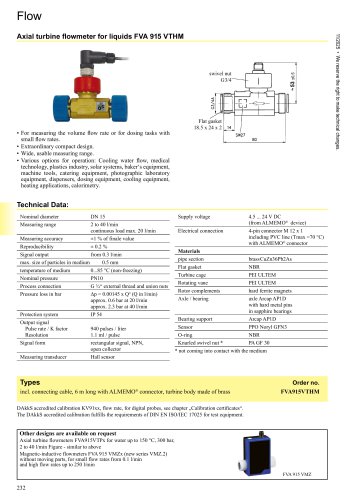 Flow
Flow2 Pages
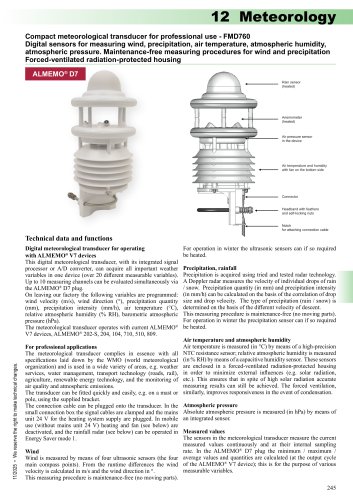 Meteorological transducer
3 Pages
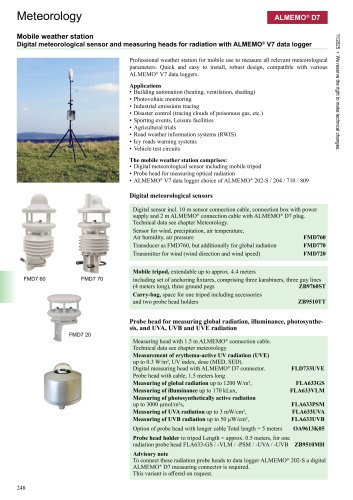 Weather station
3 Pages
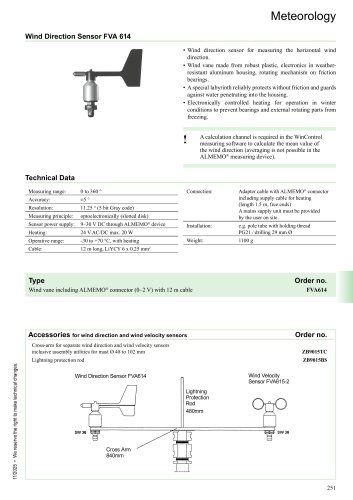 Wind sensor
2 Pages
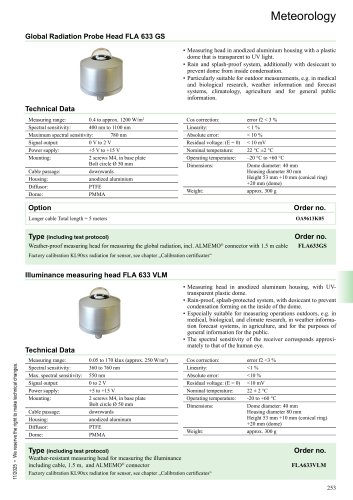 Optical radiation
3 Pages
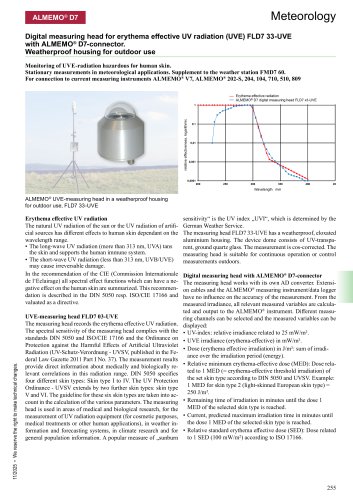 FLD733UVE
2 Pages
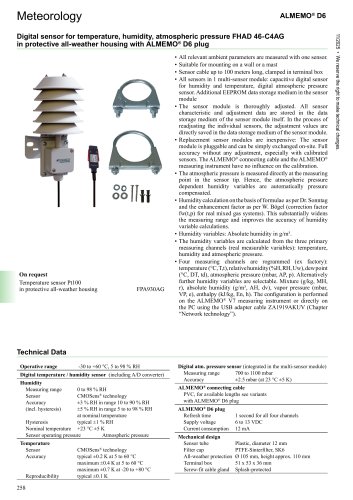 All-weather housing
2 Pages
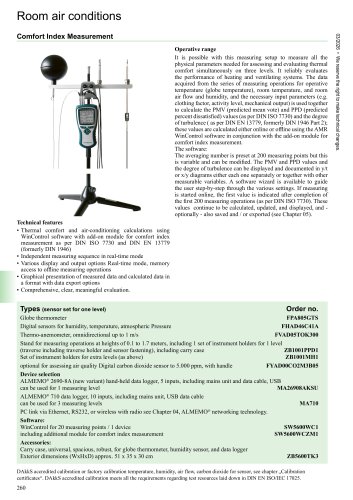 Comfort Index
2 Pages
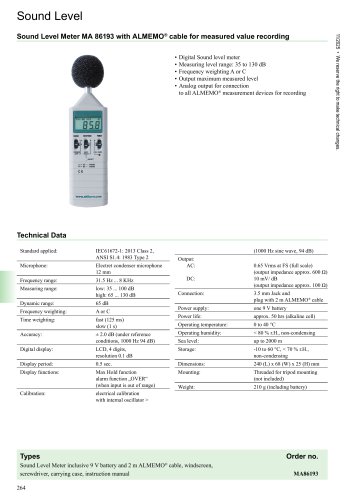 Sound Level
1 Page
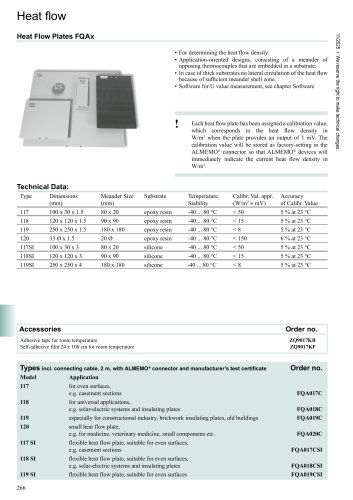 Heat Flow Plates
2 Pages
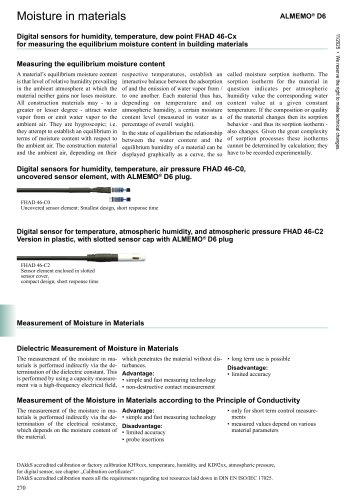 Equilibrium moisture
1 Page
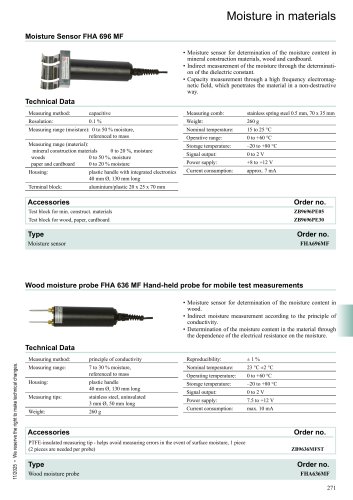 Moisture
5 Pages
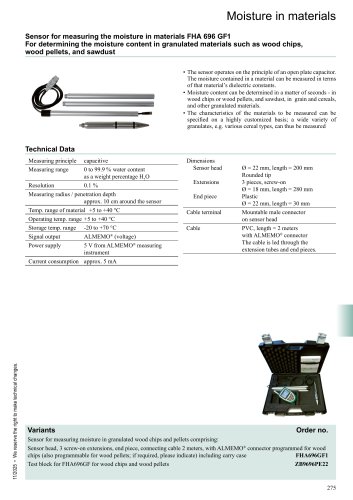 Granulate humidity
1 Page
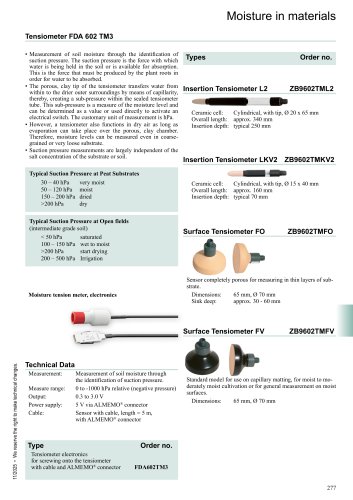 Tensiometer
1 Page
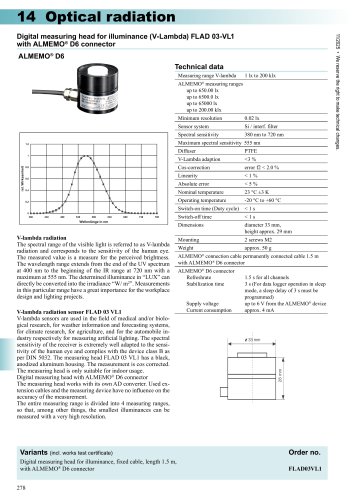 FLAD03VL1
1 Page
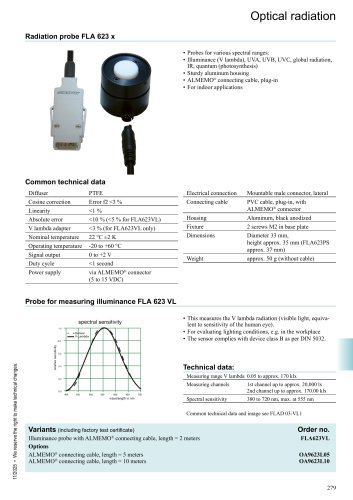 FLA623
3 Pages
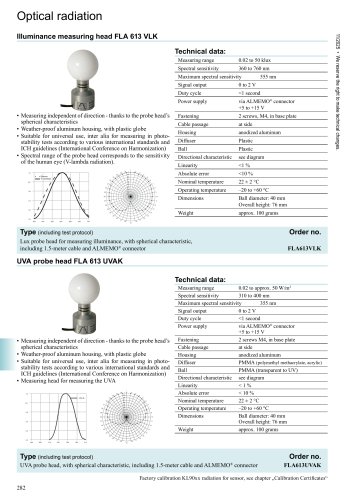 VLambda
1 Page
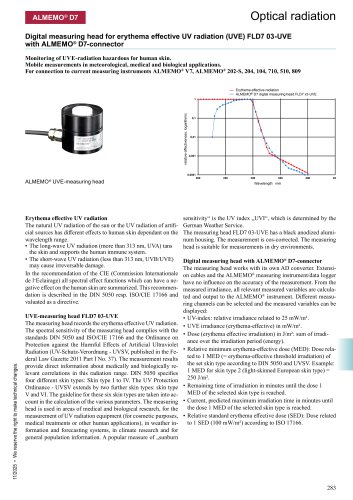 FLD703UVE
2 Pages
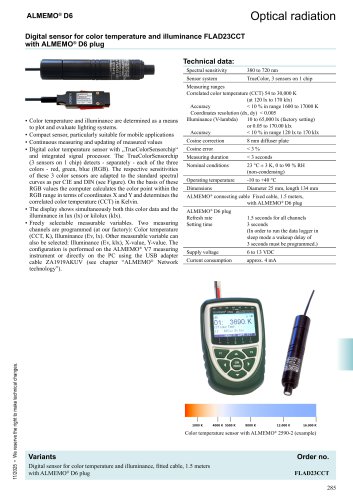 Color temperature
2 Pages
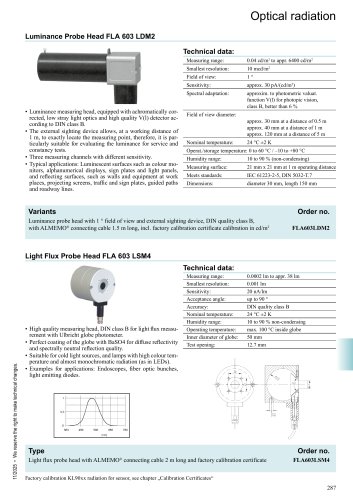 Luminance
1 Page
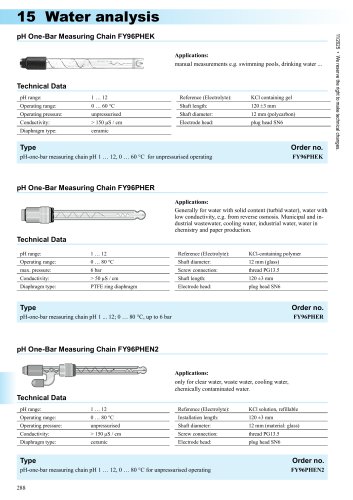 pH
pH4 Pages
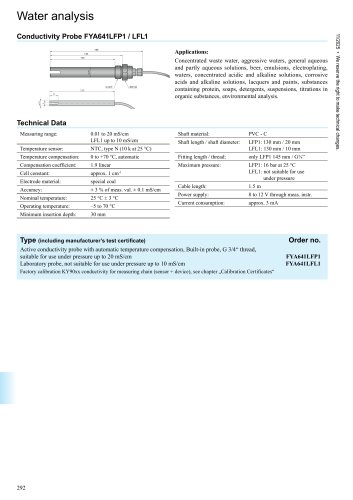 Conductivity
2 Pages
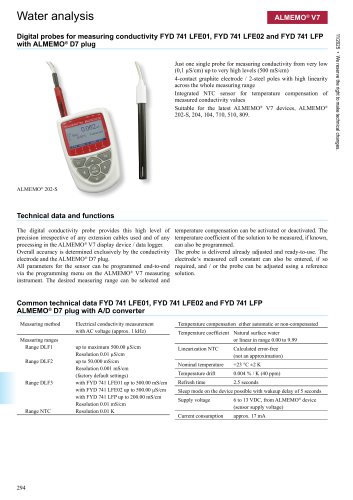 Conductivity D7
3 Pages
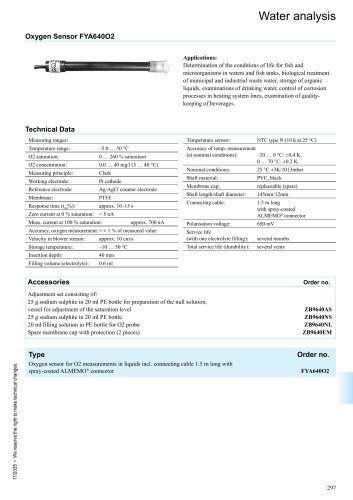 Oxygen Sensor
1 Page
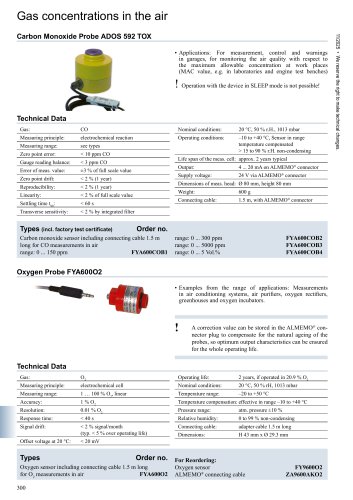 CO sensor
1 Page
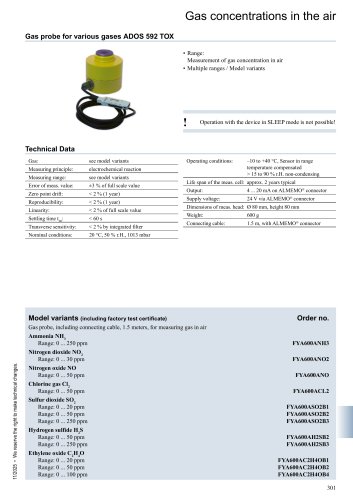 Various gases
1 Page
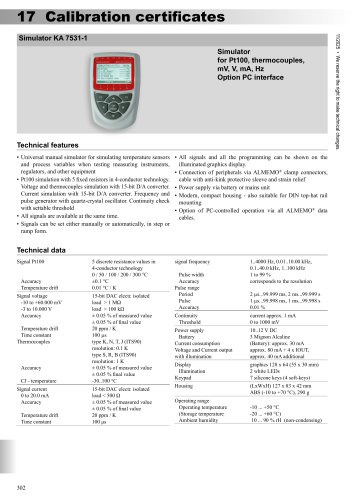 Simulator KA 7531
2 Pages
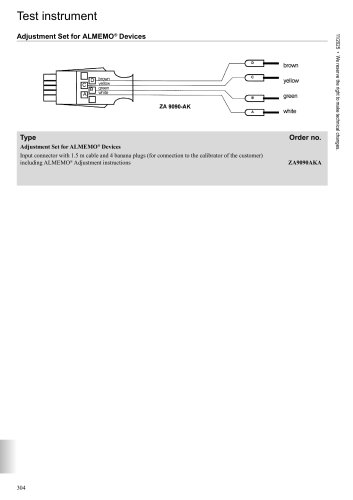 Adjustment cable
1 Page
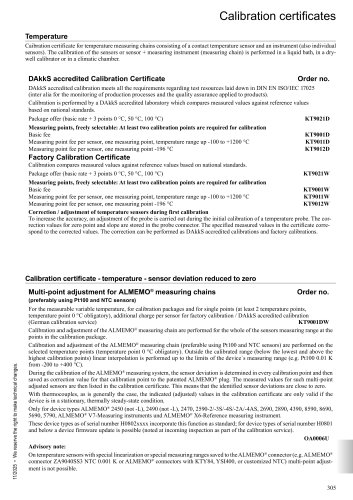 Certificates
7 Pages
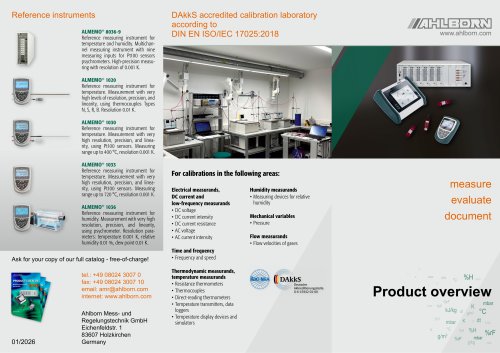 Product overview
2 Pages
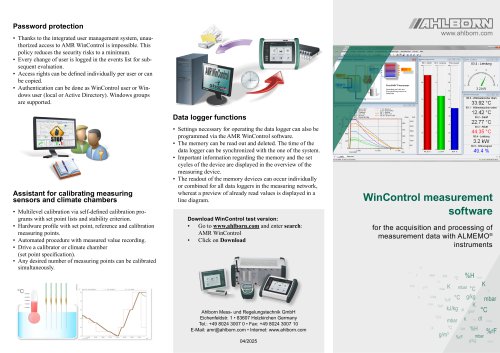 WinControl
2 Pages
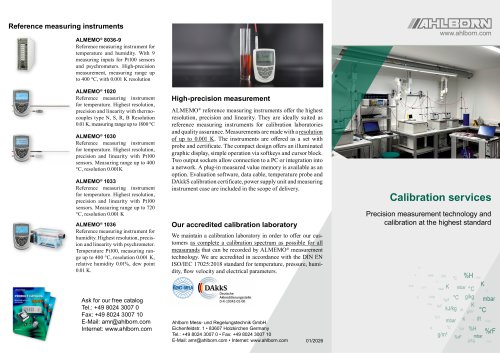 Calibration laboratory
2 Pages
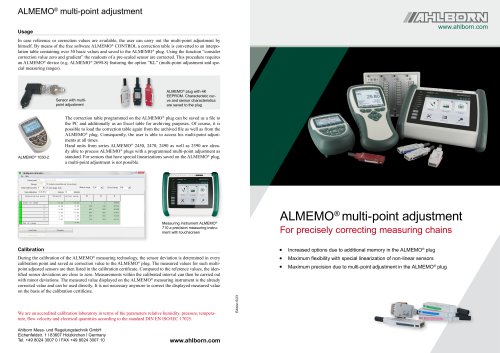 Multi-point adjustment
2 Pages
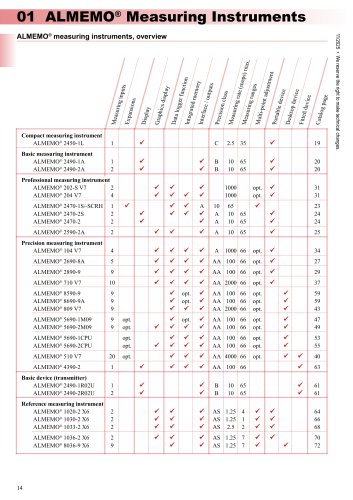
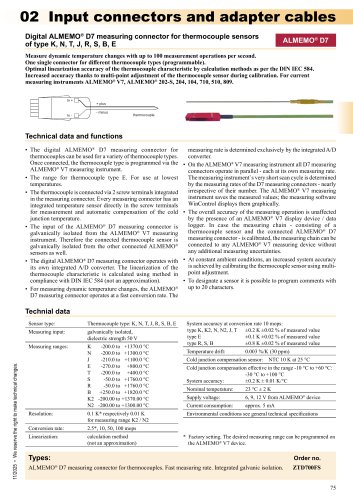

- Flowmeter
- Ahlborn data connector
- Ahlborn temperature sensor
- Volume flow monitor
- Liquid flow monitor
- Force sensor
- Electrical power supply connector
- Ahlborn measuring instrument
- Metal connector
- Automation software solution
- Data logger
- Ahlborn resistance temperature sensor
- Analysis software solution
- Pressure transmitter
- Circular connector
- Polymer connector
- Tension/compression force transducer
- Windows software
- Steel load cell